
The science of social media
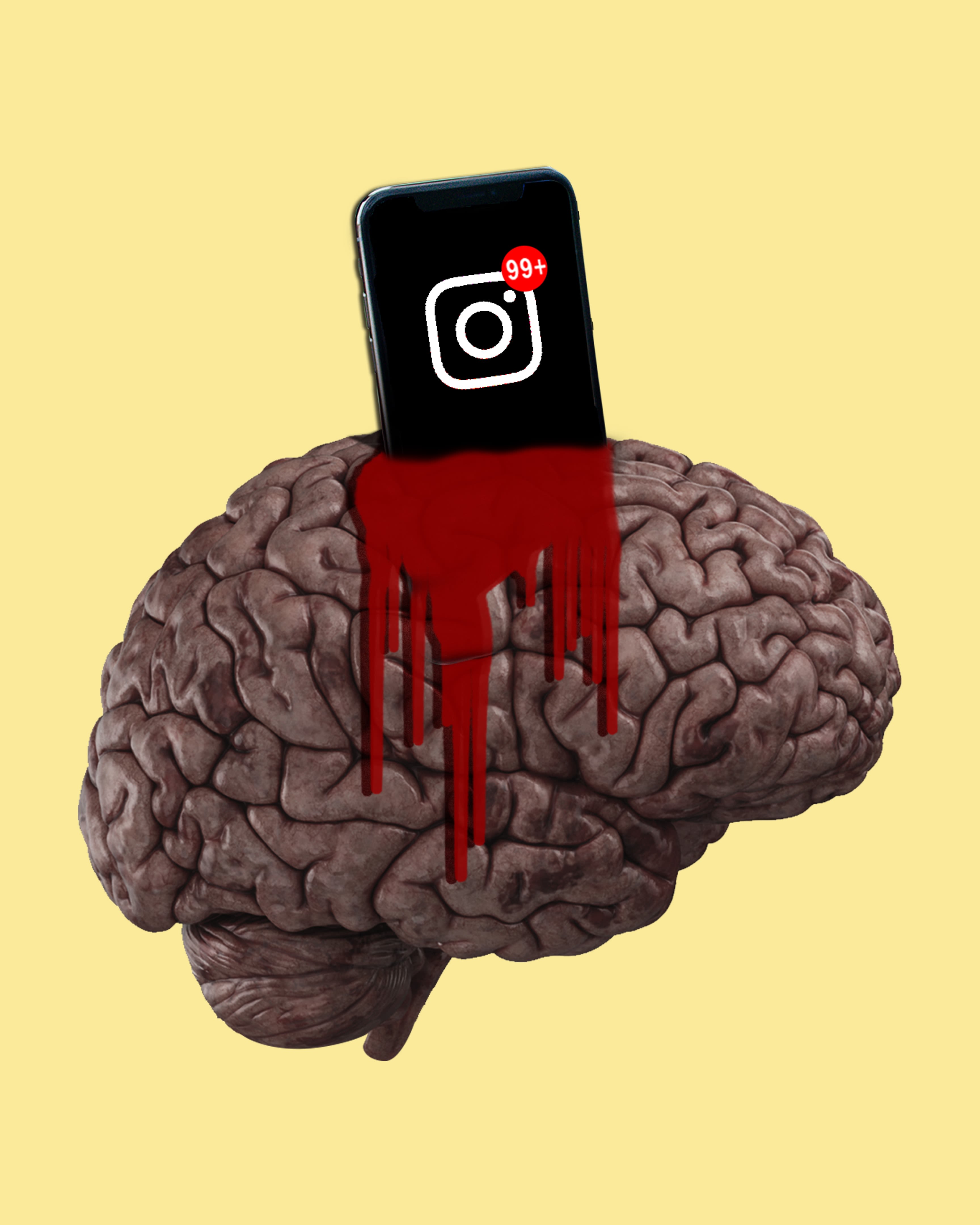

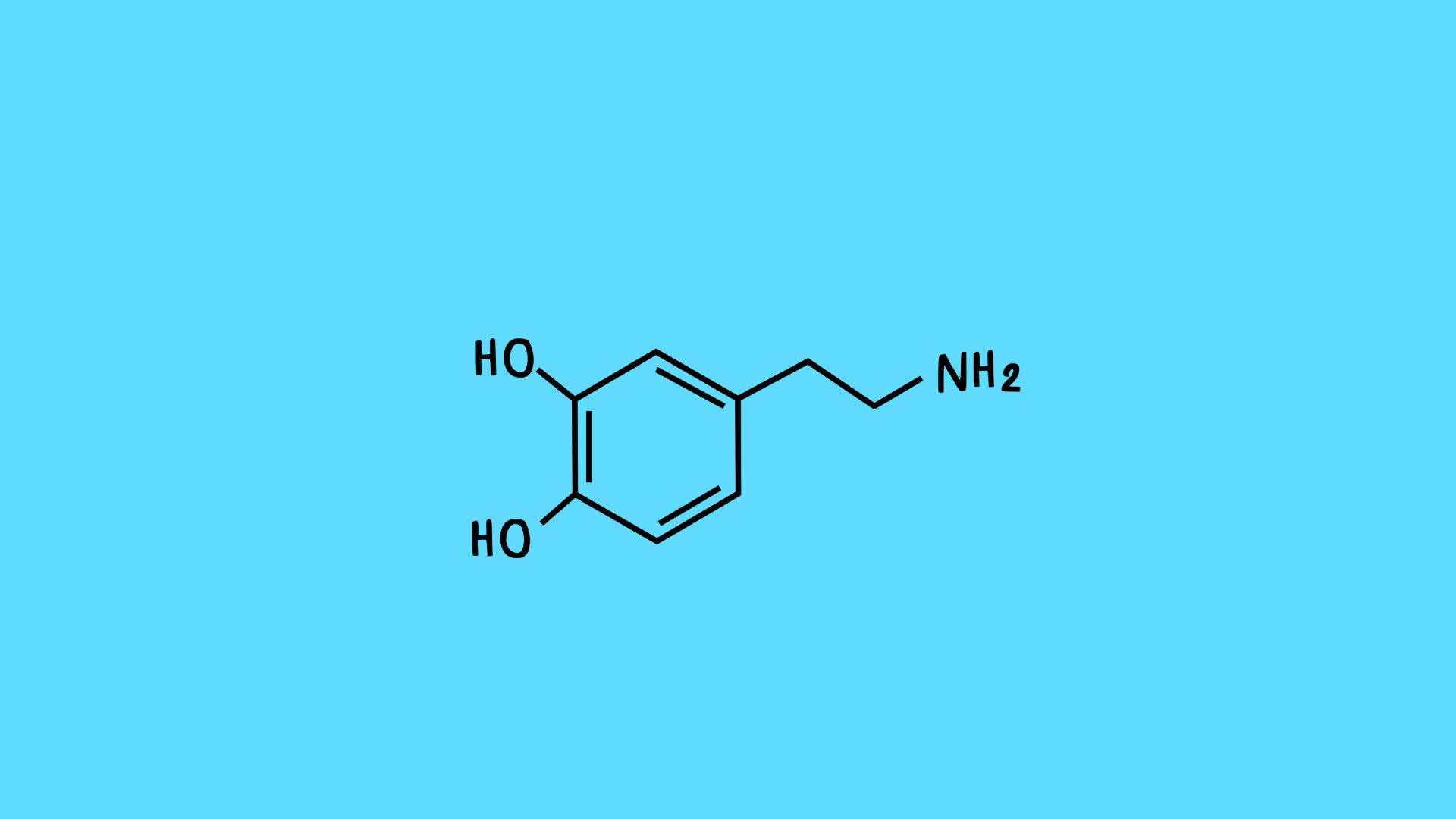
It's the dopamine.
Social media algorithms are designed to trigger the brain to release dopamine, a neurotransmitter linked to pleasure and reinforcement.
“An overload of dopamine is consistent with every form of addiction, whether it’s drugs, alcohol or gambling,” said Tom Kersting, a clinical psychotherapist.

“Essentially, what we have right now is an entire generation of kids who are walking around with an IV drip on wheels with never-ending dopamine.”
Tom Kersting


When people see
likes,
notifications,
or new content,
the brain releases
dopamine,
which in turn encourages them to stay on social media.
Kersting said evolution is at the root of this problem.


“Thousands of years ago, there was more scarcity than there is abundance. Back then, you had a hunt, you had to search. There was no immediate instant gratification,” he said.
“Right now, there’s abundance. You hit a button, you get whatever you want.”
Because of this shift, Kersting said, the brain relies on a process called homeostasis to maintain balance.
“You don’t want to get too much dopamine or too little. If you imagine a scale, both sides are even. Once you start getting too much, the scale gets tilted,” he said. “When you remove the stimuli — in this case, a device — what you have now is a withdrawal, a crash.”
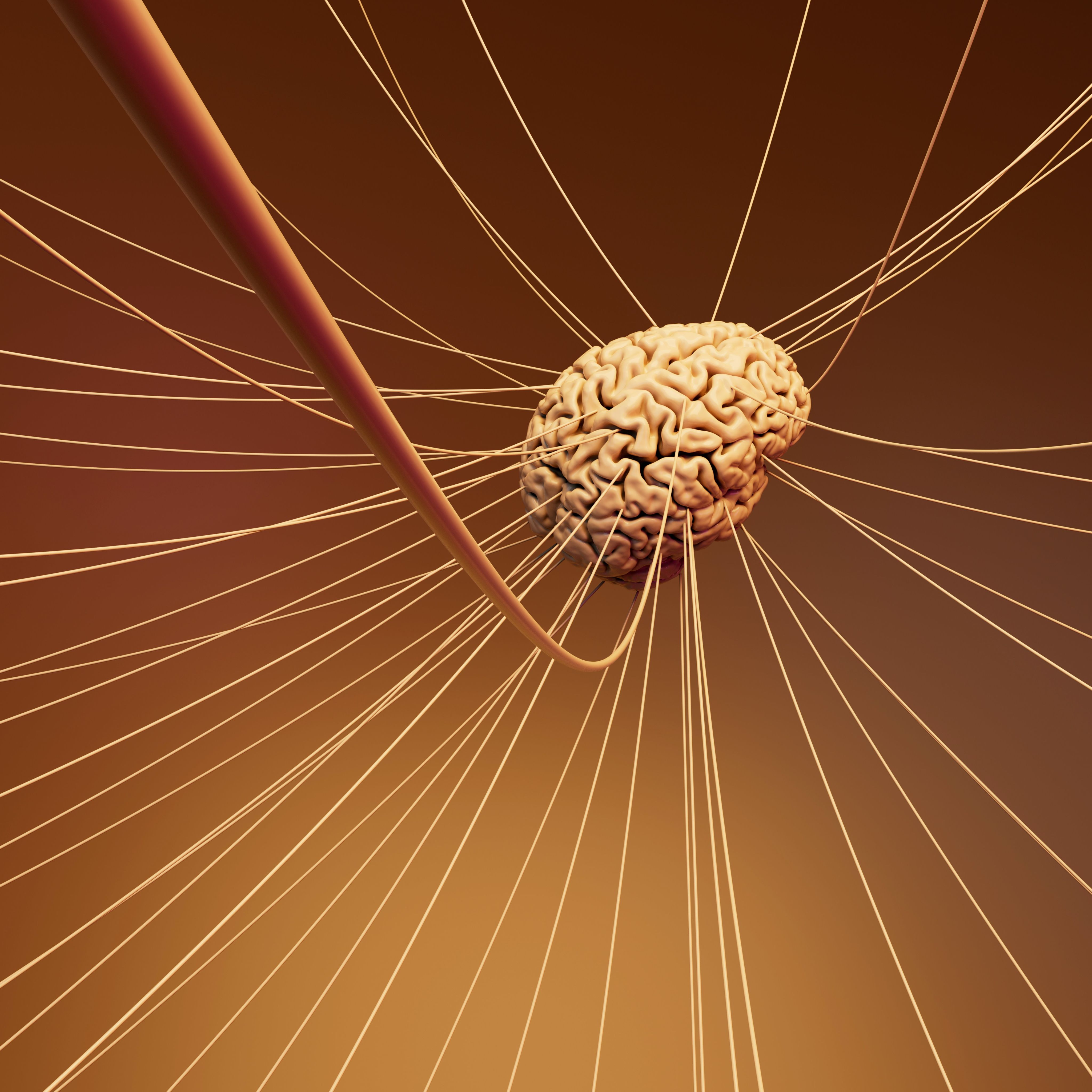
Kersting said prolonged social media use can actually rewire the brain over time through neuroplasticity.
“The brain is very malleable. We have these neural pathways that are like clay,” he said. “Any human brain that is engaged in anything highly stimulating for three or more hours per day on a consistent basis will grow new neural pathways to adapt and assimilate to that environment.”

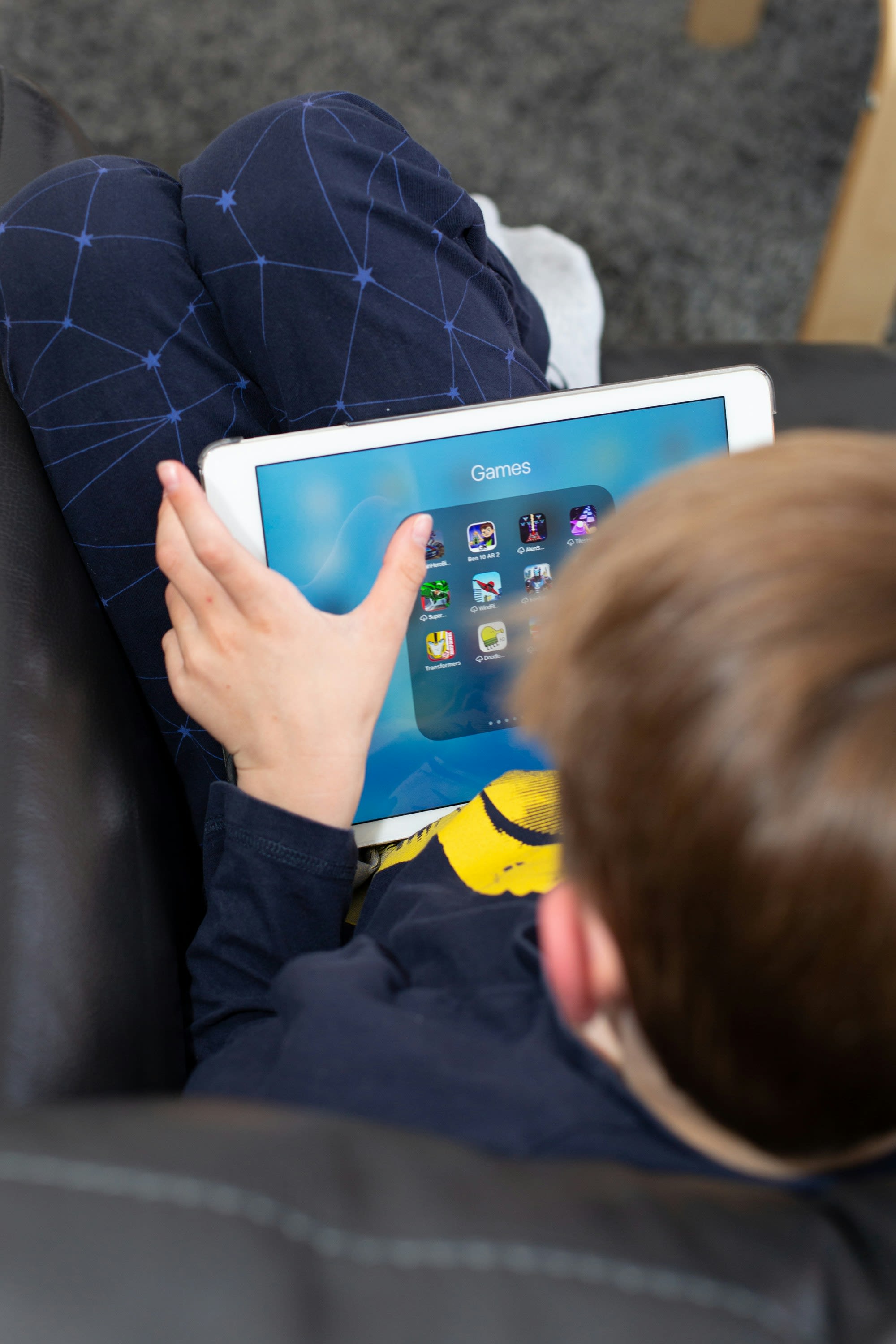
Instead of spending only three hours per day on devices, Kersting said that many children now are spending closer to seven hours — increasing the likelihood that their brains adapt to constant stimulation.
“There's something known as neural pruning. If there’s a pathway that is underutilized or not being utilized, like face to face interaction, for example, that pathway becomes weakened,” he said. “A whole generation is spending more hours per day than any other life activity — including sleep — hypnotized in front of a screen or a device.”

Social media and mental health

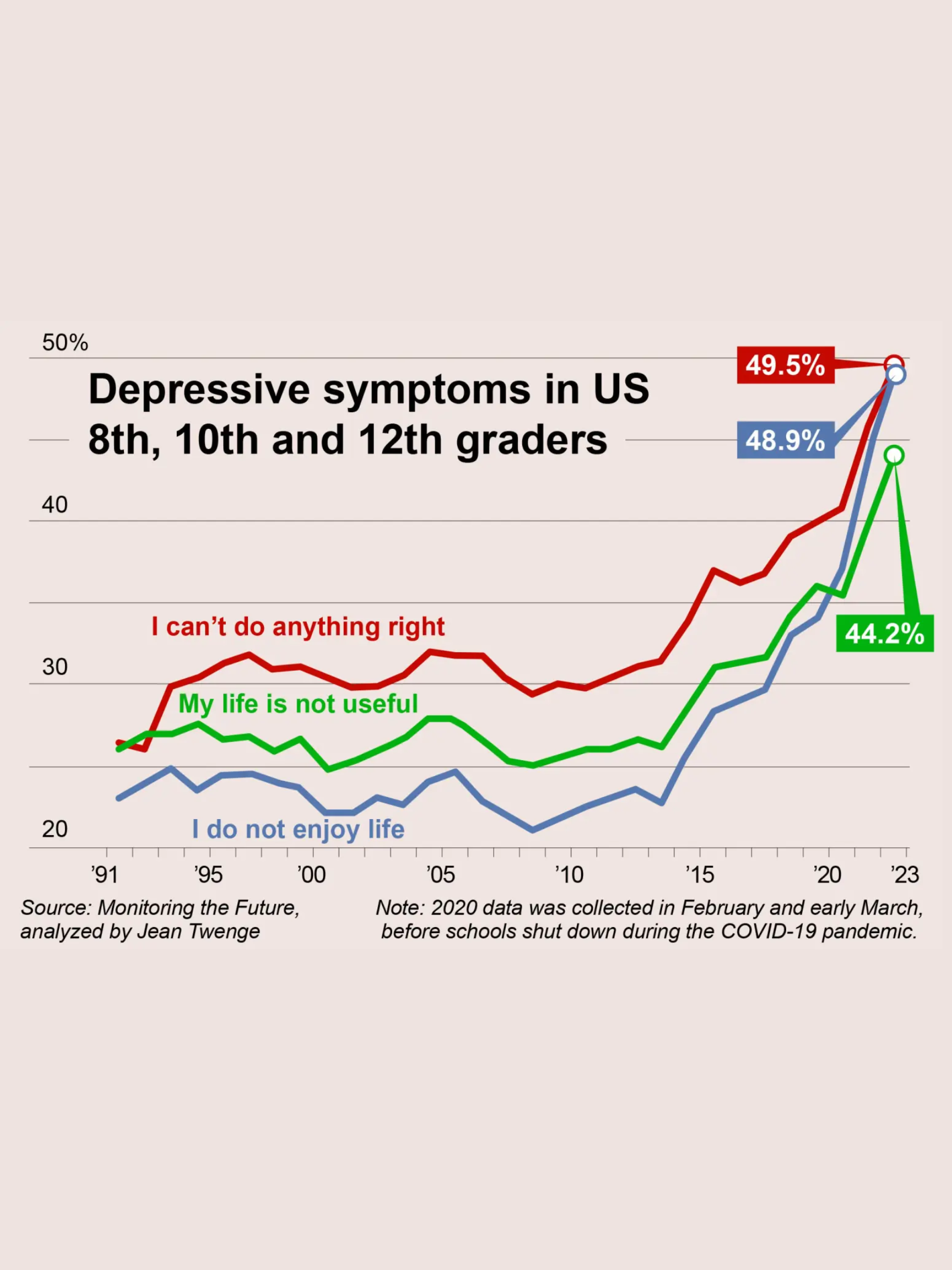
Before this century, there was a flat line of depressive symptoms among adolescents. That changed with the introduction of computers and the development of Web 2.0.
Not long after, social media platforms began to emerge.
launched in 2004 by Mark Zuckerberg to connect Harvard students with one another.
Twitter (now X)
followed in 2006 as a short-form messaging app.
launched in 2010, focusing on photo sharing and visual storytelling.
Snapchat
arrived in 2011, popularizing disappearing photos and spontaneous communication.
Then, 2012 hit — the year the smartphone became mainstream and social media could be accessed anytime, anywhere.

“Once we get to 2012, it’s like Mount Everest,” Kersting said. “The incidences just skyrocket, and haven’t stopped.”

According to PubMed, social media networks are strongly associated with anxiety, which goes hand in hand with depression.
Kersting argues that social media can heighten anxiety in adolescents by intensifying social comparison at an already vulnerable developmental stage.
He describes this pattern as “acquired anxiety disorder.”


“We give kids the modern day weapon of mass destruction, and now they find themselves sucked into the vortex of being friends with everybody,” Kersting said. “They get caught up in comparing oneself to others, to the point where the eventual mindset for a young, still developing brain is along the lines of this: everybody else’s life is so wonderful. My life really sucks.”
He described this as a “massive mental health epidemic,” arguing — based on anecdotal conversations — social media is the direct cause.
 Built with Shorthand