
The loaned look:
Inside the rise of fashion rental services

The balance between ever-changing fashion cycles and a student budget seems nearly impossible. Every formal, every tailgate, every weekend trip demands a fresh outfit. In a world saturated with digital documentation, the unspoken rule is simple: the outfit must change.
The financial and social pressure is the driver behind one of the most significant shifts in contemporary fashion consumption: the rapid rise of clothing rental services among college-aged women.
This phenomenon operates on two tracks. On one side are the polished corporate subscription services, led by giants like Nuuly and RentTheRunway. On the other is an organic, underground approach that thrives on peer-to-peer rental services on platforms like Instagram. Both channels provide affordable clothing rental options to the largely female Gen Z consumer.
Zoie Bravos, a junior fashion merchandising major, said she started renting to save money and avoid buying "formal outfits that I only wear once, like formal dresses to wear to sorority formals and other events."


Zoie Bravos at Stagecoach music festival in May 2025 wearing entirely rented outfit. (photo courtesy of Zoie Bravos)
Zoie Bravos at Stagecoach music festival in May 2025 wearing entirely rented outfit. (photo courtesy of Zoie Bravos)
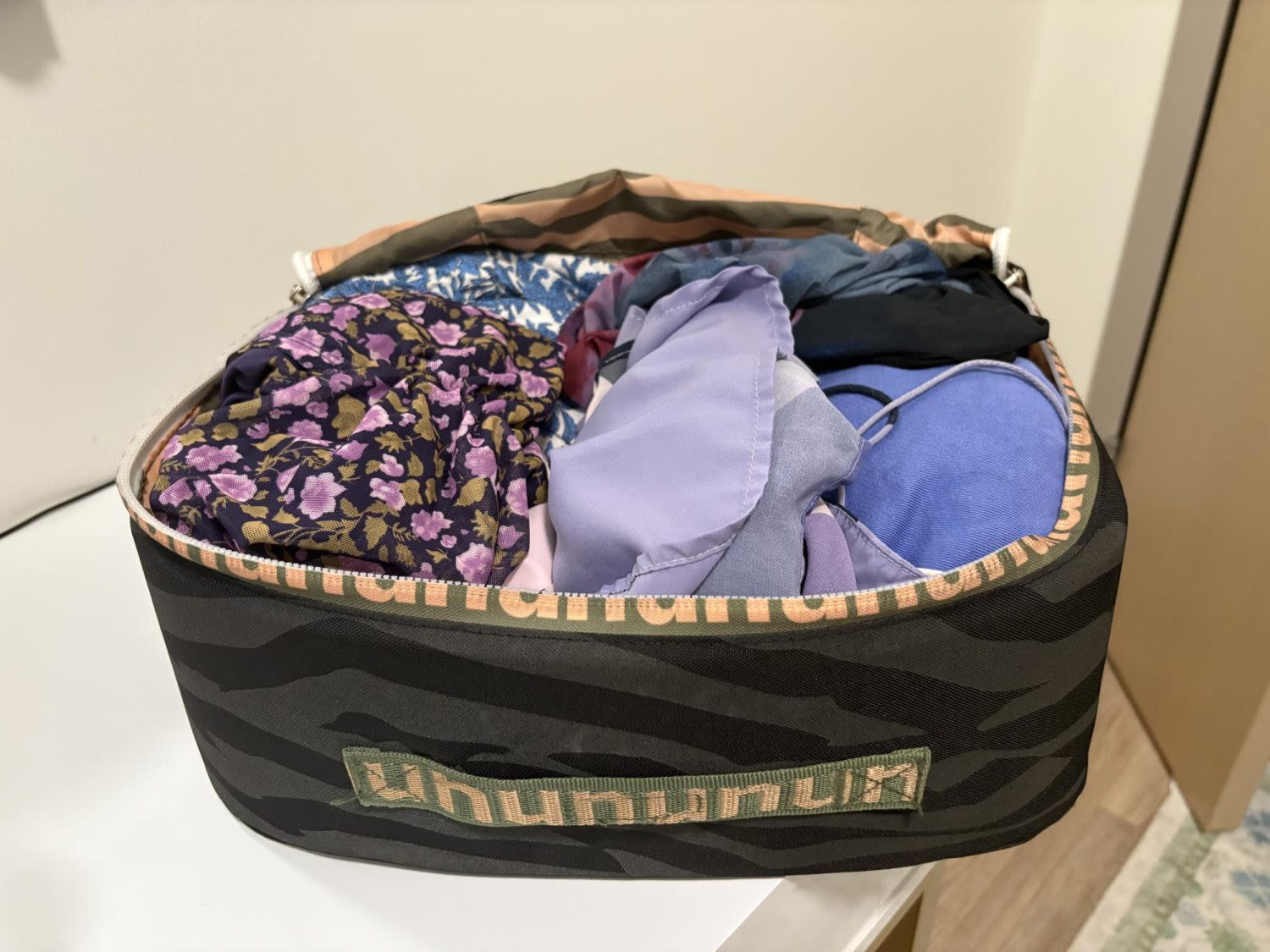
Bravos' adoption of the subscription model emerged for a music festival. "I ordered my first Nuuly package originally for Stagecoach, so I didn't have to buy a bunch of different festival outfits that I would never wear again," she said.


Zoie Bravos at Stagecoach music festival in May 2025 wearing entirely rented outfit. (photo courtesy of Zoie Bravos)
Zoie Bravos at Stagecoach music festival in May 2025 wearing entirely rented outfit. (photo courtesy of Zoie Bravos)
Fear of being the 'outfit repeater'
"I don't like being an outfit repeater that is photographed," she said.
The "outfit repeater" paradox is the fear of being seen in the same expensive garment twice on a public feed.
The corporate giants
Nuuly, owned by Urban Outfitters, Inc. (URBN), has capitalized on this desire for originality. Since its launch in 2019, the brand has had explosive growth. The global apparel rental market was valued at $6.2 billion in 2023 and is projected to outpace the traditional apparel market's growth.
Nuuly itself is now a primary driver, with the URBN subscription segment reporting a 56.8% increase in net sales for the fiscal year ending January 31, 2025. Nuuly surpassed 380,000 active subscribers by May 2025. The user experience is designed to be seamless, offering easily searchable categories for formal wear, professional attire, casual apparel, and more. Renting has become an easy substitute for traditional, expensive shopping.

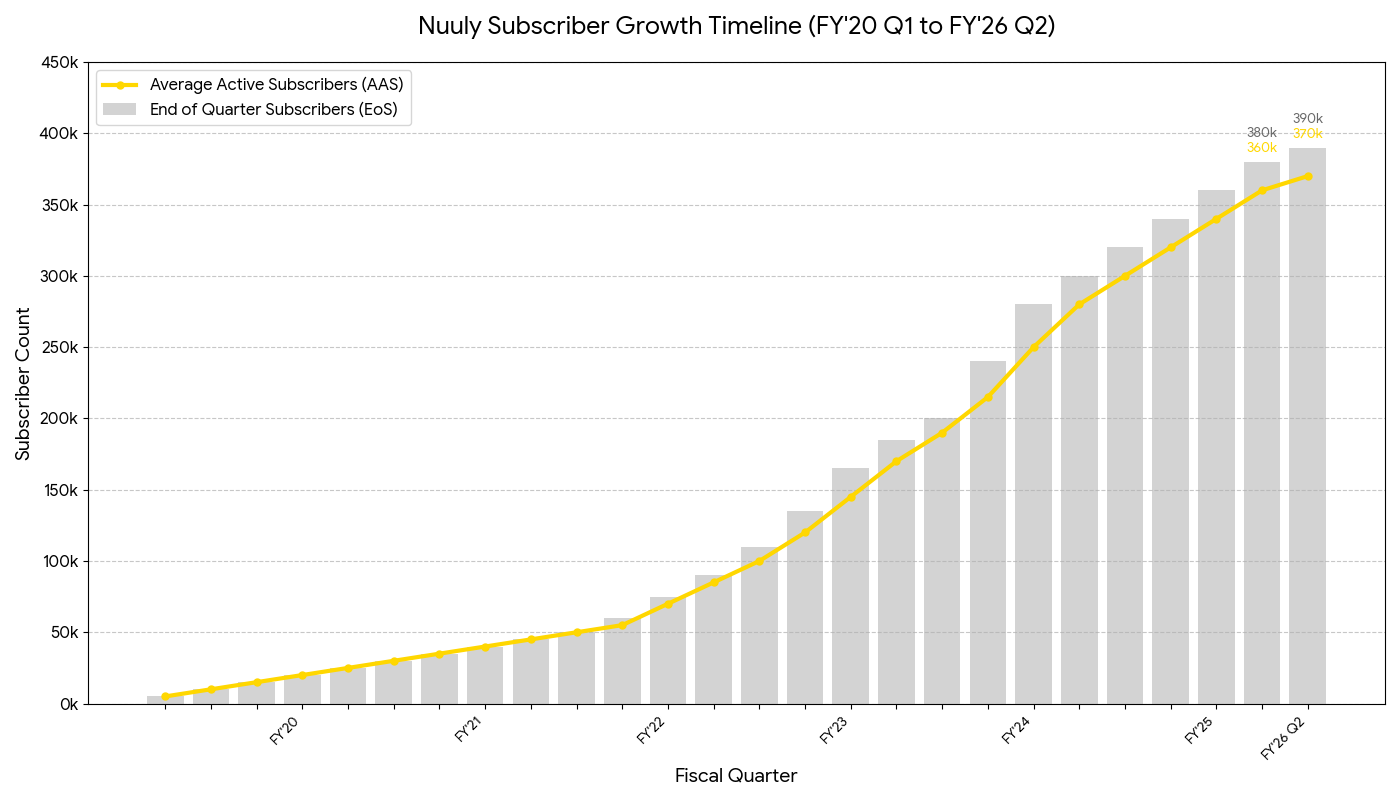
Nuuly's growth in revenue and subscribers. (Jillie Yager)
Nuuly's growth in revenue and subscribers. (Jillie Yager)

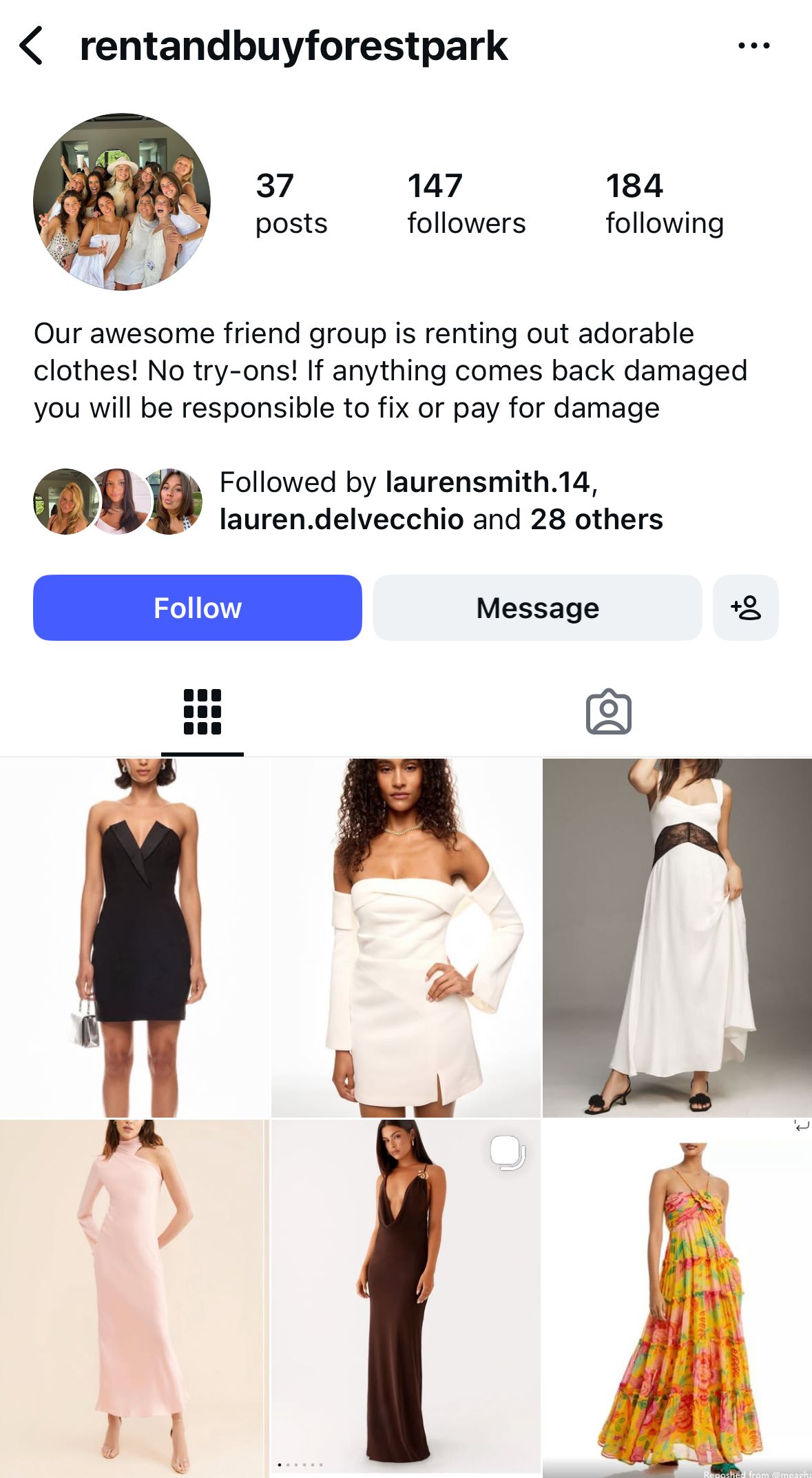
Instagram page used to sell clothing. (photo courtesy of Gretchen Burgess)
Instagram page used to sell clothing. (photo courtesy of Gretchen Burgess)
Peer-to-peer
In contrast to the professionally curated warehouse model, the peer-to-peer rental model has emerged within college communities, represented in part through junior nursing major Gretchen Burgess.
Burgess’s rental journey began organically about a year and a half ago when she realized that her existing closet could be an asset.
"I originally decided to rent my clothes on Instagram because I realized I had a bunch of pieces, especially going-out outfits and formalwear, that I only wore once or twice," she said.
Her friends and classmates would frequently ask her about her style, so converting her wardrobe into a side hustle “just made sense."
Geography dictates the success of the peer-to-peer model, which relies on college campuses and close-knit local communities like sororities or residence halls.

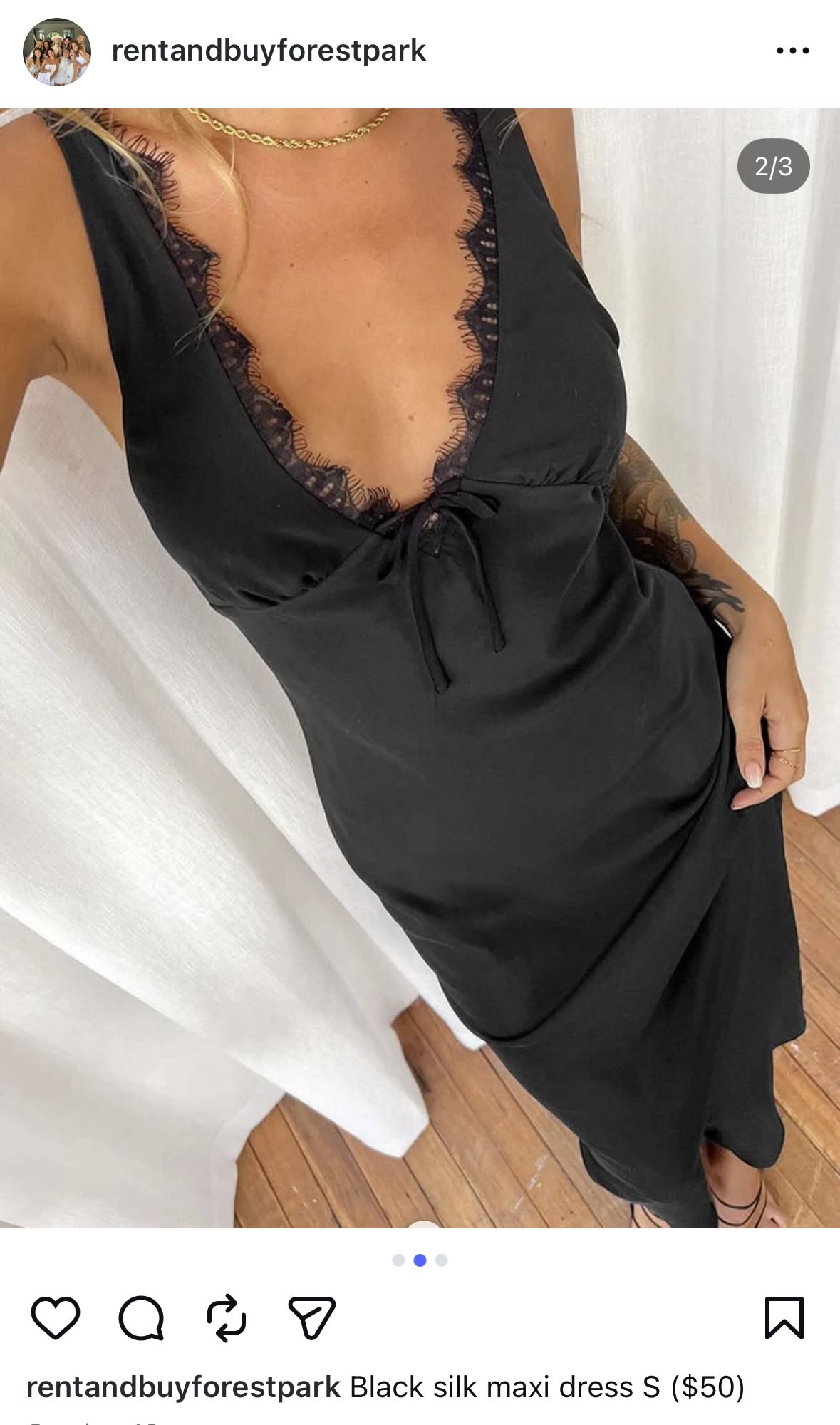



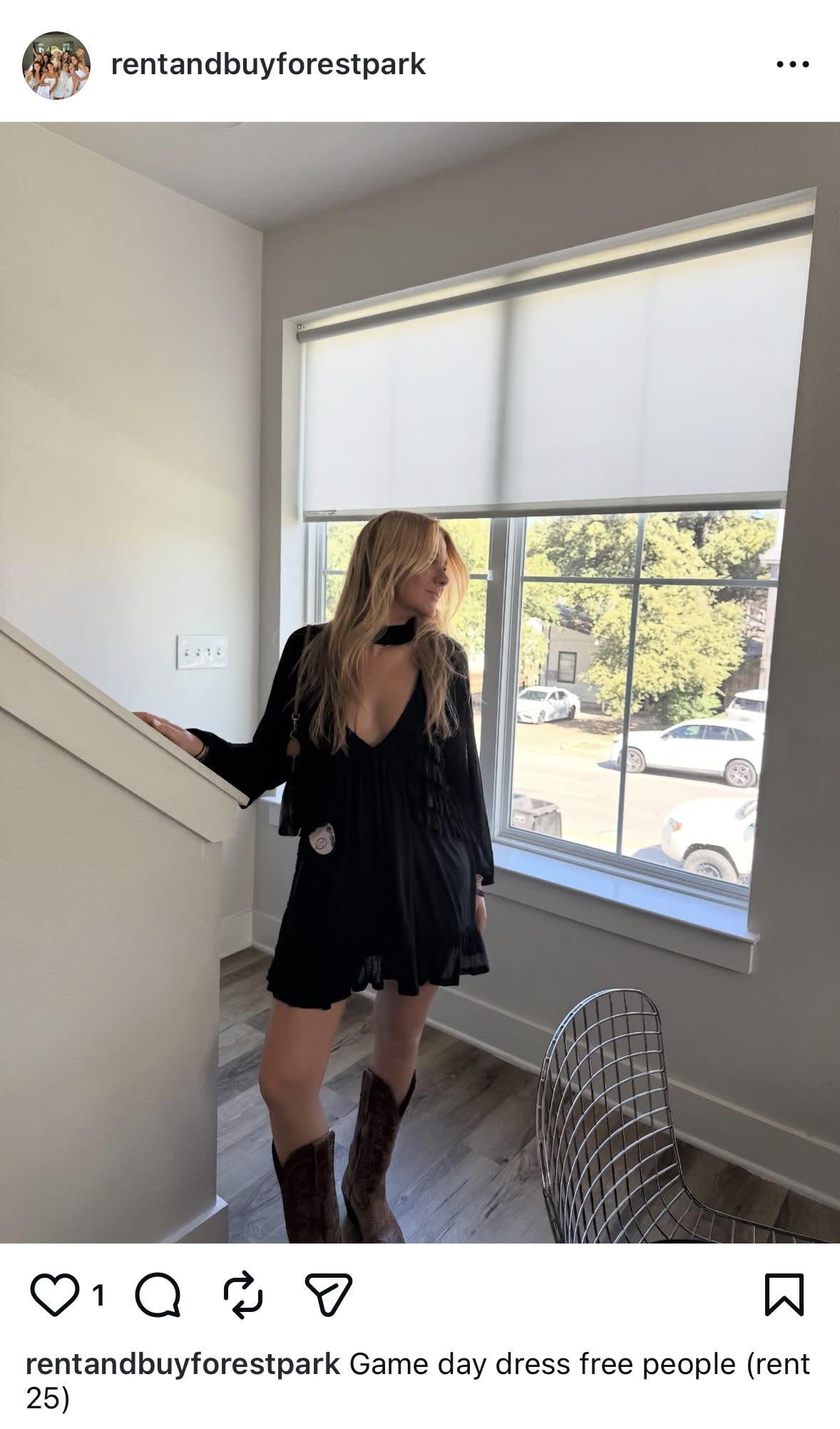
This local hustle has become a reliable side income, often with rentals weekly and spiking during key periods like football and sorority formal seasons. Her inventory is listed through an Instagram account she created specifically for rentals.
Burgess prices items based on their original cost and condition. Tops might rent for $15–$40, while formal dresses can range from $30–$75. Burgess says she contacts the person interested through direct message on Instagram and relies on Cash App and Venmo for ease of transaction.
Renting has significantly changed Gretchen’s own buying habits. She estimates she now only purchases between five and 10 new items per semester, primarily "basics or things I know I’ll wear a ton."
She also said that the service has successfully curtailed impulse shopping. While she occasionally uses commercial rental sites for personal needs, she prefers renting out her own wardrobe.
Sustainability
While the primary driver is the financial benefit, Lauren Delvecchio, junior fashion merchandising student and peer-to-peer renter, acknowledges that sustainability is a growing factor.
"I wouldn’t say it was the only reason I started, but the more I rent my own clothing and rent from others, the more I’ve realized how much less I was spending on fast fashion," Delvecchio said.
“I used to spend hundreds of dollars a month at stores like Zara, but now that I can rent from my friends, and they rent from me, I don’t have the guilt of contributing to massive fast fashion brands.”
Stephanie Bailey, senior fashion merchandising instructor and sustainability expert, says that rental services are a significant step in the right direction, but they are not a perfect solution to fashion waste.
“Rental services operate on the principle of circularity, which is fundamentally more sustainable than ‘normal’ shopping,” Bailey said. “The main environmental benefit is the extended life of a garment. By keeping one dress or jacket in circulation for dozens of wears over several years, rental businesses displace the need for new production.”
Rent the Runway, for instance, has claimed to have displaced the need for apparel production by over a million new garments.
Bailey also said renting could decrease carbon emissions that come from large shipments of clothes straight from the warehouse.
The rise of clothing rental services among college-aged women is more than a trend, but a change in the fashion industry. Driven by Gen Z social pressures, social media presence, financial realities and a growing commitment to sustainability, the rental model has created a new culture of consumption. Instead of acquiring more, these services assure that the perfect outfit is just one rental away.
 Built with Shorthand