
The Coverage of Women's Sports in TCU Media
Shedding light on the growth of female athletics.

A Deep Dive into Progress & Challenges
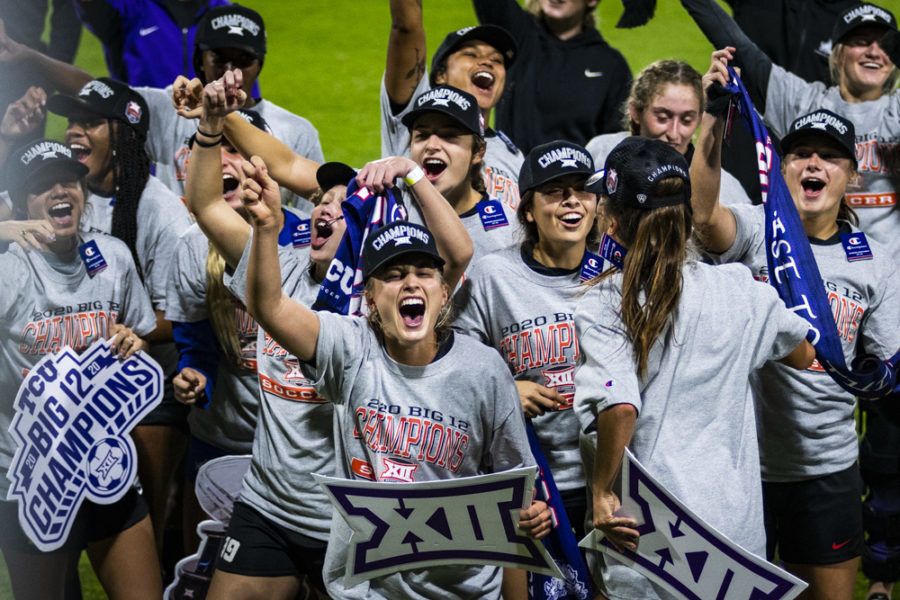
Women’s sports are enjoying a historic moment at TCU. With national championship-winning teams, record-setting athletes, and a growing cultural shift in college athletics, it’s no surprise that women’s sports are steadily gaining prominence. However, a survey of 88 TCU students revealed significant disparities: 100% of respondents believe that TCU's male sports are covered more than TCU's female sports, and 75% stated that women’s sports coverage on campus could "be a lot better."
Using insights from athlete interviews, research from campus media, and analysis of national trends, this study reveals that while TCU has made strides in elevating women’s sports coverage, there is still room for improvement.


The Current Landscape of Women’s Sports at TCU
TCU’s women’s sports teams are not just competing—they’re excelling. Recent headlines from TCU360 and The Skiff highlight this success:
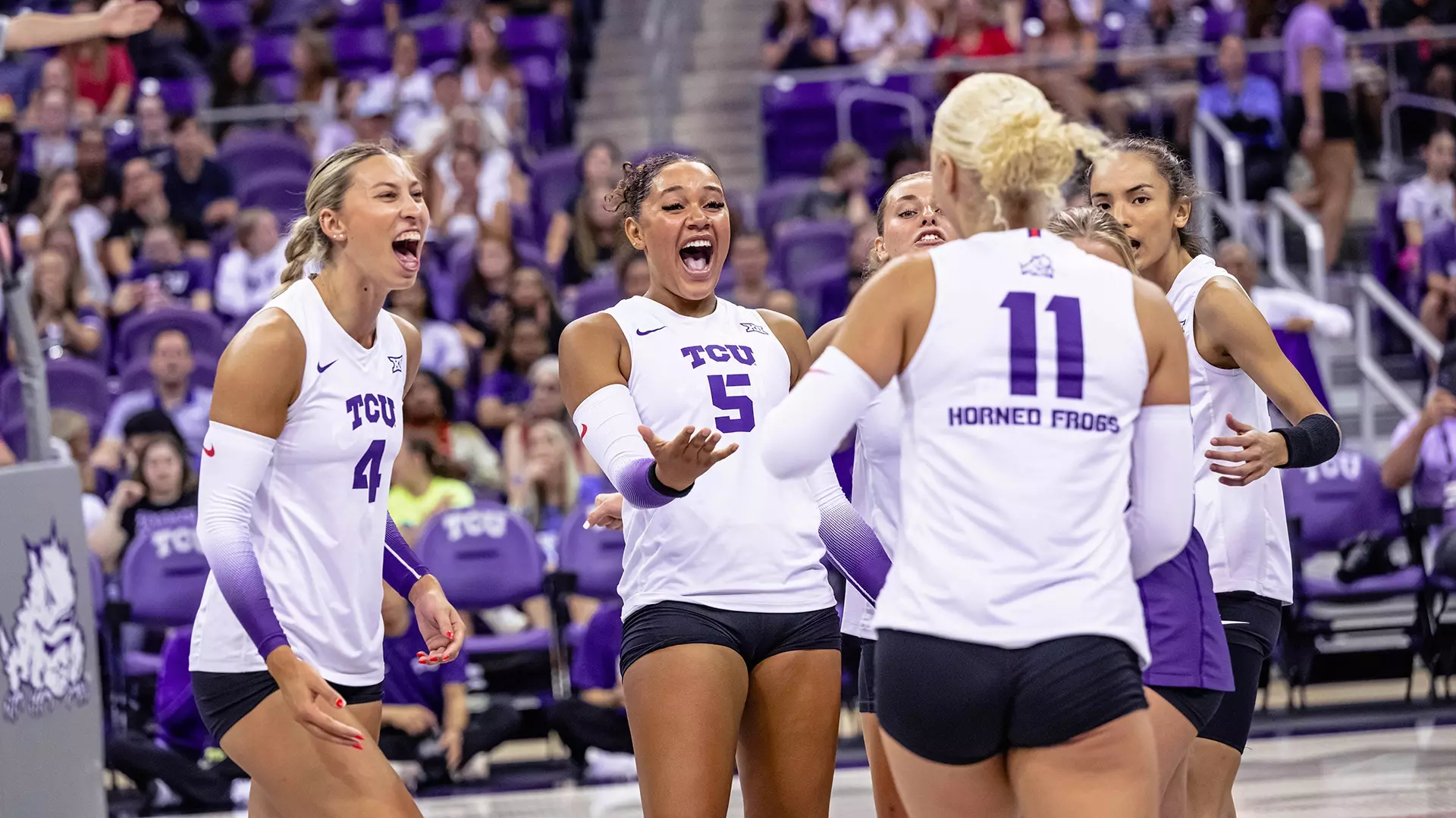
Volleyball: The team earned a national ranking for the first time in program history in September 2024, underscoring their growing competitiveness.
Soccer: Ranked No. 5 nationally, TCU soccer secured a spot in the 2024 NCAA tournament, continuing their streak of impressive performances.
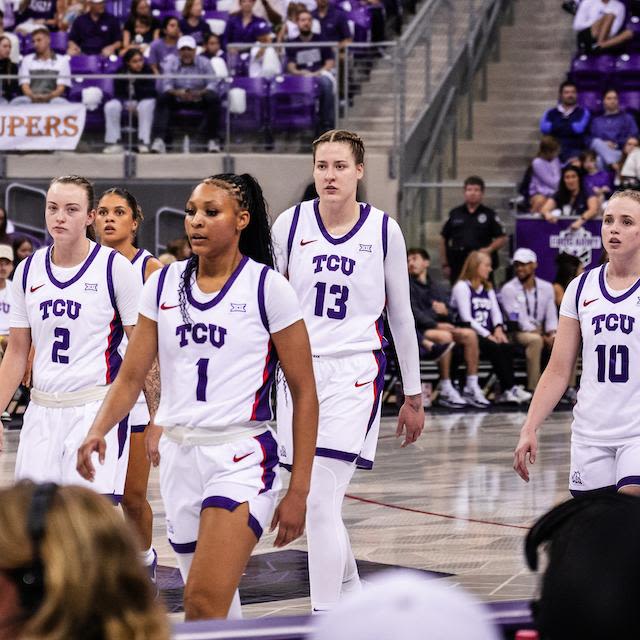
Basketball: The women’s basketball team has seen breakout success, scoring their first 100-point game since 2017 and upsetting No. 3 Notre Dame in the Cayman Islands Classic.
Golf: TCU sophomore standout Macie Grant was named Big 12 Golfer of the Month (November), reflecting the individual talent emerging from the program.
These achievements, coupled with coverage in outlets like The Skiff’s recent headline, “Women’s Sports Dominate,” indicate progress in media representation. However, as the survey results and interviews reveal, this coverage remains inconsistent, especially compared to men’s sports.
National Trends & NIL’s Impact on Women’s Sports
TCU’s challenges reflect broader trends in college athletics. Nationally, women’s sports are experiencing a surge in popularity and revenue potential. According to CNBC, women’s sports are projected to generate over $1 billion in revenue in 2024, driven by growing fan interest and increased sponsorship investments.
The introduction of Name, Image, and Likeness (NIL) opportunities has further propelled women’s sports into the spotlight. Female athletes, who accounted for 52% of NIL deals in the 2023–24 season, are leveraging these opportunities to grow their brands and validate their dedication to their sports.
Hailey Van Lith
Transferring to TCU after three seasons at Louisville and on at LSU, Van Lith brings a high-profile presence, with an estimated NIL valuation of $779,000.
Sedona Prince
With a valuation of $321,000, Prince has become a vocal advocate for gender equity in sports and a leader in the NIL space.
The success of athletes like Van Lith and Prince amplifies the importance of media coverage, as their stories resonate beyond sports, inspiring future athletes and bringing positive attention to TCU’s programs.
Progress in Media Coverage
TCU media outlets have made noticeable strides in covering women’s sports. Publications such as TCU360 and The Skiff have increased their reporting on women’s athletic achievements, with headlines celebrating recent milestones.
“Volleyball Ranked for the First Time in Program History” - GoFrogs.com, Sep. 9, 2024
“No. 5 TCU Soccer Earns a Spot in the 2024 NCAA Tournament” - TCU360, Nov. 12, 2024
“Women’s Sports Dominate” - The Skiff, Nov. 21, 2024
Social media platforms have also become instrumental in promoting women’s sports. TCU Athletics’ Twitter and Instagram accounts frequently highlight game results and player achievements. For example, the volleyball team’s national ranking received significant attention on social media, bringing well-deserved recognition to the program.
However, the consistency and creativity of this coverage still fall short. As athletes such as Katie Zaun and Hallie First point out in interviews, much of the media attention is reactive rather than proactive, with few real-time updates or dynamic content like hype videos.
Challenges and Opportunities
Sustained Visibility
The lack of consistent media attention remains a primary challenge. While men’s sports like football and basketball benefit from extensive coverage year-round, women’s sports often receive attention only during high-profile events.
Fan Engagement
Athletes emphasized the importance of fostering fan engagement through promotional campaigns and event-driven initiatives. Creating a tailgate culture or hosting themed events could boost attendance and visibility for women’s games.
Creative Content
Expanding the types of content produced for women’s sports, such as athlete profiles, behind-the-scenes features, and real-time game updates, could help bridge the visibility gap.



Athlete Perspective: The Need for Consistent Media Attraction
Katie Zaun – TCU Rifle
Katie Zaun, a member of TCU’s championship-winning rifle team, emphasized the need for more consistent media coverage. Despite their national titles, the rifle team often struggles for visibility. “It’s frustrating when our success doesn’t get the same spotlight,” Zaun explained, highlighting how the media coverage tends to spike only during major events like the NCAA championships.
Zaun suggested that showcasing athletes' personalities through creative content, such as behind-the-scenes footage or interviews, could bridge this gap. “We have so many different personalities on our team, and it would be nice to capture that,” she said.
Hallie First – TCU Beach Volleyball
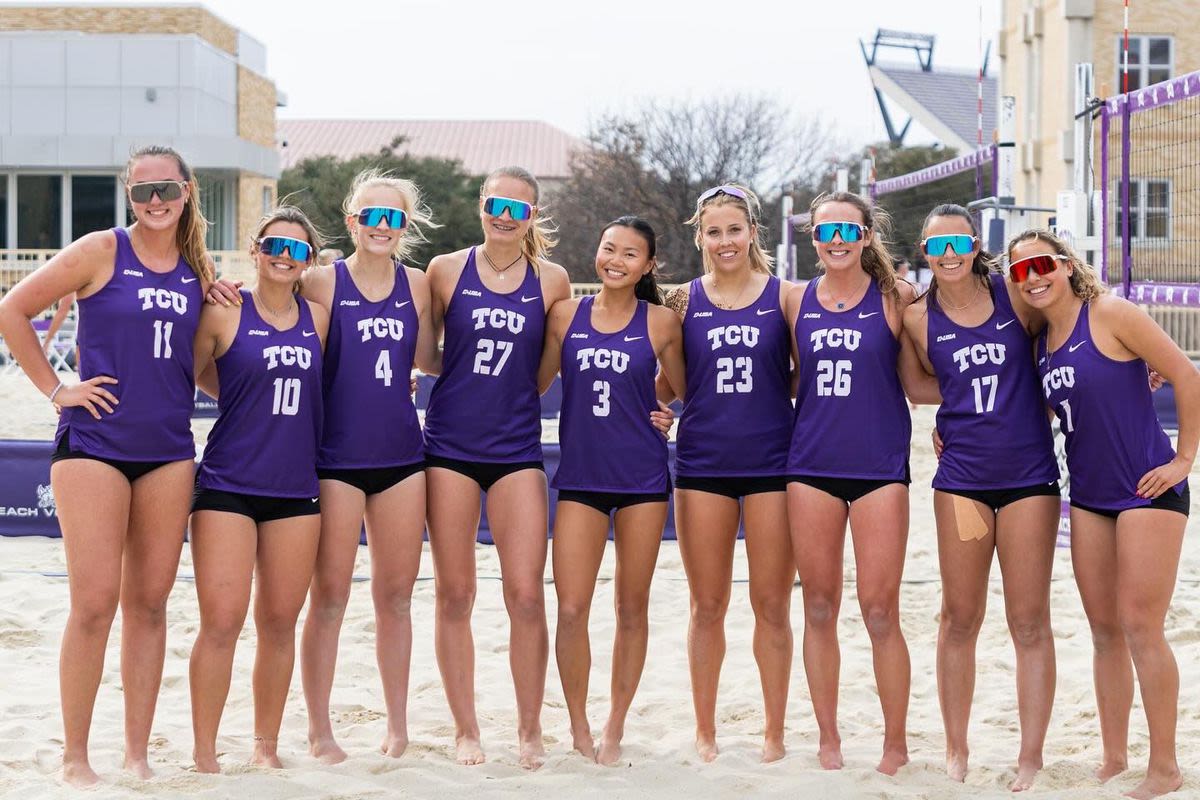
Beach volleyball athlete Hallie First echoed similar statements, noting that even when her team performs well, their achievements often go unnoticed. “It’s more just that our sport is not in the spotlight,” she shared.
First emphasized the need for proactive promotional efforts, including real-time updates and hype videos, to build interest in beach volleyball. She also advocated for event-driven engagement, suggesting that creating a tailgate culture around beach volleyball matches could draw more fans.
Building a Stronger Media Presence
Women’s sports at TCU are thriving, with programs achieving historic milestones and athletes breaking barriers both on and off the field. However, as the survey results and athlete interviews reveal, media coverage still lags behind the achievements of these teams.
Campus media has a vital role to play in changing this narrative. By providing consistent, engaging, and creative coverage, TCU can ensure that women’s sports receive the recognition they deserve. Efforts like real-time updates, athlete spotlights, and event-driven promotions could transform the way TCU celebrates its female athletes.
As women’s sports continue to grow in success and popularity, the question is no longer whether they deserve coverage but how TCU media can rise to the occasion. For athletes like Katie Zaun and Hallie First, the answer lies in creating a culture where women’s sports are celebrated just as passionately as men’s. TCU has taken important steps in this direction—but there is still more work to be done.
 Built with Shorthand