
The Child Within
Purpose isn't lost - it's silenced beneath the noise we've learned to obey
By Alexandria Salinas



As children, we instinctively knew what we liked and didn’t like. Some of us danced without shame, scribbled stories in the margins of notebooks or took things apart just to put them back together. We weren’t chasing likes or salary brackets—we were simply drawn to what felt natural.
But somewhere along the way, that inner compass faded. For many, adulthood means drifting from task to task, chasing validation or trading joy for stability. In a culture obsessed with status and performance, people often silence their innate gifts in exchange for approval.
Challenging the belief that following your purpose is a luxury—it is, in truth, a responsibility grounded in both personal and societal well-being.
Everyone has a primal inclination—the skills and interests that show up early and point toward a life’s task. Fully committing to that path and striving toward mastery leads not just to personal fulfillment but contributes to a thriving, diverse world.
In a human ecosystem, individuality isn’t indulgent. It’s essential.
The Case for Purpose
What if the thing you were meant to do has been with you all along?
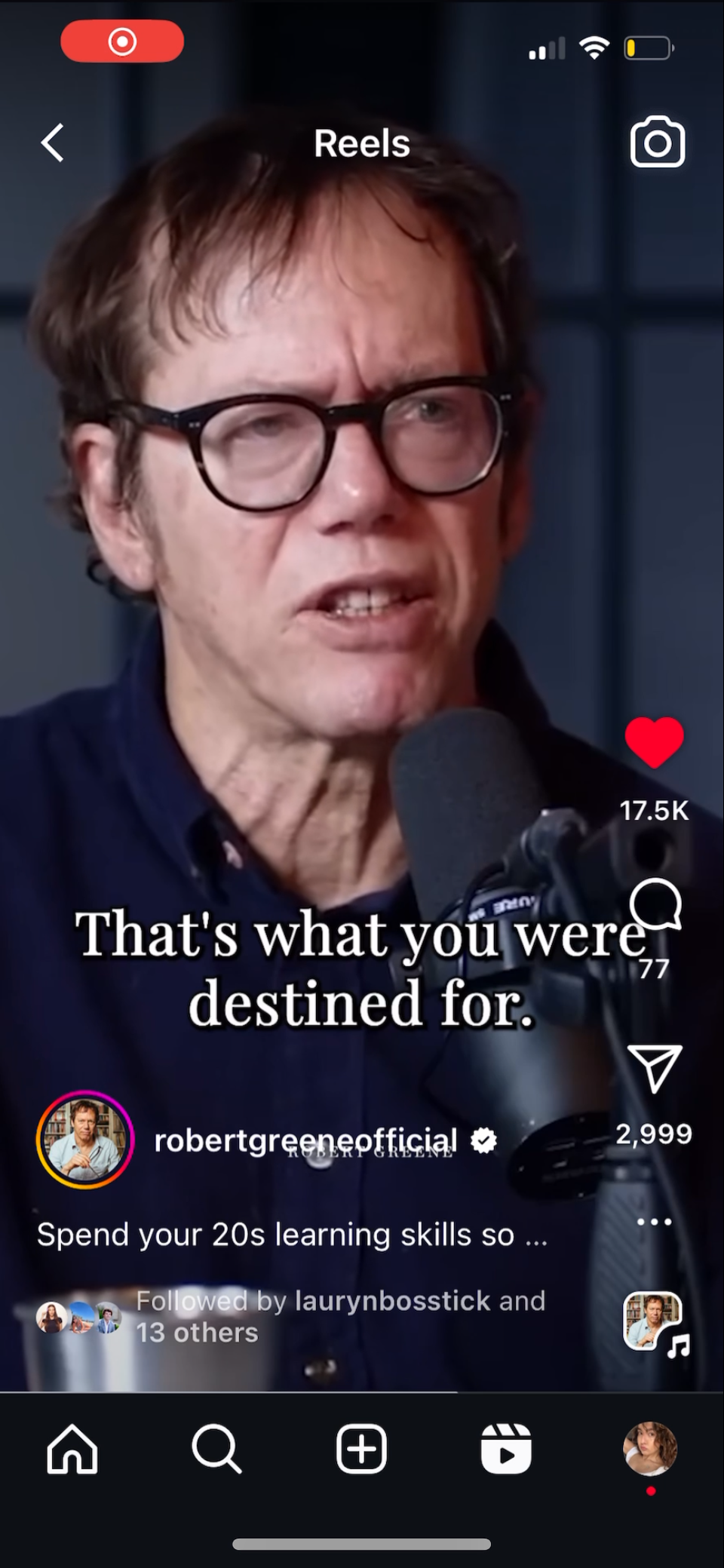
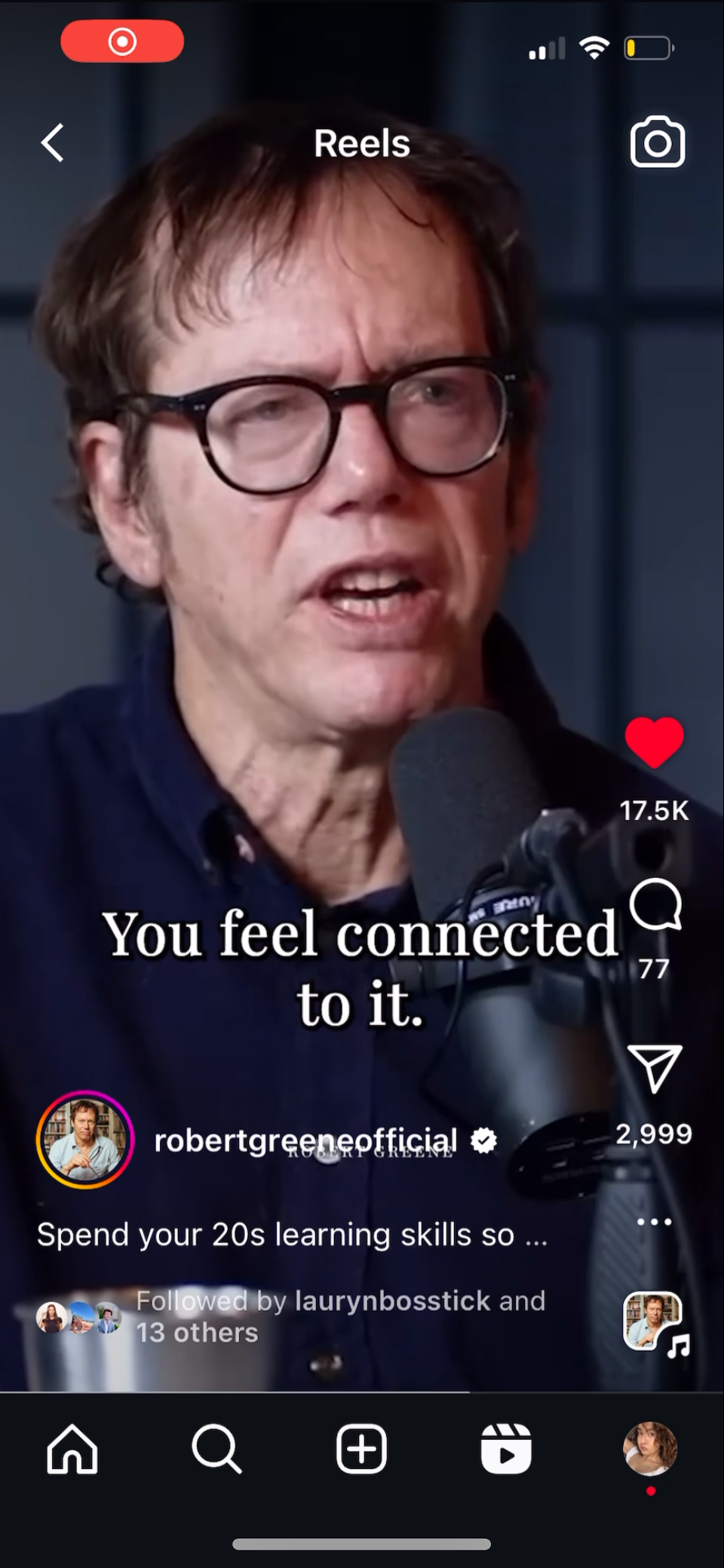
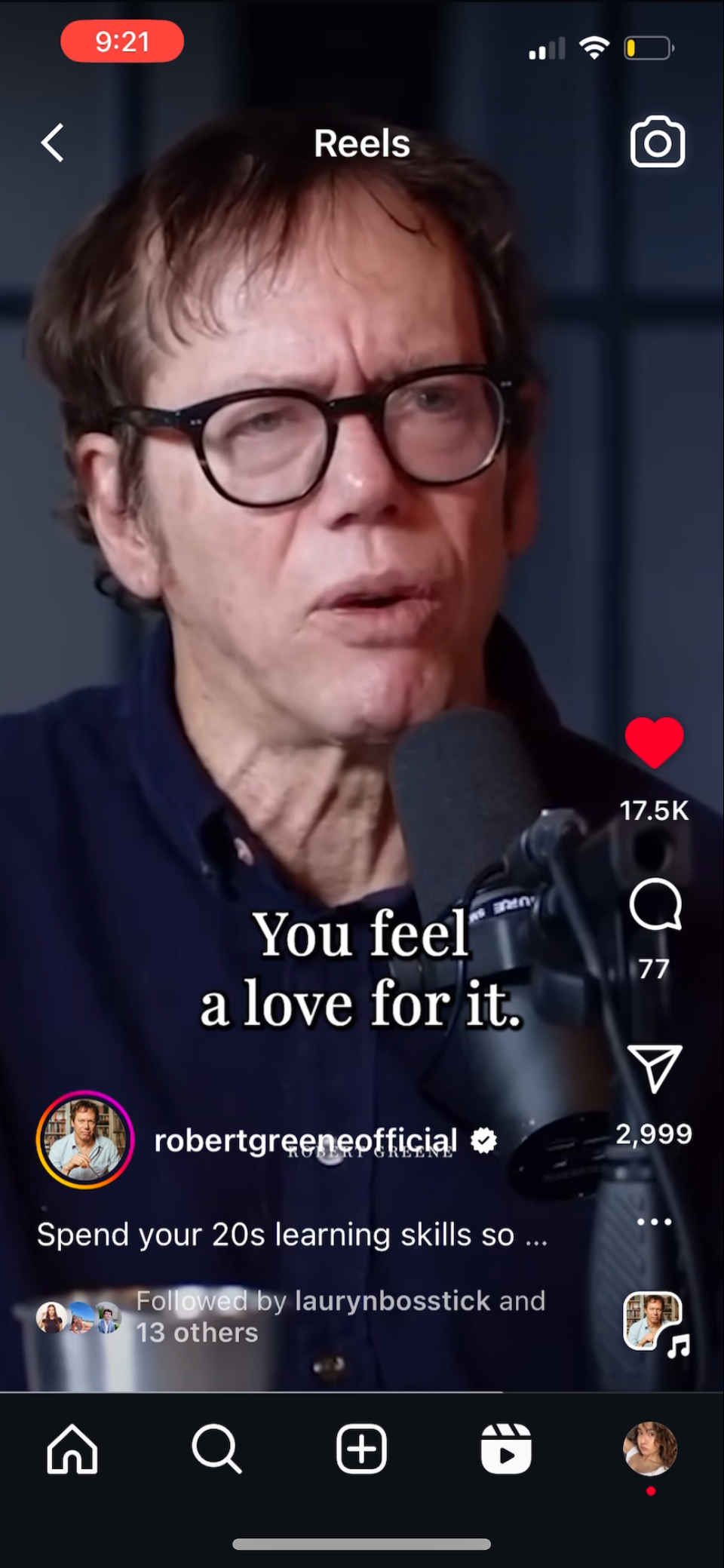
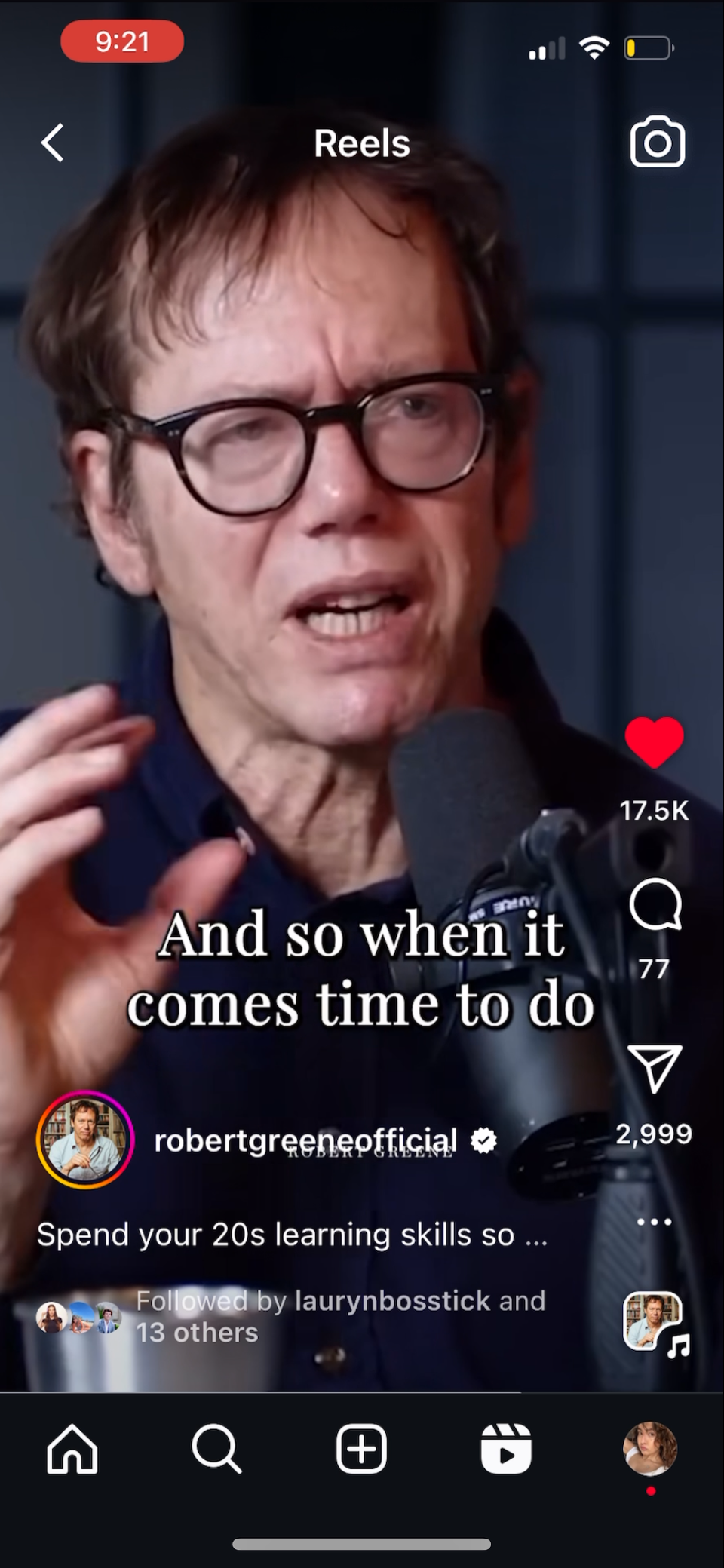
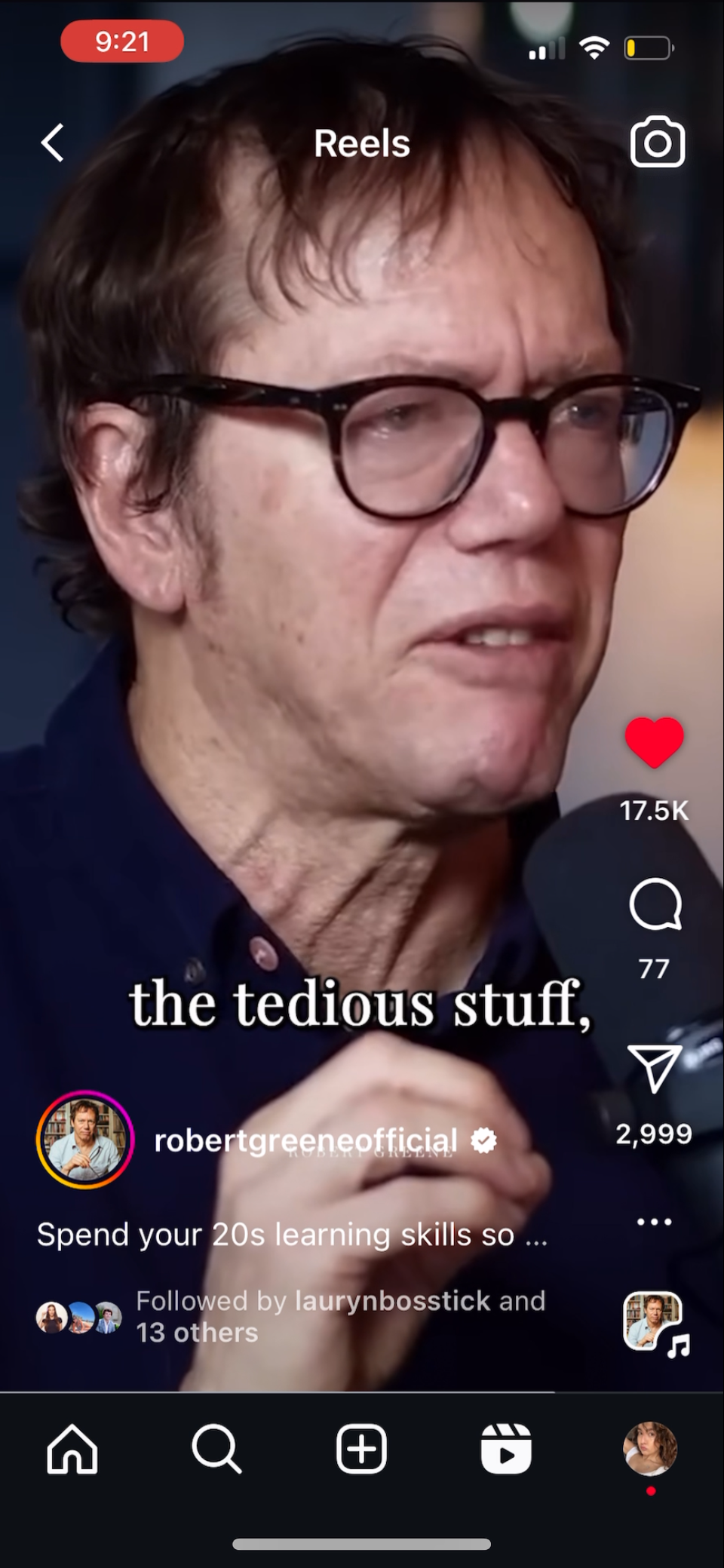
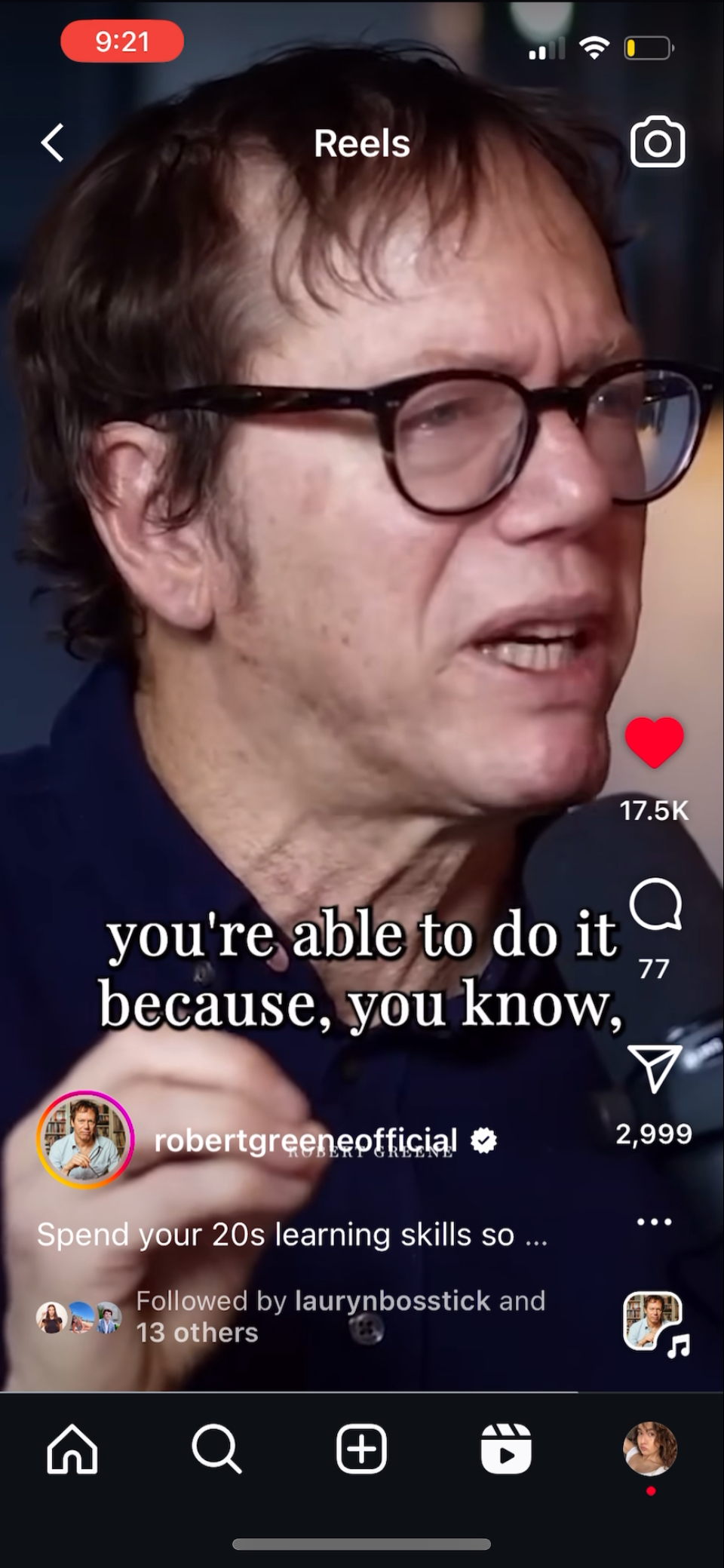
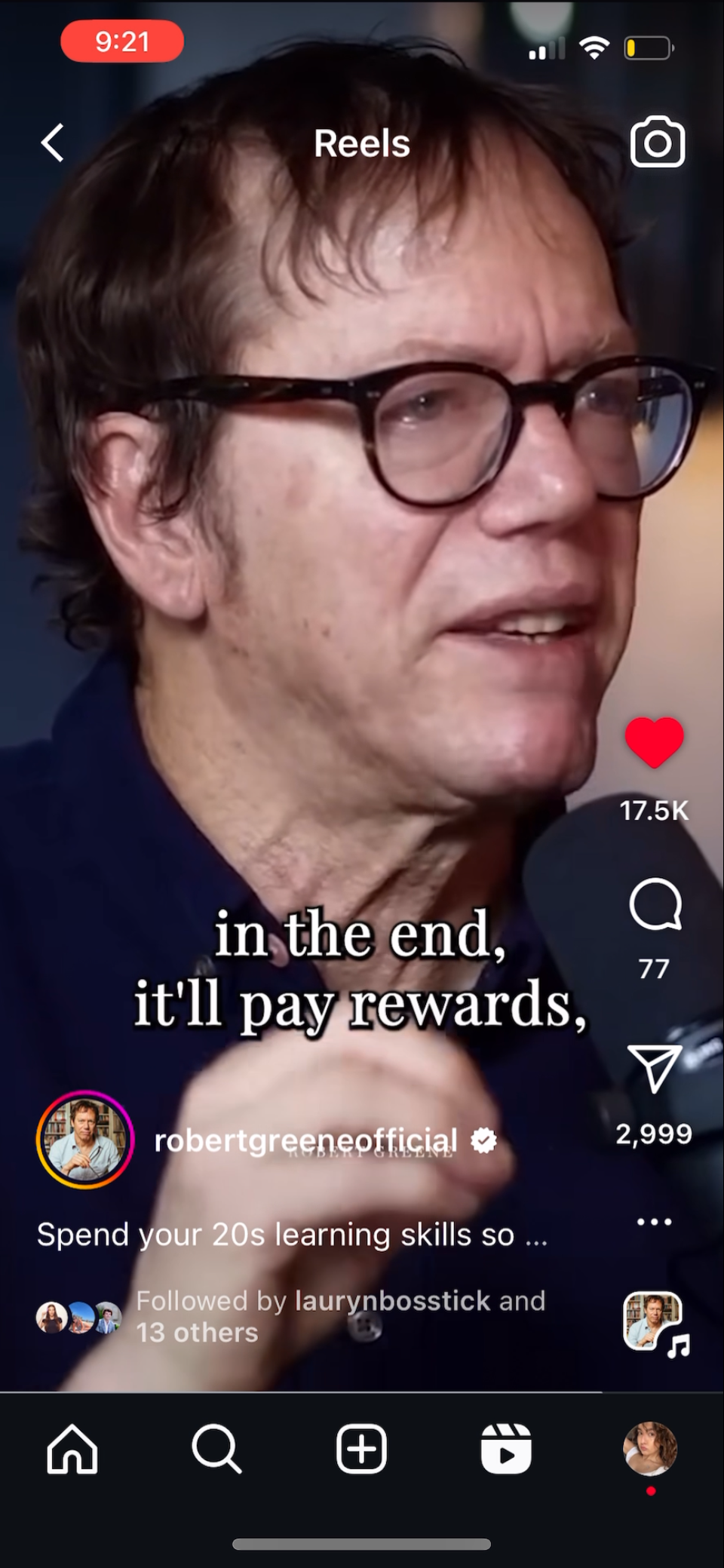
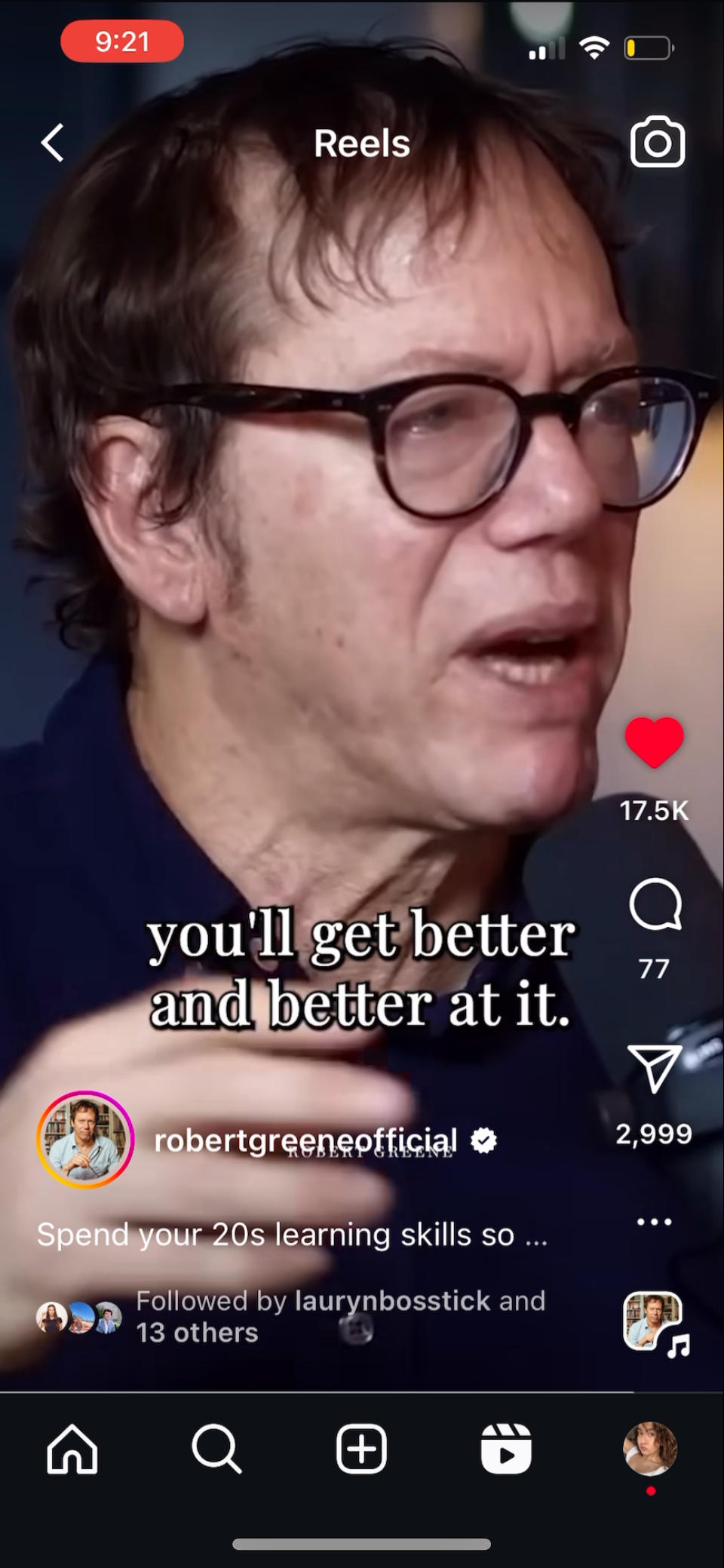
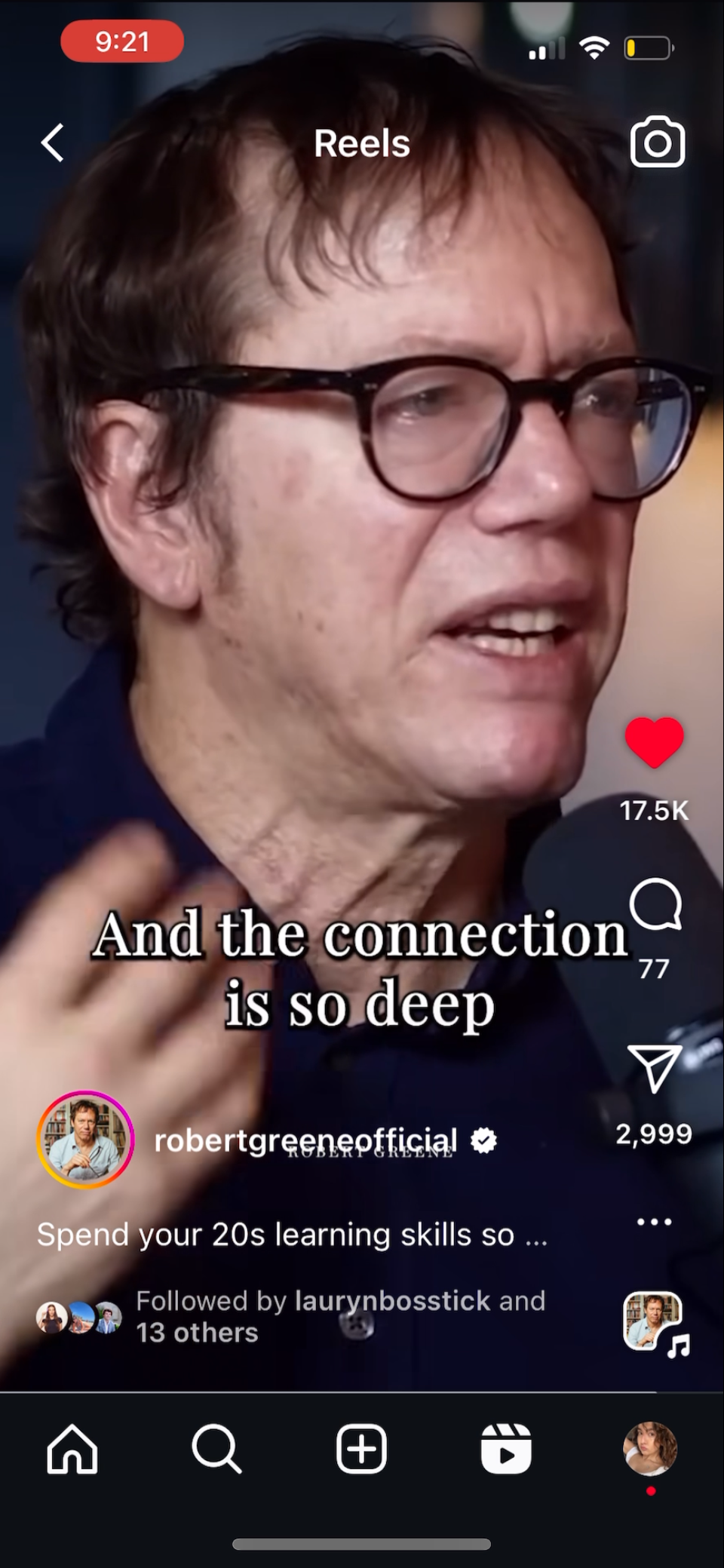
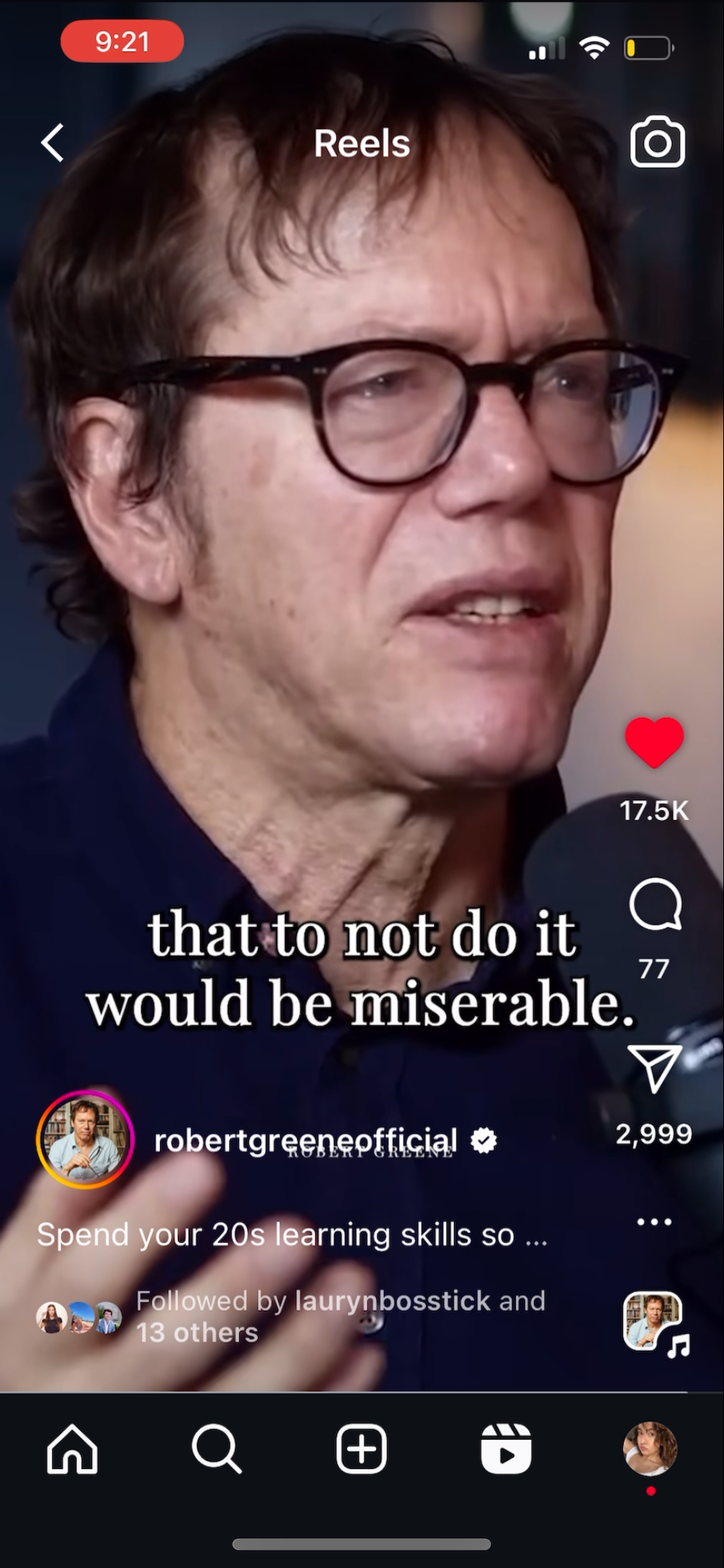
Robert Greene, in his book Mastery, calls this the primal inclination—an inner pull toward certain tasks, ideas or forms of expression that emerges in childhood and often resurfaces throughout life. These aren’t passing interests. They’re the signals of something deeper: the life you were built to live.
Psychology supports this idea. Self-determination theory, developed by Deci and Ryan, shows that humans are wired for autonomy, competence and relatedness—all of which thrive when we pursue work aligned with our intrinsic motivations. In other words, people flourish when doing what feels naturally meaningful to them.
Similarly, psychologist Mihaly Csikszentmihalyi’s flow theory explains how people enter a deeply satisfying mental state—“flow”—when they’re fully immersed in a challenge that matches their abilities and interests. It’s that feeling of being “in the zone,” where time fades and effort becomes joy.
Studies have shown that people who feel a strong sense of purpose report higher life satisfaction, better mental health and even increased longevity. According to a 2019 study in JAMA Network Open, individuals with a greater sense of life purpose had a significantly lower risk of mortality.
Purpose isn’t a luxury. It’s a biological need—and honoring your primal inclination is the first step toward meeting it.
Mastery doesn’t always look like Leonardo da Vinci or MrBeast. It can, but it can also be quieter: a teacher who shapes generations, a parent who raises a child with intention, a craftsperson who never stops refining their skill. The point isn’t recognition—it’s commitment. The world doesn’t just need more performers or innovators. It needs more people who are doing exactly what they were built to do.

Childhood + The Self: Reclaiming Your Nature
Before the world tells us who we should be, we usually already know.
Patty Zamarripa, a journalism professor at Texas Christian University, remembers growing up as a “good girl”—always eager to please teachers, parents and anyone in authority. “I tied a lot of my self-worth to what others thought of me,” she said. “But even then, something felt off.”
Creativity, she said, was what brought her back to herself. First through theater, then journalism and now teaching, Zamarripa rediscovered her individuality by following what felt natural—performance, storytelling and emotional expression —a path that reflects the core of self-determination theory. “I didn’t think I was creative,” she said. “But I loved interpreting other people’s writing, bringing a character’s emotions to life."
Zamarripa said she regularly enters a flow state, being fully immersed in meaningful work. “Every time I help my students produce a show, I get locked in,” she said. “The hours fly by.”

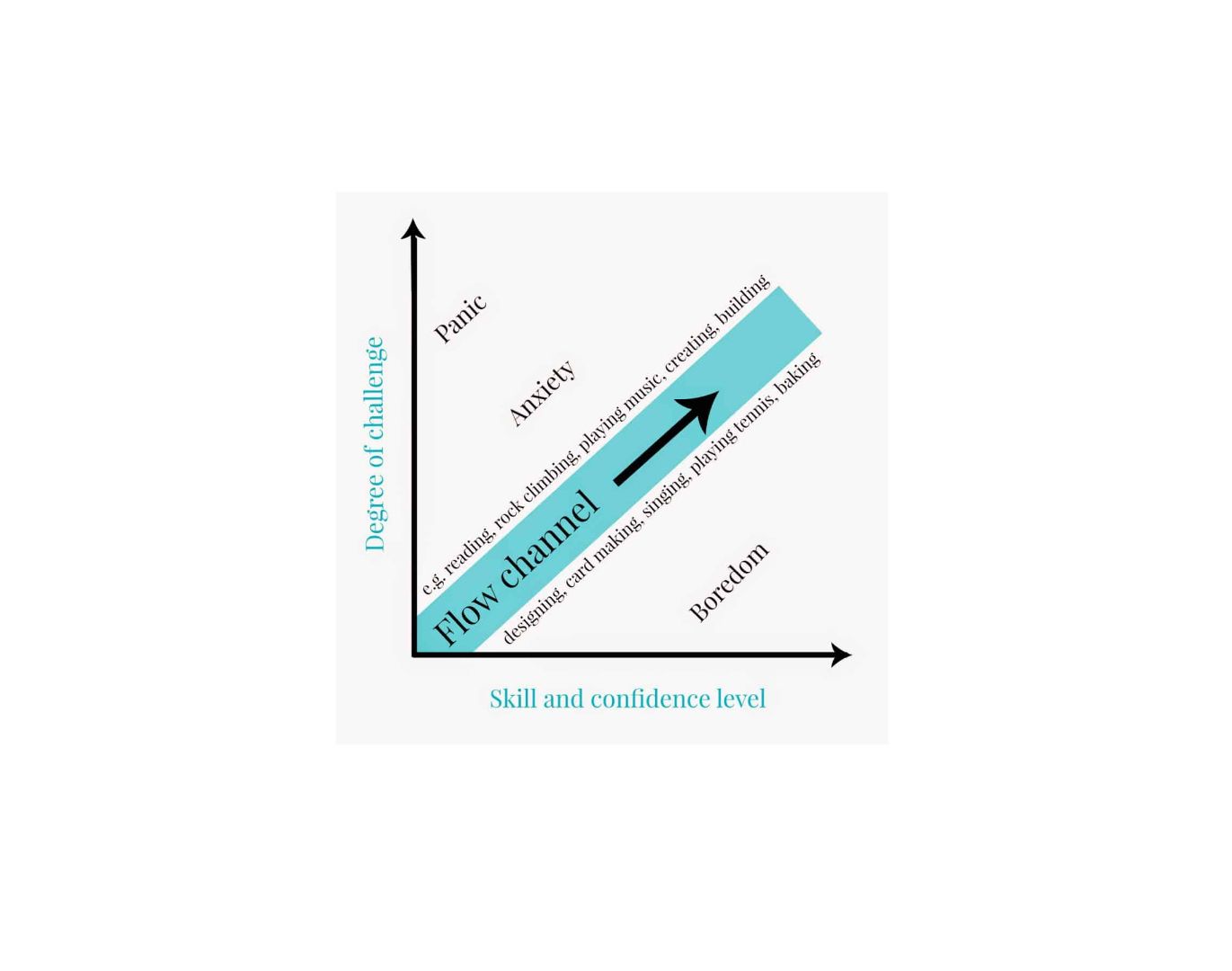


The “flow channel” represents the sweet spot where skill and challenge meet. When we align our work with our natural abilities, we enter this state of energized focus—often losing track of time as effort becomes joy.
Patty Zamarripa guides her students through the creative process during a live TCU News Now production. In these moments, she says, time disappears and purpose takes over—a hallmark of the flow state.
Dr. Kelly McCormick, a philosophy professor at Texas Christian University who researches moral psychology, said reclaiming purpose is also a matter of agency. As a compatibilist, she believes people can still be responsible for their choices, even when shaped by upbringing or environment, as long as they genuinely endorse who they are. “We don’t choose everything about ourselves,” McCormick said. “But we can still say, ‘This is me, and I stand by it.’”
To return to the self isn’t to go backward—it’s to reclaim the truest parts we were born with.
Purpose in Action: Diverse Paths to Mastery
Anthony Kyles, chief customer officer at The Campbell's Company, wasn’t always wearing a suit. As a college student, he wore a giant chicken costume, spinning signs outside a restaurant across from an IBM building. He’d stare at the high-rise and tell people he would work there someday. Most laughed—but he never stopped believing.
“People thought I was crazy,” Kyles said. “But if your dreams don’t offend people, then they’re not big enough.”
Today, he’s clear that mastery isn’t just about rising to the top. It’s about the person you choose to become when no one is watching. And while mentors can inspire, he believes it’s navigators—people who challenge you to stay true to your vision—who make all the difference.
His journey contrasts beautifully with someone like Zamarripa, a journalism professor and former performer whose artistry shaped her path. One climbed the corporate ladder, the other followed a creative current—yet both embody what it means to live with purpose.

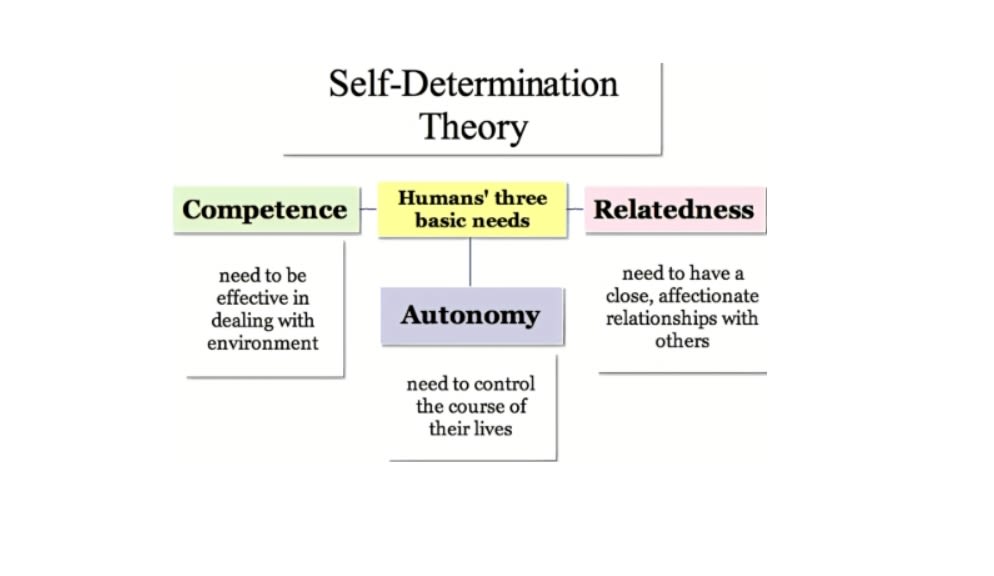

Self-determination theory highlights three key psychological needs—autonomy, competence and relatedness—that fuel intrinsic motivation. When met, they empower individuals to pursue work that feels both meaningful and sustainable.
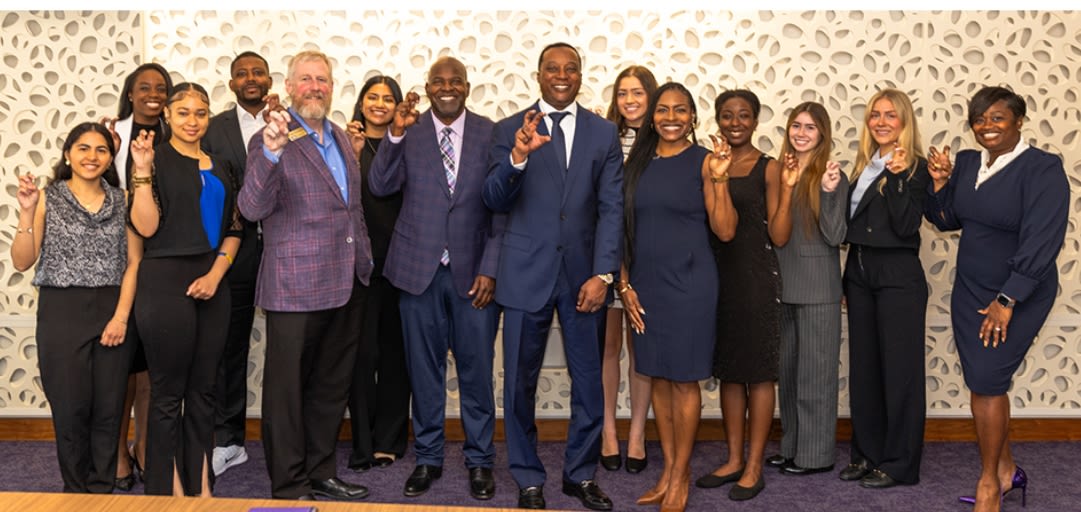
During a VIP lunch with selected students, Anthony Kyles shared personal stories and life advice. It’s in moments like these, rooted in service and self-expression, that his own intrinsic motivation shines through.
Dr. Rob Garnett, an economics professor at Texas Christian University, teaches a course called callings that invites students to reflect on their abilities, vulnerabilities and commitments. He urges them to consider who they are and how their unique gifts might serve the world.
Garnett sees specialization—a core economic concept—tied to one’s calling. Traditionally, it refers to the division of labor, popularized by Adam Smith, which drives productivity and progress. But Garnett believes the idea goes further than economics.
That value is not only economic—it’s evolutionary. Communities thrive when people contribute not as carbon copies, but as irreplaceable originals.
Economist William A. Darity Jr. echoes this idea through stratification economics, which examines how systemic structures affect the ability to pursue callings. A society that fosters diverse paths to mastery—from corporate offices to creative studios—balances efficiency with soul.
People like Anthony Kyles, a corporate leader, and Patty, a creative educator, show that specialization isn’t one-size-fits-all. Their mastery looks different, but both are rooted in purpose and authenticity.





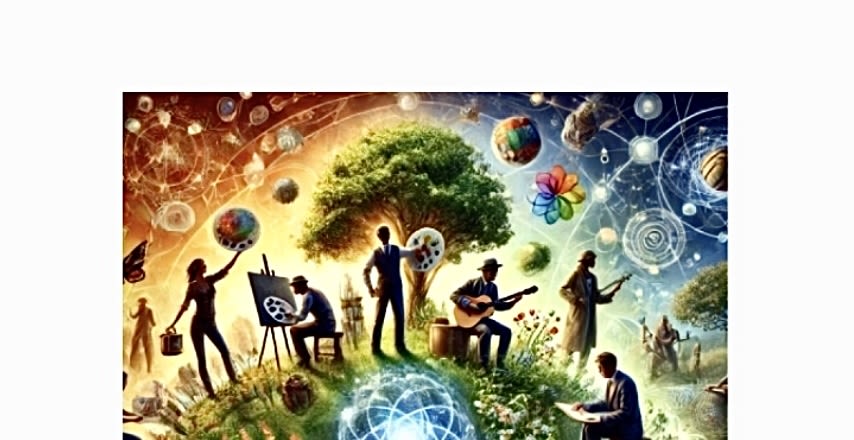
Imagine a world where everyone played the same note, painted with the same brush or followed the same path.
Without the full range of human expression—our arts, ideas, skills and callings—the world dims. The ecosystem weakens.


But when each person answers their unique calling, we illuminate the world with irreplaceable color. Diversity isn’t decoration—it’s the engine of life.
Existential Reflection
Dr. Blake Hestir, a philosophy professor at TCU, began his discussion on mastery with a question: “What even is the self?” Is it the skin, bones or brain? The question, he said, challenges the idea that the self is fixed. Instead, Hestir described the self as a dynamic process shaped by memory, biology, community and nature.
In his course on mind, body and ecology, he encourages students to reconnect with purpose through practices like meditation, deep listening and time in nature. Even watching squirrels or sitting under a tree, he said, can ground people in a deeper sense of being.
This perspective aligns with spiritual and Indigenous traditions that treat purpose as a sacred responsibility. In Buddhism, Christianity and other faiths, calling is often rooted in service — offering one’s gifts for the good of others. Purpose becomes a way to live in harmony with the whole.
Hestir also referenced Aristotle’s concept of eudaimonia — flourishing through the daily expression of virtue. “Happiness,” he said, “is the skillful expression of intellect, emotion and desire within supportive relationships.”
Mastery, through this lens, is not about prestige or perfection. It’s about healing, reconnection and contribution. It’s less a goal to reach than a rhythm to return to—one that nourishes both the individual and the collective.
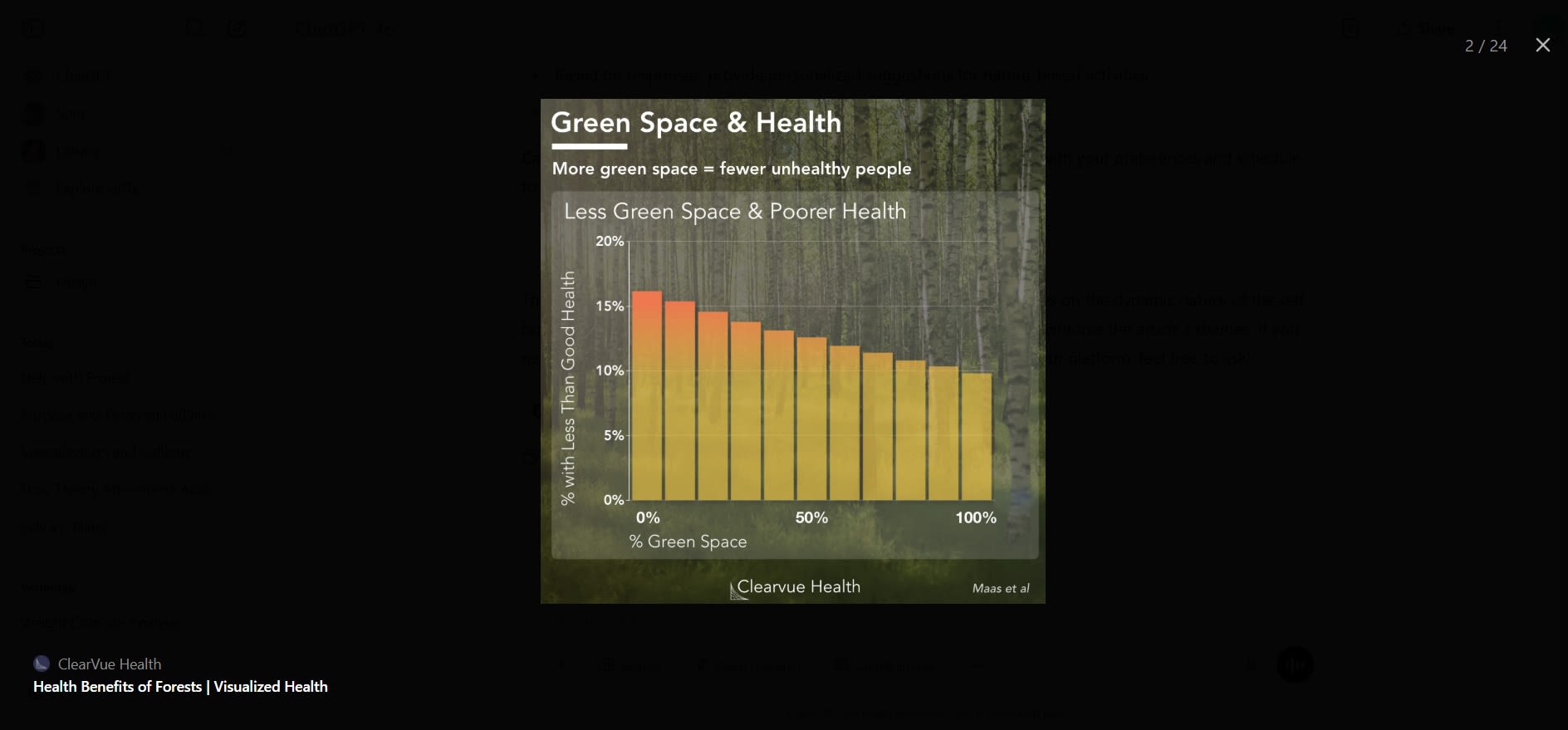
A lack of green space is linked to higher rates of poor health outcomes. This graph from Clearvue Health reinforces Dr. Blake Hestir’s point that reconnecting with nature isn’t just restorative — it’s essential to our well-being and sense of purpose.

A Call to Return to Yourself
What began as a question about careers became something far deeper. From boardrooms to classrooms to meditation mats, everyone interviewed for this project shared one truth: your calling isn’t just about what you do—it’s about who you become.
In a world that prizes conformity, choosing to follow your primal inclination may feel indulgent. But it’s not. It’s an act of responsibility. Our human ecosystem doesn’t just benefit from diversity—it depends on it. When each of us cultivates our unique gifts, skills and intelligences, we contribute something no one else can. Without that, the system weakens.
Garnett put it simply, “The more diverse the marketplace of life is, the better served we all are.”
Finding your calling, then, is not about chasing a grandiose dream. It’s about returning to who you’ve always been. It’s about listening to the child within who already knew—and honoring them in adulthood.
So ask yourself: What have you always been drawn to? What lights you up—even when no one’s watching?
The answers might not come all at once. But they’re there, waiting—not just for you, but for all of us.
Closing Moments
Anthony Kyles shared his story at TCU Neeley’s Speaker Series, encouraging students to pursue bold dreams and stay grounded in purpose.

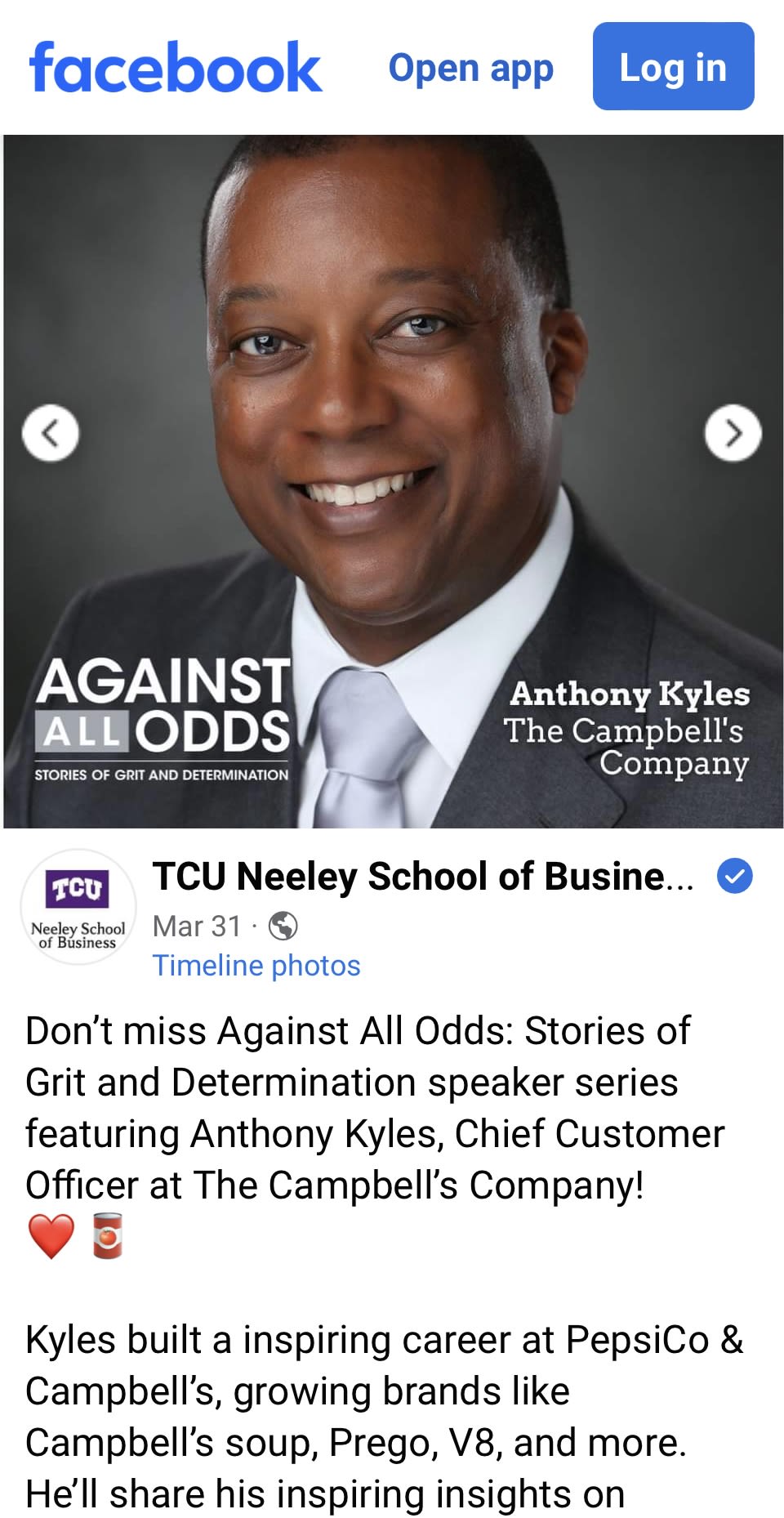
Selected to attend a VIP luncheon, I had the opportunity to interview Kyles one-on-one. His reflections on vision, resilience and staying true to your “why” shaped the heart of this story.
The journey began here. Robert Greene’s 'Mastery' introduced key concepts—primal inclination, life’s task and the pursuit of mastery—that became the foundation for this project.

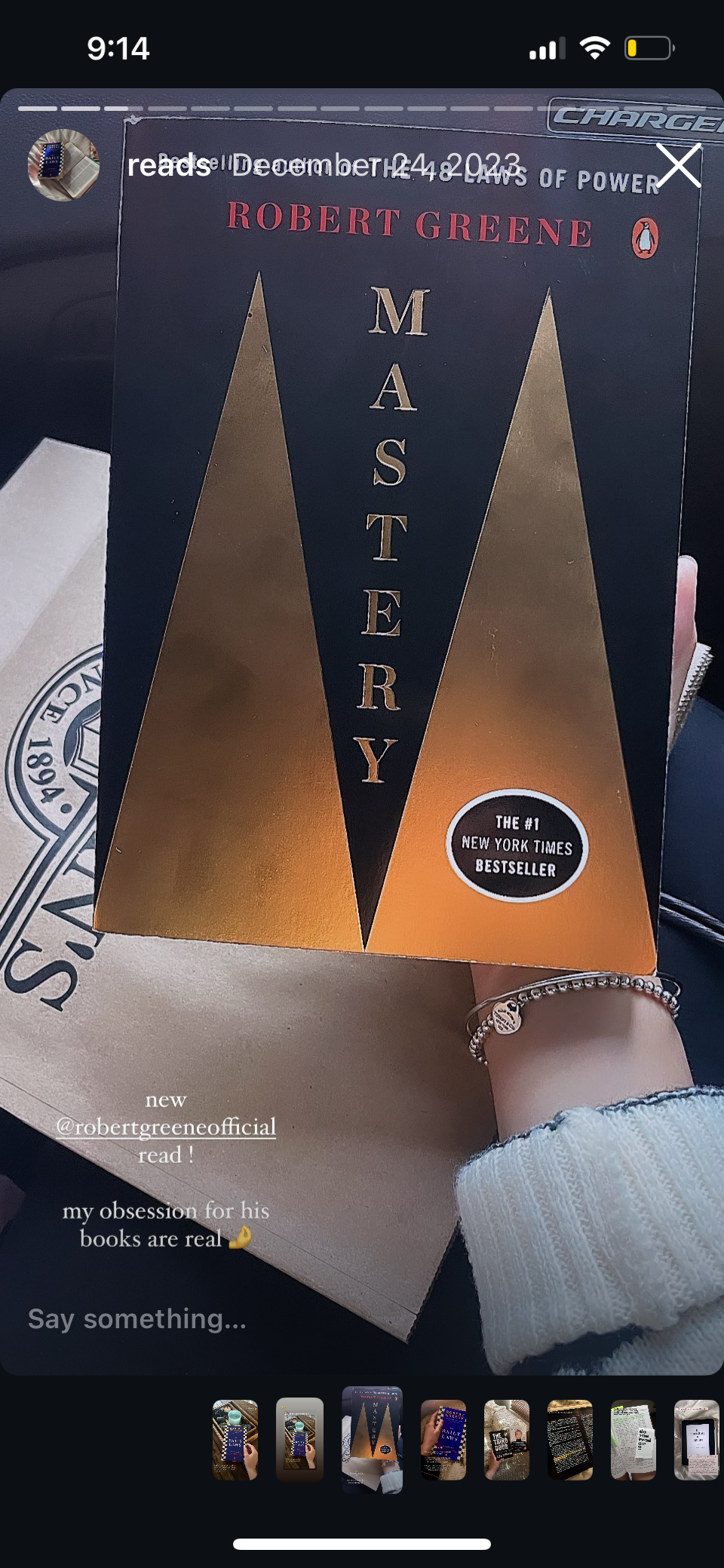
Long before interviews or outlines, there was curiosity. Buying 'Mastery' sparked the questions that shaped this project: What am I built to do? And why does it matter?
The world doesn’t need another version of someone else — it needs the real you
Listen to the child within. Follow the path only you were born to walk.
 Built with Shorthand