
How College Students Are Redefining Library Use in the Digital Age
The Changing Face of the Library
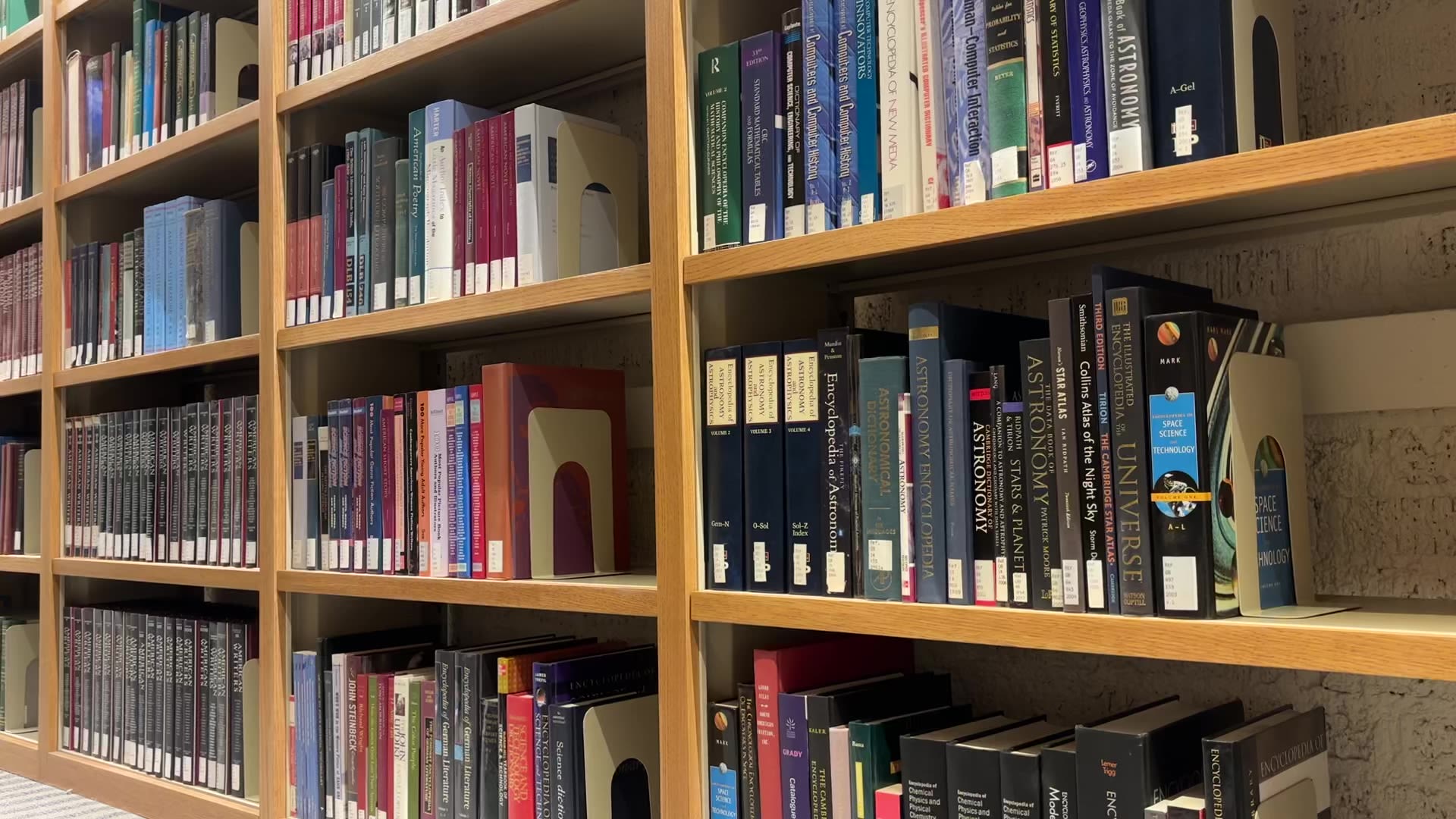

Digital Shift
On any given afternoon, the TCU library looks a little different than it might have a decade ago. Instead of students flipping through textbooks or searching the stacks, most are working on laptops, meeting in group study rooms, or scrolling through online articles.
This shift in library use is not necessarily unique to TCU. As technology continues to change the way students learn and do research, the role of the library is shifting too. At TCU, that shift has meant fewer physical books on display, more digital tools, and more spaces designed for both quiet study and collaboration.

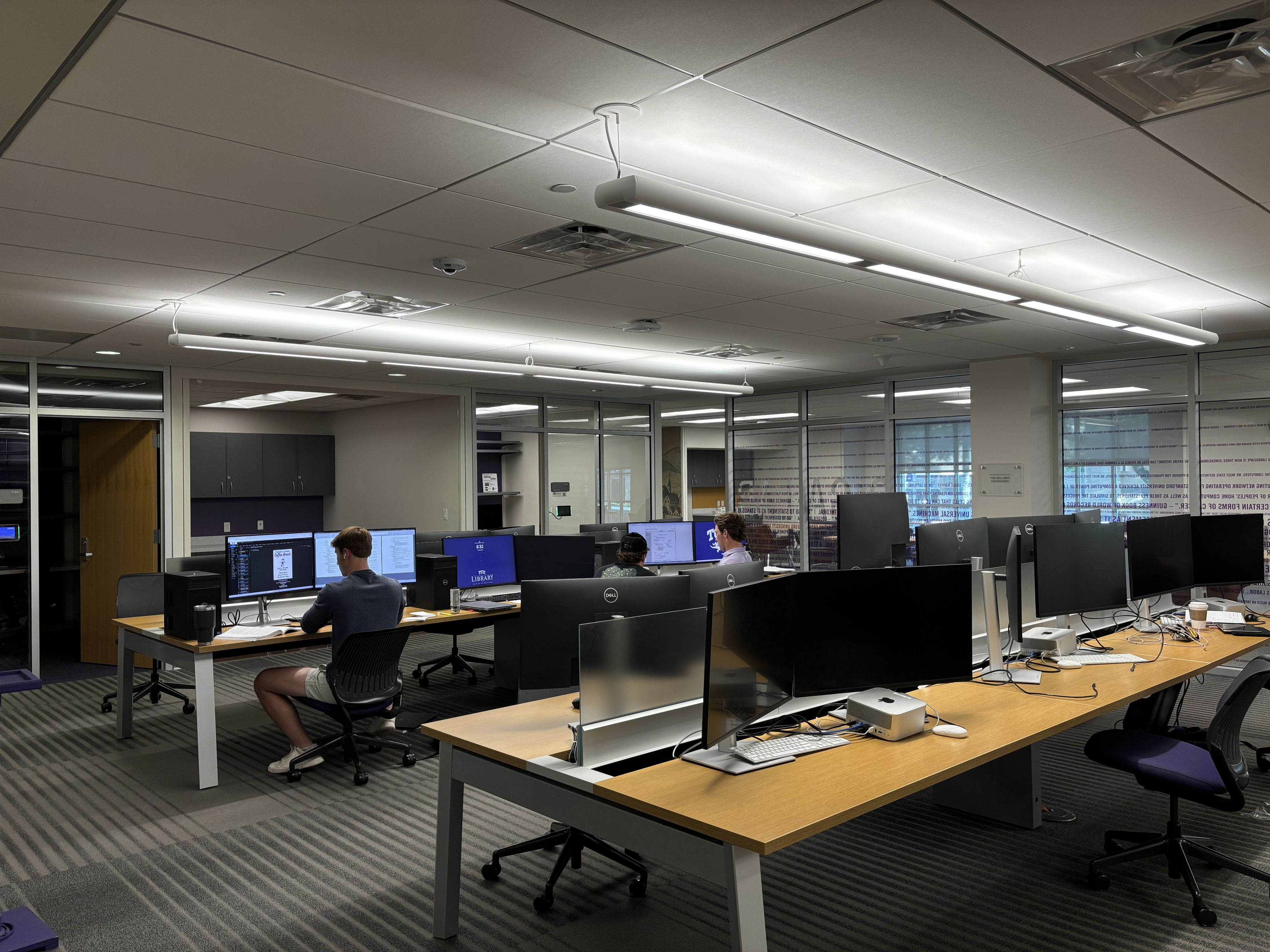
Students work in TCU's GIGA lab located on the first floor of the library. (Esra Ghanim)
Students work in TCU's GIGA lab located on the first floor of the library. (Esra Ghanim)


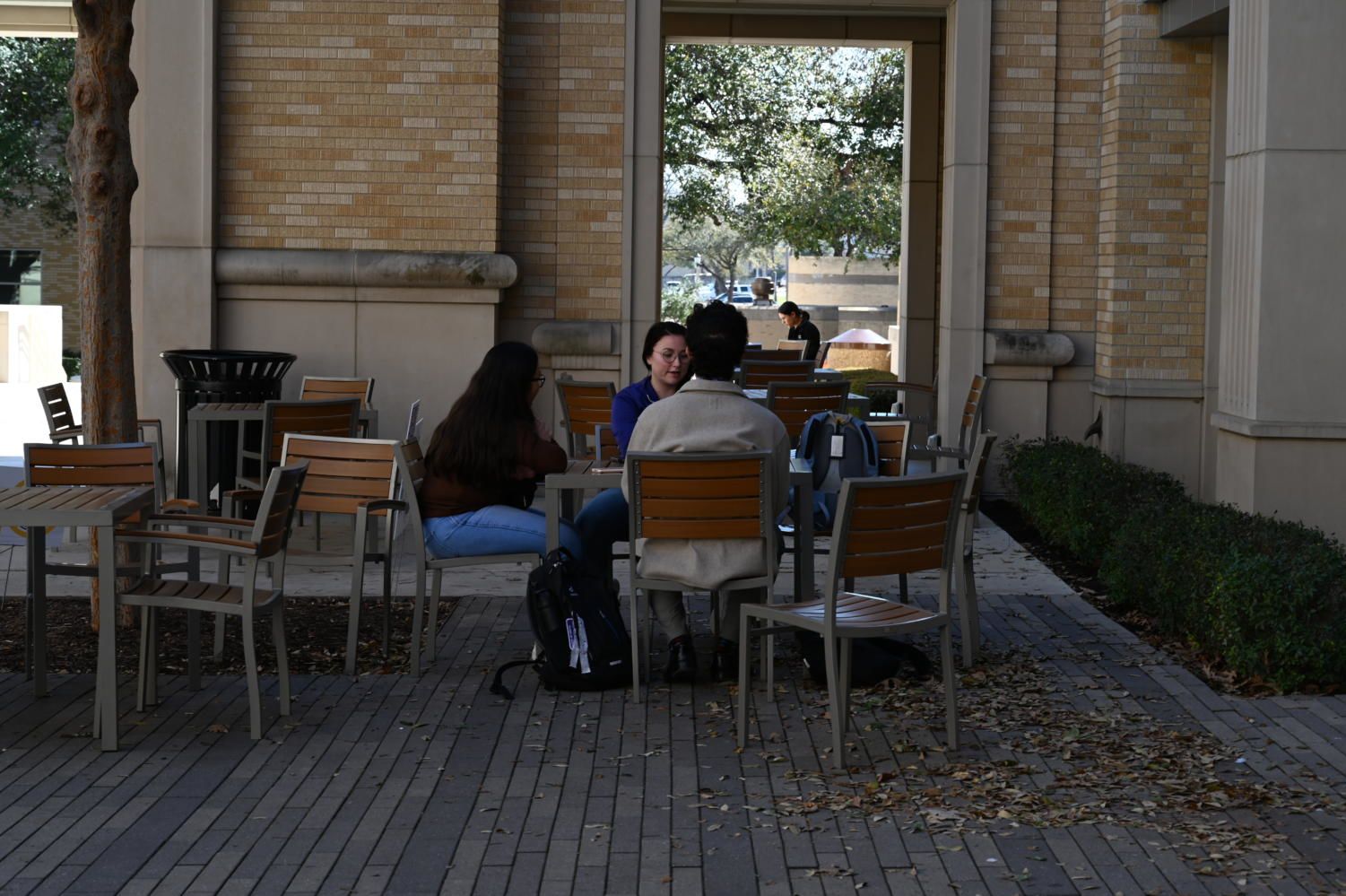
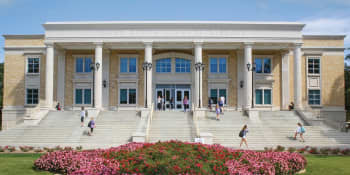
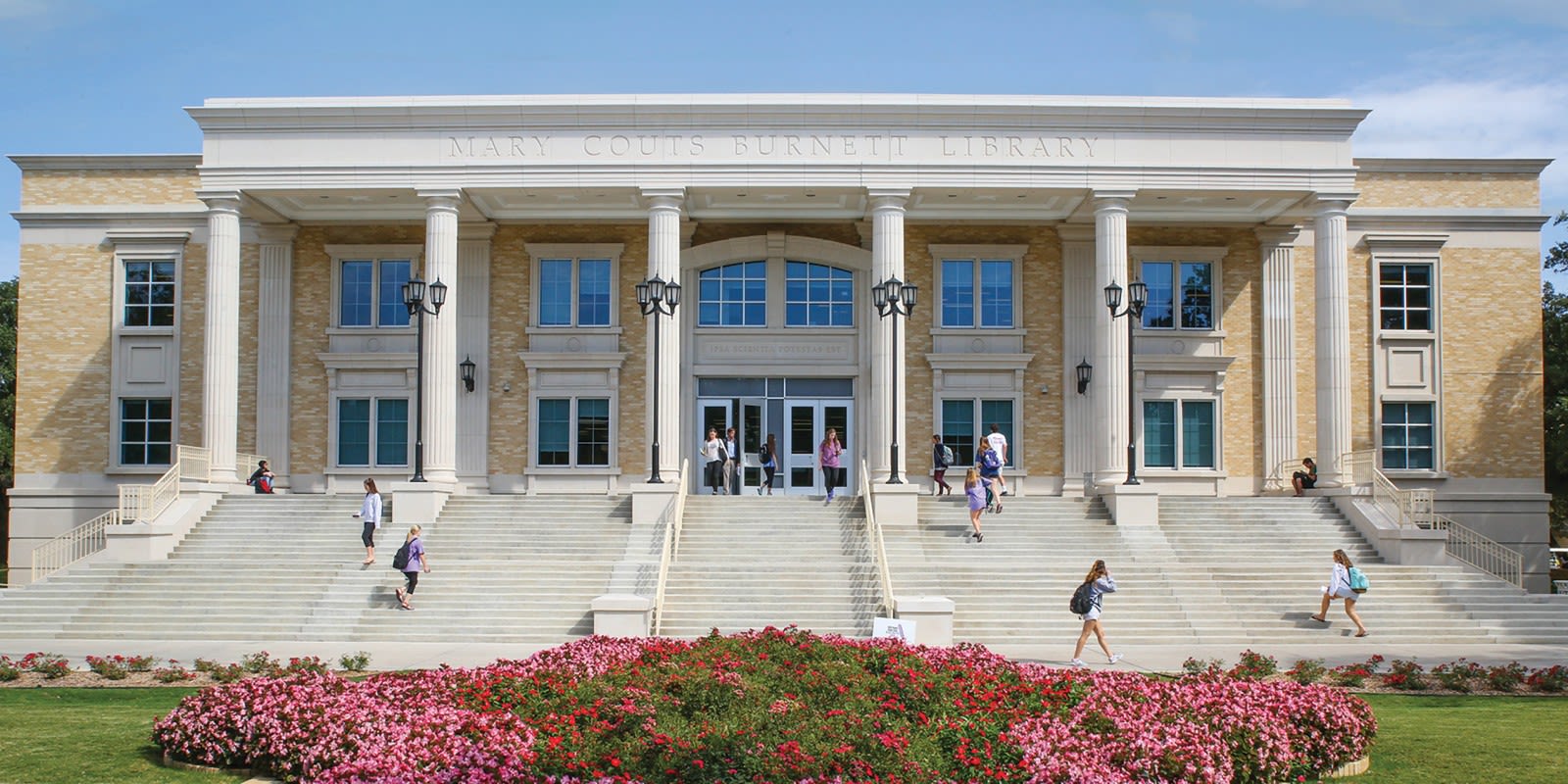
Students study together next to the Mary Couts Burnett Library. (Ella Mercer)
Students study together next to the Mary Couts Burnett Library. (Ella Mercer)
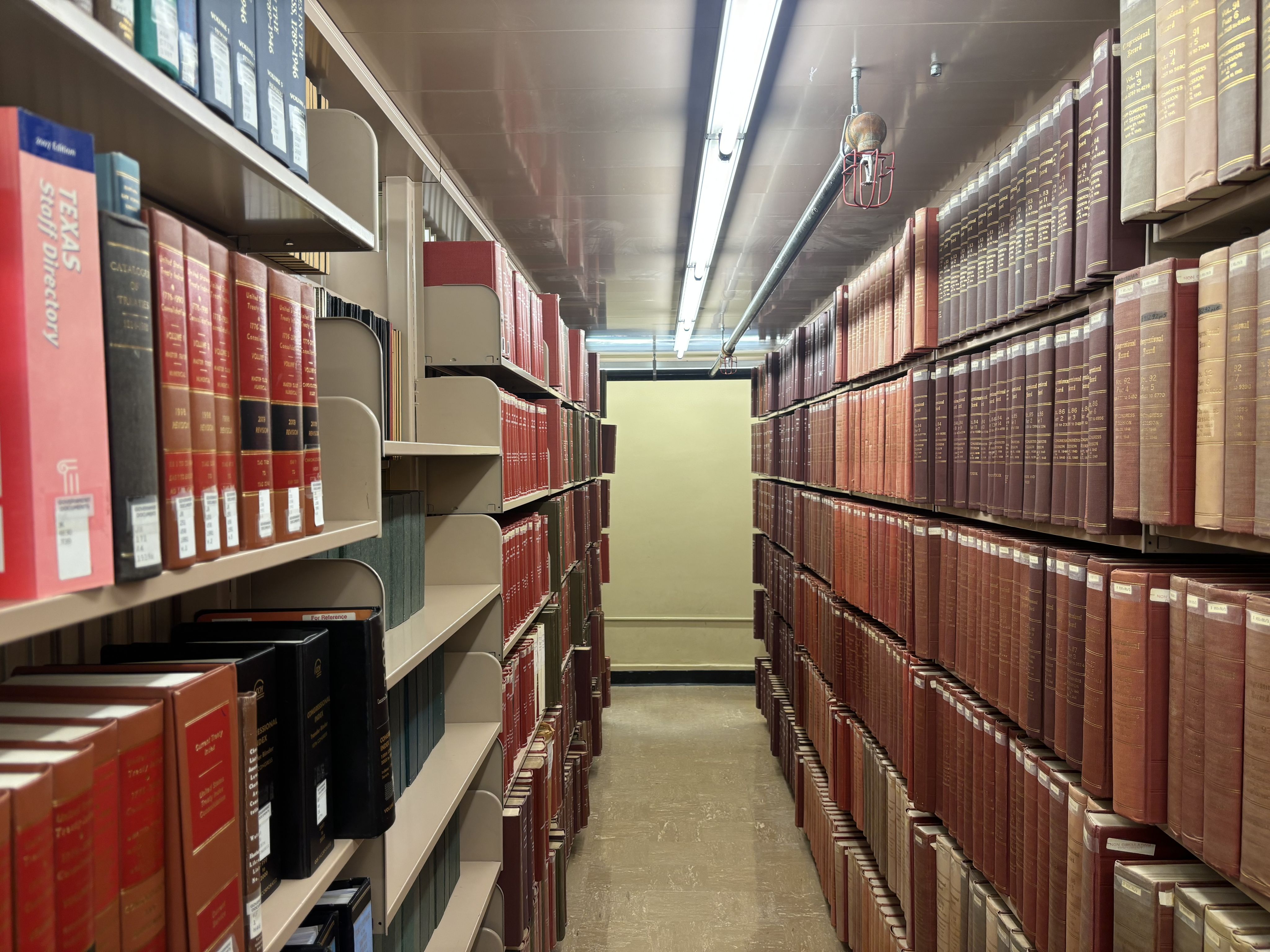
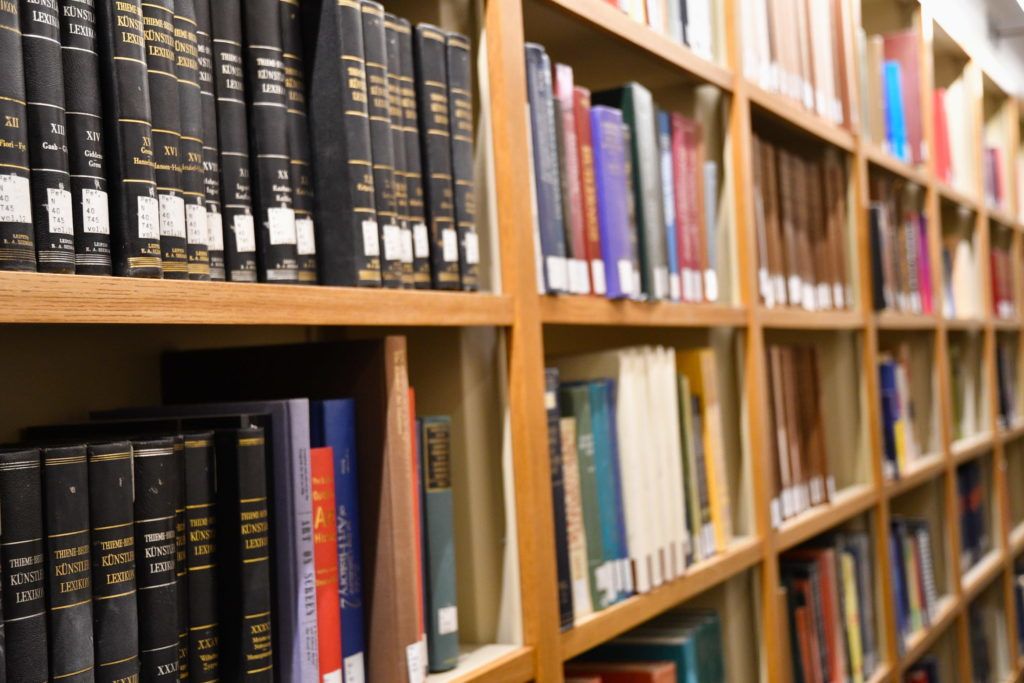
Books are placed in the government collections of TCU's library. (Esra Ghanim)
Books are placed in the government collections of TCU's library. (Esra Ghanim)

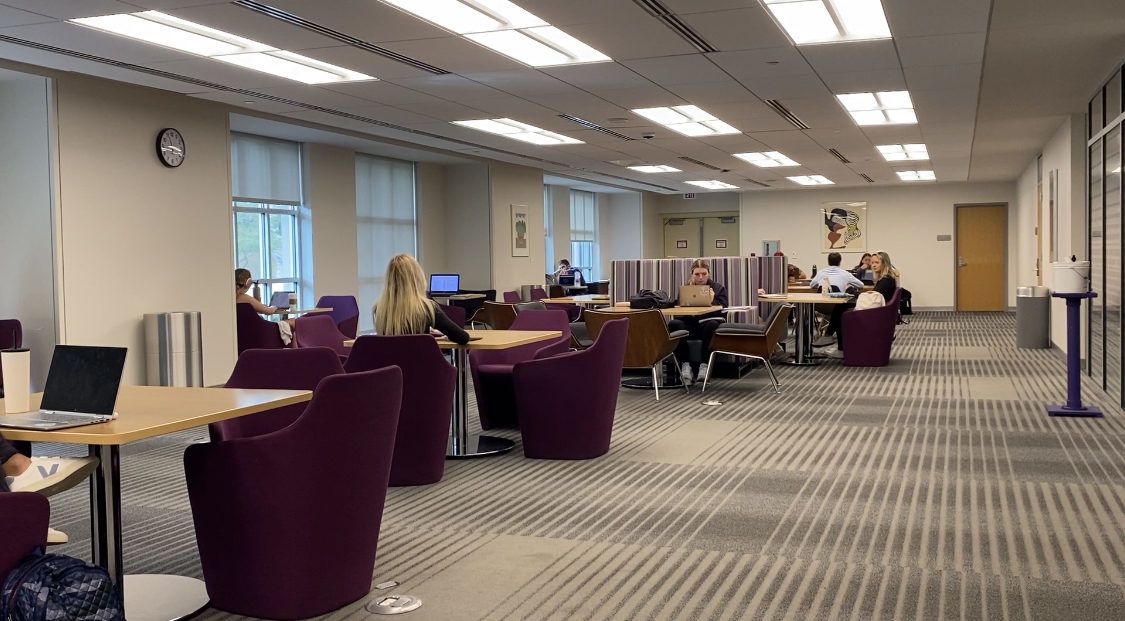
Students study in the quiet section on the first floor of the library. (Grace Reinhardt/Staff Writer)
Students study in the quiet section on the first floor of the library. (Grace Reinhardt/Staff Writer)
Meeting Community Needs
Libraries have always played an important role in helping people find and share information. Librarians work hard to meet the changing needs of their communities. In rural La Gloria, Colombia, for example, a teacher named Luis Soriano started a mobile library using two donkeys, Alfa and Beto, to bring books to children in remote areas, according to an article by the BBC. His story shows how libraries continue to evolve in creative ways to serve people where they are.
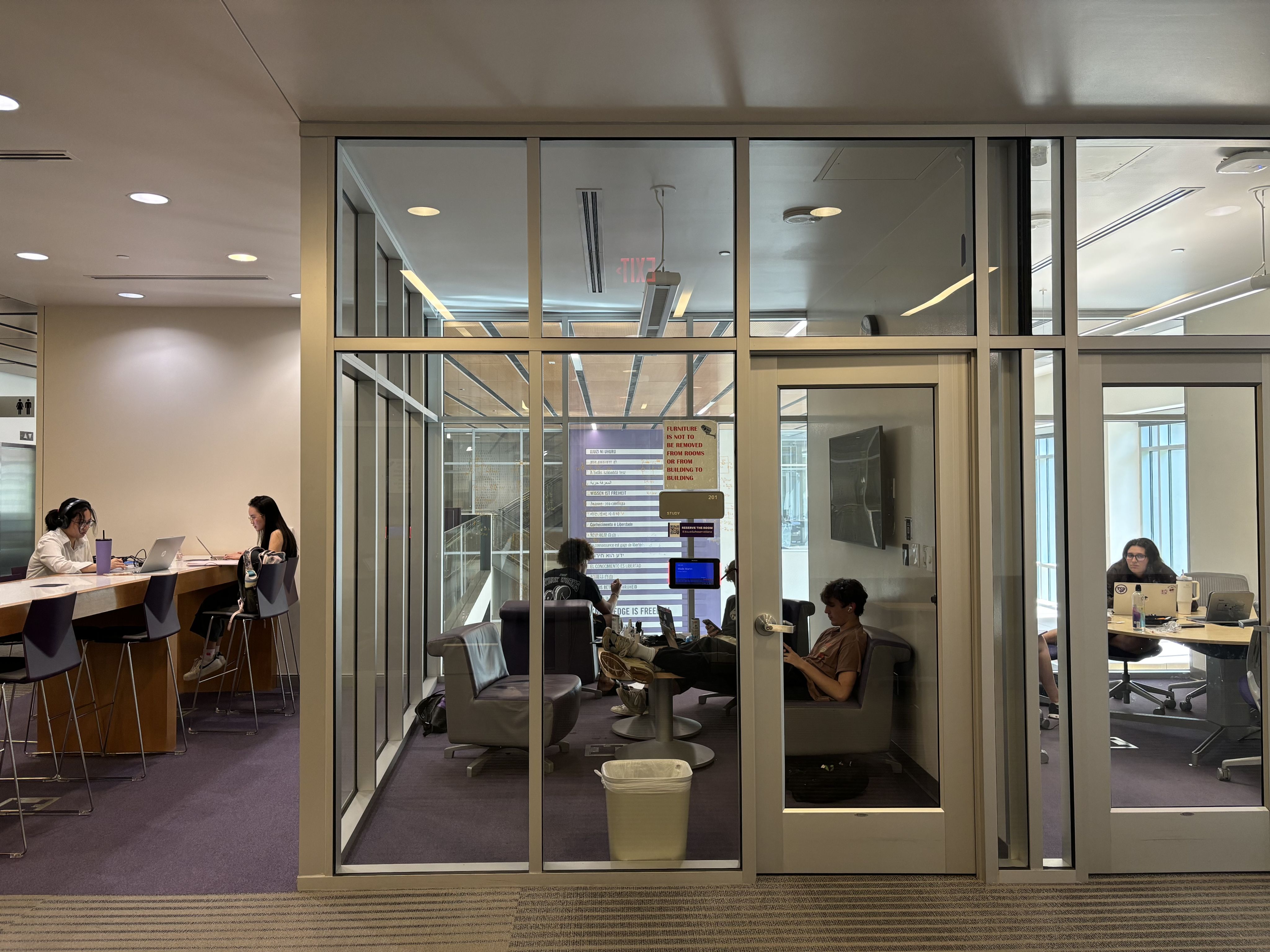
At TCU, librarians are making similar efforts to adjust to how students learn today. With more coursework happening online, librarians are expanding digital resources, offering virtual research help, and making one-on-one appointments easier to schedule. They’ve also helped redesign parts of the library to be more student-friendly—adding more collaborative spaces, quiet study areas, and tools like whiteboards and printers.
Associate Dean of the Mary Couts Burnett Library, Kristen Sharp-Barnes, says these changes reflect a bigger shift in how the library serves the TCU community. “We looked into the future and current needs, as far as our students are concerned, and how people use our building,” she said. “We reduced the footprint of physical library materials in the building and focused more on creating study spaces, both social and quiet.”
The library has shifted its focus toward offering more study space and digital resources in response to how students use the building. “We reduced the footprint of physical library materials … by mostly moving into one of our off-site facilities, which is called the library annex. It’s about two miles away from campus and holds a little over 800,000 volumes,” Sharp-Barnes said. That move has freed up space for students to collaborate, study, and meet in more flexible environments.
Sharp-Barnes added that librarians are also focused on increasing students’ information literacy—helping them learn how to access, evaluate, and use information responsibly. “We provide access to resources in the way that is most useful to our users,” she said. “That means expanding ebooks, audio materials, and other digital formats so students can reach them wherever they are—even at two a.m.”
Sharp-Barnes discusses how students helped foster the sense of community in TCU's Library. (Video Courtesy of Esra Ghanim)
Sharp-Barnes discusses how students helped foster the sense of community in TCU's Library. (Video Courtesy of Esra Ghanim)
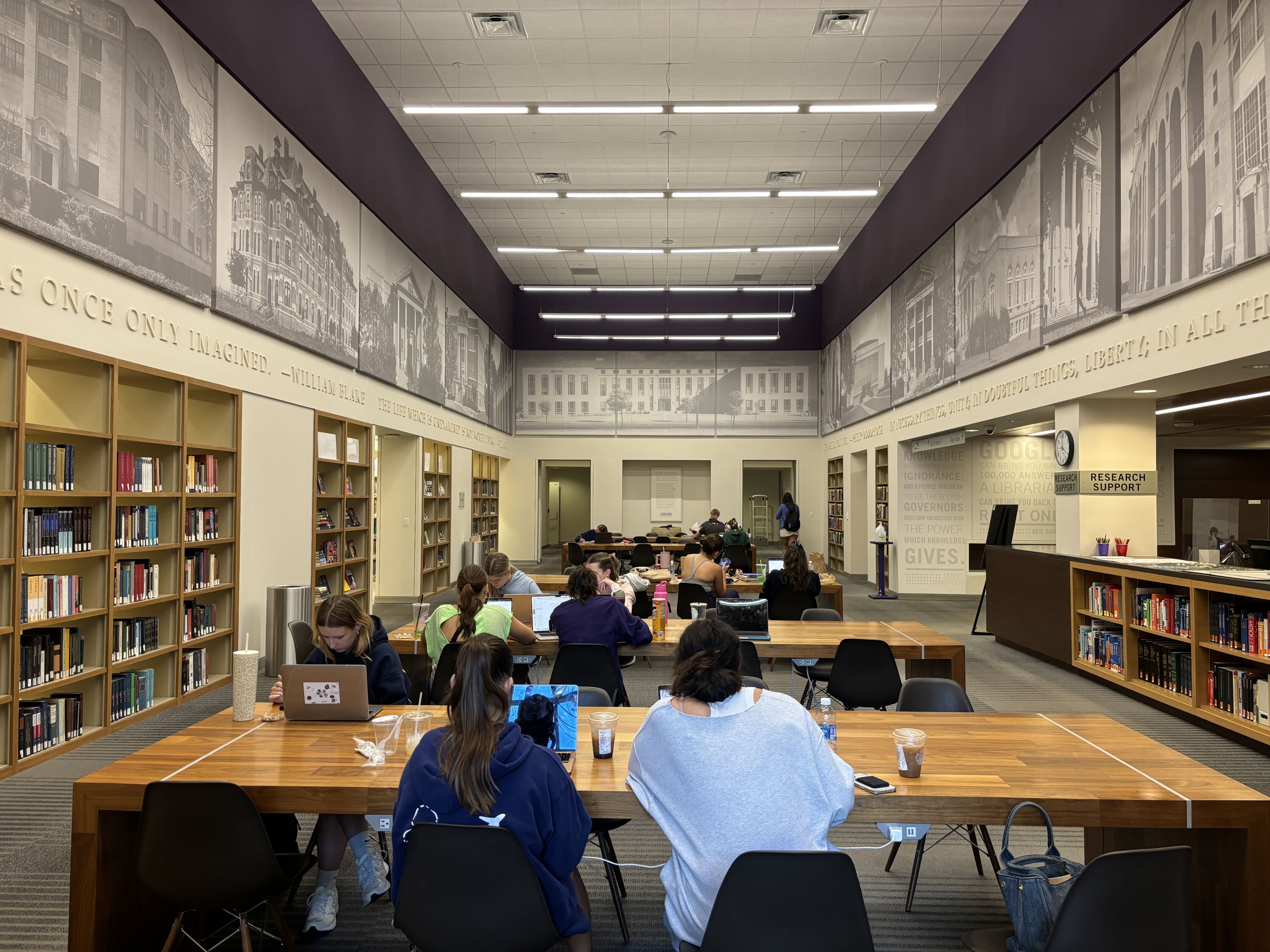
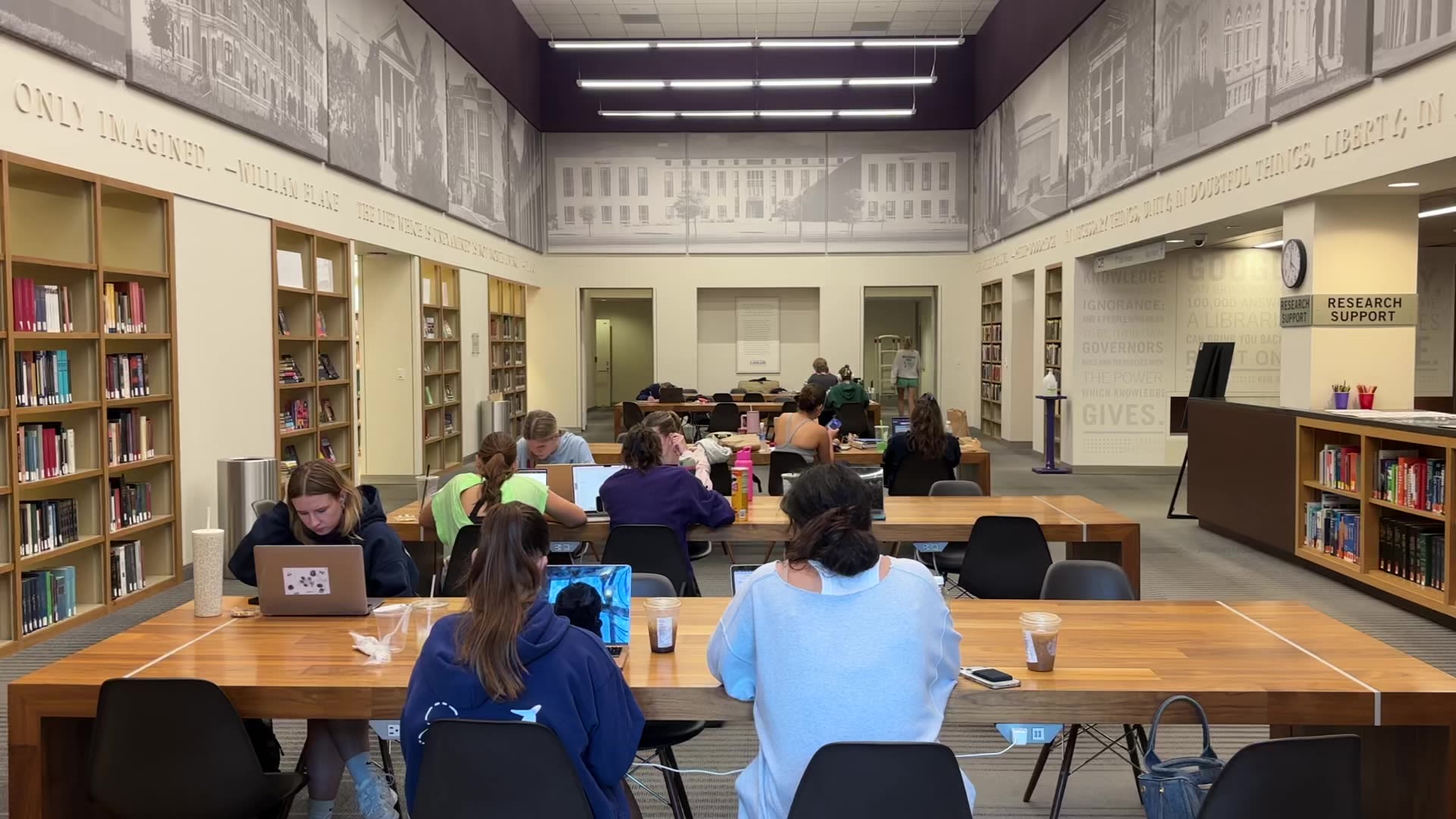
Students study in the reference reading room on the second floor of the Mary Couts Burnett Library. (Esra Ghanim)
Students study in the reference reading room on the second floor of the Mary Couts Burnett Library. (Esra Ghanim)
Library Usage
The library's usage data from the fiscal years 2023 and 2024 shows a continued shift toward digital resources. While physical circulation remained relatively stable—dropping only slightly from 25,723 items in 2023 to 25,452 in 2024—digital and electronic usage saw a significant increase. Patrons accessed more than 528,000 digital titles in 2024, up from about 415,000 the previous year, reflecting a growing preference for online materials that aligns with the ongoing trend of digital transformation in academic research and study. This shift highlights the evolving landscape of how students engage with library resources. Meanwhile, the number of individual or group consultations with library staff decreased from 2,014 in 2023 to 1,721 in 2024.
Data Courtesy of Kristen Sharp-Barnes, Associate Dean of the Mary Couts Burnett Library.
Survey results show that the Mary Couts Burnett Library remains a highly frequented space at TCU. More than half of student respondents reported visiting the library daily, while an additional 20.5 percent said they visited weekly. Only 4.5 percent indicated that they do not use the library at all. These findings highlight the library's continued importance as both a resource center and a central part of students’ academic routines and campus experience.
Data Courtesy of Esra Ghanim.

The survey data highlights several key areas where TCU students would like to see improvements in library services. The most notable request was for additional study rooms, with 29 students indicating a need for more private spaces that can be reserved for both group and independent study. Another significant request was for more dining options within the library, with 24 students voicing their interest in having more convenient food choices on campus. These requests suggest a desire for an enhanced library experience that accommodates both academic needs and the social and logistical demands of students' busy schedules.
Data Courtesy of Esra Ghanim.

The TCU Library shared a fun event on Instagram where they gave away free pizza to students. This initiative highlights the library's efforts to engage students in a relaxed, community-oriented environment.

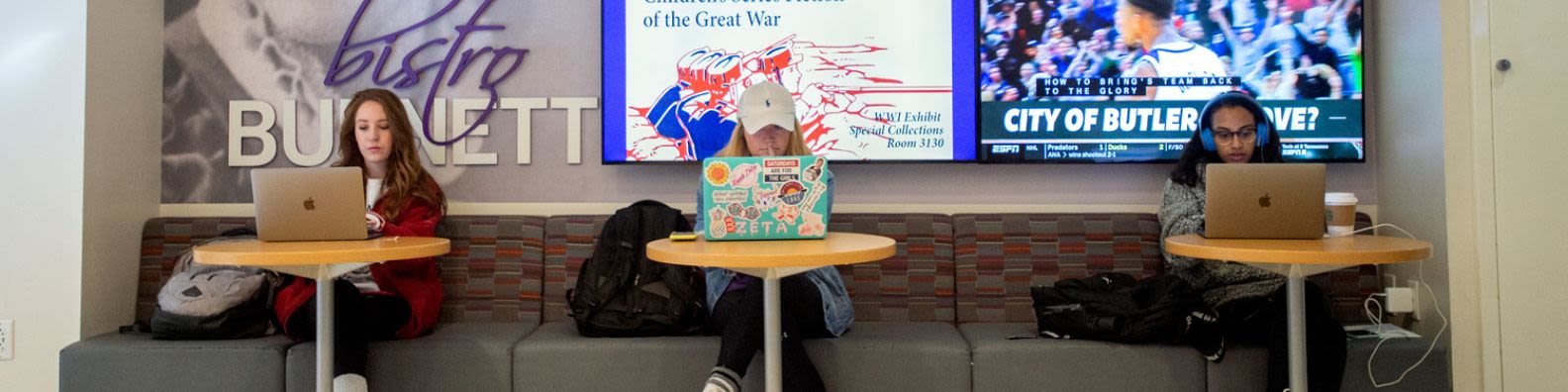
Students studying in the Bistro Burnett Cafe, located on the first floor of the library. (Photo Courtesy of TCU Library)
Students studying in the Bistro Burnett Cafe, located on the first floor of the library. (Photo Courtesy of TCU Library)
A Wider Trend
This trend isn’t unique to TCU. Since 1997, book checkouts have declined almost 60 percent at UT Austin Libraries. “In 1997, the overall circulation of books in UT Libraries was 1,739,720. In the 2016–2017 school year, the circulation dropped by about one million to just over 700,000 books,” according to an article by The Daily Texan, the official newspaper of The University of Texas at Austin.
A survey conducted at the University of Texas at Austin found that 77% of respondents had never checked out a physical book from a university library during their time at UT. In contrast, 66% said they used an online library resource at least once a month. The similarities between both institutions suggest a broader trend across higher education, as students increasingly rely on digital platforms for research and coursework. University libraries are evolving to meet those needs not just by expanding digital collections but also by rethinking the spaces and services they offer.
Data Courtesy of Esra Ghanim.
The Evolving Role
The findings from this survey and data make it clear that libraries remain central to the university experience, even as the ways students engage with them continue to evolve. While traditional uses—such as checking out physical books—have declined or held steady, students still view the library as a vital academic and social hub.
Survey responses show a growing demand for private study rooms, shared workspaces, and more dining options. Increasingly, students are not just coming to the library to access materials; they are coming for the community. Far from becoming obsolete, the Mary Couts Burnett Library is redefining its role by adapting to the changing rhythms of student life and responding to their need for both academic support and connection.
As Sharp-Barnes explained, “The library may offer something that you can't find anywhere else... it's not a classroom... it's not a living space... it's also not a space like the BLUU [Brown Lupton University Union]... uniquely, the library offers a space that you can't quite find elsewhere on campus.” This in-between space, neither strictly academic nor purely recreational, has become essential to students who are seeking a balance between productivity and connection. Far from becoming obsolete, TCU’s library is redefining its role by adapting to the rhythms of student life and fostering a culture that students themselves helped shape.

Adapting to the shift
The librarian pointed out that while digital circulation significantly outpaces physical circulation, maintaining digital materials remains costly. "Electronic materials, especially those with perpetual licenses, cost more than physical books," she explained. The library’s ability to offer digital resources depends on licensing agreements and the availability of these materials. As a result, despite the much higher circulation numbers for digital books, the cost of acquiring and sustaining access to these resources complicates direct comparisons between physical and digital formats.
Sharp-Barnes shared insights into how the library is adapting to the growing demand for digital resources by evolving roles within its Technical Services Department. She explained that a branch of this department is specifically dedicated to electronic resources, with an assistant head of technical services overseeing this area. Additionally, an E-resources librarian position exists at TCU’s Mary Couts Burnett Medical School.
Sharp-Barnes explained that the E-resources librarian plays a crucial role in managing the library's digital materials. "The E-resources librarian helps us with the process of procuring those [digital] items, which includes helping us negotiate contracts, helping us manage our licensing, helping us collect data from those materials, and managing relationships with the number of vendors that we have, and so on and so forth." This role is essential in ensuring the library can effectively access and maintain digital content, as it requires an understanding of contract negotiations, licensing management, and vendor relations.

 Built with Shorthand