
TCU Students & Screentime
What causes prolonged screen exposure in college students?
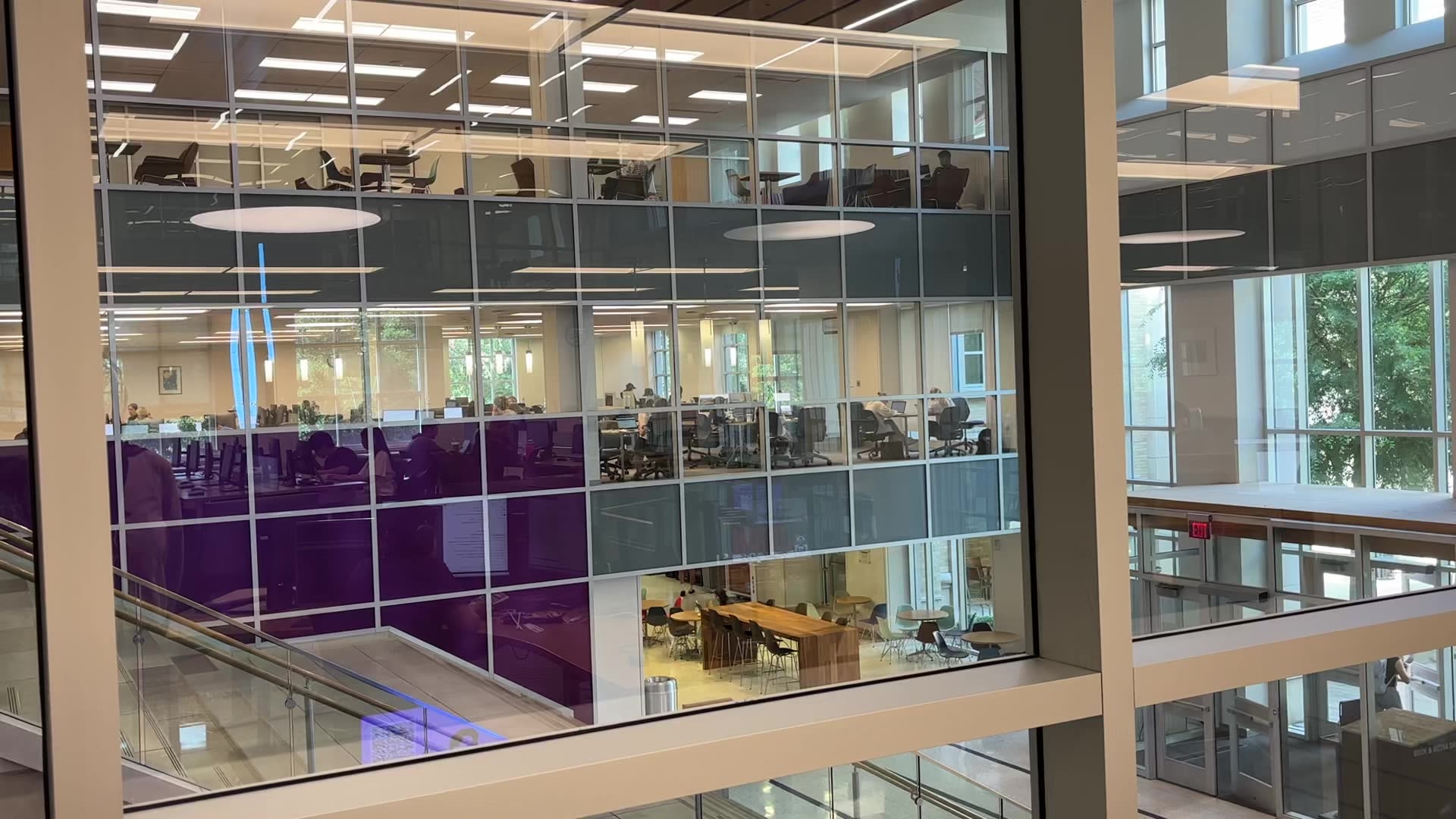

Walking around campus between classes, one cant help but notice the endless crowds of students scrolling on their phones as they wait for classes to start or for crosswalk signals to change.
As Gen Z, today’s college students are the first generation to grow up immersed in a digital world. This piqued my curiosity- what effect is screen time having on our wellness?
I was aware that many students have used technology in the classroom since childhood, through adolescence and now in adulthood. Studies have shown that spending longer than five hours total on a handheld device can lead to an increase in depressive symptoms. These depressive symptoms are a result of not only prolonged screen exposure from mobile devices, but a combination of low physical activity along with screentime.
The findings suggested that increasing physical activity and engaging with screens in a moderate way can offset likelihood of depressive symptoms.
Another study done by the Yale School of Medicine and Columbia School of Nursing analyzed the screen media activity of over 5,100 9- and 10-year-olds who participated in the Adolescent Brain Cognitive Development (ABCD) Study, the largest long-term analysis of brain development and child health in the United States.
The study found that found that youth who spent the most time on their digital technology were statistically more likely to exhibit higher levels of internalizing problems (depression, anxiety, social anxiety, somatic complaints, and other concerns) two years later.
They concluded that this association between frequent screen time and mental health problems showed specific changes in brain development. We go into high school, and later college, with longstanding screentime habits. These habits inevitably trickle into how we cope with stressors, or even happiness.
I anticipated social media to be a large part of TCU students' screen time usage, so I interviewed Dr. Abbey Salopek, assistant professor of digital studies at the John V. Roach Honors College, to better understand the causes and implications of social media in our screen usage.
How might social media’s role in self-presentation and upward comparison contribute to prolonged screentime among college students?


College students tend to post the best parts of their lives––friends, parties, traveling, birthdays, graduation, achievements, as well as other life milestones and aesthetically pleasing moments. When young adults spend time crafting the best image of themselves, it can invite them into a validation and feedback loop of constantly checking the platforms for likes and comments from others. Ultimately, this places self-worth in the hands of others and reinforces compulsive online behaviors.



Could the cultural push for toxic positivity online discourage students from addressing the negative effects of excessive screen use?

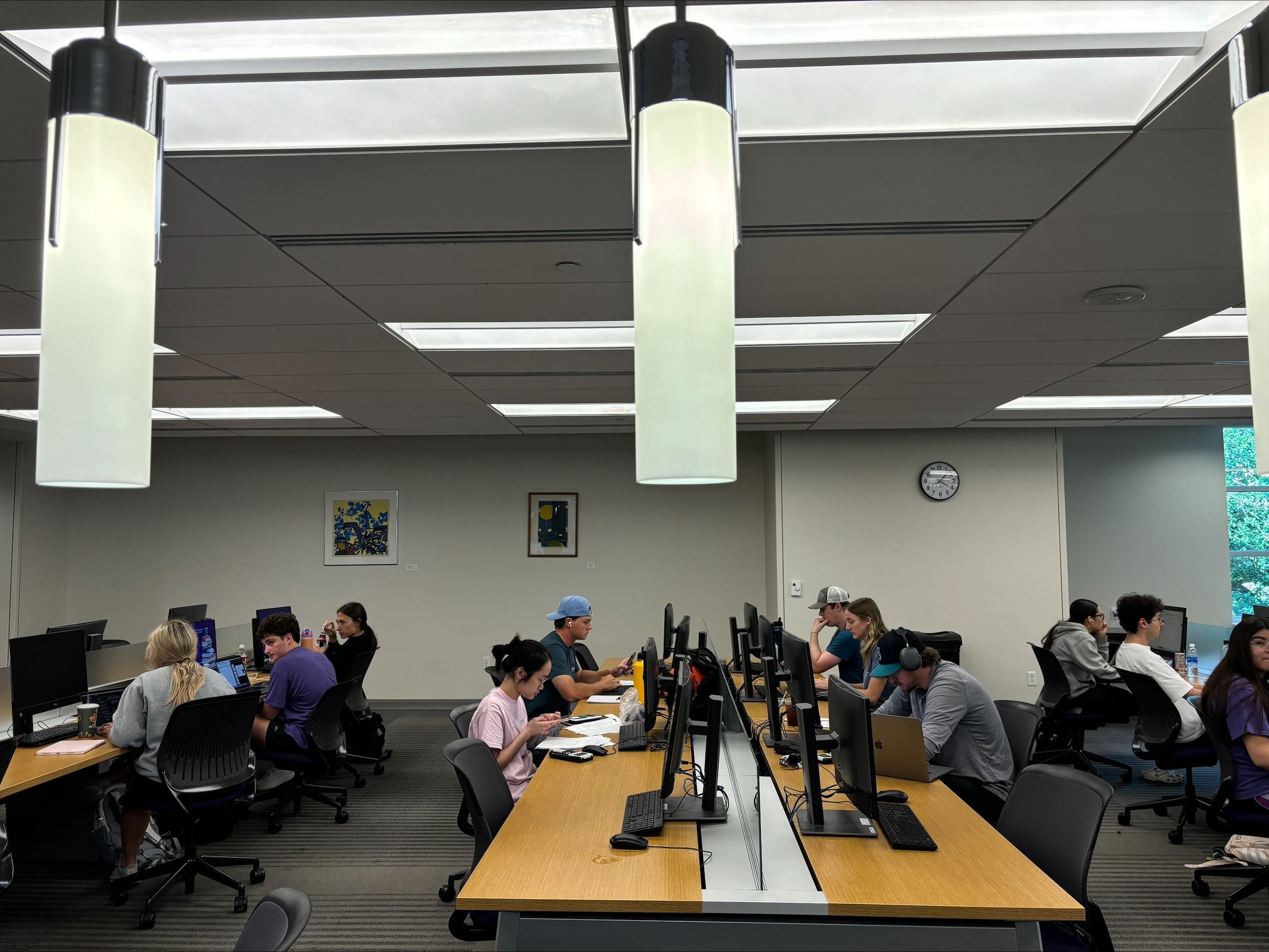
Computer lab in the Mary Couts Burnett Library, Texas Christian University, Ft. Worth TX (Zahra Ahmad).
Computer lab in the Mary Couts Burnett Library, Texas Christian University, Ft. Worth TX (Zahra Ahmad).
“Definitely. On social media, toxic positivity can look like constantly posting positive content (i.e., best moments, edited photos, positive experiences, etc.), downplaying or ignoring struggles or bad experiences (i.e., burnout, anxiety, addiction, financial, physical health, etc.), and using positive phrases that dismiss concerns (i.e., it could be worse). Toxic positivity is a norm on social media, and with everyone seeming to be thriving when they post online, students may feel ashamed to admit that they are struggling or ask for help when needed. So, they end up suppressing those emotions and experiences. As such, students may not address the negative effects of excessive screen time, such as compulsive behaviors, stress, anxiety, dealing with comparisons, low self-worth, FOMO, envy, and more," Salopek said.
The pressure to stay digitally engaged can make it even harder to step back and assess one’s screen habits with honesty. Kevin Langue, a content creator on YouTube shared this video titled "gen z read their screentime," amassing 1.8 million views. High screen times have become synonymous with Gen Z.
In my interview with Dr. Yvonne Chen, assistant professor of sociology at the department of sociology and anthropology at TCU, she doubled down that upward social comparison and the structure of our society is an important factor in the inability to limit screen time usage in college students.
Dr. Yvonne Chen talks about upward social comparison and its effects on students. (Zahra Ahmad)
Dr. Yvonne Chen talks about upward social comparison and its effects on students. (Zahra Ahmad)
"A lot of studies emphasize the impact of social media on mental health, but I think people also need to interrogate other ways we interact online whether thats through emails or Zoom."
Chen also emphasized that "the structure of society, especially in the United States" is "a capitalistic society, and so being productive all the time, being on all the time, signals that you are a successful student." If we aren't meeting those productivity standards, we can often feel even more pressured to be online.
Both Salopek and Chen spoke about platform dependency, a dependency loop we develop to the platforms we use by way of algorithms, and maladaptive coping mechanisms. An example Chen gave of a coping mechanism is scrolling through cat videos to decompress.
"We are also very dependent on the internet, right? The way that our society is structured screen time is almost like ever increasing, and setting boundaries can be kind of hard,” Chen said.

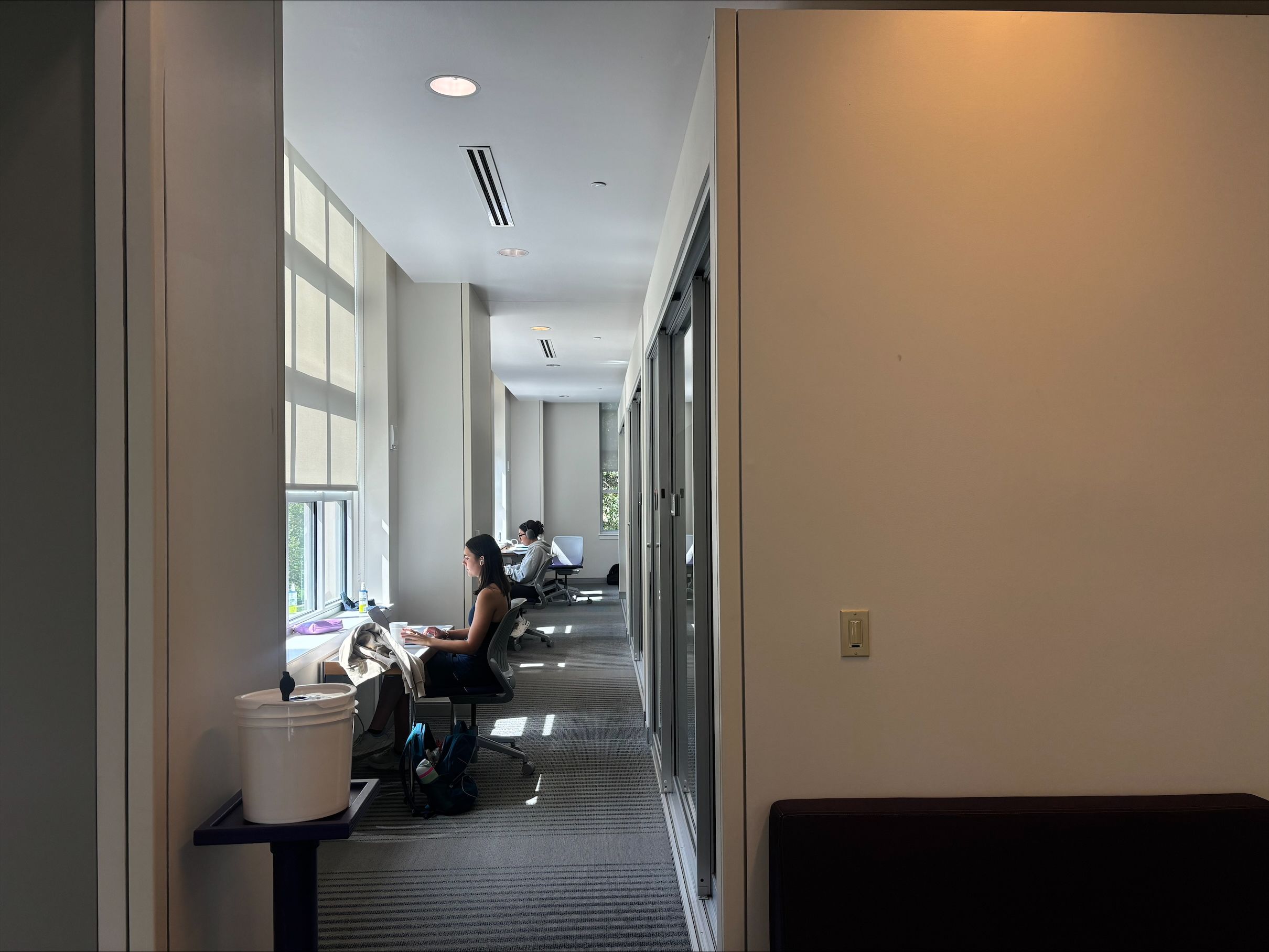
Evidently, for today’s students, screens are both a necessity and distraction, built into the very structure of our society— you can't escape it.
For Gen Z, the exposure to screens earlier in life is itself a form of prolonged exposure to screens, but I wanted to investigate what effects prolonged screen usage has in the short term. I decided to create a self-report survey to gather both quantitative and qualitative data.
I asked questions on demographic (year of study, major, name), hours of screen usage, causes of screen usage, effects on lifestyle and sleep, effects on physical activity, self perception and behavior. I sent out my survey to TCU students and got 50 responses. Here are some of my findings:
The top three causes of screen usage were social media, streaming, and gaming. When asked, "do you feel like screen time negatively affects your ability to focus on tasks?," 46% responded they felt their screen usage negatively effects their ability to focus. 28% answered always" and no one responded "never."
When asked, "on average, how many days per week do you engage in at least 30 minutes of physical activity?," 48% responded 3-4 days. This might explain the response to the last question of my survey. I asked respondents to "strongly agree, agree, neutral, disagree and strongly disagree" with my hypothesis statement: "Prolonged screen time has a negative effect on my lifestyle and wellbeing."
When prompted to agree or disagree with the statement, 38.8% of people neither agreed nor disagreed that prolonged screentime had a negative effect on their lifestyle and wellbeing. I think this may be due to the fact that a majority of my respondents have a high physical activity rate. According to the study I mentioned earlier, this can reduce the potential for depressive or negative symptoms.
After speaking to both professors about concepts like maladaptive coping, which entails people dealing with stressors in harmful ways that only provide temporary relief, I definitely think it is at play here. I did not gather enough responses to draw sweeping conclusions but what is clear is that people do spend more time on screens than they intend to and overwhelmingly, 82% of respondents, feel a need to reduce their screentime. I believe that people are potentially more unaware of how screentime affects their lives in the long term than I expected.
Moreover, a reality that can't be ignored is the pervasive, structural nature of screens that Dr. Chen spoke about. Structural strain theory, which I learned about in her course on Mental Health, says that the structure of our institutions are creating the problems people are trying to deal with on their own. Under this view, no amount of personal choices or changes will have a meaningful impact unless the institutions we work and learn in begin to change. Both professors talked about detoxing from social media, screen free zones, free events that encourage face-to-face interaction, screen breaks in classes, etc.
If I were to do an extended version of this project I would first question people on whether they are familiar with some of the negative, long-term effects of screentime before I ask them questions about their own habits and see if that changes their thought process at all.
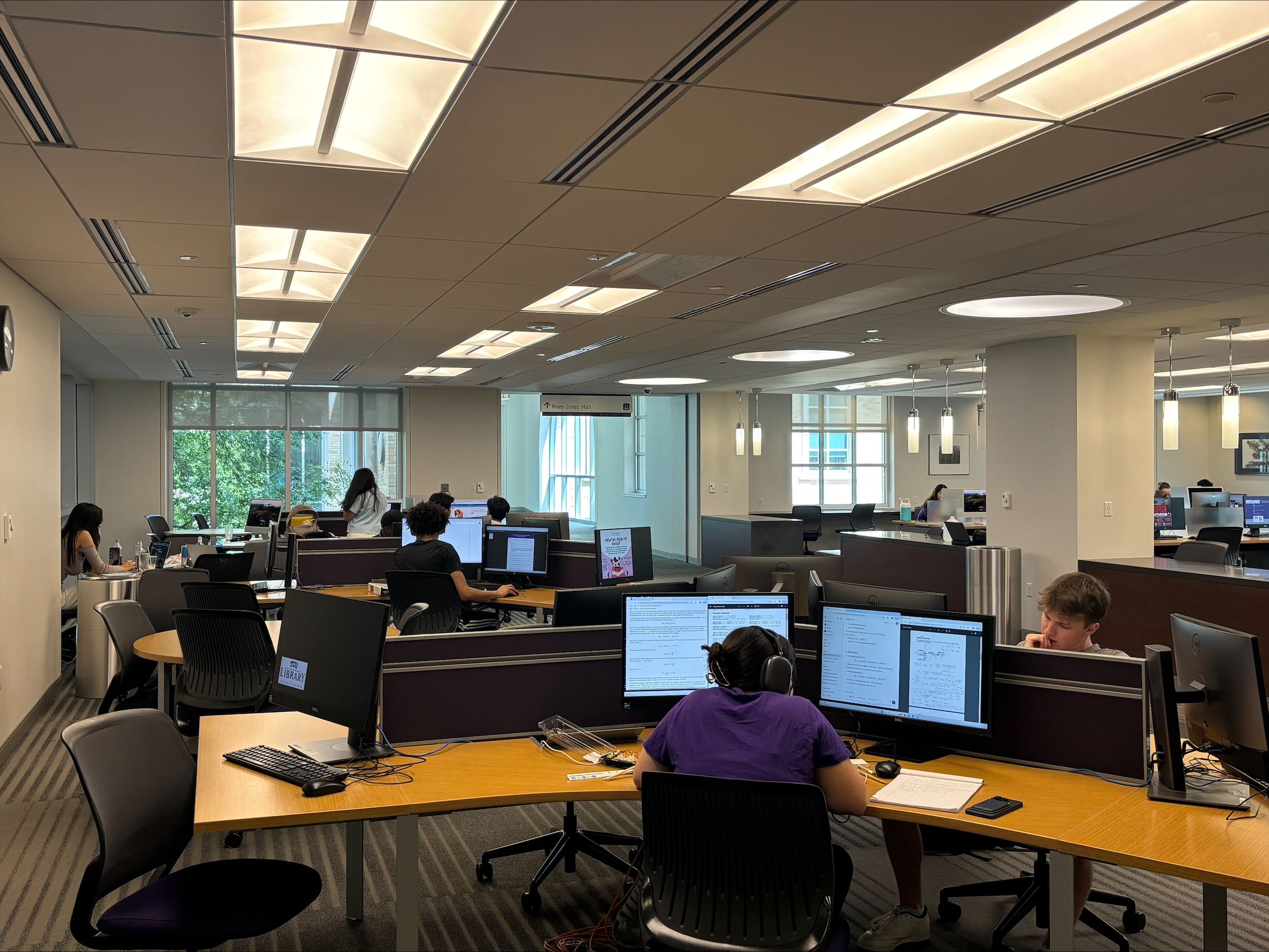
Students using computers in the Mary Couts Burnett Library, Texas Christian University, Ft. Worth TX (Zahra Ahmad).
Students using computers in the Mary Couts Burnett Library, Texas Christian University, Ft. Worth TX (Zahra Ahmad).
 Built with Shorthand