
Take the Internship
A Vital Bridge from College to Career Success


Internships have become an essential stepping stone for students transitioning from academic life to the professional world. As workplaces become increasingly competitive, gaining hands-on experience through internships can provide students with a crucial advantage.
According to the National Association of Colleges and Employers (NACE), "internship experience is not only important in preparing students for the workplace, it is a key attribute that employers look for when considering candidates."
This recognition of internships as a valuable career-building tool has led to an increase in student participation, with NACE reporting that the percentage of graduating seniors who participated in an internship is the highest that NACE has recorded in the past six years.
Given the growing emphasis on experience in the job market, internships not only help students develop industry-specific skills but also open doors to professional networks and higher-paying job opportunities.
The Changing Perceptions of Internships
In the past, internships were often seen as unpaid, lowly positions with little real-world value. However, this perception has shifted dramatically. Research from Forbes highlights that "with most entry-level jobs now requiring several years of experience, internships are becoming critical for success in finding a desirable full-time job."
Internships help students acquire invaluable skills that they do not gain in the classroom.
The Benefits of Internships
Internships provide students with a direct path to securing full-time employment after graduation. TCU Strategic Communication professor and long-time businessperson Russell Mack describes internships as a “bridge” for students and employers, showing employers that the student will “be able to handle the job.” A primary skill employers see students gain is “soft skills.”
Mack describes these skills as “learning to roll with the punches, that a job may not always be perfect.” He went on to say, “You learn to deal with people who are different ages, maybe different backgrounds, different personalities, and that is a culture shock.” From an employer's perspective, Mack said that he isn’t worried about a student's skills, that you see those on a resume and through writing samples, but your resume doesn’t tell him how you will handle different situations, what will tell him that: a successful internship experience.
TCU junior finance major Tyler Springer said his internship at Q Investments helped him strengthen his confidence in a professional setting, learn the value of being a sponge for new information, and understand how important it is always to be curious.
These are skills that students acquire through their internship experience rather than solely focusing on the company's prestige or internship title.
Garnering soft skills enhances your resume, making it easier for employers to hire someone who has experience in a similar setting.

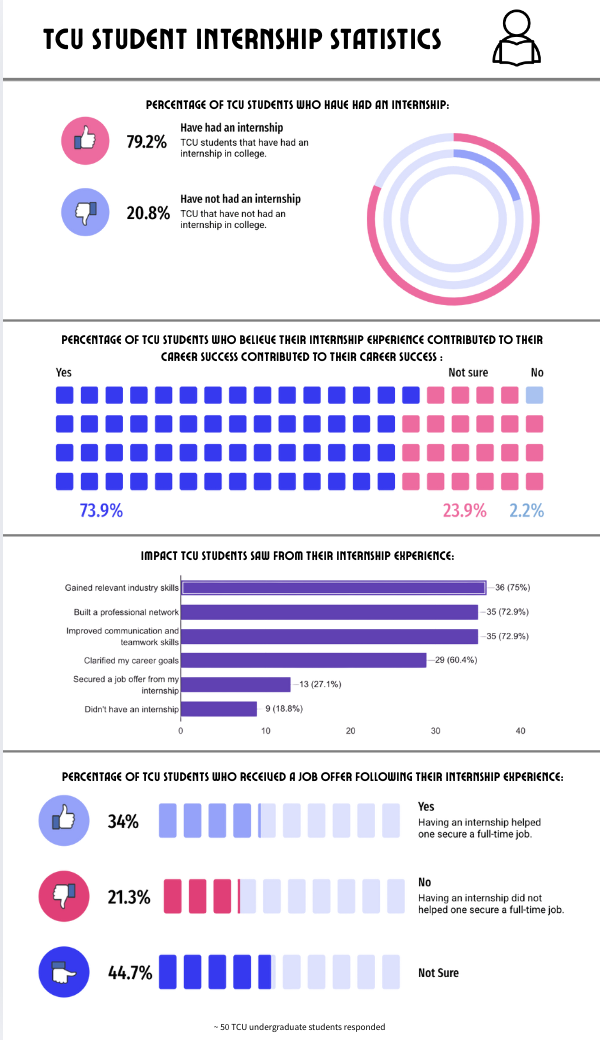
Infographic on TCU student internship statistics. (Created by Paxton Crews)
Infographic on TCU student internship statistics. (Created by Paxton Crews)
TCU Career Centers and Resources
Career centers and professional networks are vital in helping students maximize their internship opportunities. Forbes notes that "college students can often find good opportunities through their college’s career center and alumni networks."
TCU has multiple career centers and resources that provide students access to valuable industry connections, resume-building workshops, and guidance on navigating applications.
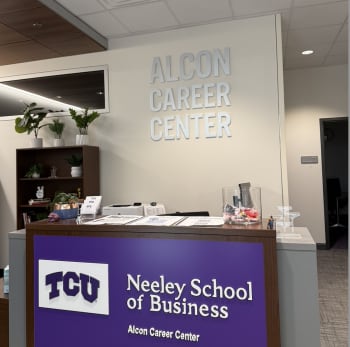
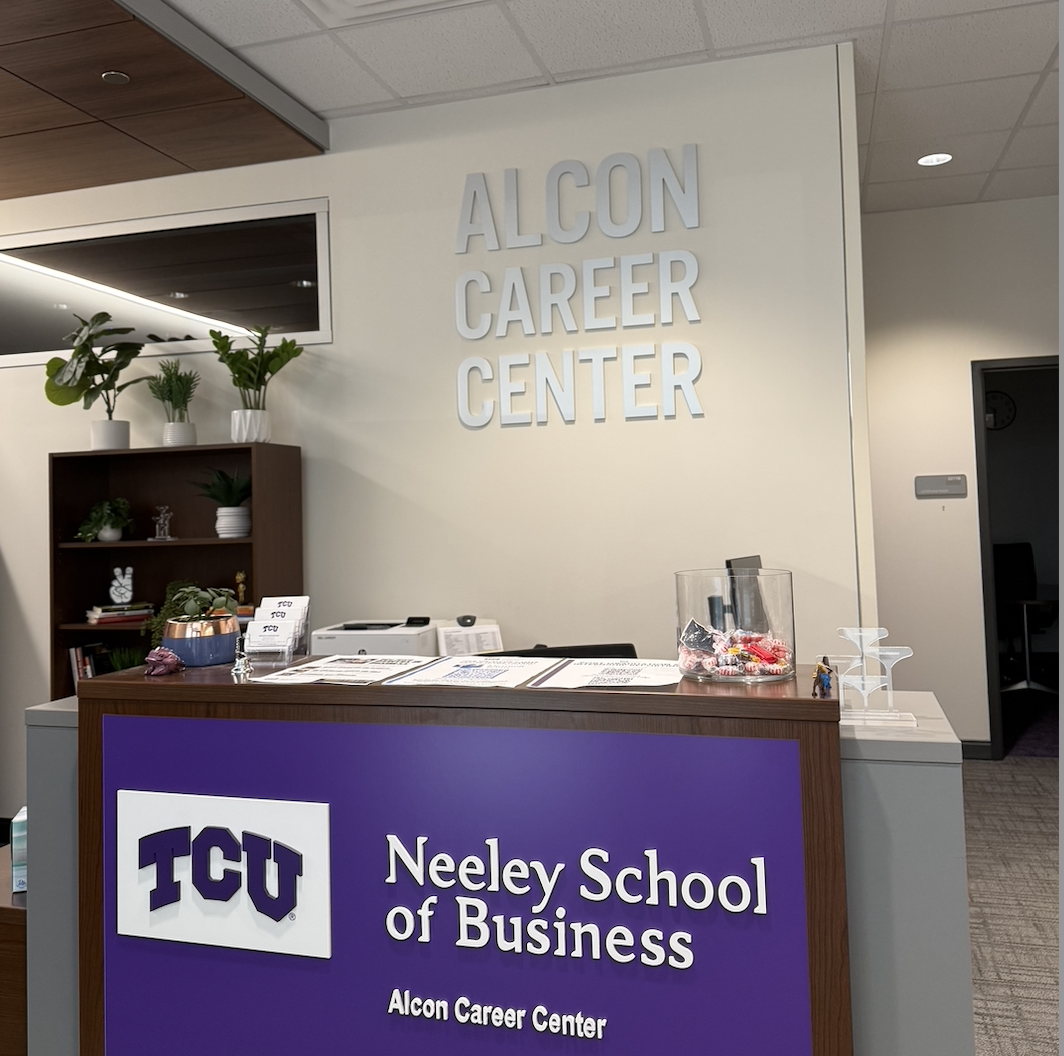
One of the centers is the Neely Alcon Career Center, located in the business building, specifically for TCU Neely School of Business undergraduate students. Interim director Mary Elliott highlighted that internships are valuable for career exploration and gaining real-world experience, particularly in business fields.
Elliott said that traditional internships are common in fields like finance and consulting, but other experiences can be beneficial as well. She advises students to take advantage of career center resources, including networking opportunities and guidance from career advisors.
Elliott squashed perceived disadvantages, emphasizing the importance of staying open to unexpected opportunities and leveraging skills effectively to stand out in job applications.
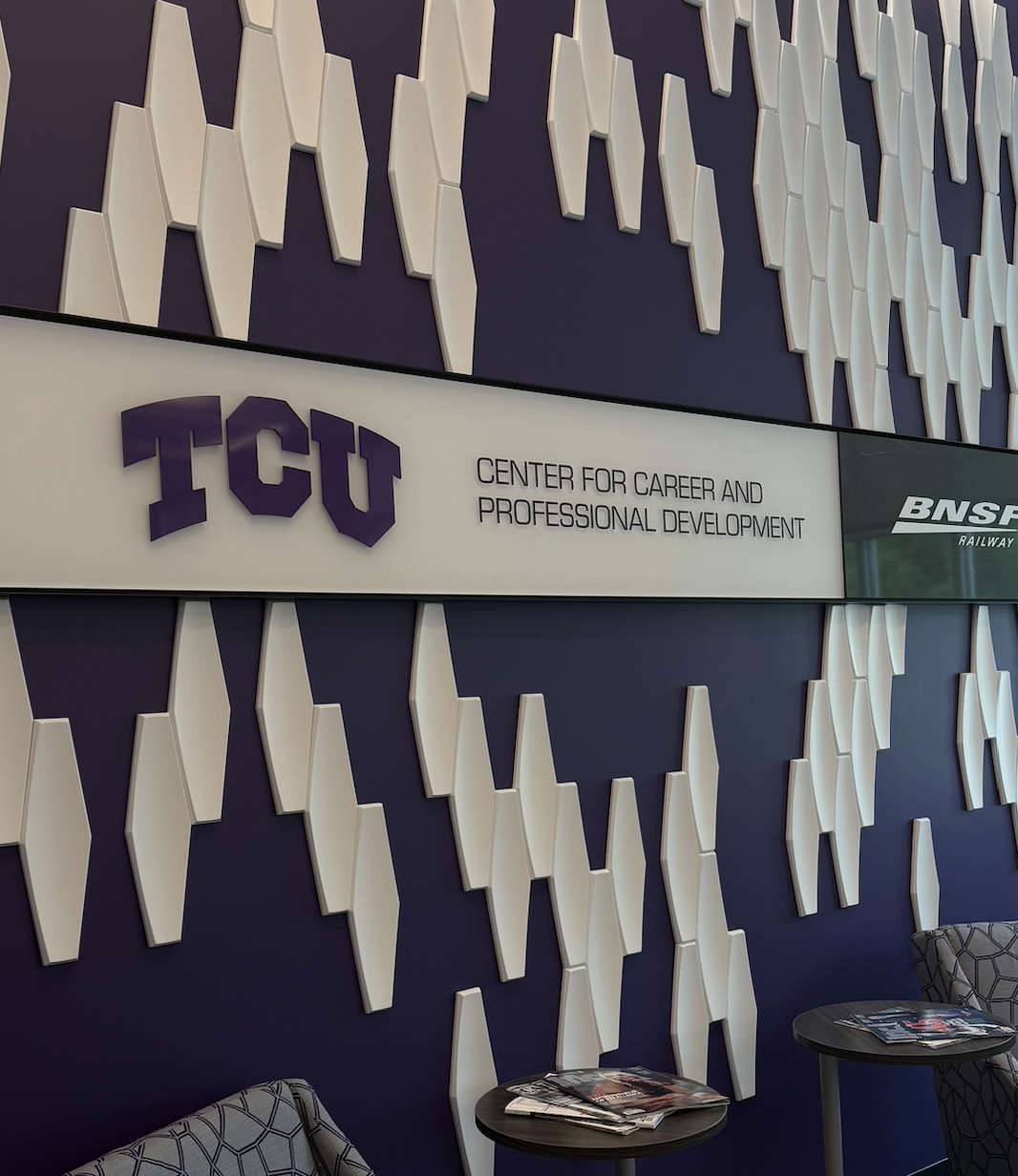
Located in the Harrison is the TCU Center for Career and Professional Development. This center is open to TCU students and alumni, helping students and alumni from all majors prepare for and find opportunities in the workforce. “At TCU about 4 out of 5 students will complete at least one internship or outside the class room experience,” said Mike Caldwell, Executive Director for TCU Center for Career and Professional Development. “To support students with unpaid internships, we provide an intern scholarship program to provide funding assistance to students who may have expenses related to travel, in order to take on an unpaid internship.”


Making the Most of an Internship
Furthermore, networking within an internship can be a powerful tool for future job placement. Forbes found that "relationships made during an internship can be incredibly fruitful when looking for a full-time job."
Additionally, LinkedIn data reveals that "LinkedIn members are 4x more likely to get a job at a company where they already have a connection," reinforcing the importance of building professional relationships during an internship.
To ensure an internship is as beneficial as possible, students should focus on more than just completing tasks—they should seek mentorship, take on meaningful projects, and expand their professional networks.
Additionally, working across different areas of a company can provide students with a well-rounded understanding of their chosen field and open up unexpected career paths.
Junior Strategic Communication major Madi Garcia said her internship with the Dallas Mavericks as a social media assistant “opened the door to a lot of connections, but also got me offered to do it again next season, and hopefully that can lead to a job after I graduate.”
New LinkedIn data states, "Interns are almost 25% more likely than non-interns to start a full-time position within 6 months of graduation." This demonstrates that employers prioritize candidates who have real-world experience.


TCU junior strategic communication student, Madi Garcia, taking photos at her internship as a Dallas Mavericks social media assistant. (Photograph by Paxton Crews)
TCU junior strategic communication student, Madi Garcia, taking photos at her internship as a Dallas Mavericks social media assistant. (Photograph by Paxton Crews)
Conclusion
Internships have evolved from being optional resume boosters to essential career-building experiences. They provide students with valuable skills, industry exposure, and crucial networking opportunities, which significantly enhance their job prospects.
As the job market becomes increasingly competitive, internships bridge the gap between education and employment, equipping students with the experience necessary to thrive in their careers. As Mack emphasized, “professionalism isn’t taught in a classroom.”
By strategically selecting internships that align with their career goals and fully engaging in the experience, students can set themselves up for long-term success in the workforce.
 Built with Shorthand