
Streaming the Game:
How College Students are Changing the Way We Watch Sports
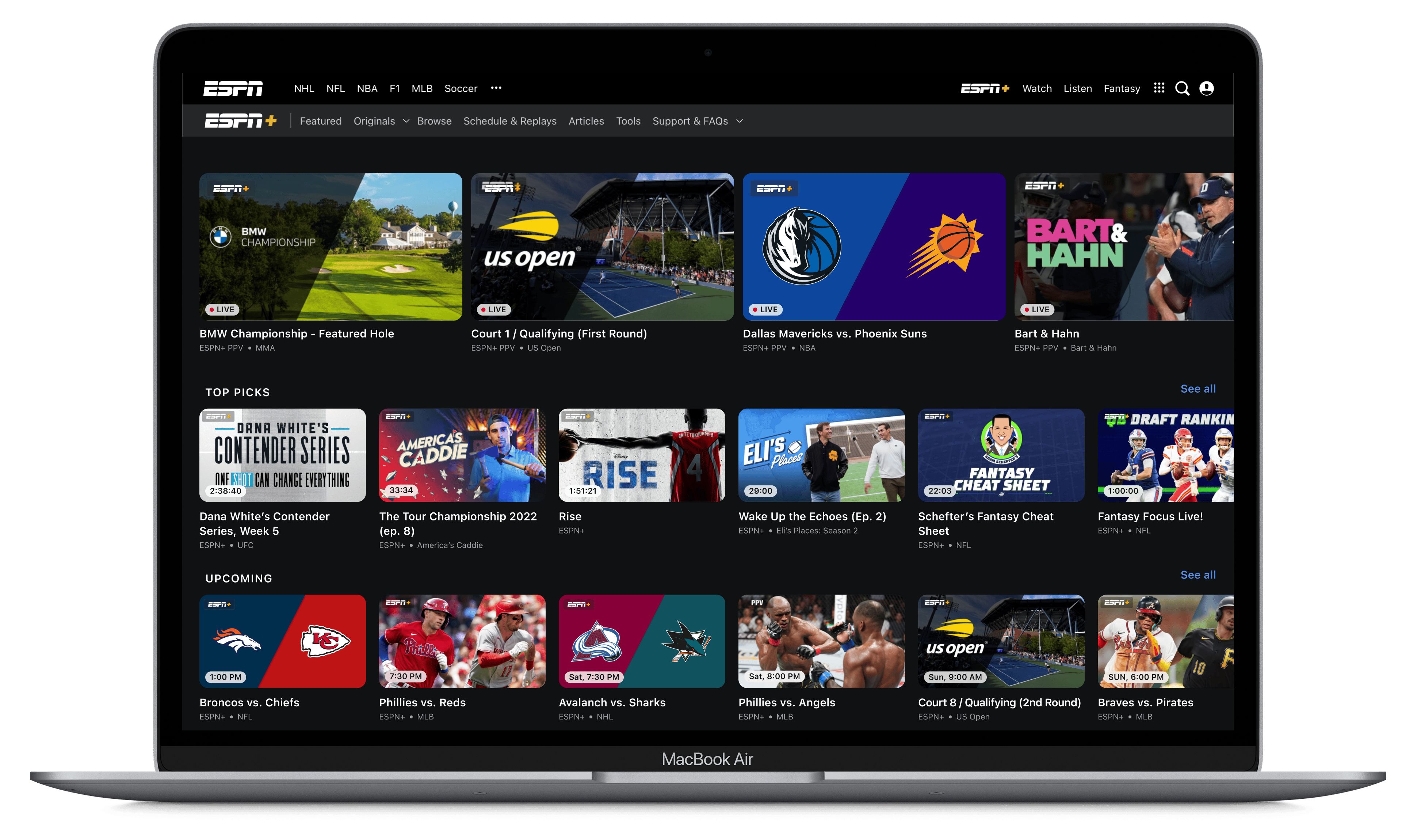

As traditional TV viewership declines among younger audiences, college students are the leading group shifting towards a digital platform when it comes to watching sports.
A survey I conducted in April 2025 among 46 college students shed light on how this demographic consumes sports content, what influences their choices and how streaming services and social media are shaping the viewing experience.
While a few students still rely on traditional cable or satellite television, the majority now gravitate toward streaming services and social media to get their sports fix. Out of 46 respondents, only one selected cable TV as their sole platform
"I like having the choice to watch games on my phone or laptop so I can stream from anywhere."

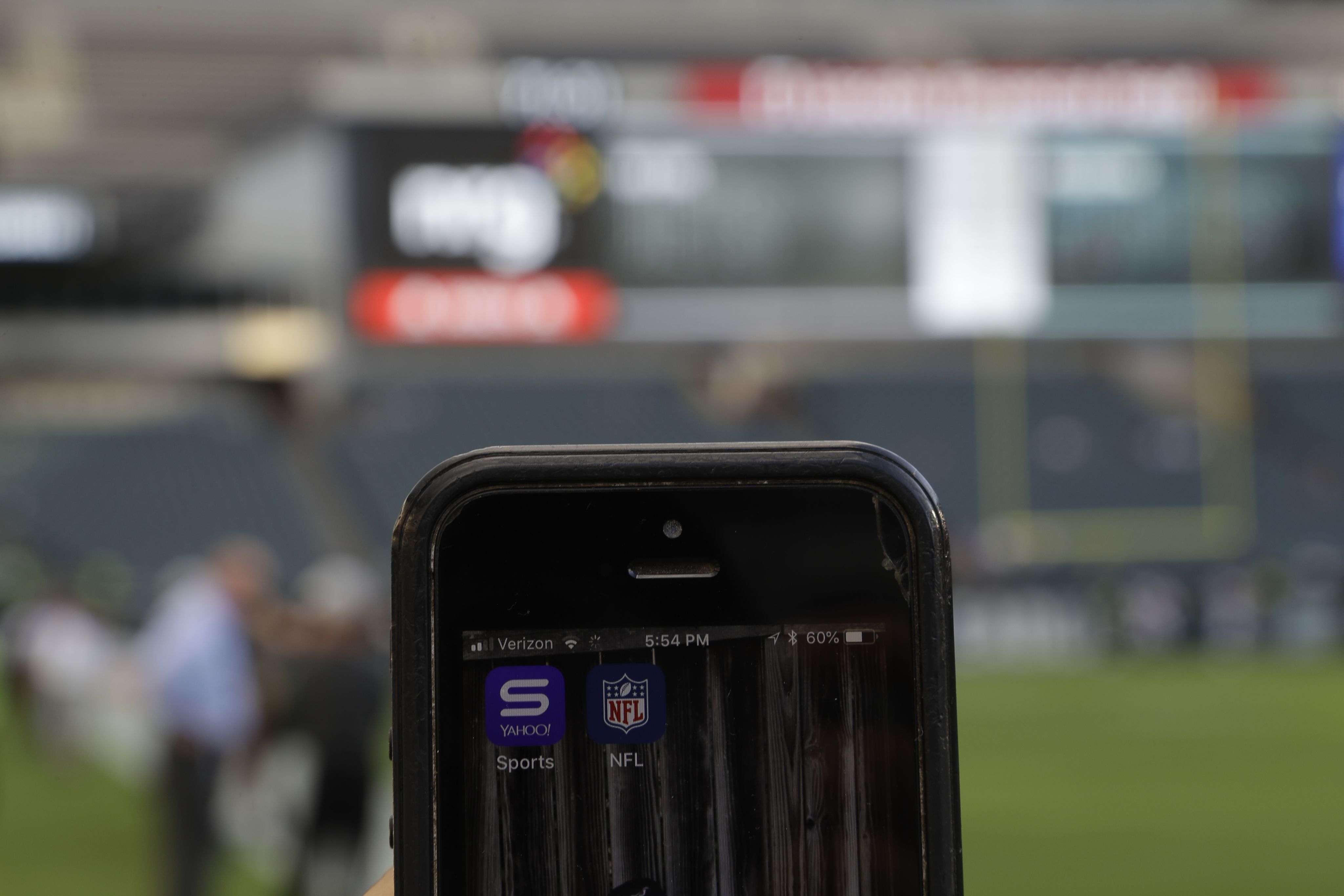
A phone home screen shows the NFL and Yahoo Sports apps. Many rely on mobile apps to follow games, check scores and manage fantasy teams. (AP Photo/Matt Rourke)
A phone home screen shows the NFL and Yahoo Sports apps. Many rely on mobile apps to follow games, check scores and manage fantasy teams. (AP Photo/Matt Rourke)
Most indicated they used a combination of streaming services. Popular services were ESPN+, YoutubeTV and Hulu. Social platforms like Instagram and X were the most popular socials to stay updated on the latest sports news. For students, this means that although viewing is more fragmented it is often more flexible.
This shift that my survey displayed reflects broader national trends. According to a 2024 Nielsen report, audiences ages 18-24 are now spending more time watching content on digital devices rather than traditional cable television.
For students, convenience and accessibility are key factors.
“I like having the choice to watch games on my phone or laptop so I can stream from anywhere,” said senior Jackson Woodard.
Academic research also supports these patterns and notes the effects it is having on the broadcast networks. In Tom Evans and Pertros Iosifidis' article Sports Viewership Goes Down: What’s Up for Television Sports Rights? , the authors note that sports broadcasters are facing a decline in viewership and a rise in costs of rights. This changing landscape of sports entertainment consumers will force the reshaping of the traditional ways that sports broadcasting is monetized. Traditional networks will be doing more market sharing with newer streaming services, digital platforms and social media influencers.

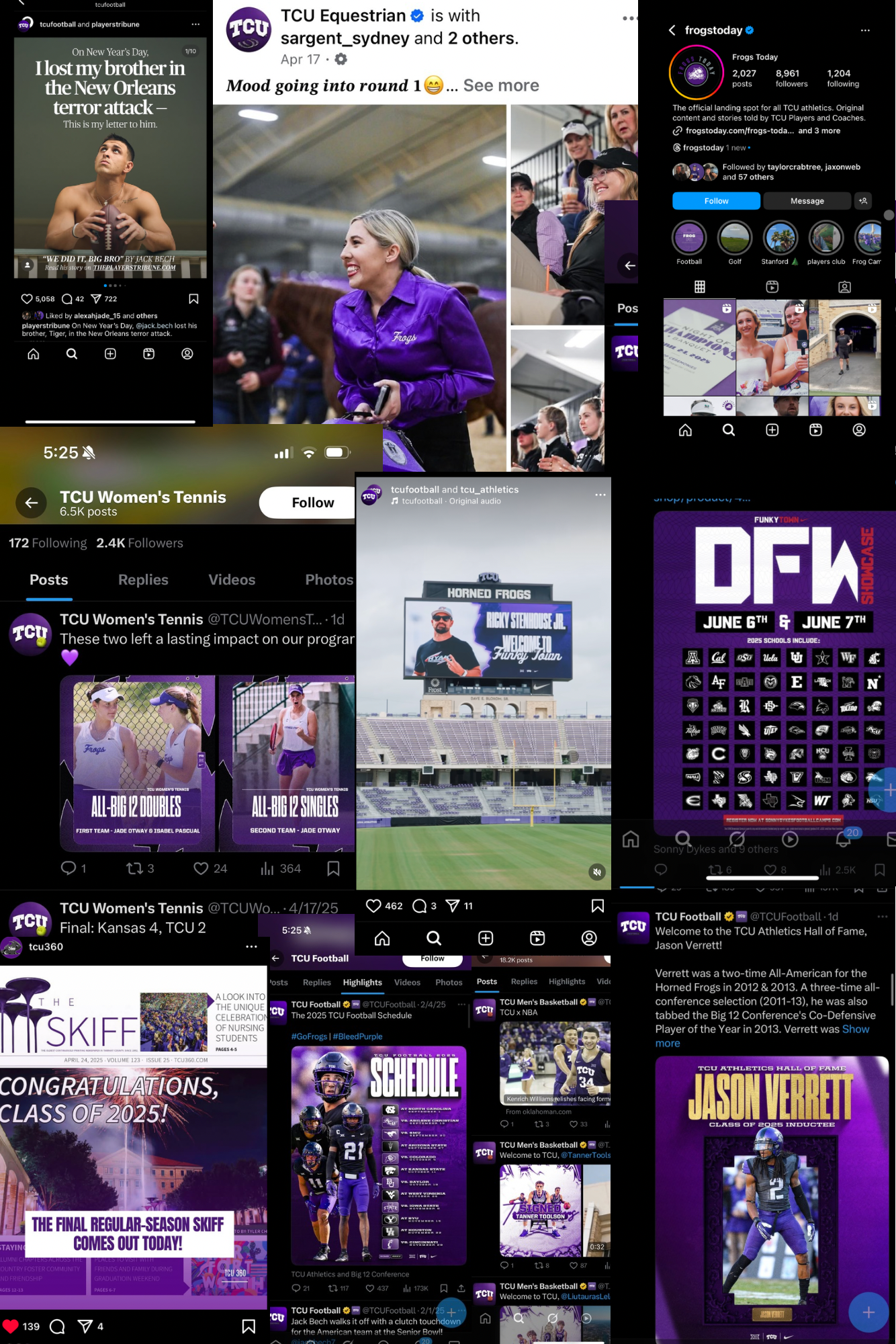
A collage shows various ways TCU Athletics and university media accounts use social media to share sports updates. Platforms like Instagram, X and TikTok help students stay connected to campus teams.
A collage shows various ways TCU Athletics and university media accounts use social media to share sports updates. Platforms like Instagram, X and TikTok help students stay connected to campus teams.
Young people and families are increasingly turning away from cable bundles and are instead turning to streaming platforms. These streaming platforms are becoming more competitive in the bidding and securing of major contracts with professional sports. For example, YouTube TV partnering with NFL Sunday Ticket exclusively. Students are also noting that services like Netflix and Paramount+ are securing big game deals around the holidays to exclusively broadcast national games.
This trend is also reflected in broader market trends. As Evans and Iosifidis explain, younger audiences are referred to as “cord-nevers” rather than “cord-cutters” as they have never subscribed to traditional cable television in the first place. For this generation, sports media has always been a digital-first experience.
When asked what motivates them to watch sports, students most commonly answered “entertainment.” This entertainment has aspects that are simply personal and the students derive satisfaction from just being entertained. However, there are other facets to that entertainment that their responses show add additional value.
Another aspect that was important for students was the community and shared experience aspect. Platforms such as Instagram and X provide that community conversation that they can choose to engage in to become part of the larger national dialogue about the sports stories that are captivating their family and friends.
Students were consistent in describing sports as a way to connect with friends, family, or their college community. One student’s reply described this community aspect of sports as he explained the one thing that brings him to watch televised sports, “I only watch when in a group setting where everyone else is watching too.”
YouTube TV is taking over traditional cable networks. (courtesy of @bigcontentpodcast TT)
YouTube TV is taking over traditional cable networks. (courtesy of @bigcontentpodcast TT)
Some replied that betting or involvement in fantasy leagues were their main motivating factors for viewership. As students engage in sports betting they are invested in the outcomes. They want to have that extra something that really draws them into the sporting event and makes it seem more meaningful to them. When including fantasy leagues in this discussion, in many cases these leagues satisfy both the gambling itch while also increasing the social interaction based on the sports viewing.
“I mostly keep up with the NFL because of fantasy football and betting,” said Taylor Crabtree, a senior. “It makes the games way more interesting, even if I don’t support the teams.”
In terms of frequency, responses varied largely. Some students reported watching sports content daily, while others only tuned in once or twice a week. This inconsistency may be due to variations in busy academic schedules or selective interest in certain sports or teams.
A Kansas State University study, College Student Sport Viewership Habits and Attitudes, echoed these findings. The study found that most students prioritize convenience, multitasking ability and the availability of highlight clips. One statistic that varied from mine was that in the Kansas State study, many students were more likely to watch a three-minute recap on YouTube than sit through a full game. In my study, when students were asked what type of content they prefer whether it be full games, highlights, interviews or analysis, 15 respondents still chose full games as one form of their preferred content.

Peacock is now home to Sunday Night Football in addition to NBC. (AP Photo/Peter Joneleit)
Peacock is now home to Sunday Night Football in addition to NBC. (AP Photo/Peter Joneleit)
Streaming services often offer lower costs compared to cable packages, but price still remains a concern for many students. Paramount+, which airs NFL games and UEFA Champions League matches, offers a 25% student discount. Peacock, home to Sunday Night Football and Premier League soccer, drops to $1.99 a month with student verification. Apple TV+ includes some MLB and MLS coverage and is free with a student Apple Music subscription. ESPN+ does not currently offer a student discount, but according to my survey students are finding cost savings by sharing accounts or using family plans.
Of the 46 surveyed, 20 said that the price affects which service they choose. Many students also admittedly still view sports on their family’s accounts, suggesting that shared access continues to shape viewing habits with over half of my respondents still being on their family’s streaming plans.

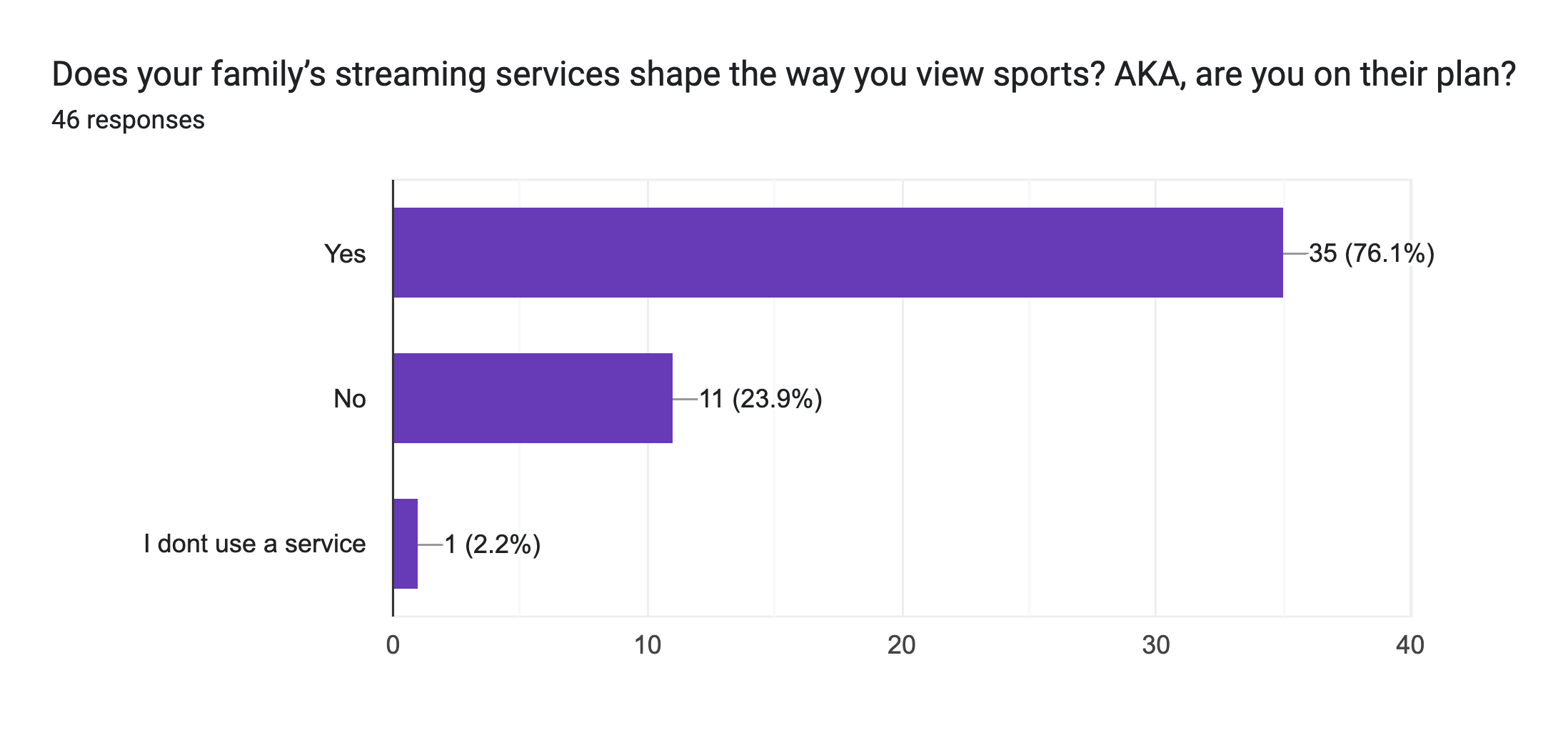
Source: Survey results of 46 TCU students.
Source: Survey results of 46 TCU students.
“I only use YouTube TV because my parents already pay for it,” said Ian Keeney, a sophomore. “If I had to subscribe on my own, I probably wouldn’t bother.”
The study showed that those who were paying for additional services didn’t always end up continuing that service.
“I paid $200 for NFL Sunday Ticket which is on YouTube TV which is already $90 a month, which is why I ended up dropping YouTube TV,” one respondent said.
To gauge how pleased students were with their preferred platforms, they were asked to rate how likely they would recommend their current service to a friend on a scale from 1 to 10. The average response was right around 5. This indicated that although students are using these platforms, they are not necessarily tied to them.
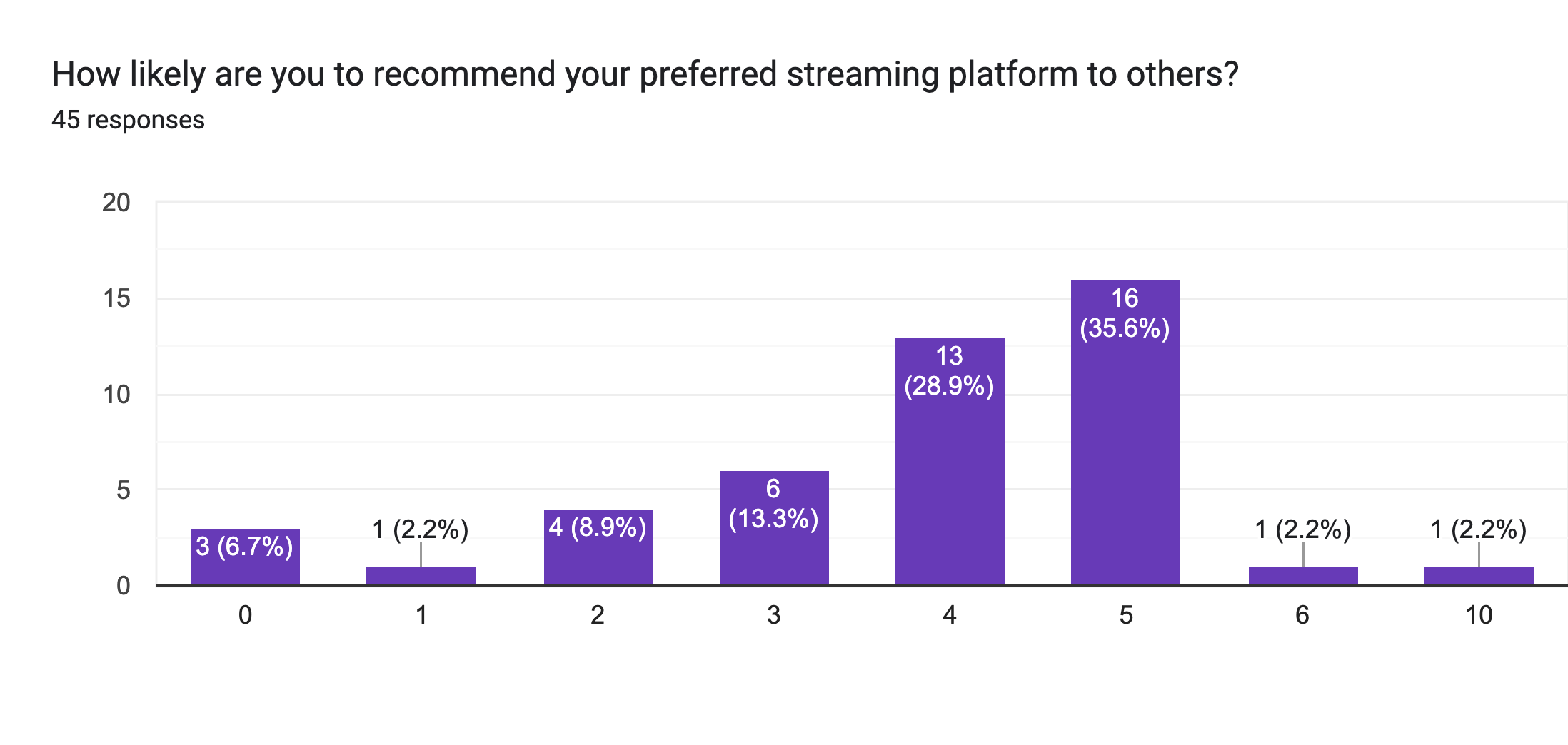
Source: Survey results of 46 TCU students.
Source: Survey results of 46 TCU students.
The takeaway? Sports networks and teams looking to engage with college-aged audiences must adapt to new viewing behaviors. That means prioritizing more short-form content, optimizing viewing for mobile and ensuring their services are competitively priced or easy to share.
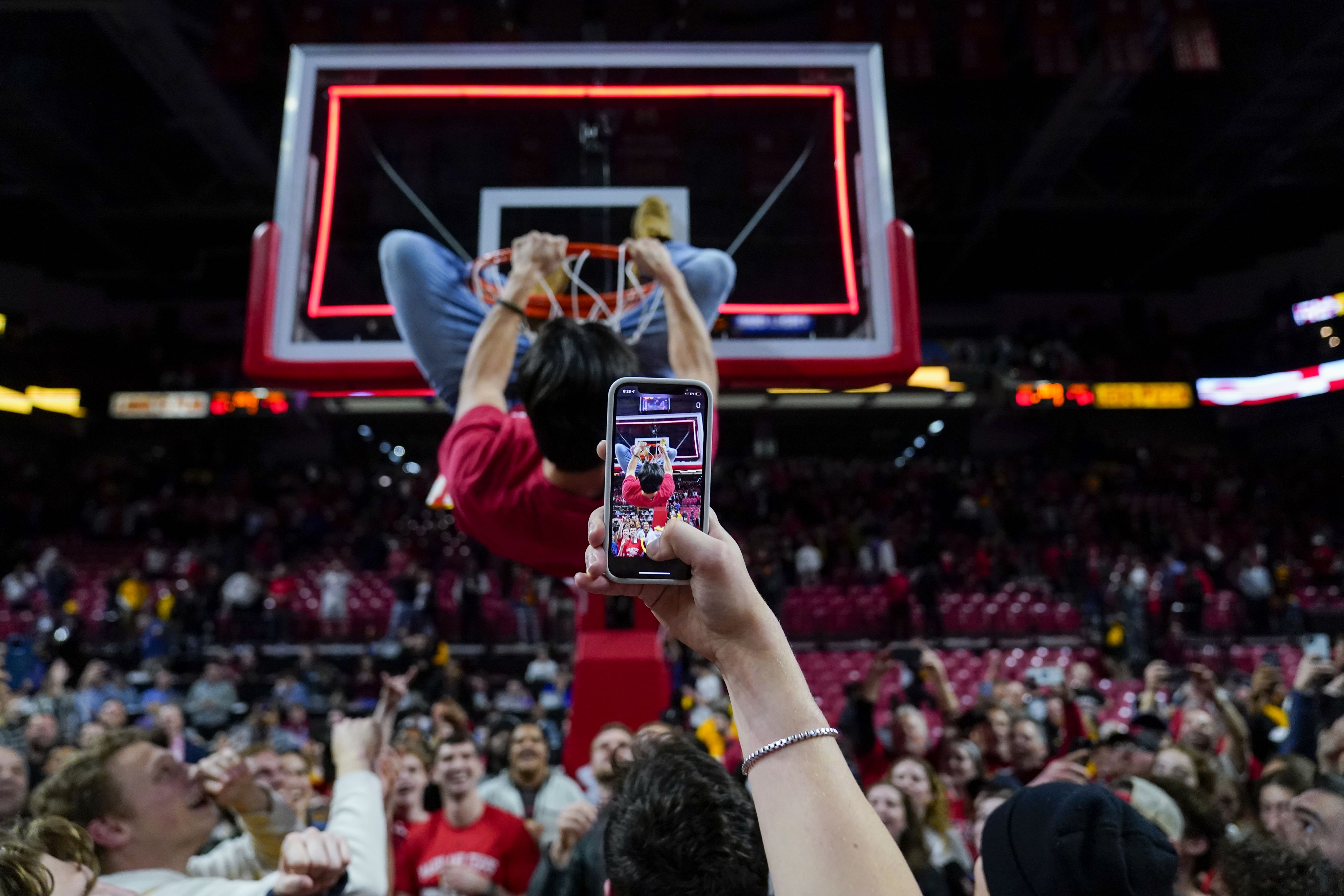
A college student takes a photo post game. Capturing and sharing moments is a common part of the student sports experience. (AP Photo/Julio Cortez)
A college student takes a photo post game. Capturing and sharing moments is a common part of the student sports experience. (AP Photo/Julio Cortez)
As first-year student Tyler said, “If it’s not on my phone, I’m not watching it."
This generation of sports fans are not turning away from sports but rather just watching in different ways than ever before. It will be up to the sports and entertainment industries to sort out the monetization of the different formats.
 Built with Shorthand