Spinning the wheel: Indigent defense in Tarrant County
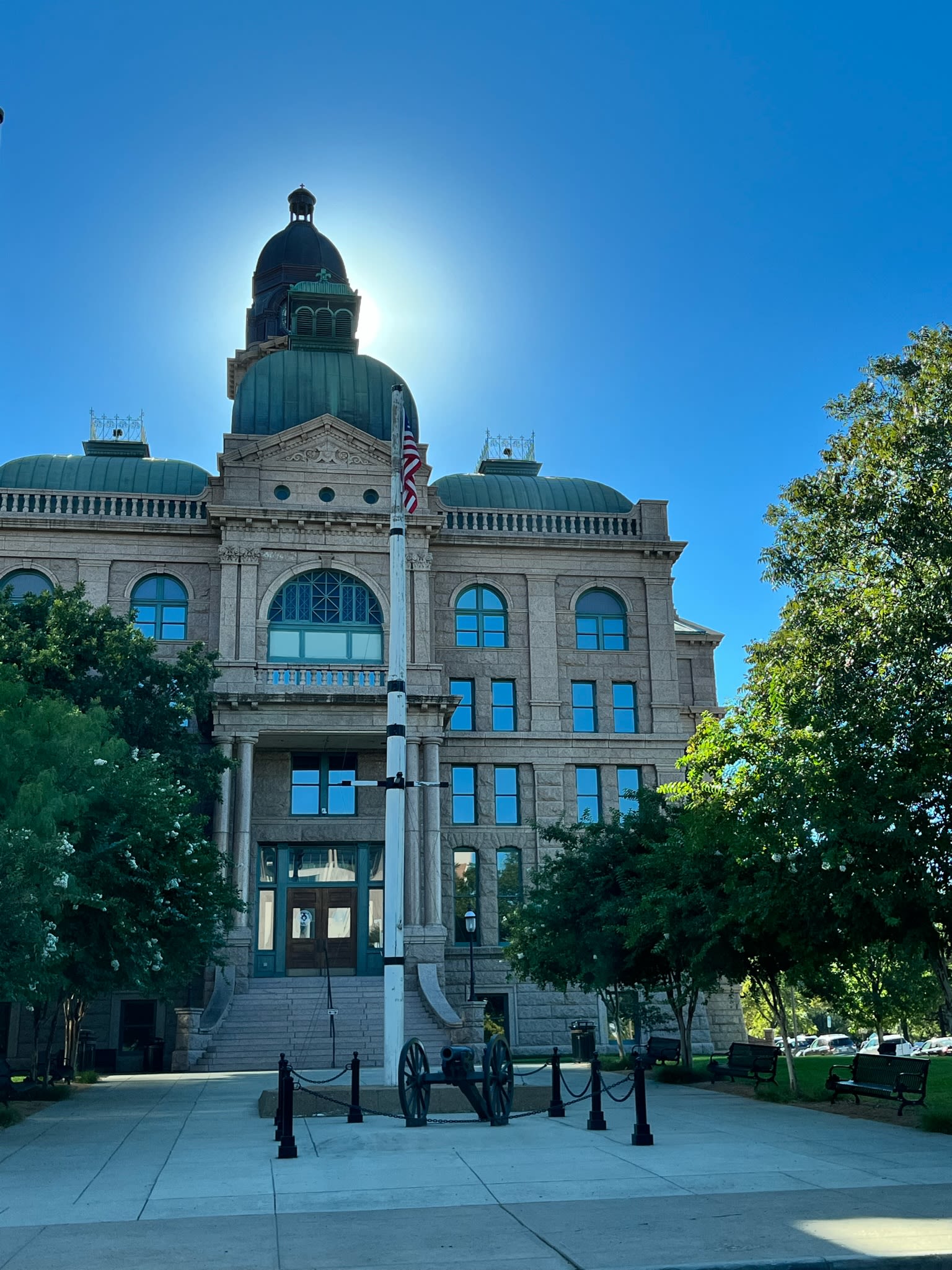

Tarrant County is the largest county in the United States without a public defender’s office. In a place with more than two million residents and one of the busiest criminal court systems in Texas, the right to counsel depends not on a centralized defense agency but on a rotating list of private attorneys.
On any given day, more than 4,000 people are held in the Tarrant County Jail. Most of them have not yet been convicted of a crime. They’re waiting on court dates, plea offers and, for many, on effective assistance of counsel.

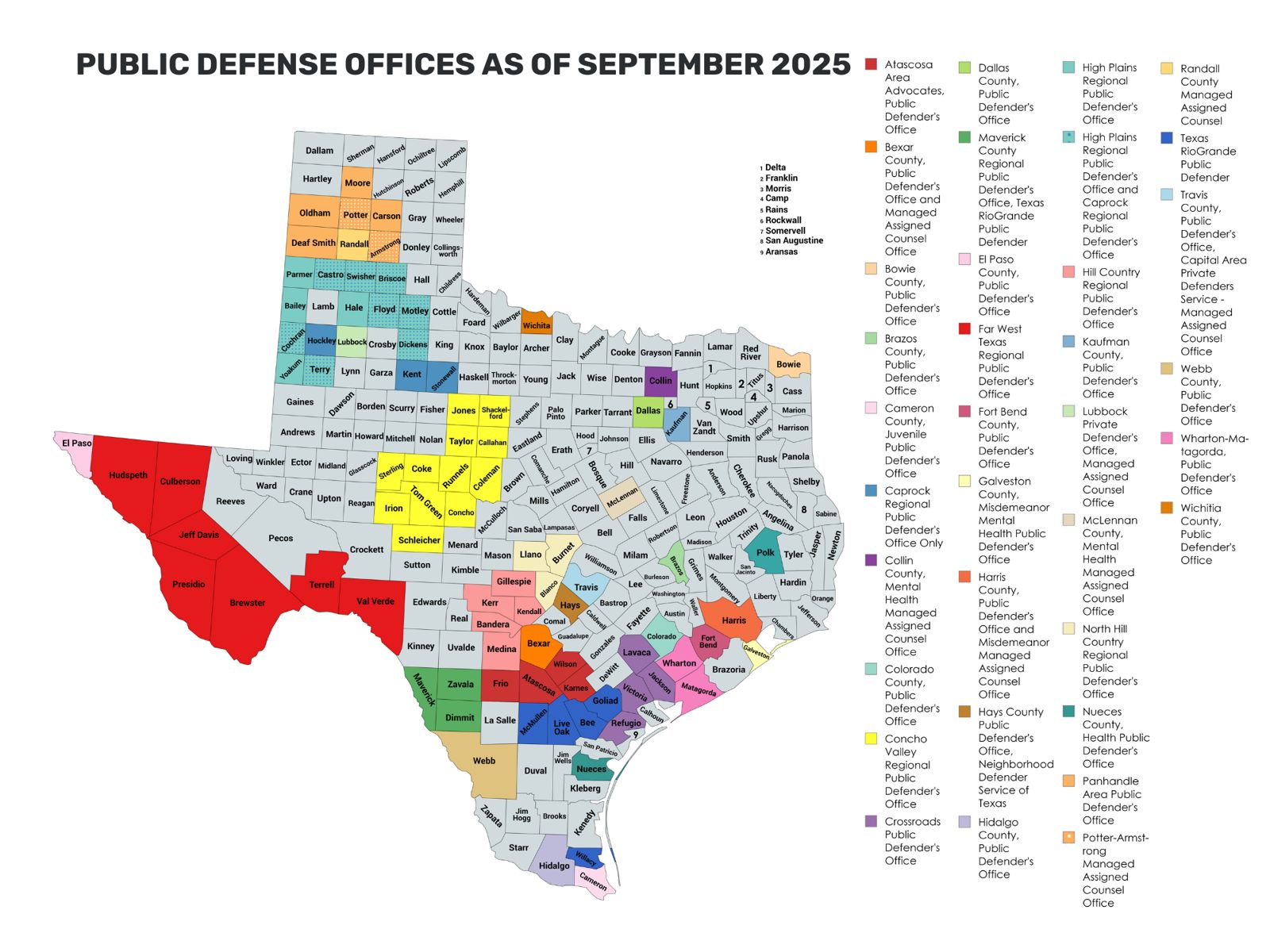
Photo courtesy of the Texas Indigent Defense Commission.
Photo courtesy of the Texas Indigent Defense Commission.
The law is clear. When a person is accused of a crime and cannot afford a lawyer, the court must appoint one. The Sixth Amendment guarantees that “in all criminal prosecutions, the accused shall… have the Assistance of Counsel for his defence.” Texas repeats the promise in its own Article 1, Section 10 of its state constitution.
“In criminal cases, the law requires that attorneys be appointed within one to three working days… of a defendant’s request being transferred by the magistrate to the local appointing authority,” the Texas Indigent Defense Commission (TIDC) explains.
More than 60 years ago, Gideon v. Wainwright (1963) required states to build systems for appointing lawyers, but it never specified what those systems must look like. Since then, indigent defense in Texas has taken very different shapes from county to county.


How is Indigence Determined?
Under Tarrant County’s indigent defense plans, defendants are considered “indigent” if they cannot afford private counsel without causing substantial hardship to themselves or their dependents.

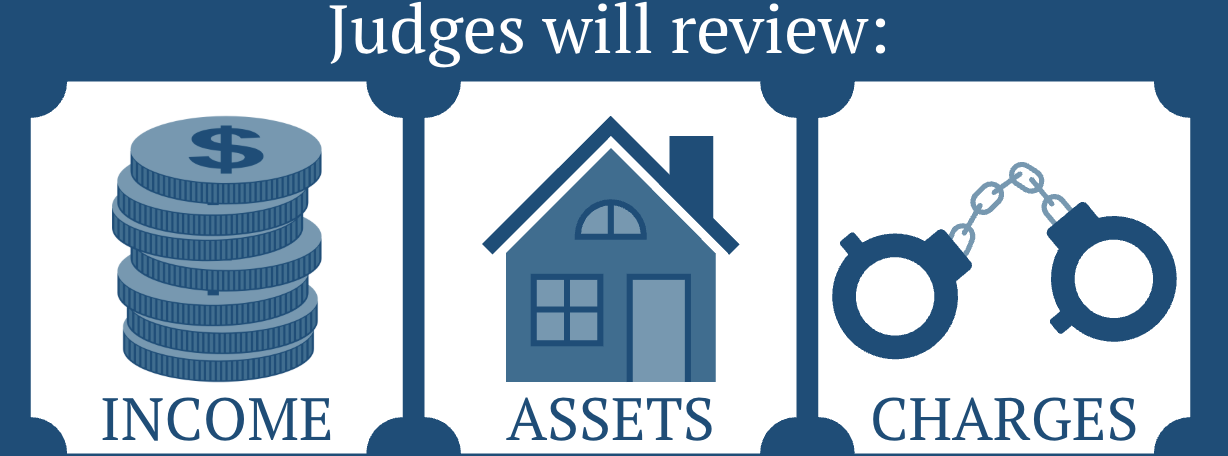
Defendants who qualify are entitled to an attorney at the county’s expense, but the quality and capacity of the attorney depends on the system assigning them.
What public defender offices do
Across most large Texas counties, public defender offices (PDOs) are the backbone of indigent defense. These offices employ full-time, salaried attorneys whose sole job is to represent clients who cannot afford a lawyer.
“If you wanted to hire attorneys at the actual rate to do a good job, it would cost a fortune,” Joel Lieurance, senior policy analyst at TIDC, said.
At the low rates counties pay, you can get private attorneys who will do this work, “but they usually won't put in much time,” Lieurance said. “So that's why you have public defender offices.”
Under Article 26.044 of the Texas Code of Criminal Procedure, a PDO is a governmental or nonprofit entity that uses public funded representation for indigent defendants.

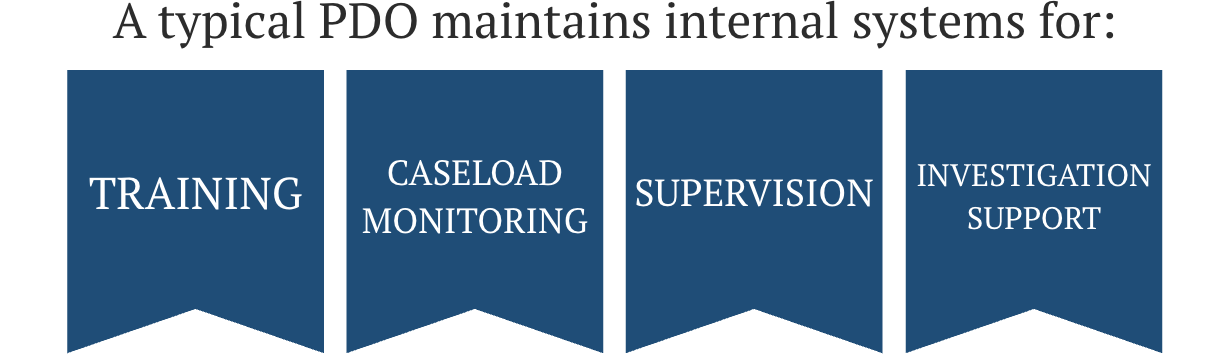
It centralizes responsibility, like a prosecutor’s office but for the defense.
“In Texas, historically … if you wanted an investigator on the case, a private attorney would have to go to the judge and ask for it.” Lieurance said. “In a public defender office, they would have an office investigator.”
PDOs are also structured to serve high need clients.
“There’s also a lot of people that are in the criminal justice system that have mental health or intellectual disabilities. Just to help them through that process, it can take a lot of hours … if you wanted to pay someone a fair rate for all those hours, it would be a fortune, so that's one reason why public defender offices are pretty good."
The PDO assigns the attorney; individual judges do not. Indigent defendants don’t get to choose their public defender, but neither do the judges who will later rule on their cases.
For former Bexar County district attorney and criminal defense attorney Nico LaHood, this independence is essential for the health of the justice system as a whole:
“You're always defending your client,” he said, “but many times you're defending the system against the government that can go awry or off the rails.”
How similar counties operate
Tarrant County’s structure stands out when compared with Dallas and Bexar counties, Texas’ other major jurisdictions with similar populations.
|
County |
Population |
System Type |
Oversight Level |
|
Dallas |
2.63m |
PDO + Assigned Counsel |
High |
|
Bexar |
2.06m |
PDO + Managed Assigned Counsel |
Moderate–High |
|
Tarrant |
2.17m |
Assigned Counsel Only |
Low |
Dallas County has operated a public defender’s office since the 1980s. Bexar County created a managed assigned counsel (MAC) office in 2021, centralizing oversight, training and appointment distribution.
LaHood said Bexar’s MAC model has improved funding and structure, but he warned that the system still depends on how seriously attorneys take their obligations.
“Numbers-wise,” LaHood said, “I don't think it still changes the lack of trials and lack of due diligence in representing people. ”
What Does a MAC Office Provide?
Instead of hiring full-time public defenders, a MAC program assigns private defense attorneys to represent indigent clients. Conflicts of interest are reduced as attorneys remain independent contractors, but they’re overseen and supported by a central office that:

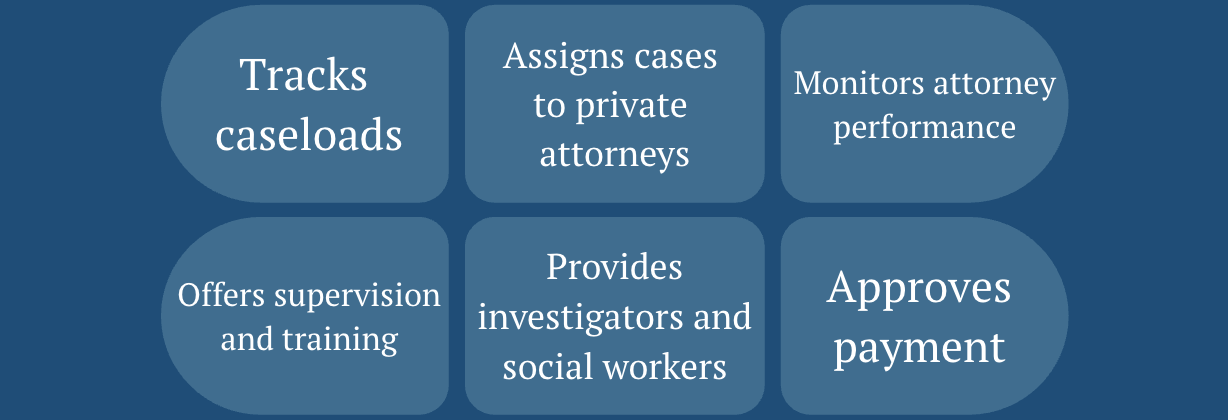
Most major Texas counties now rely heavily on public defender offices and managed assigned counsel programs to represent indigent defendants.
LaHood said the consequences of a county's choice reach far beyond any single courtroom.
“If you don’t have competent defense lawyers, innocent people go to prison — often.”

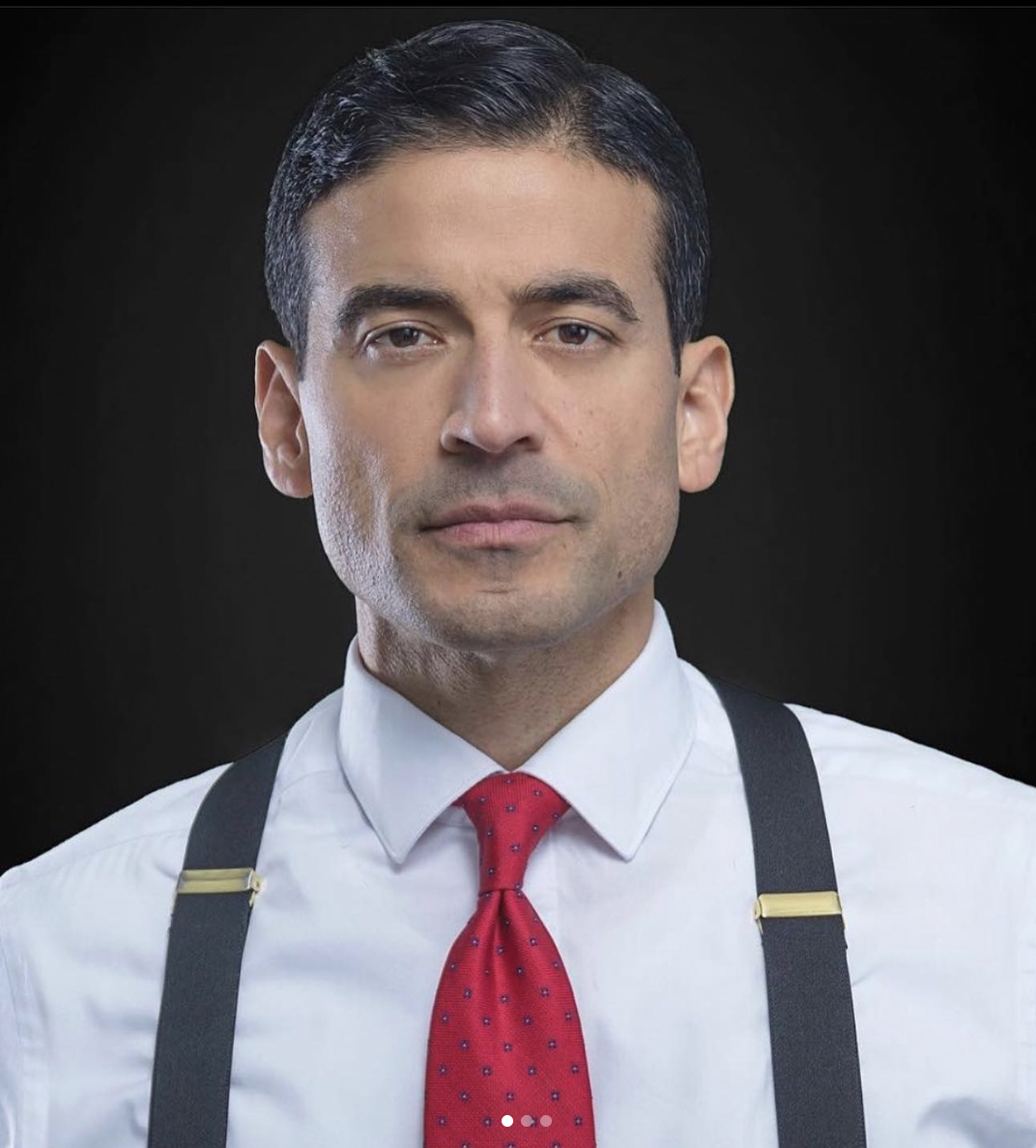
Former San Antonio defense attorney Nico LaHood.
Former San Antonio defense attorney Nico LaHood.
Tarrant County continues to rely almost exclusively on what’s known locally as “the wheel,” which the Tarrant County Court Plan describes as a list consisting of “the names of qualified attorneys approved by a majority of the county criminal court judges.”
The wheel was created decades ago, when Tarrant County’s caseload was smaller and its courts were less complex. Today, that same structure is used to assign counsel to tens of thousands of indigent defendants each year.
The wheel: how Tarrant County assigns attorneys
Instead of a PDO or a MAC program, Tarrant County uses an appointment “wheel” maintained by the Office of Attorney Appointments (OAA). The OAA, which — run by the Tarrant County criminal court judges — keeps multiple rotation lists: misdemeanors, felony defendants in jail, Spanish speaking clients and various specialty categories.
According to Tarrant County’s Indigent Defense Plan, “a qualified attorney will be appointed to each indigent defendant, whether in custody or not, based on a rotating appointment wheel consisting of the names of qualified attorneys approved by a majority of the county criminal court judges.”
When someone qualifies for a court appointed attorney, a judge approves the next name on the wheel. The assignment is made, payment is later approved by the court and the cycle repeats.
On paper, the wheel promises quick, neutral appointments. In practice, it often delivers high caseloads and thin representation.
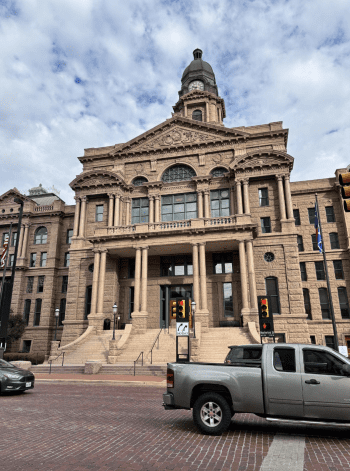

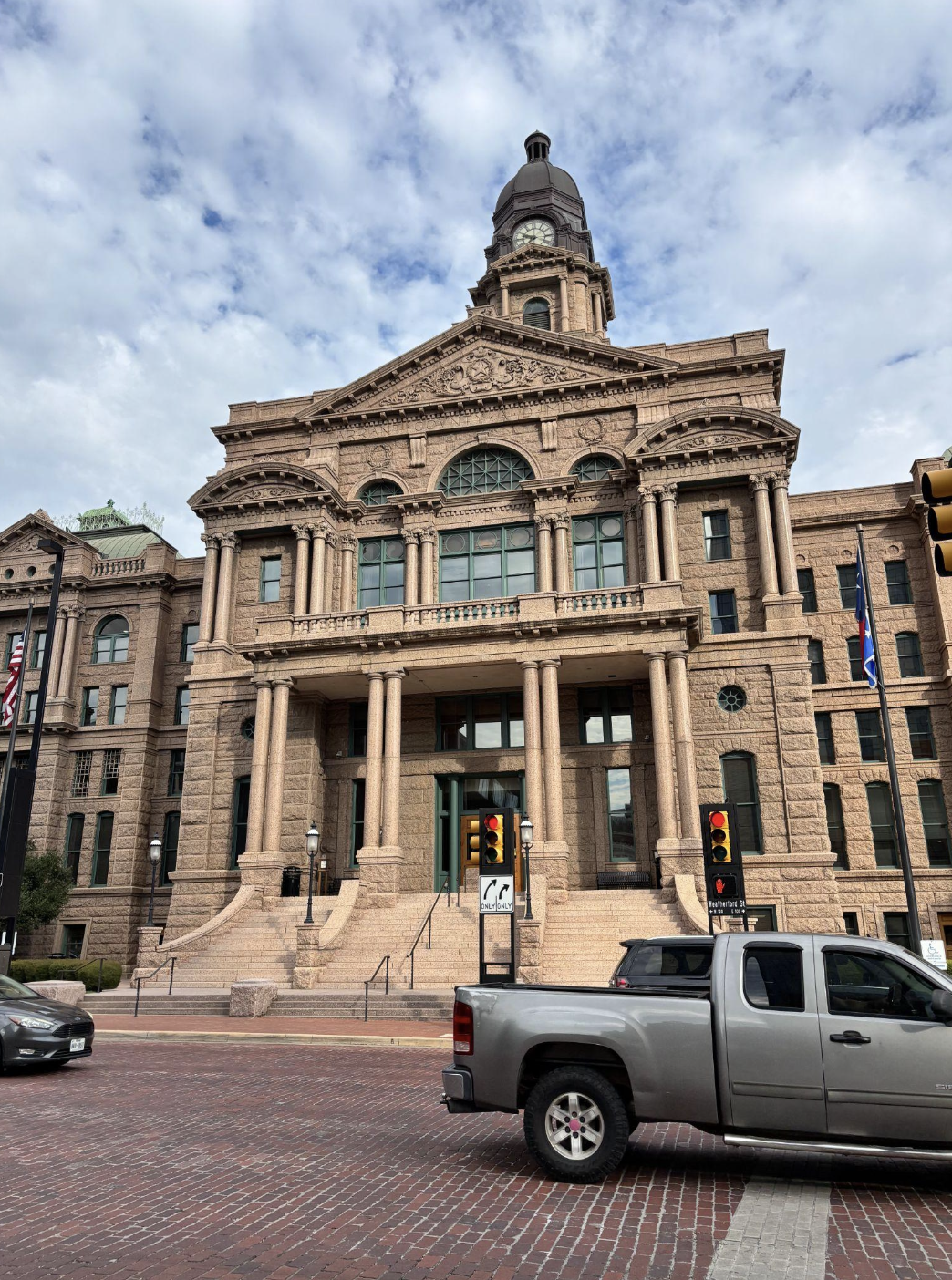
Tarrant County appointed 19,625 cases in fiscal year 2025, compared to 7,236 cases with retained counsel.
Roughly 79% of felony defendants and 61% of misdemeanor defendants rely on appointed counsel in Tarrant County.
A county report lists 219 approved court appointed attorneys on the OAA’s rosters.
But the number of available lawyers is shrinking.
|
Tarrant County Felony Case Activity: FY 2025 |
Count |
|
Cases where attorney was appointed |
19,625 |
|
Cases with retained counsel |
7,236 |
|
Total % of defendants relying on appointed counsel |
73% |

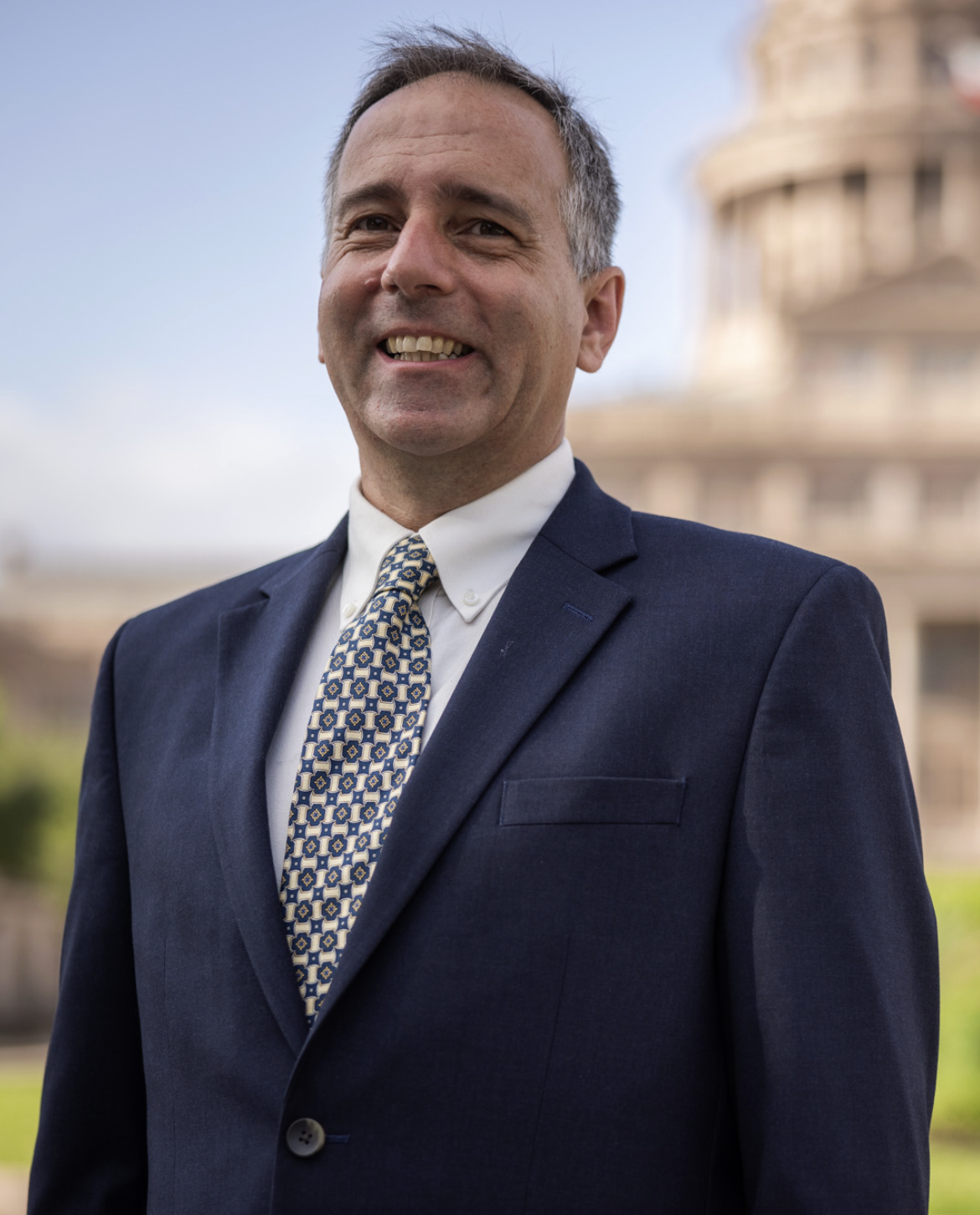
Joel Lieurance, Senior Policy Analyst at the Texas Indigent Defense Commission.
Joel Lieurance, Senior Policy Analyst at the Texas Indigent Defense Commission.
“Since about 2016 or so, the number of attorneys taking appointments has decreased in every single year. ... A lot of these attorneys are aging out, and so they might be 75 years old, and the court keeps asking them to keep taking cases, but … there's really nobody that's been taking over.”
Oversight on paper, gaps in practice
Tarrant County’s District and County court indigent defense plans require judges to monitor appointed attorneys, “and to carefully consider the removal of attorneys from the wheel who provide substandard representation to their clients.”
But the same judges who appoint lawyers are also tasked with policing them. There is no independent office tracking how many active cases an attorney has, how often they visit clients in jail or whether they have reviewed discovery before advising a plea.
A 2023 Fort Worth Weekly report found that one-third of court-appointed attorneys have a high caseload.
LaHood said this matches what he has seen in practice.
“Not all court appointed lawyers — I want to be really careful — but a lot of them don’t [look at evidence],” he said. “They don't review it with the client; they don't explain to them what's going on and the clients want to get it ‘over with’ also.”
It becomes, “an imperfect marriage,” LaHood said.
For clients stuck in jail while awaiting trial, the pressure is increased.
“They want to get out. They can’t make bond. ...They’re going to get a worse punishment if [they’re] found guilty.”
Ethical Standards for Attorney Caseloads
A statewide caseload study from the TIDC and the Public Policy Research Institute at Texas A&M concluded that a full-time criminal defense attorney can ethically handle no more than:

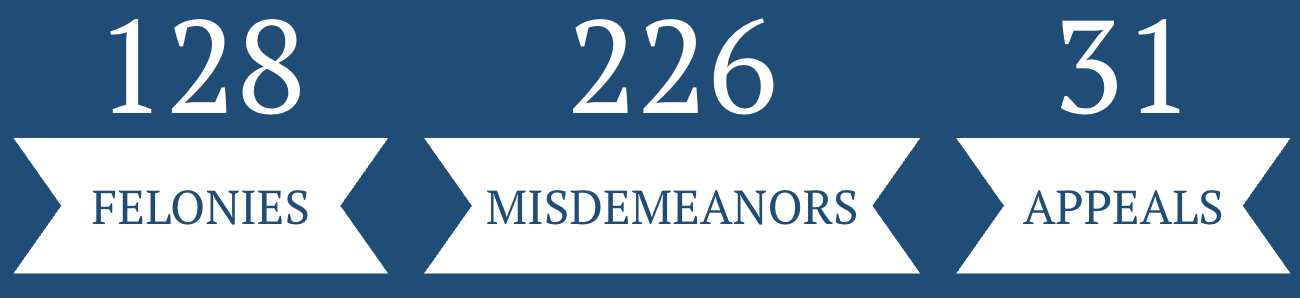
Or an equivalent mix, per year, in order to maintain the
minimum standards of preparation and communication set by the State Bar of Texas.
Too many cases

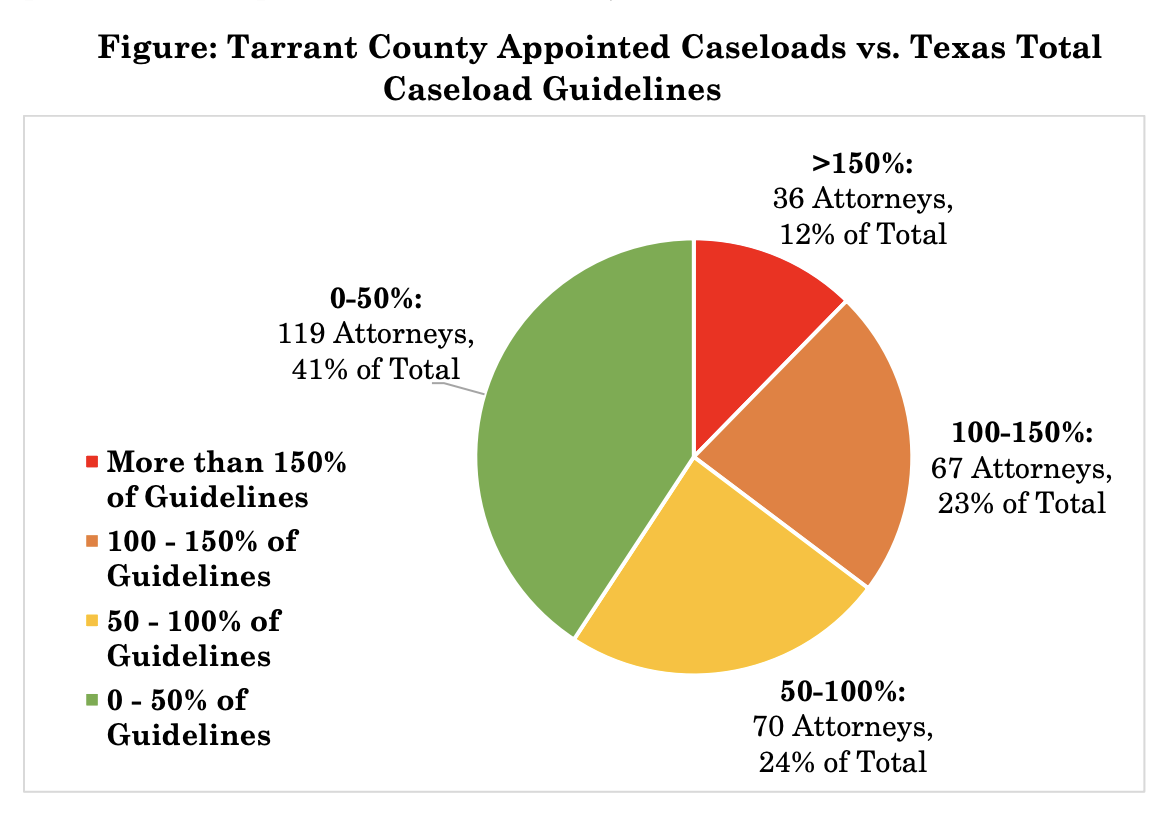
Tarrant County’s data shows how overloaded attorneys really are:
TIDC highlighted individual examples to illustrate the strain:
One attorney had 234 felonies, 84 misdemeanors, seven appeals and three capital murders.
Another had 152 felonies, 88 misdemeanors and 14 appeals, plus five capital murders, yet, “this was reportedly only 75% of the attorney's overall practice time,” according to TIDC.
In a county where nearly three quarters of felony defendants rely on appointed counsel, caseloads aren’t just numbers. They shape whether cases are investigated, negotiated or simply closed.
The jail population lens
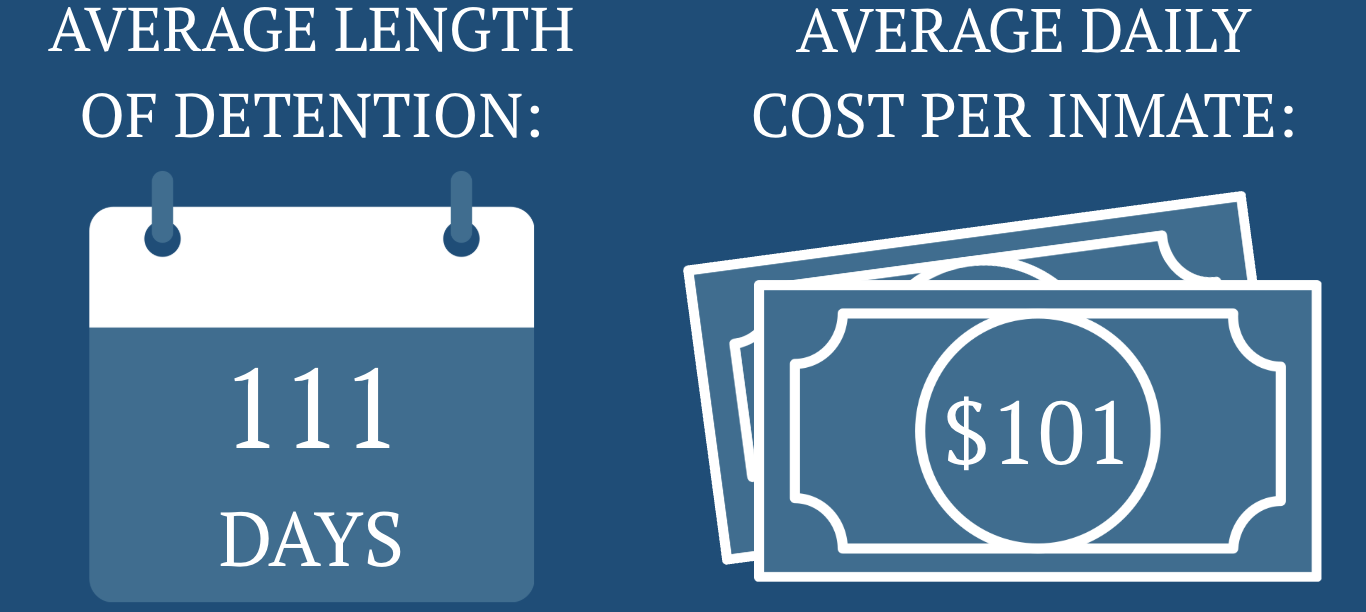
Tarrant County Jail data provides another perspective on attorney capacity. The jail houses an average of 4,062 people per day. Most are awaiting trial.
For people who cannot post bond, attorney access is their only contact with the legal system. When their lawyer is overloaded, every delay or missed jail visit extends the amount of time a legally innocent person spends in a cell.
“One problem that you sometimes get is private attorneys don't like to visit the jail," Lieurance said. "If you have to sit for four hours to visit your client, how many private attorneys are going to do it? One good thing about a public defender's office is they may have an investigator do it, and that investigator will sit there all day.”
Average daily population
|
TARRANT COUNTY JAIL |
Average Count |
Percent of Total Jail Population |
|
Felony Pretrial Detainees |
2,381 |
58.6% |
|
Misdemeanor Pretrial Detainees |
178 |
4.38% |
|
Convicted Inmates |
1,503 |
37.0% |



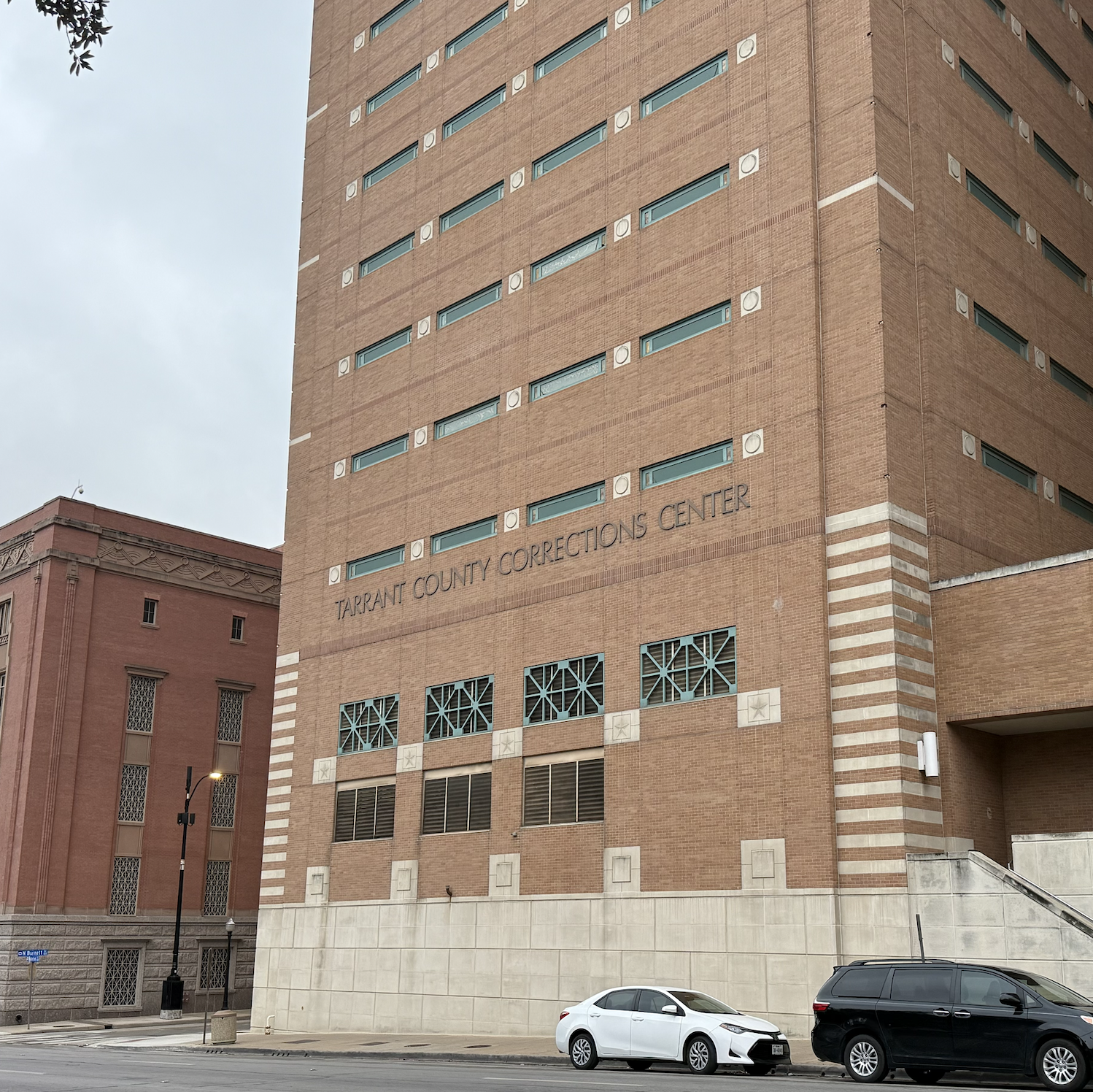
Tarrant County Corrections Center in Fort Worth. Photo courtesy of Sydney Miller.
Tarrant County Corrections Center in Fort Worth. Photo courtesy of Sydney Miller.

How attorneys are paid
Attorney compensation also shapes how indigent defense works in practice.
Indigent Defense Attorney Compensation in Tarrant County
|
Category |
District Courts (Felony Cases) |
County Criminal Courts (Misdemeanor Cases) |
|
Initial Appointment Fee |
— |
$75 |
|
Routine Court Appearance |
$50–$300 per appearance |
Included in category fee (e.g., $200 “Other,” $350 DWI/FV) |
|
Evidentiary Hearing / Trial |
$500–$1,500 per day (non-English cases same range) |
$600/day or $300 half-day |
|
Out-of-Court Work |
$50–$150/hr (English) $250/hr (non-English cases) |
Included in category fee (no hourly billing) |
|
Appellate Work |
$50–$125/hr |
$50–$125/hr (max $1,800) |
|
Post-Conviction Writ / DNA |
$50–$125/hr |
$50–$125/hr |
|
Billing Structure |
Hourly + day rates |
Flat fees for most cases |
In misdemeanor cases, most of the work — jail visits, phone calls, discovery review, negotiation and court appearances — is covered by a single flat fee approved by a judge at the end of the case.
“Maybe one of the worst things you can do is have a contract system … or flat fee arrangements,” Lieurance said, because an attorney is simply “not going to put in a week’s worth of work for $400.”
When combined with high caseloads, flat fee structures can create pressure to resolve cases quickly, often through pleas deals.
Pleas, trials and dismissals
In Tarrant County, as in most jurisdictions, very few cases go to trial. According to the Texas Office of Court Administration, out of 10,508 felony convictions last year:
10,351 (98.5%) came from guilty pleas. Only 157 came from trials.
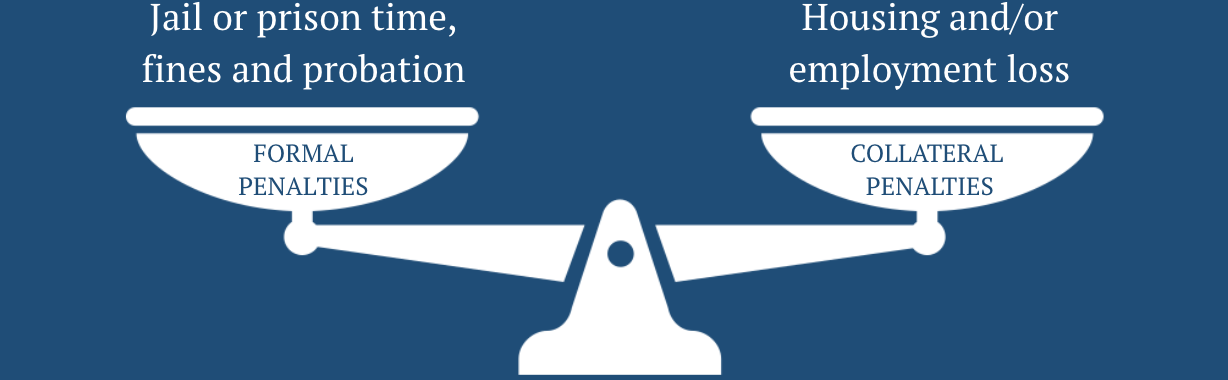
High plea rates are not unique to Tarrant County. But attorney availability, jail time and the level of investigation all influence how defendants interpret and accept plea deals. Lieurance said defendants can’t make informed decisions unless they understand the collateral consequences built into a guilty plea.
“In order to actually make or allow someone to plea voluntarily and knowingly and intelligently, it’ll take a lot of work," Lieurance said. "If you want to do a good job, it’s going to take some time."
LaHood said the financial structure of appointed work can encourage speed over scrutiny.
“Meet ’em and plead ’em? Oh, God, yeah, absolutely. It’s horrible,” LaHood said. “[The attorneys] don't get paid until it's resolved. So they don't do the extra. … They don't do anything more that they can't get paid for”
“If you’re going to act as a vending machine, then they don’t need a live person," he said. "Just say, ‘You can’t afford a lawyer? Here’s your offer.’ Now, no one’s looking at your evidence.”
What Happens When a Defendant Pleads Guilty?
When a defendant accepts a plea deal, they waive their right to trial and many appellate protections. A plea usually ends the case quickly, but it can carry long-term consequences:

Following the money
Tarrant’s reliance on the wheel does not mean it spends less on indigent defense than counties with public defender or MAC systems.
2023 Indigent Defense Comparison:
|
Category |
|||
|---|---|---|---|
|
Population Estimate |
2,636,564 |
2,167,129 |
2,062,280 |
|
Total Indigent Defense Costs |
$37,044,365.78 |
$26,901,753.99 |
$19,414,622.33 |
|
Formula-Based Grant Amount |
$1,549,420.00 |
$1,206,342.00 |
$961,103.00 |
|
Improvement Grant Amount |
$58,140.00 |
None |
$756,058.29 |
|
Non-Capital Felony Trial-Level Cases Paid |
32,548 |
20,574 |
16,363 |
|
Misdemeanor Trial-Level Cases Paid |
22,721 |
17,544 |
20,889 |
|
Juvenile Trial-Level Cases Paid |
6,565 |
1,957 |
2,687 |
|
Appeals Cases Paid |
363 |
169 |
73 |
|
Capital Cases Paid |
69 |
55 |
67 |
Tarrant’s indigent defense spending in 2023 is comparable to Dallas and Bexar. Unlike those counties, however, it received no improvement grants, which counties must apply for to expand or modernize their defense systems.
“Improvement Grants help counties develop new programs or processes to improve indigent defense,” according to the TIDC. “They are competitive, dependent on available funding, and usually require county matching funds.”
What it costs to stand still
When Gideon v. Wainwright was decided, the Supreme Court imagined a country where the right to counsel did not depend on wealth.
Tarrant County has chosen a different path.
It spends tens of millions each year on indigent defense without building the structures that other major Texas counties now consider standard. It relies on a wheel of private attorneys, many of which have workloads that far exceed recommended guidelines. It keeps thousands of legally innocent people in jail while their cases inch forward. And it sends nearly all felony convictions through guilty pleas in a system where time, information and leverage are unevenly distributed.
“The justice system should bring order to a society,” LaHood said, “not disorder and not injustice.”
The question for Tarrant County is not whether change is possible. It is whether the county will continue live — and plead and wait — inside a system built for a smaller docket, a different era and a much lower human cost.
Full interviews, source materials and datasets used in this reporting can be found here.
 Built with Shorthand