
Social Media and Body Image
How does social media consumption impact body image among TCU females?

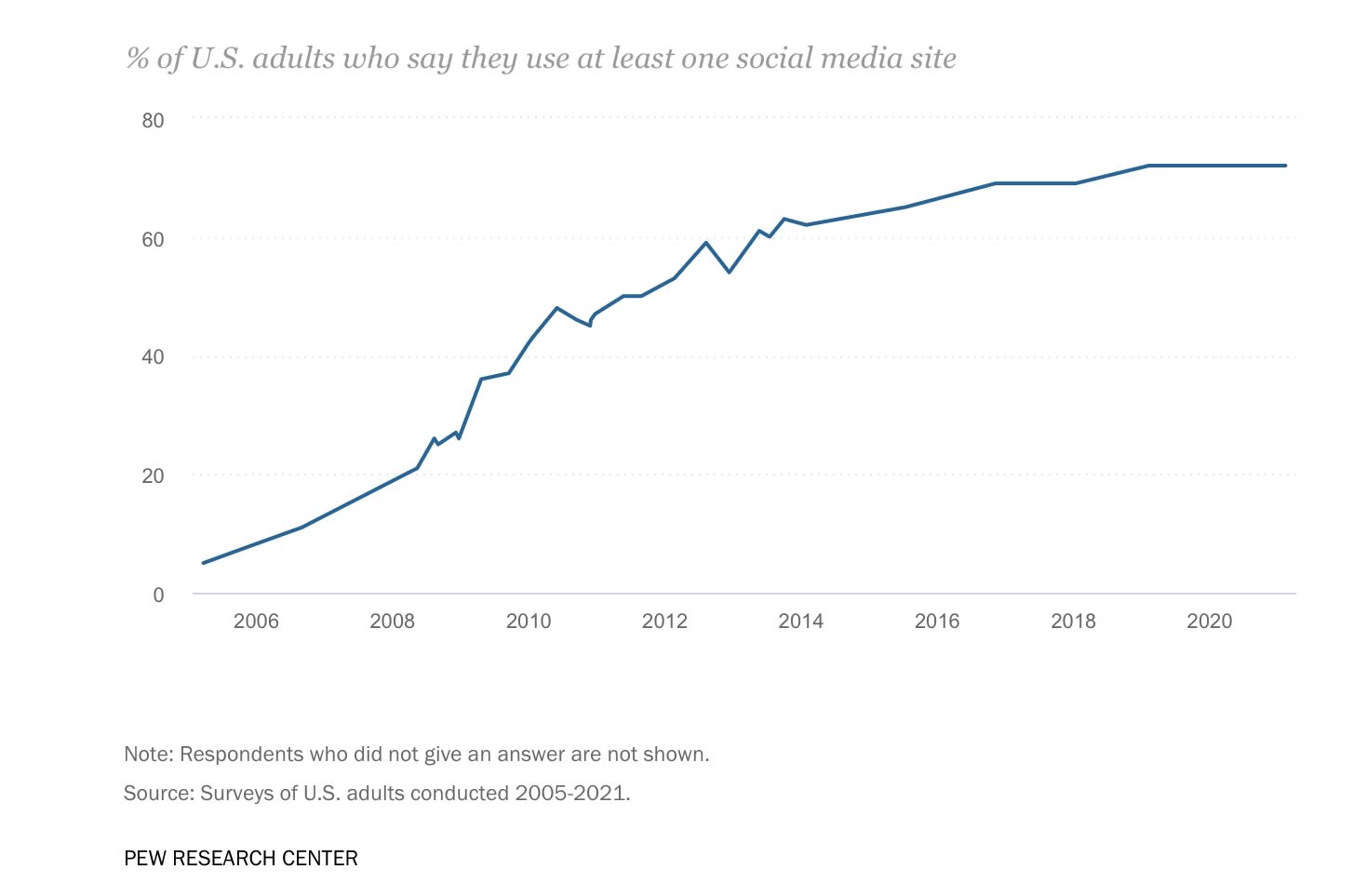
The online world of social media connects people in a matter of seconds. The Pew Research Center began tracking social media use for Americans in 2005 and found that 5% of Americans were active users. Today that number has rocketed to approximately 72% of the U.S. population using some type of social media. With an increase of users, follows an increase of sites.
The ‘social media era’ has allowed for many benefits to society- building relationships, creating jobs, education and more. However, social media has begun to shape society’s perception of beauty. With unlimited access to photos online, the rise of social media can have many negative impacts on one’s impression of themself. This leaves the question:
What harm can social media cause to an impressionable mind?


AP Photo
AP Photo
What is body image?
Eating disorder therapist Niki Dubois defines body image as the way that an individual perceives their own physical appearance.
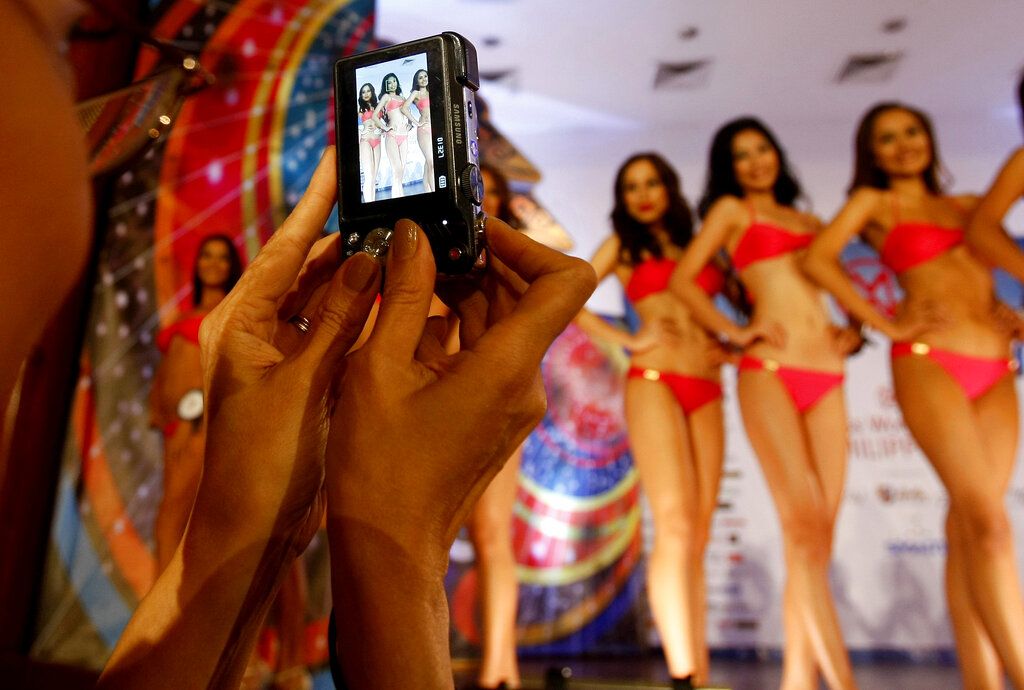
Unrealistic standards of beauty flood the internet as social media influencers show off the best versions of their appearance.
When asked why social media can have an impact on one’s perception of themself, Dubois said, “Photo editing is hard to spot and if we are comparing our bodies to these photoshopped filtered images it makes sense to me why people feel uncomfortable in their bodies.”
The array of free editing applications- allowing users to alter their bodies and faces in images and even videos- only strengthens the disconnect between recognizing what is real and what is fake.

Research connecting social media to body dissatisfaction is vast and rapidly increasing as technology takes over the world. In a study conducted by the School of Psychology Australia, it analyzed Facebook usage and body image concerns among both adolescents and early adulthood females. The research found, “Women who spend more time on Facebook are more likely to feel more concerned about their body because they compare their appearance more often to others on Facebook.”
To further investigate the aspect of comparison, the study looked at who exactly these women were comparing themselves to. Their findings showed that the most comparison happened consistently with distant peers, celebrities and close friends. There was little to no comparison to family members.
Frequent communication through images (coined as “appearance conversations”) reinforce and may intensify one’s pre-existing body image issues through comparing oneself to the displayed images (Santarossa and Woodruff).
Many studies focus specifically on female interaction with media sites. This focus can be attributed to the pressure that females face to uphold a certain set of beauty standards that are only heightened by modern day media. It is not to say that males do not also struggle with disordered eating or body dissatisfaction, however research has shown that women are significantly more dissatisfied with their bodies than men (Front Psychiatry).


Dr. Dana Turnbull
Dr. Dana Turnbull
Behavioral Psychologist Dr. Dana Turnbull attributes the disproportion among females to the pictorial emphasis that social media places on feminine beauty.
“Women are cultural participants and understand the unstated rules of only displaying their best online,” Turnbull said. “It’s a personal sales pitch and women sell their appearance.”


TCU Student Perception
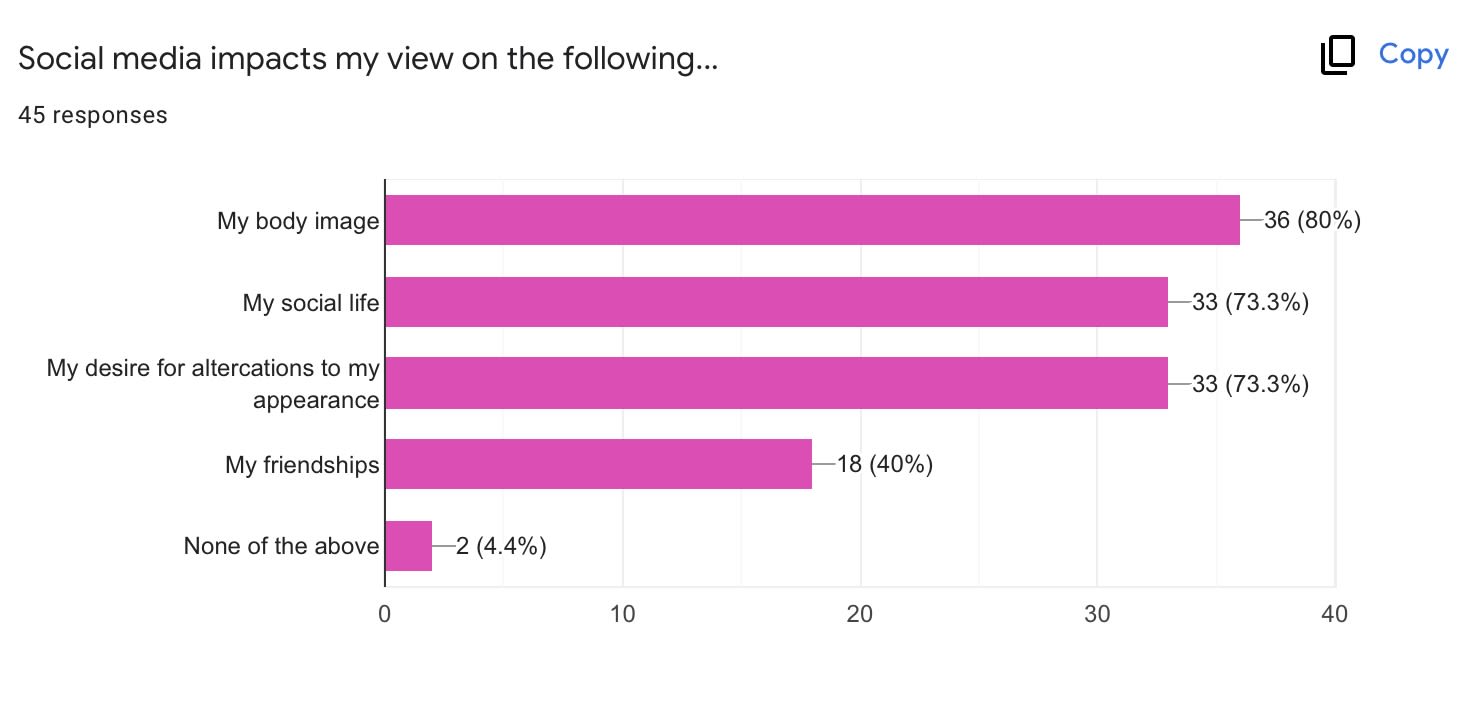
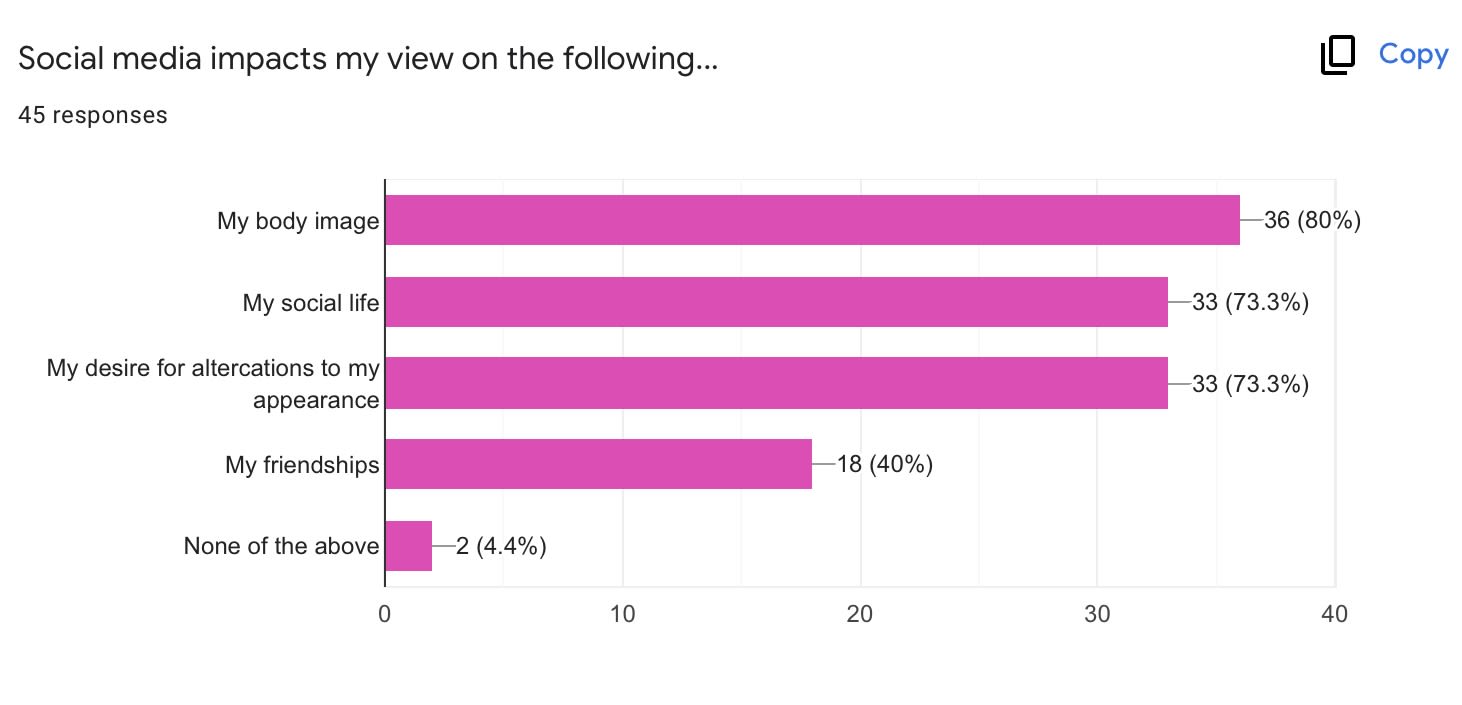
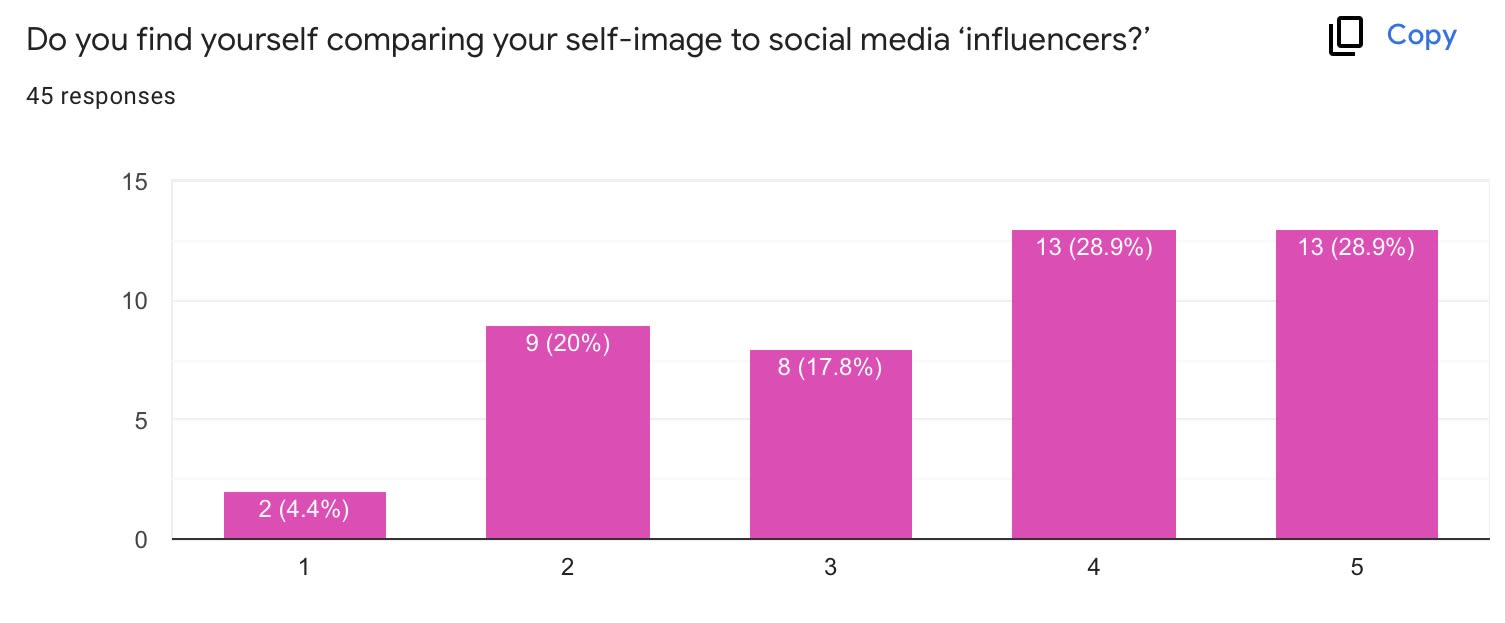
Generation Z is the first generation to have 24/7 access to the internet since birth, leading them to be especially susceptible to mental health issues surrounding social media. To evaluate the impact that the internet community has on TCU females, I conducted an anonymous survey with 45 TCU female students. The survey included an array of questions investigating the average time spent on social media, self-identification of a variety of harm that it may cause and one’s understanding of eating disorders. To best avoid error, two subjects who were unable to properly identify the definition of an eating disorder and body image were disregarded and removed, leaving the 43 other results. However, these outliers did provide a significant finding worth noting. These two subjects were the only two subjects who reported that social media had no impact on any aspect of their life.
On the contrary, 80% of subjects reported that social media does have an impact on their body image, making this category the number one impacted aspect. Taking a step further, 73.3% said that social media causes a desire to alter their appearance based on the images that they see online.
One respondent said, “I see influencers post pictures in bikinis with perfectly skinny and toned bodies and it makes me want to look like them. Whether it takes dieting or working out or plastic surgery, I just want to look like that too.”
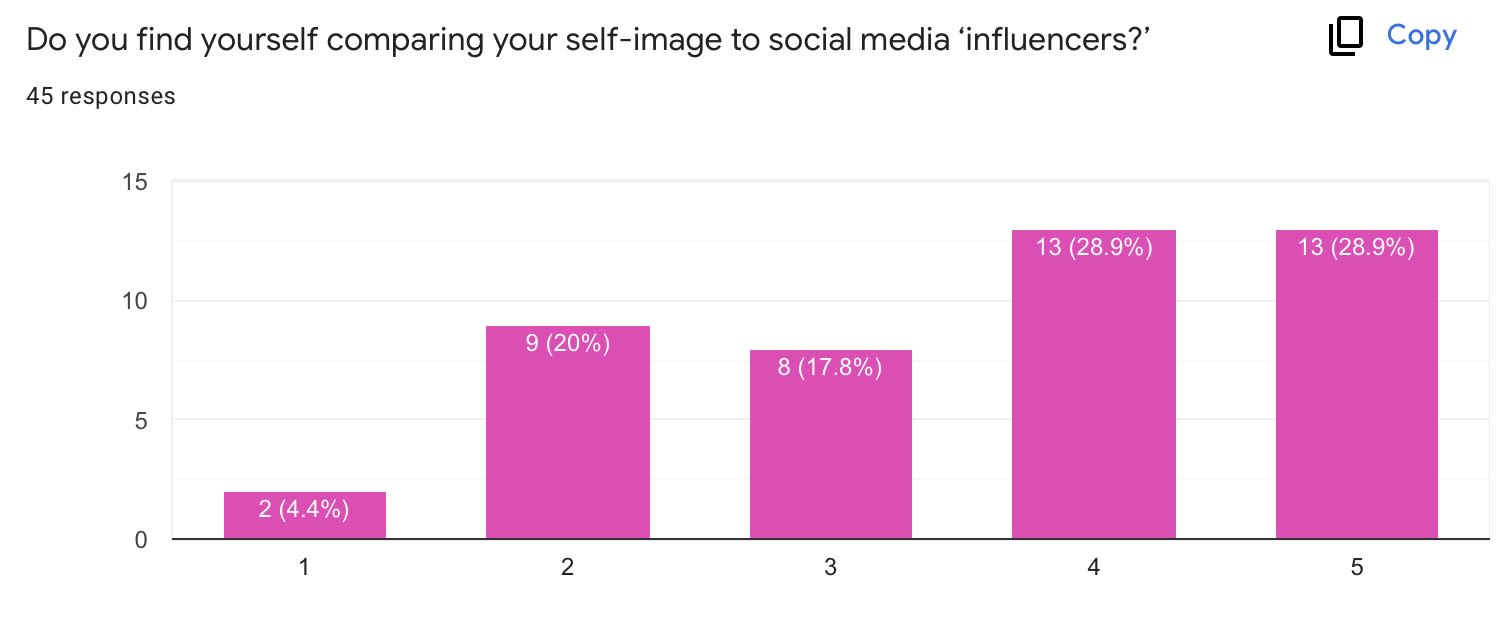
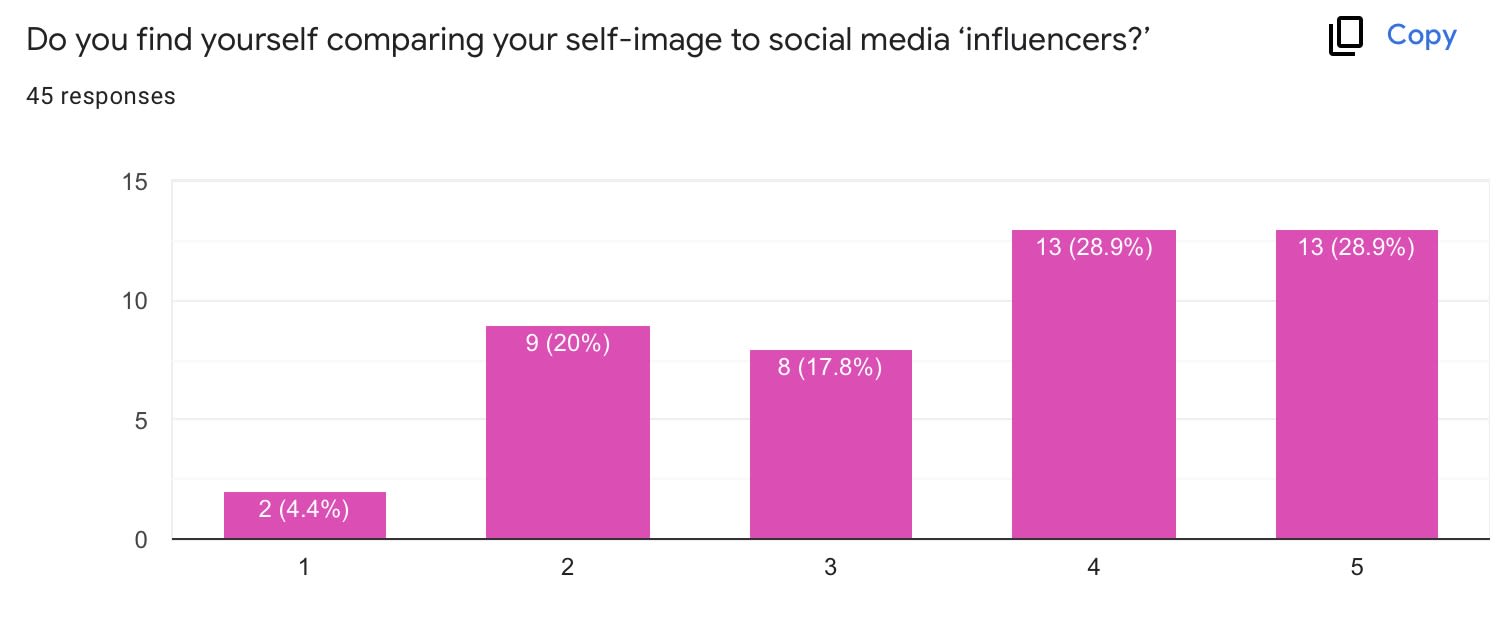
Comparison was a common theme among respondents who were dissatisfied with their bodies. The survey showed that the most comparison for TCU females was made between themselves and social media influencers. ‘Influencers’ are by no means a new concept of society, they have just shifted their platform to the online world. A social media influencer can have thousands of followers to millions of followers, yet one thing remains consistent- their ability to sway their followers into buying products, fashion trends, personal beliefs or looking a certain way.
When ranking self comparison to these influencers on a scale of 1 signifying ‘Never’ to 5 signifying ‘Very Frequently,’ anything identified as 3 or higher meant that comparison is a relevant issue. 75.6% of TCU females identified instances of comparing themselves to influencers and 13 respondents said that this is an extremely strong issue for them.
Dubois said her clients whose body dissatisfaction is severe enough to the point of an eating disorder must eradicate the habit of viewing influencers’ bodies as a standard for women. One suggestion she made to help solve the problem is for society to be more conscious consumers.
“I often have sat with clients as they went through the people they follow and removed anyone that was promoting dieting or disordered behavior,” Dubois said. “I also encourage my clients to follow more accounts that have a diverse body size.”
Not all social media sites were identified as harmful. In contrast to the study conducted by the School of Psychology Australia, Facebook was not identified as a site causing harm to body image for TCU females. Instead, Instagram and TikTok were the front runners. 97.8% said that Instagram was clearly the most harmful to one’s body image, and 75.6% said that TikTok was also harmful.
Both of these sites are completely image and video based, all communication done through what the viewer sees presented. One respondent said that she spends hours on Instagram a day and that it can be a toxic consumption of time for her.
“I often forget that people are only putting their best self on Instagram. Even I would never post a picture that I thought I looked fat in or had acne,” the respondent said. “I think that’s the problem, we never see raw, realistic images anymore.”
For TCU females, social media use does cause harm to the way one sees themself. However, social media is not going away any time soon, and will continue to expand through the upcoming generations. Aside from the most popular applications such as Instagram, TikTok, Twitter and Facebook, there are over 100 other social networking platforms that anyone with an internet device can access.
Research on this topic is far from over. While males typically are not associated with disordered eating or body dissatisfaction, that does not mean it does not exist. Future research should evaluate why men are disproportionately represented. Do men experience less body dissatisfaction correlated with social media, or is there a stigma of men admitting to these mental health problems? Future research should also expand to the younger age groups (such as 12-16 year olds) that have access to social media sites. Are children with unrestricted access to images online more susceptible to develop eating disorders in the future?


AP Photo
AP Photo

AP Photo
AP Photo
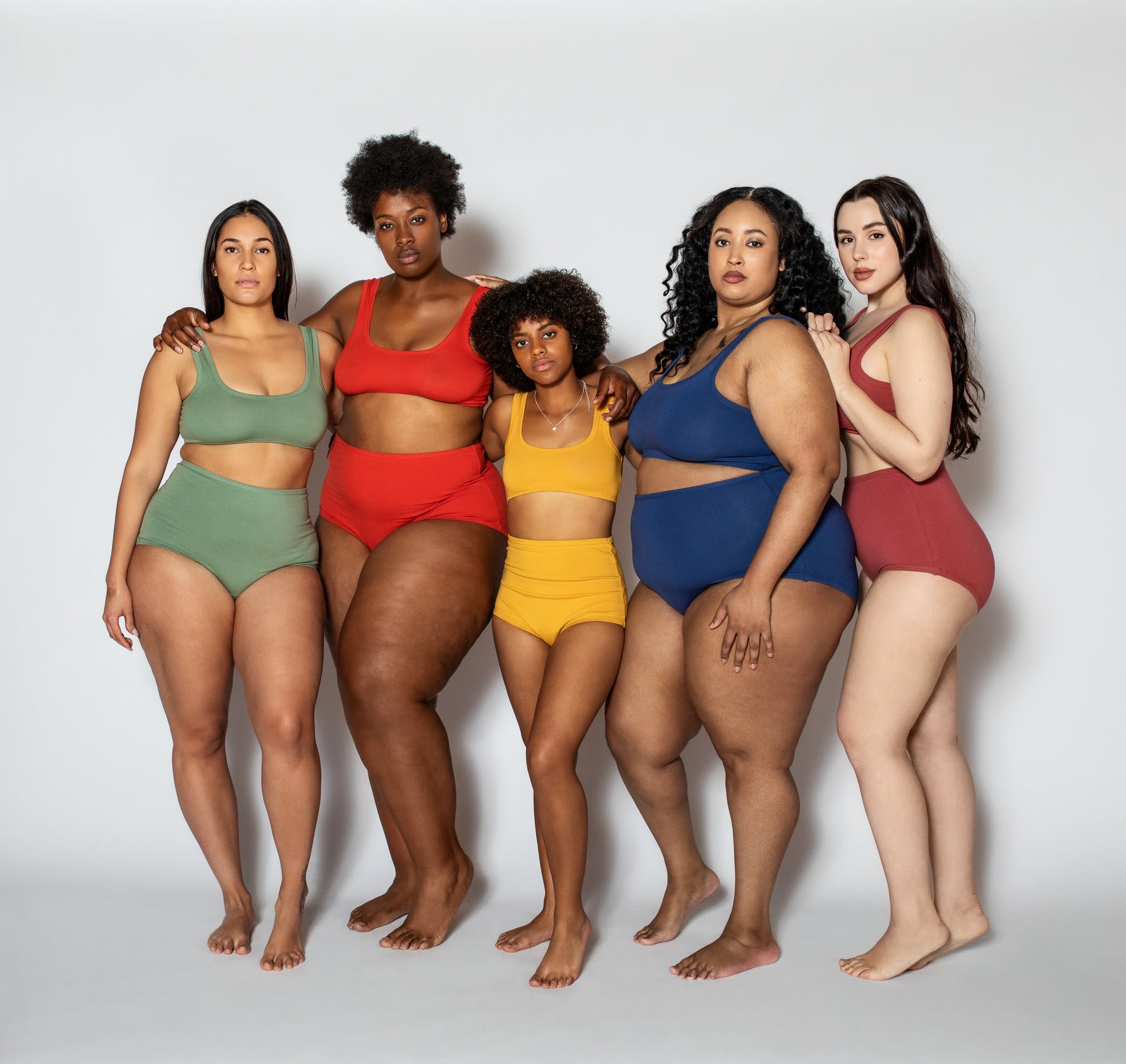
Different research studies have already identified consistent correlations between body dissatisfaction and social media. As society begins to acknowledge the potential harms, there has been a recent rise in efforts to promote ‘body positivity’ seen on social media.
Accounts on TikTok promoting different body types have gained large followings to try and show the diversity of the natural human body.
Turnbull said that the best way to promote more body positivity is to change the culture first.
“Brands notorious for the thin beauty standard like Victoria Secret and Abercrombie have expanded their models and sizes,” Turnbull said. “This is one step in the right direction and these adjustments must continue to develop with society.”

 Built with Shorthand