
Scrolling and double-tapping meet their limit


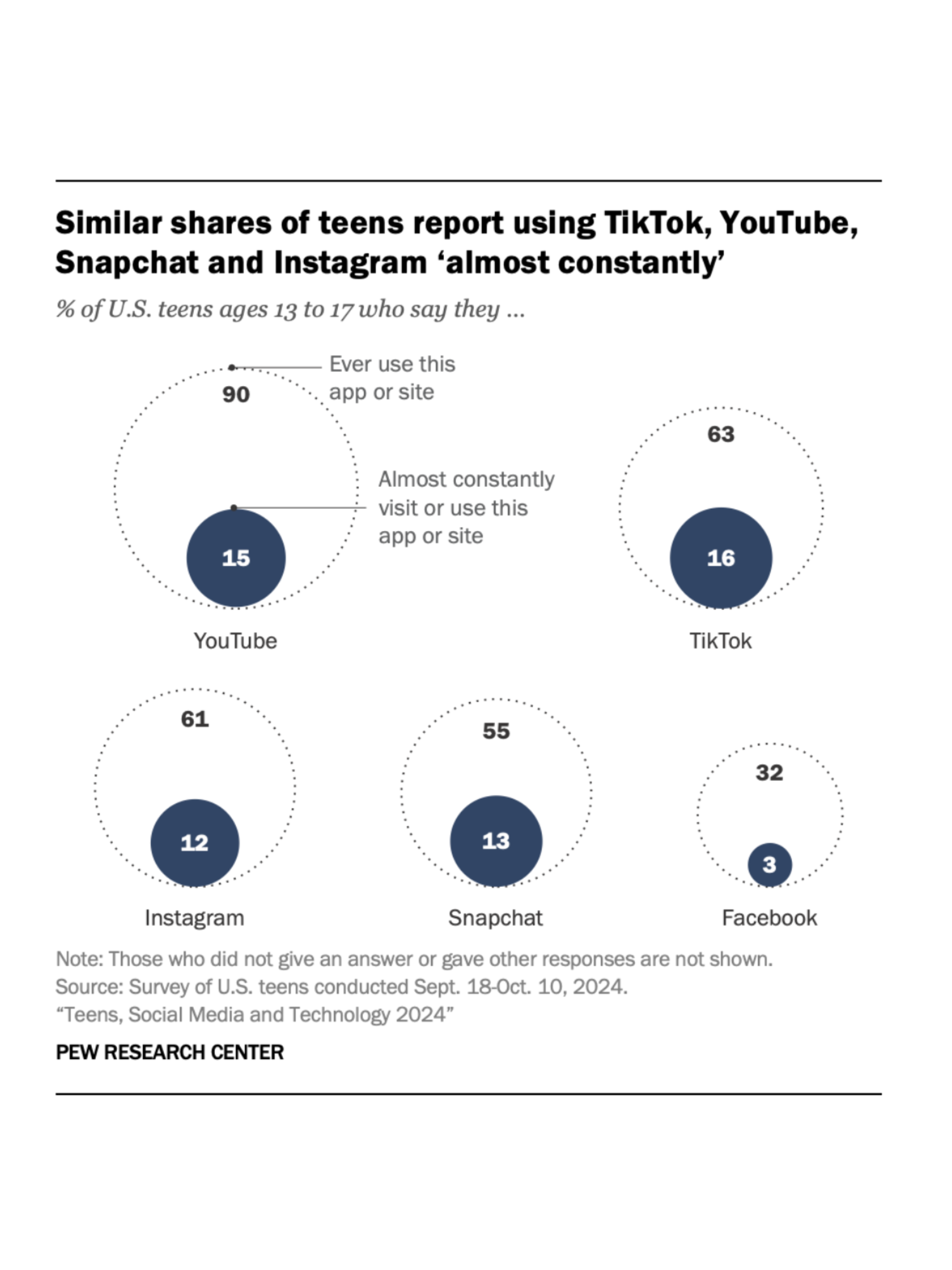
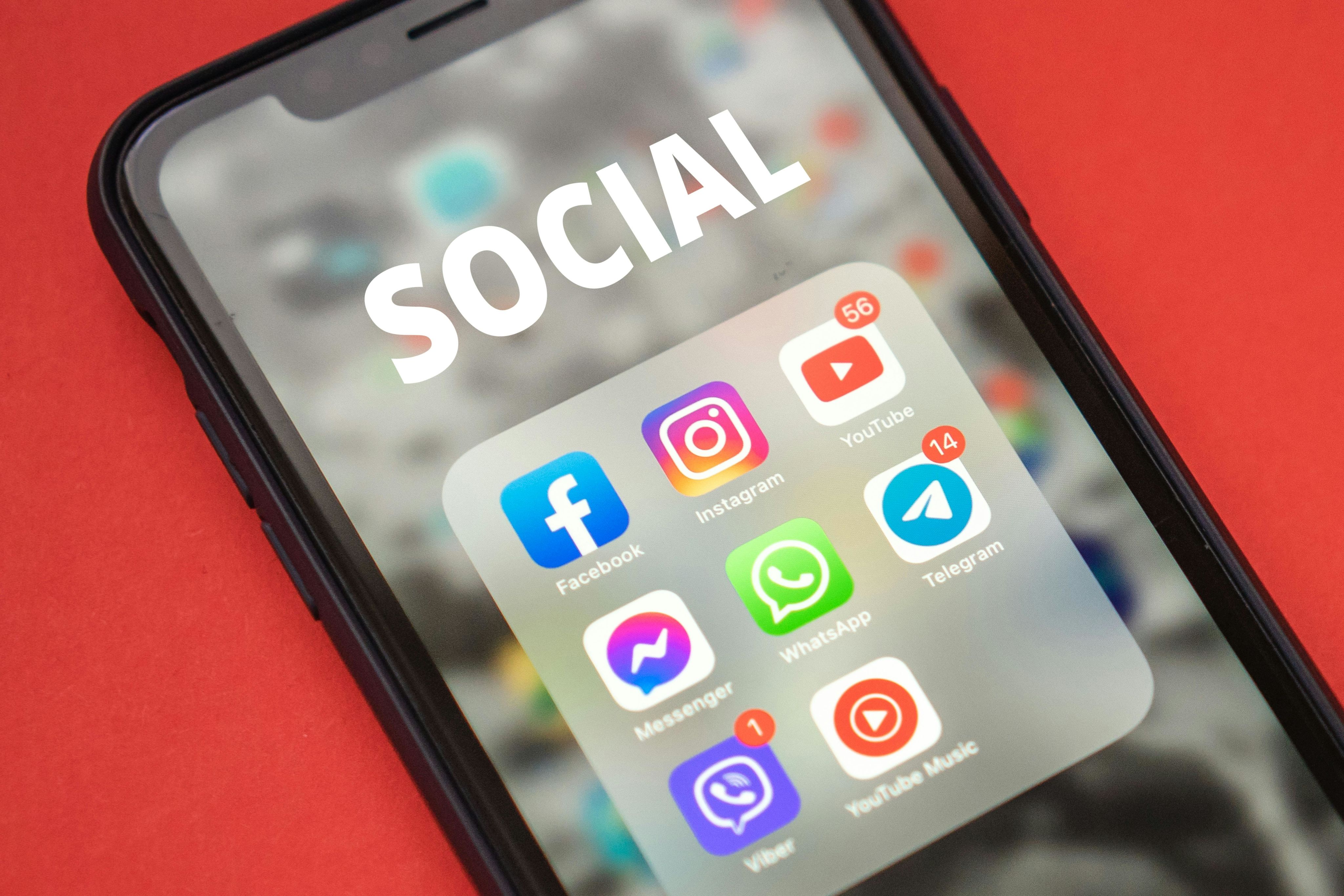
The most popular apps among adolescents in the United States are YouTube, TikTok, Instagram, Snapchat and Facebook, according to a 2024 survey by the Pew Research Center. The same study found that one-third of U.S. teens use at least one of these sites almost constantly.
Many parents in the U.S. are worried about this constant usage — a Security.org study found that 84% of parents believe that they should have complete access to their children’s social media accounts and interactions.

What many parents do not know is that over the past six years, social media platforms have rolled out in-app restrictions. These restrictions give parents multiple levels of control and insight into their children’s online activity.


TikTok - 2020
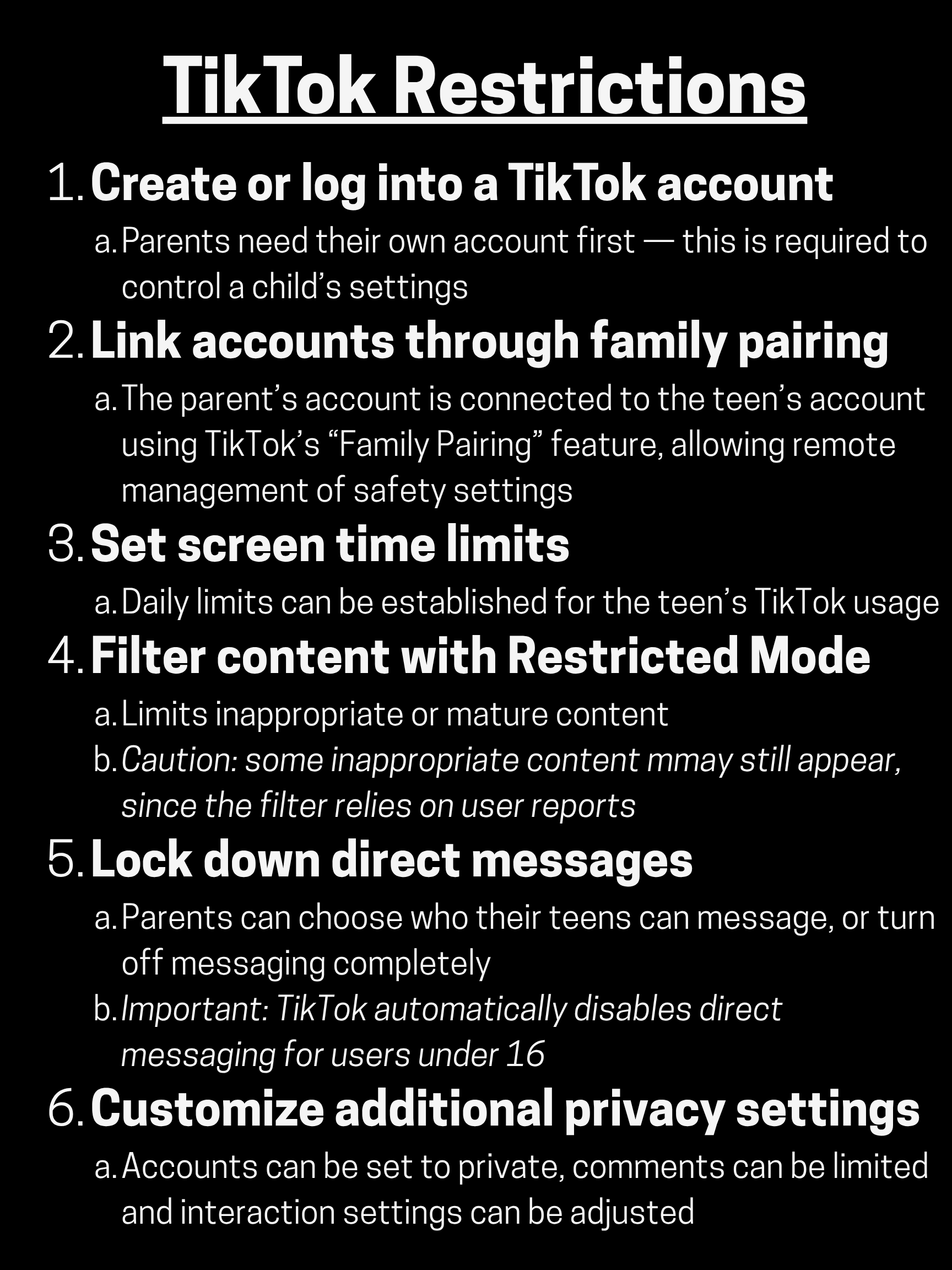
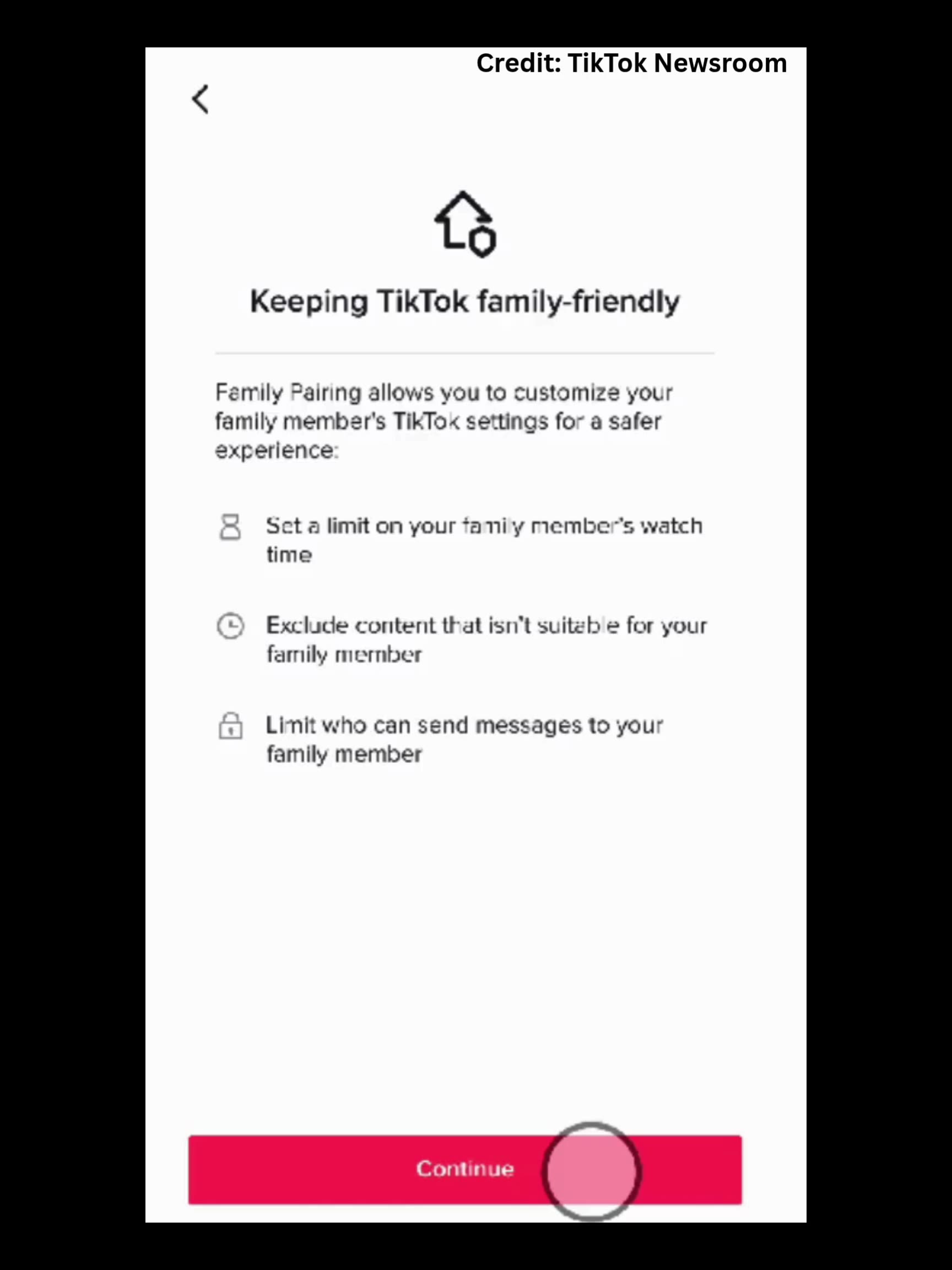
In April 2020, TikTok rolled out an in-app restriction called “Family Pairing.” This allows parents to set controls to manage screen time, content preferences and direct messaging for their teenage users.


YouTube - 2021
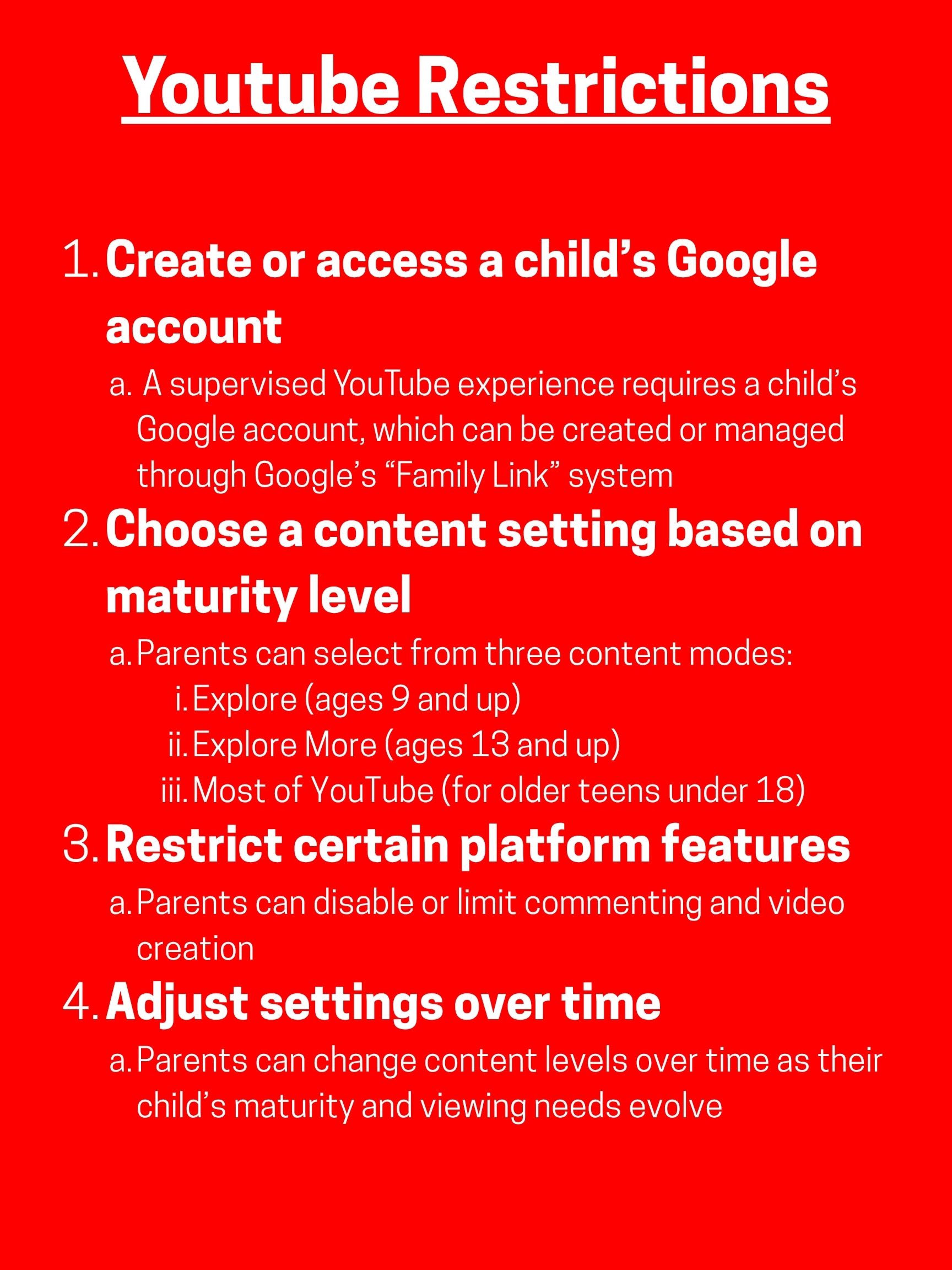
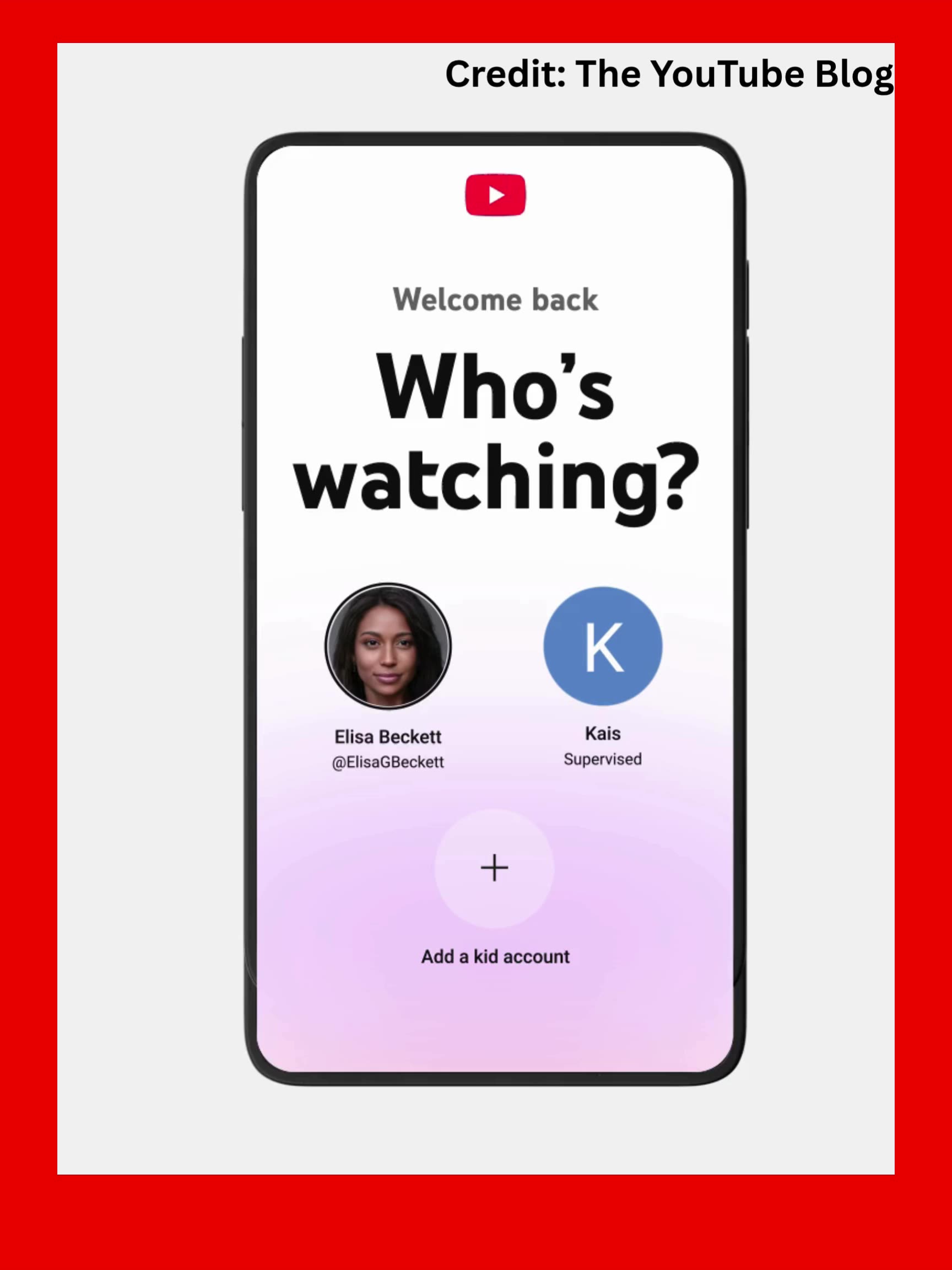
In Feb. 2021, YouTube introduced its in-app restriction designed for teens and tweens who aged out of YouTube Kids. With this feature, parents can select between three different levels of YouTube access.


Snapchat - 2022
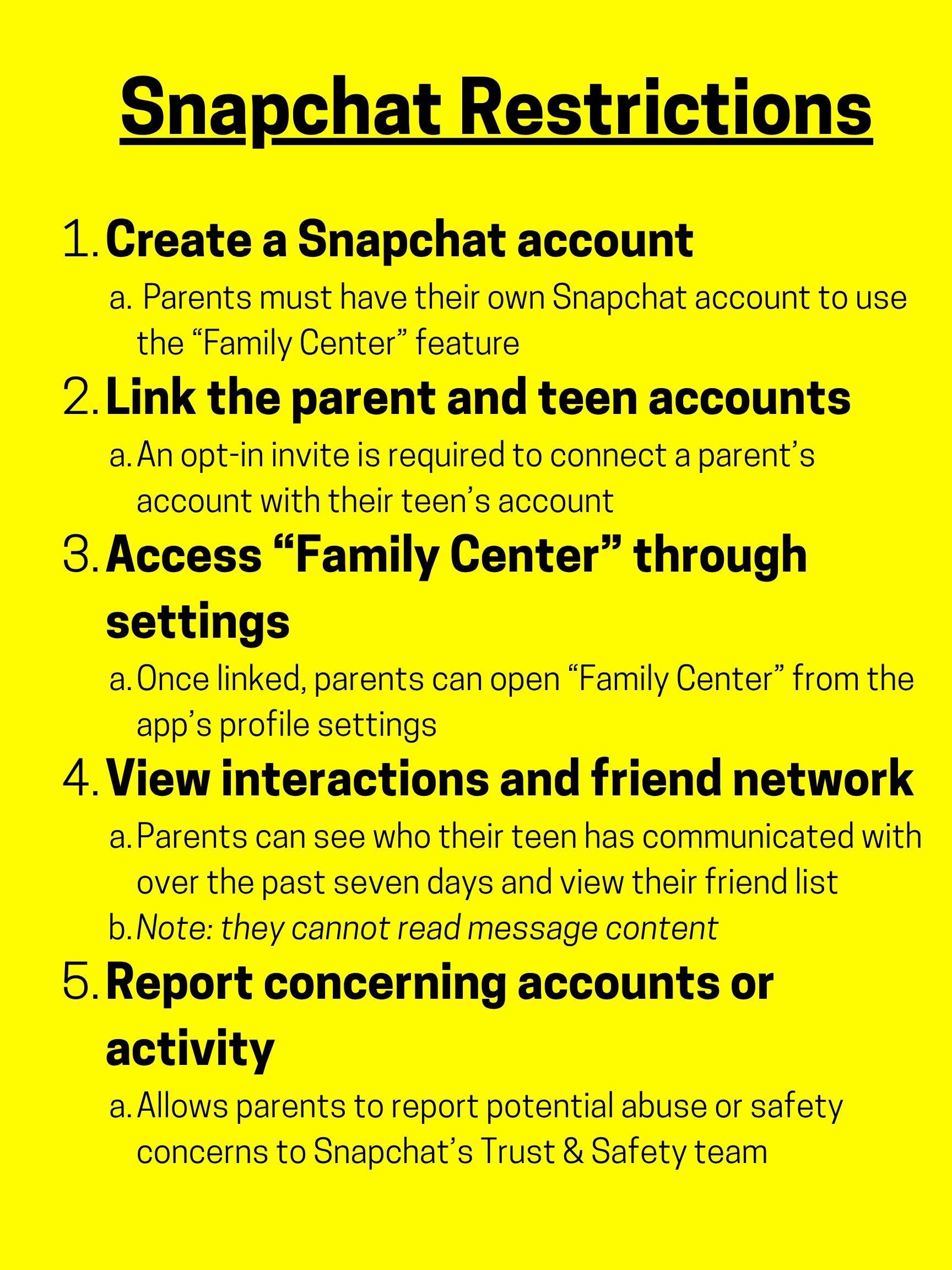
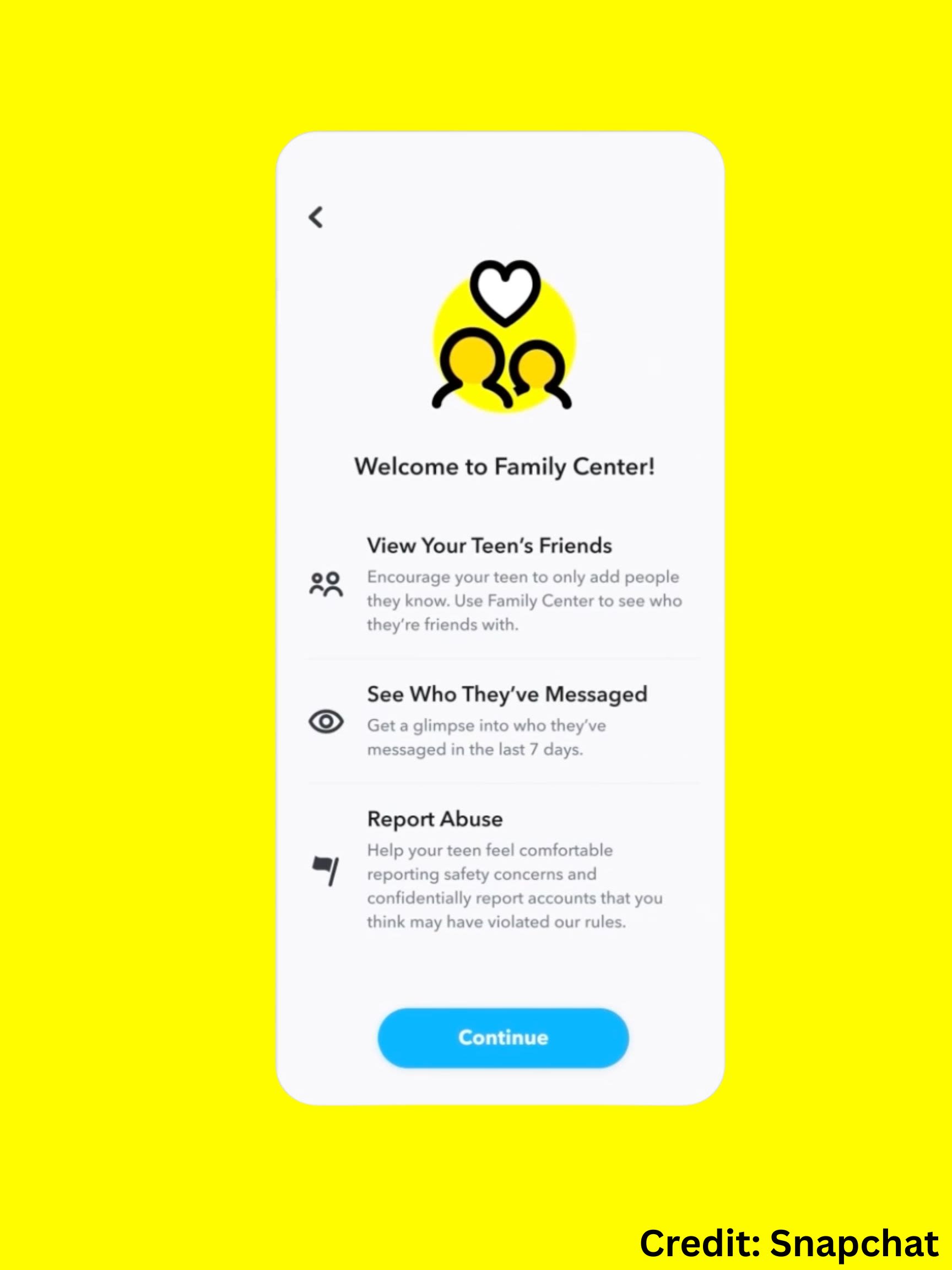
In Aug. 2022, Snapchat introduced a “Family Center” feature. It allows parents to see which users their child is having conversations with—without viewing the content of the messages—over the past seven days. The feature is only available to parents with teenagers ages 13 to 18, since the app is not meant for users under 13.


Instagram - 2024
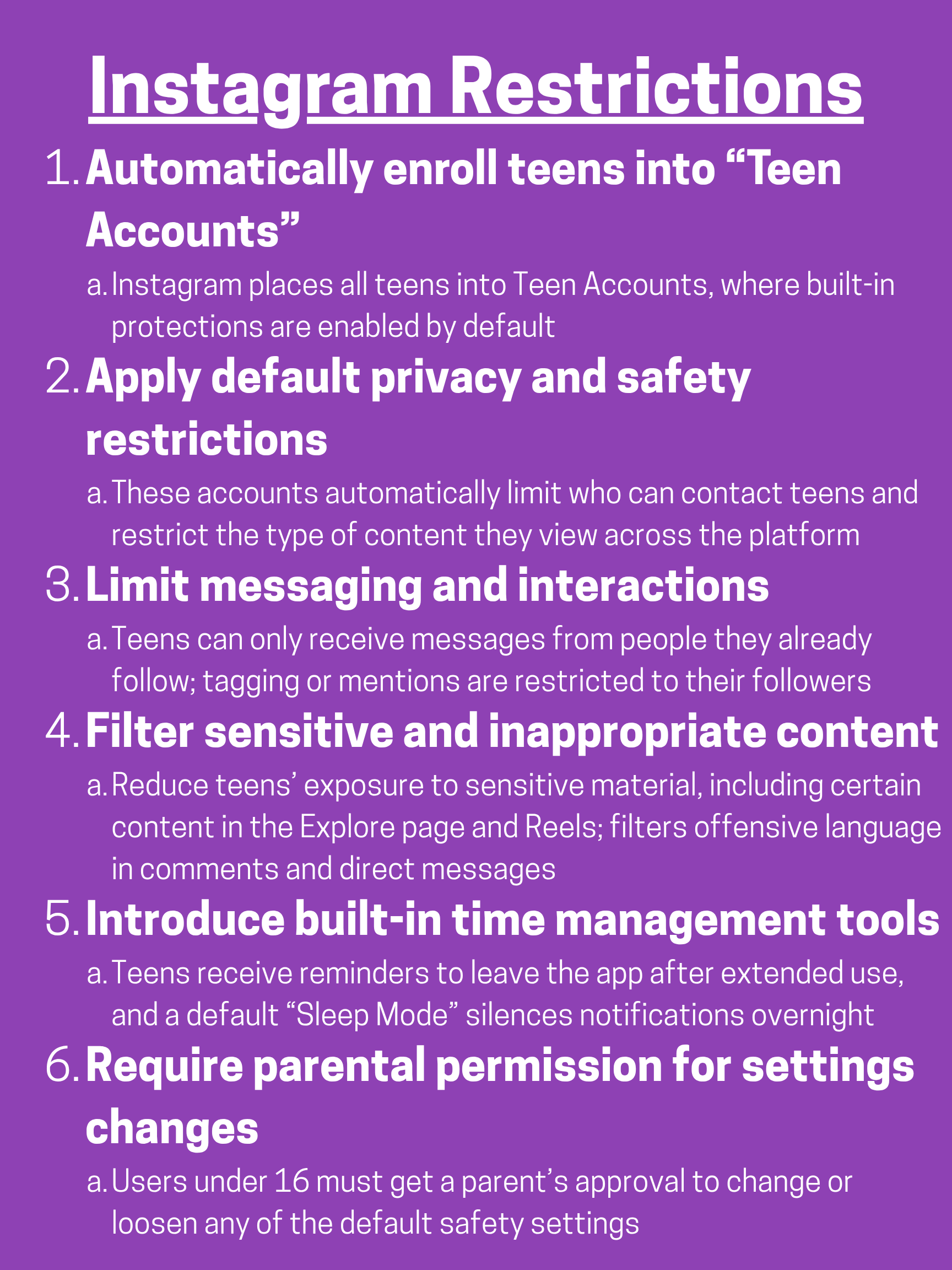
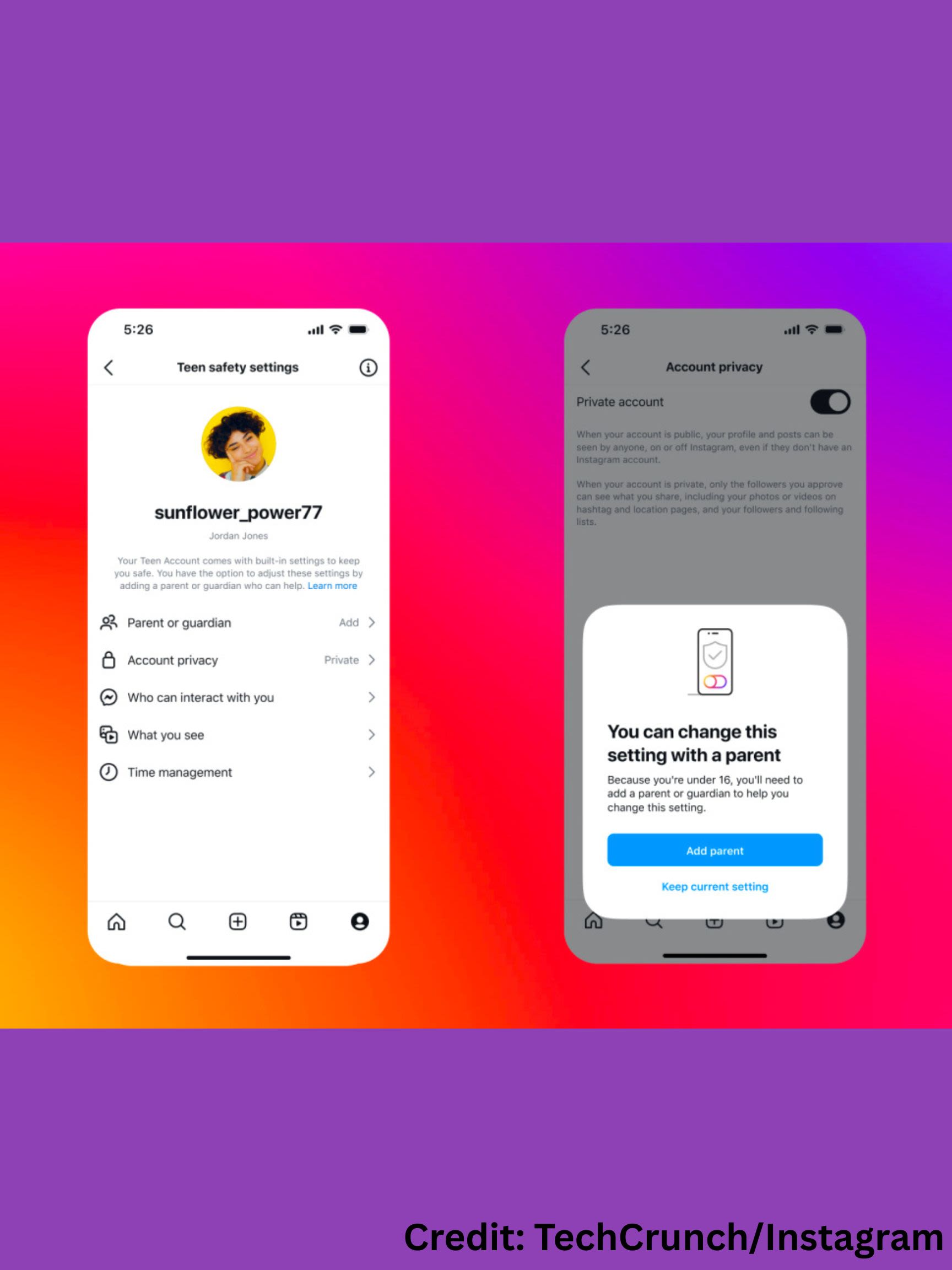
Instagram rolled out their Teen Accounts feature in Sept. 2024. This restriction has built-in protections that are automatically installed. Teens under 16 will need parental supervision to approve or deny any of these protections.


Facebook and Messenger - 2025
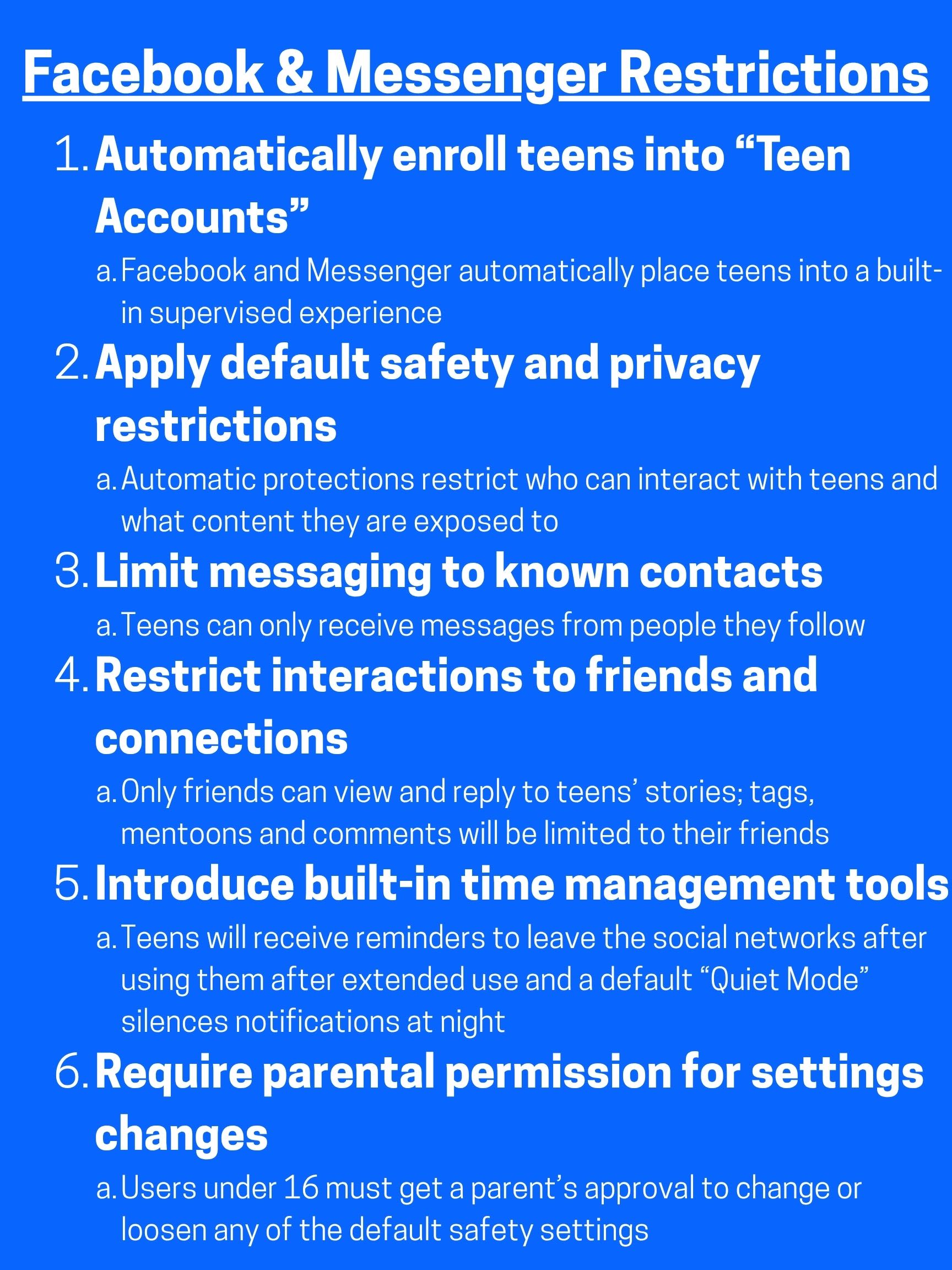
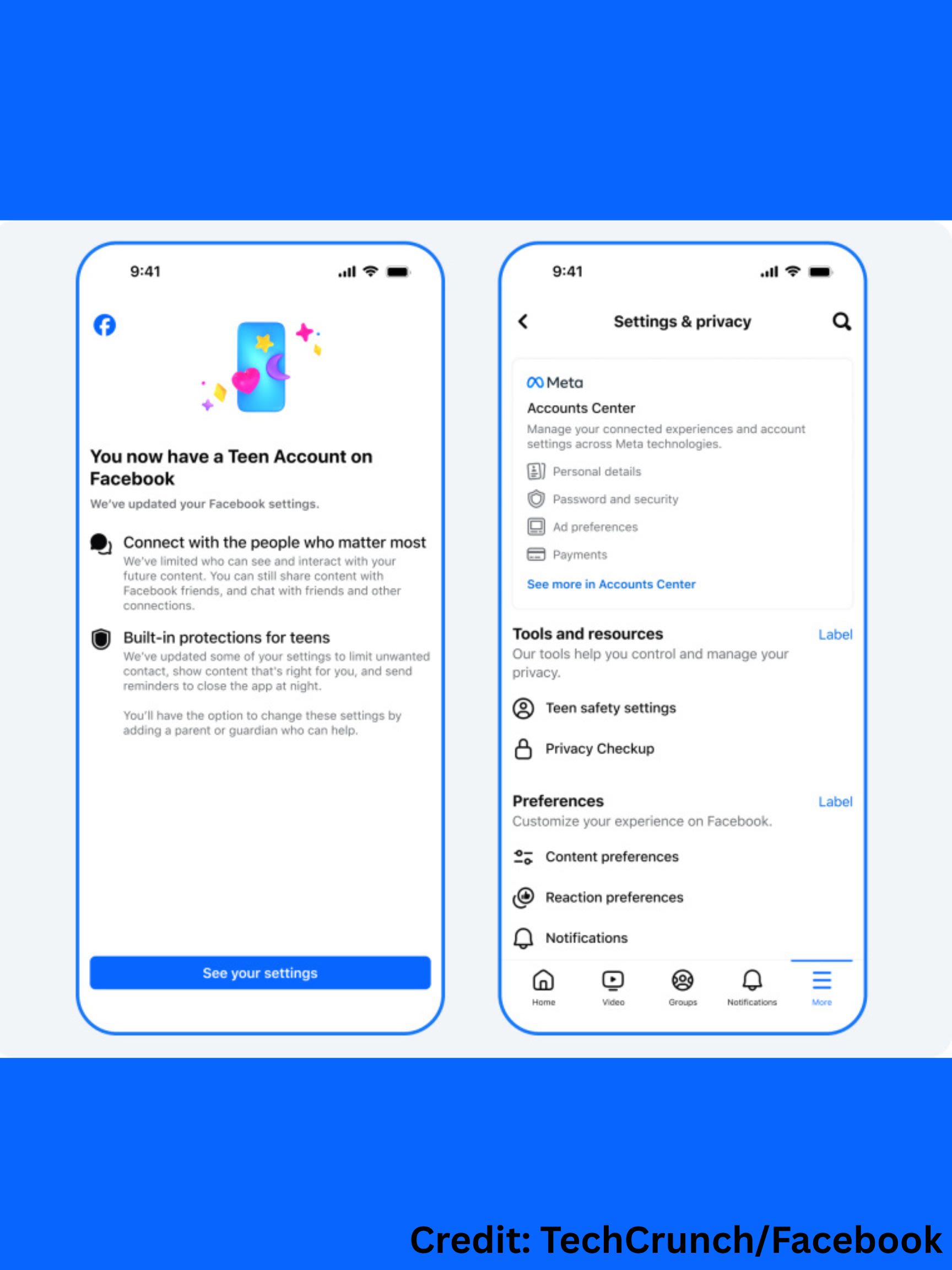
About a year after Instagram released their Teen Accounts feature, Meta expanded it to Facebook and Messenger. Just like Instagram, teens will automatically be placed into an experience that limits inappropriate content and unwanted contact.


Some parents are already putting these features into practice.
Charlene Radic incorporated Instagram’s in-app restriction into her daughter’s social media usage.
Olivia, Radic’s 14-year-old daughter, had been asking her mother to download Instagram for quite some time.
“Begrudgingly, I really didn’t want her to have it,” Radic said. “It’s like an emotional reality too, especially when her friends have it, and she doesn’t. She wants to be able to interact in that way with them.”
After talking to a therapist about how to integrate social media into her daughter’s daily life, Radic allowed Olivia to create an Instagram Teen Account.
As more parents navigate similar decisions, in-app restrictions offer a middle ground, allowing parents to introduce these platforms to their children with greater oversight and control.

How parents can set TikTok restrictions, according to TechCrunch:






How parents can set YouTube restrictions, according to TechCrunch:



How parents can set Snapchat restrictions, according to TechCrunch:



How parents can set Instagram restrictions, according to TechCrunch:



How parents can set Facebook & Messenger restrictions, according to TechCrunch:



A landmark social media case


Court cases involving social media have rapidly grown over the past decade.
Now, there are over 1,600 pending social media court cases from parents and school districts, each claiming social media is the root cause of mental health issues.
One of these cases is the first of its kind.
A 20-year-old woman known by her initials, KMG, sued Meta, YouTube, Snapchat and TikTok. She argued that these companies intentionally designed their platforms to be addictive, targeting young users.
KMG was seeking monetary damages and changes to platform designs.
Snapchat and TikTok settled before the trial began; Meta and Youtube proceeded in court.

The trial, which lasted five weeks, was held at the Los Angeles Superior Court. The jury listened to testimonies from KGM and the leaders of Meta, Mark Zuckerberg and Adam Mosseri. Youtube’s CEO, Neal Mohan, was not called to testify.
The plaintiff said she started using YouTube at the age of 6 and Instagram — a Meta platform — at the age of 9. She said she used these platforms daily, which, she claims, caused her to develop anxiety, depression and body dysmorphia.


The jury deliberated for over 40 hours across nine days and reached a verdict on March 25.
Meta and YouTube were found guilty of failure to warn and negligence, with Meta deemed responsible for 70% of the harm, while YouTube was responsible for 30%. They awarded KMG $3 million in damages — $2.1 million from Meta and $900,000 from YouTube.
This verdict marks a historic moment in social media regulation, where Big Tech companies are put in the spotlight to focus on the impacts their platforms have on their users, rather than their addictive algorithms.

 Built with Shorthand