
Paving the way as a first-generation student
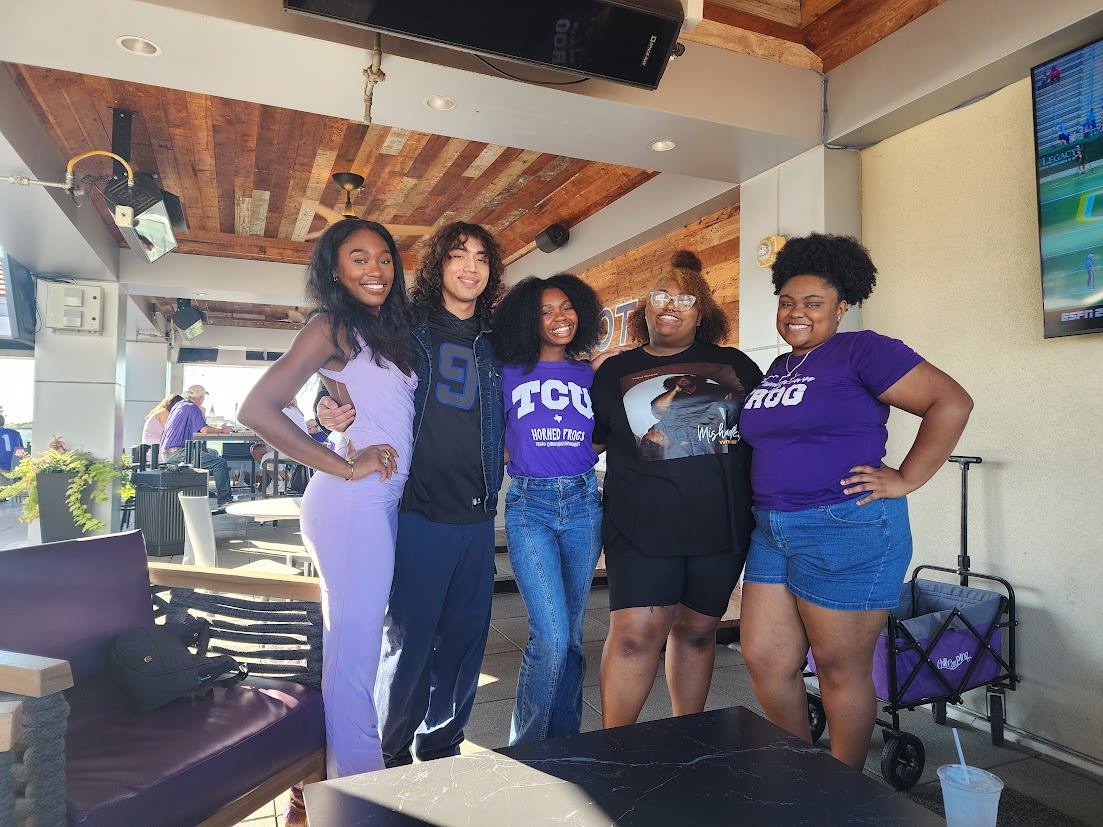

Undergraduate first-generation students at TCU account for about one in five students – a vital part of the university story. According to fall 2025 census data from Laurie Harris, the director of TCU Institutional Research, 2,091 undergraduate students identify as first-generation out of the 11,152 undergraduate students.
“I think sometimes people conflate first generation with either lack of intelligence or ability…that's not necessarily the first gen student,” said Mandy Castro, the Assistant Vice Provost and Dean of Admission at Texas Christian University. “A first gen student is just somebody who hasn't had family members who have blazed this trail for them in advance.”
Therefore, to merge the information gap of the higher education experience, TCU “provides multiple layers of support and is intentional in creating opportunities for connection and student development,” according to TCU News.

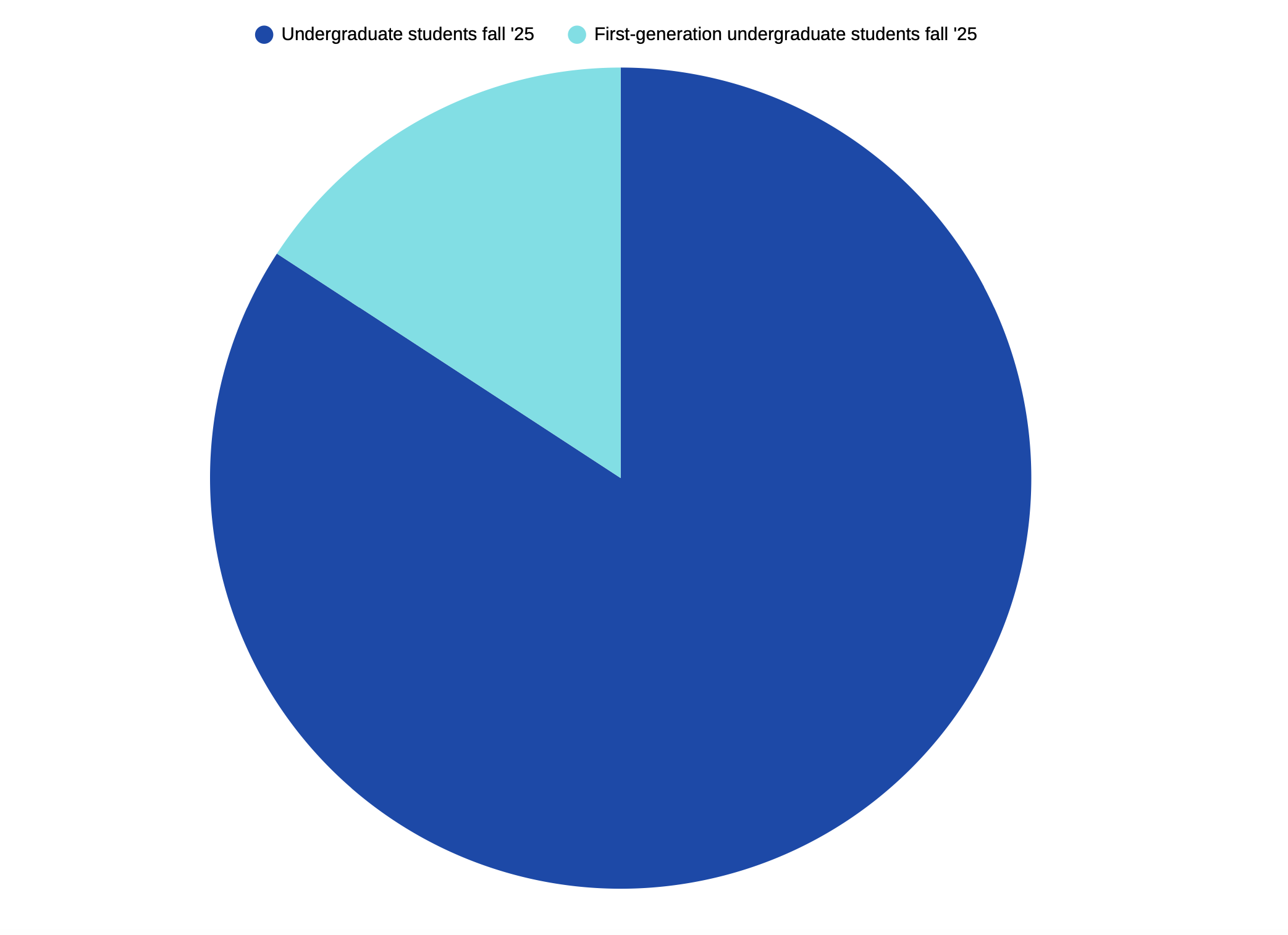
Pie chart representing undergraduate students and first-generation undergraduate students (Madilyn Kopec)
Pie chart representing undergraduate students and first-generation undergraduate students (Madilyn Kopec)
Strength through the sister programs
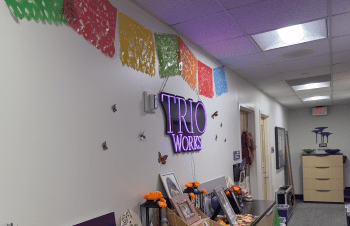
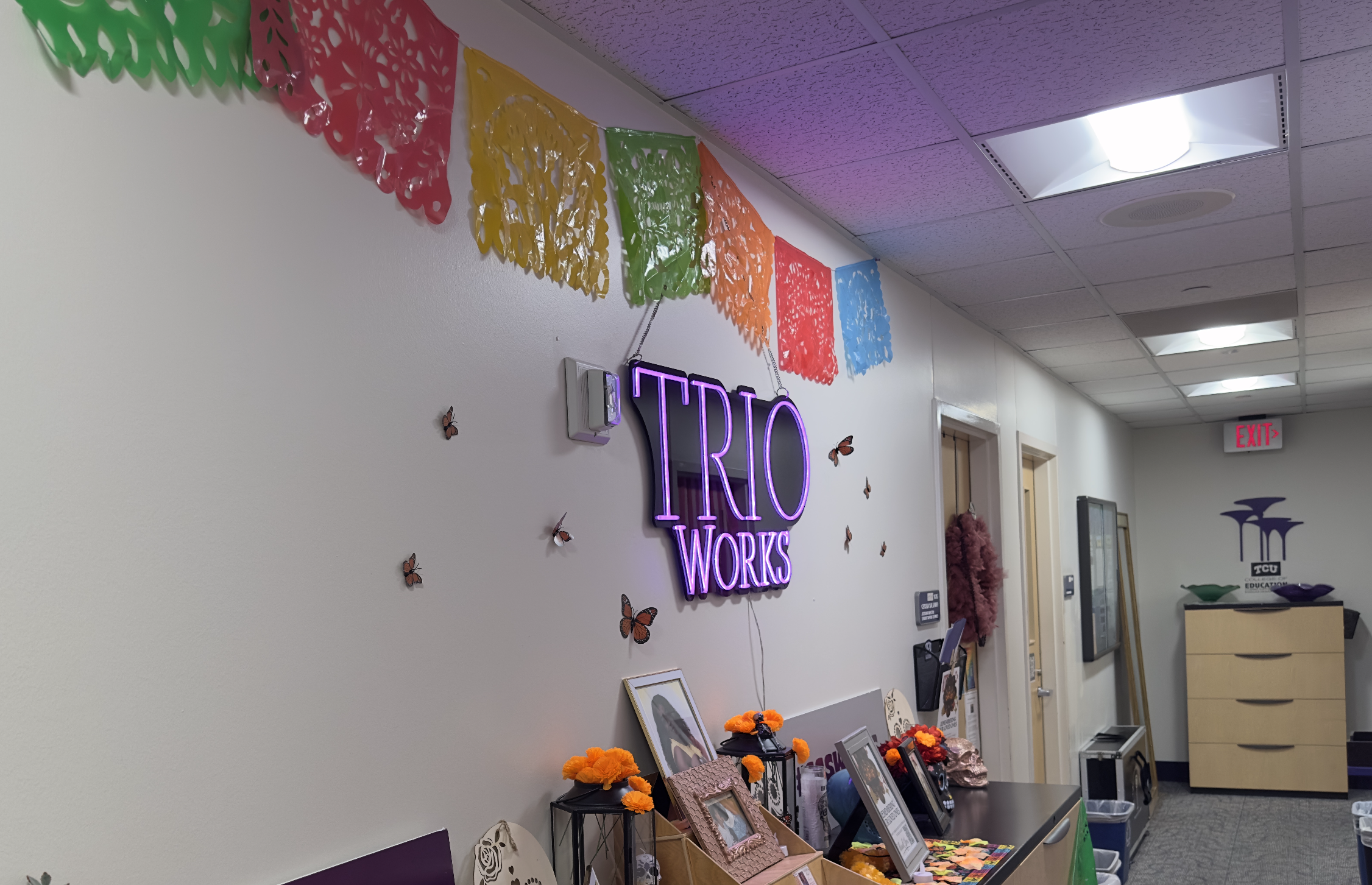
TCU is home to two of the eight TRIO Programs that are federally funded by the U.S. Department of Education. TRIO is a group of student outreach and support programs that have initiatives designed to identify and serve individuals from disadvantaged backgrounds.
Although TRIO is not primarily for first-generation students, a large number served at TCU fall under that category. The program's target is to “serve and assist low-income individuals, first-generation college students, and individuals with disabilities to progress through the academic pipeline from middle school to post-baccalaureate programs,” according to the U.S. Department of Education website.
Student Support Services (SSS) and the Ronald E. McNair Post-baccalaureate Achievement Program (McNair Scholars Program) are “sister programs,” as Director of Student Support Services, Cynthia Montes, likes to call them.
The McNair Scholars Program has been active at TCU since its establishment in 1989. The program honors the legacy of Dr. Ronald E. McNair, an astronaut and physicist who was tragically killed in 1986 in the Challenger explosion. Alongside honoring McNair’s excellence, the primarily post-baccalaureate program helps qualified students earn a doctoral degree. Typically, students join the program in their sophomore year with the goal of getting their Ph.D. once they graduate.
Although the program supports around 28 students, “all TCU students are welcome to attend our events or meet with our office if they are interested in learning more about graduate school, even if they are not official participants in the program,” said Lani Ahmed, graduate assistant for the McNair Scholars Program.
The support of this program goes forward to “increase the number of undergraduate students earning doctoral degrees who are lesser-income and first-generation, or who come from communities underrepresented in graduate education,” according to the TCU College of Education website.
A few years later, in 1997, SSS joined the TCU campus with the aim to support 160 eligible participants a year, increase graduation and retention rates and create an atmosphere in support of the success of first-generation, lesser-income and students with disability. An effort similar to the McNair program just focused on a different group.
The TRIO programs together provide academic support, research opportunities, mentoring, enrichment activities, interpersonal and relationship-building subgroups and grant aid.
“But the biggest thing I think when we talk about it with staff is we really wanna create a sense of belonging,” Montes said. “We try to create a space where students can come let their hair down, ask the questions that maybe they were more reluctant to ask in class or in one-on-ones with their faculty.”
Getting students to college is one thing; keeping them there is another. According to a QuadC article, tuition costs and lack of support are a few of the top issues for students who consider leaving an institution. This data supports why the efforts behind the support programs are so important for eligible students.
“Over and over again, over the years, students will tell me like, this is where I can come and be me,” Montes said.

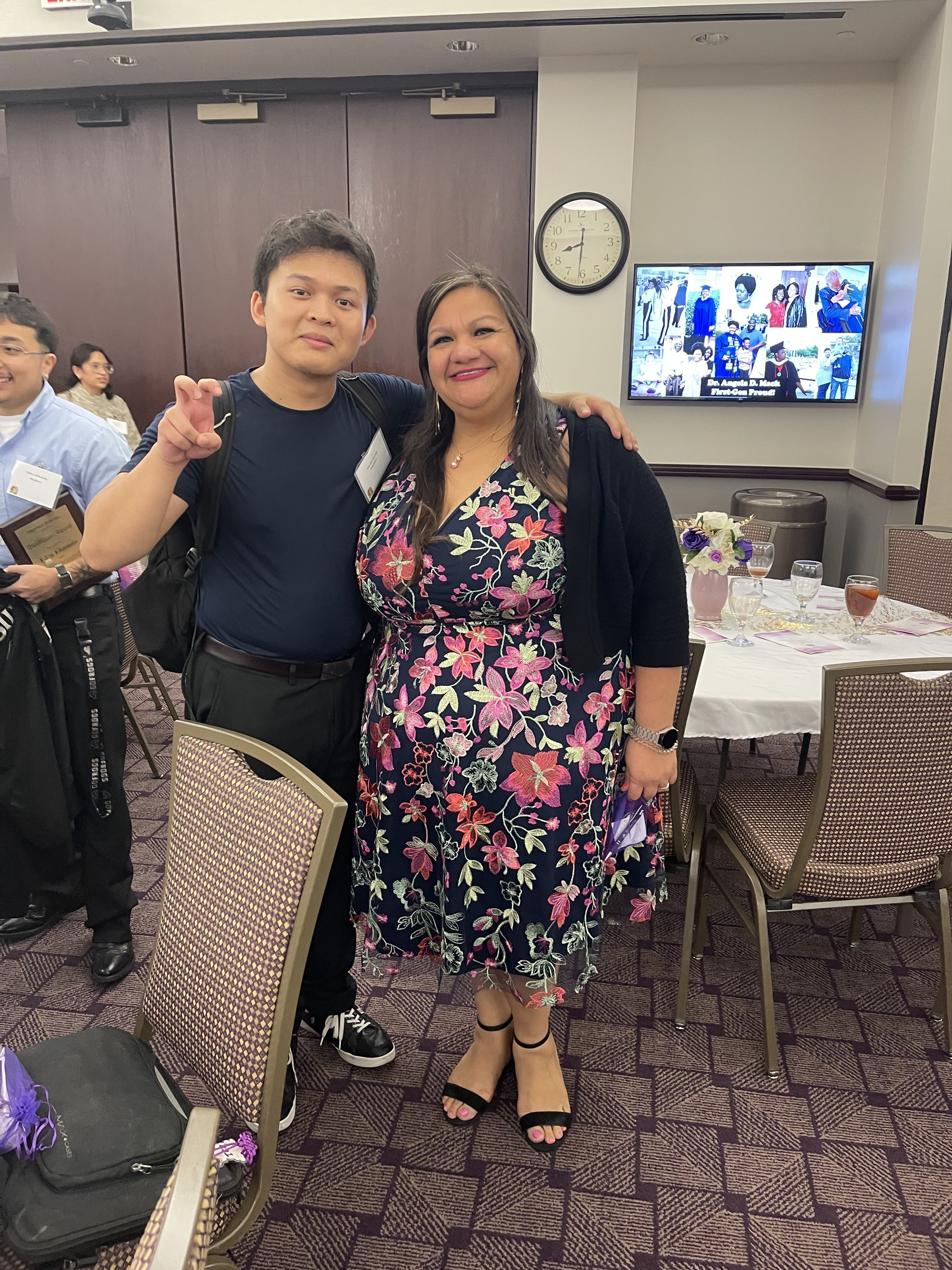
First-generation student David Duong and Director of Student Support Services, Cynthia Montes, at an event. (Photo courtesy of David Duong)
First-generation student David Duong and Director of Student Support Services, Cynthia Montes, at an event. (Photo courtesy of David Duong)

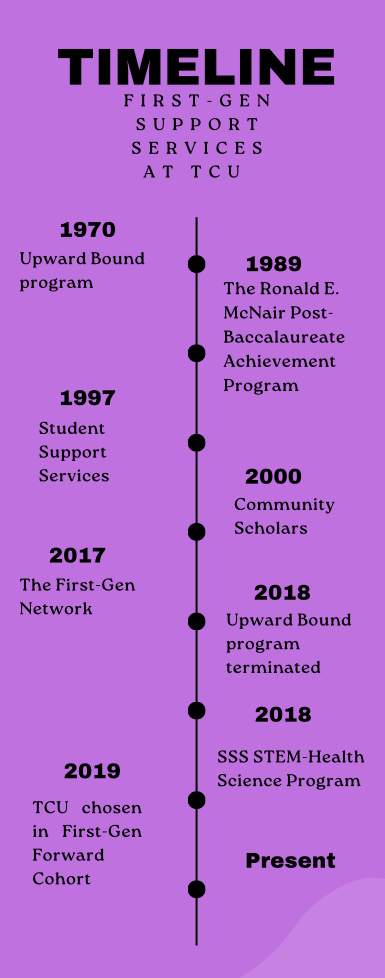
Timeline of support programs at TCU (Madilyn Kopec)
Timeline of support programs at TCU (Madilyn Kopec)
Timeline of support programs at TCU (Madilyn Kopec)
Timeline of support programs at TCU (Madilyn Kopec)
Timeline of support programs at TCU (Madilyn Kopec)
Timeline of support programs at TCU (Madilyn Kopec)
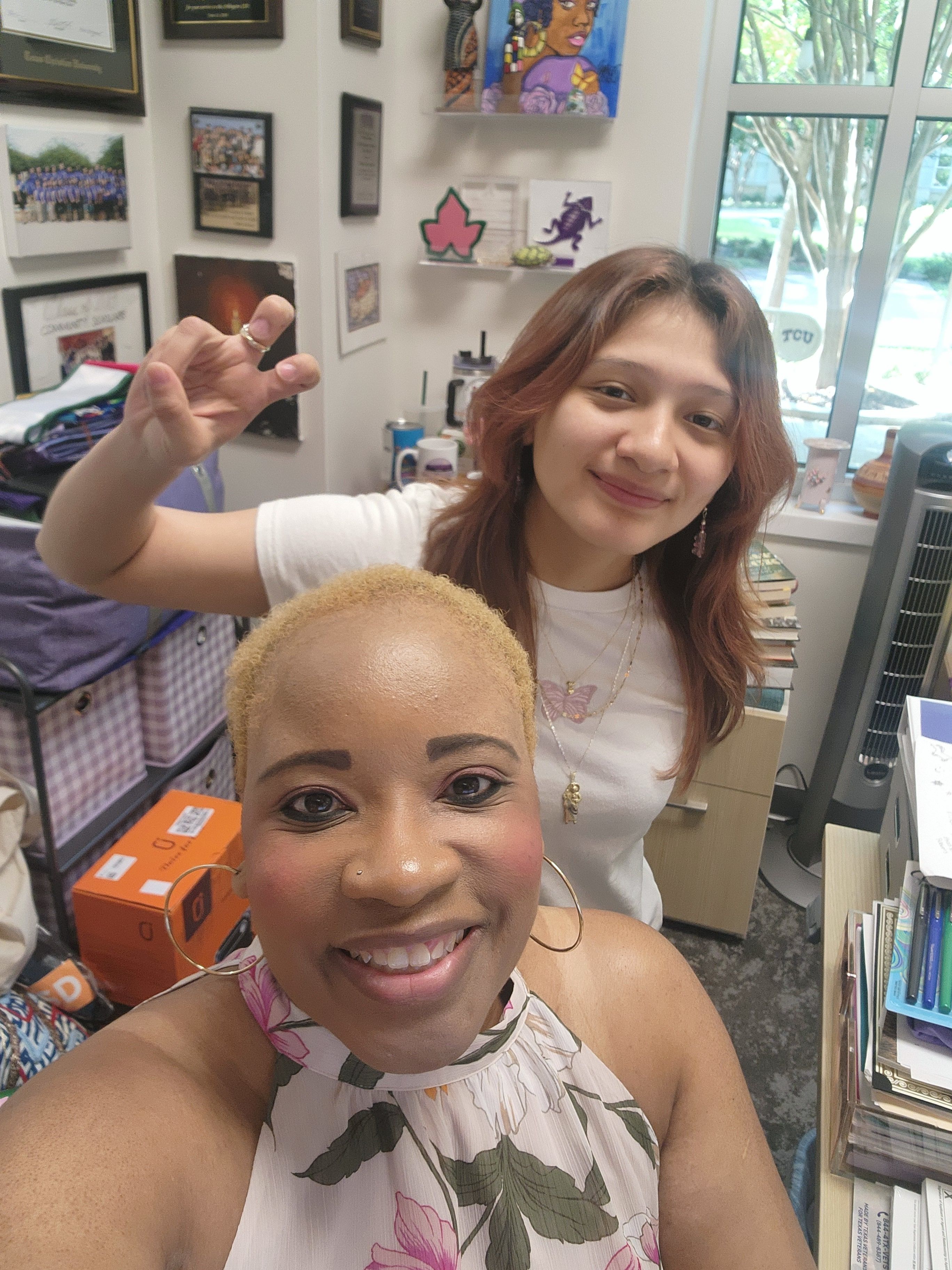
Tameka Gordon, Director of Intercultural Center and Student Identity & Engagement, and student Julybeth in the Community Scholars office. (Photo courtesy of Tameka Gordon)
Tameka Gordon, Director of Intercultural Center and Student Identity & Engagement, and student Julybeth in the Community Scholars office. (Photo courtesy of Tameka Gordon)
Montes saw the effects of the program come to life in TCU alum Freddy Garcia. Garcia was a non-traditional student. He received his associate's degree in E-6 Early Childhood Education at Tarrant County College (TCC) Northeast, then applied to TCU with the encouragement of two College of Education staff members, Shannon Cooper and Heather Doyle. TCU is mostly a traditional student campus with students who come straight from high school. Therefore, students like Garcia can find it challenging to get connected socially.
Garcia kept a routine of “class, stay, study some, and then go home,” according to TCU’s AddRan College of Liberal Arts website. Garcia joined SSS and ended up receiving a job there; “he helped us more than I feel like we helped him,” Montes said. “I feel like this kind of became his home base and a year later…he was a Mr. TCU… he was involved in everything across the sun.”
Success like this is what these programs are all about – “he was able to really just dive deep into the TCU student identity,” Montes said.
The lost sister
Little do some know, there used to be a third TRIO program at TCU, the Upward Bound program. According to the United States Attorney's Office, Northern District of Texas, a former TCU employee was sentenced to five years in prison for theft of federal funds. The employee worked for the program for about 18 years and pleaded guilty to the charges in 2018. Following the sentencing, the program ended at TCU.
The Upward Bound program assisted similar student groups to SSS and McNair but focused specifically on high school students' success and gaining admission to college.
Although this was a loss for TCU at the time, the efforts of staff working for TRIO programs now continue successfully supporting students.


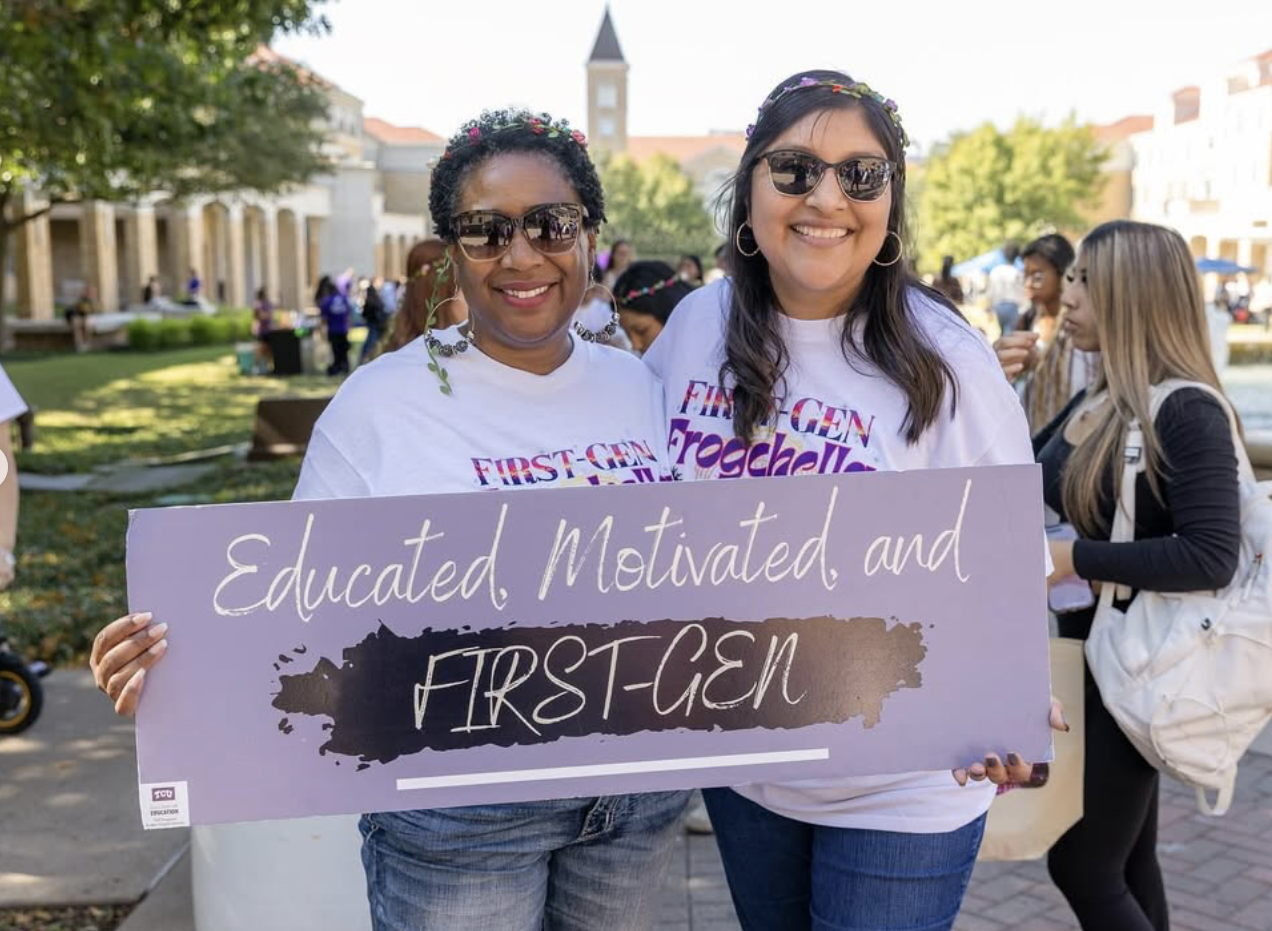
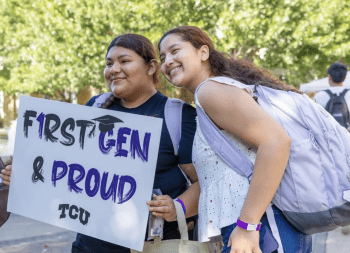
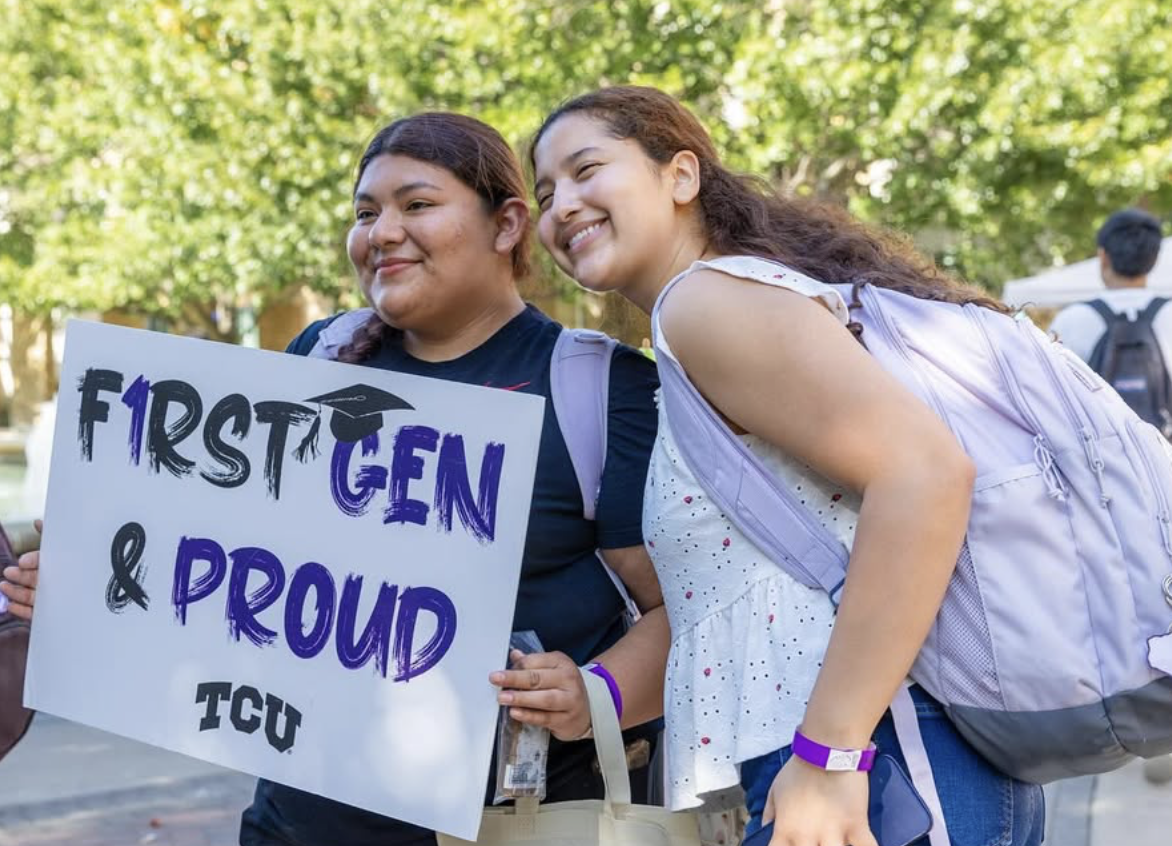
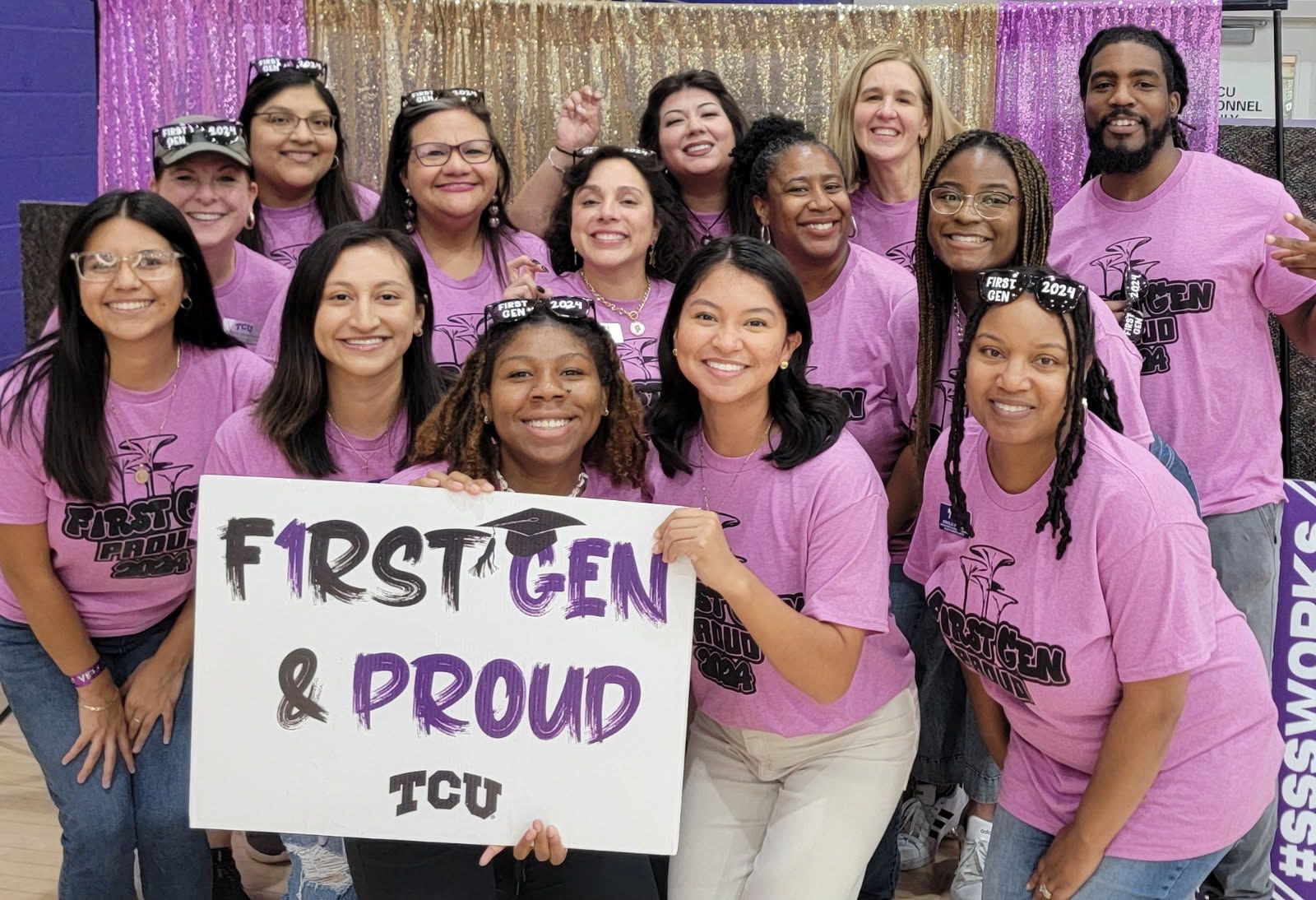
Horned Frogs at the 2025 First-Gen Frogchella. (Photo courtesy of texaschristianuniversity Instagram)
Horned Frogs at the 2025 First-Gen Frogchella. (Photo courtesy of texaschristianuniversity Instagram)
Ramping up
In 2017, “A national wave of trying to rebrand the first gen narrative was taking place,” Montes said. The Council for Opportunity Education and the National Association of Student Personnel Administrators (NASPA) recognized that this demographic of students needed to be celebrated – So, the National First Gen Day was created on Nov. 8. This correlates with the day the Higher Education Act was ratified. The act's purpose is to strengthen the educational resources and financial assistance to colleges and universities.
In turn, SSS joined with Inclusiveness and Intercultural Services and Student Development Services to create the First Gen Network at TCU, two programs that are no longer at TCU but have reconfigured under the title Student Affairs. The network's goal was to formalize and provide extra support to the efforts going towards first-generation students and found success.
“It just has skyrocketed. Like the initiatives that we've done, the scale that we've done has just grown over the years,” Montes said.
Because of these efforts in 2019, TCU was nationally recognized to be a First-Gen Forward Institution. “TCU is on a steadfast course of creating a culture of inclusiveness…Bringing first-generation college students to campus not only adds to this rich culture of diversity to TCU, but also enhances learning by ensuring varying perspectives in and out of the classroom,” according to TCU News.
The Community Scholars program joined the TRIO programs on campus in 2000 when Chancellor Michael Ferrari and Cornell Thomas, the special assistant to the Chancellor for Diversity and Community, put their heads together to create a niche program that, “was to increase diversity in the holistic term of students who were to come to TCU,” said Tameka Gordon, the Director of Intercultural Center and Student Identity & Engagement. According to Gordon, about 80% of the students who go through the Community Scholars program are first-generation.

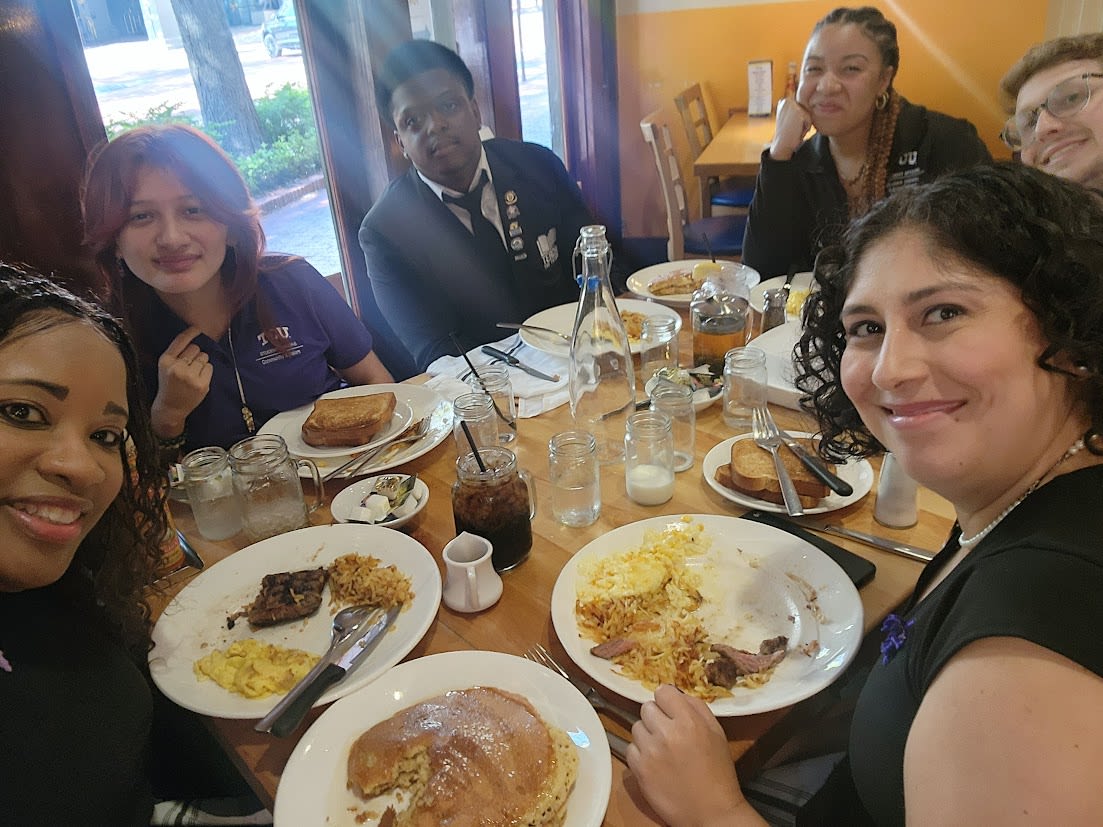
The Community Scholars staff and two students at Yolk, after the program received a special resolution at the Tarrant County Commissioners Court recognizing the 25th Anniversary of the TCU Community Scholars Program. (Photo courtesy of Tameka Gordon)
The Community Scholars staff and two students at Yolk, after the program received a special resolution at the Tarrant County Commissioners Court recognizing the 25th Anniversary of the TCU Community Scholars Program. (Photo courtesy of Tameka Gordon)
“it's very, very hands on and supportive,” Gordon said.
The program holds students to a higher academic standard. They have GPA requirements, participate in community service projects, student organizations, leadership positions, networking events, professional development activities and are encouraged to do internships.
Gordon said, they also “provide [students with] support and resources if it has to do with emotional, mental, physical, [and] spiritual wellbeing.”
The TRIO programs at TCU partner up with other people and programs around campus to create more opportunities and events for the students. “Our partnerships are key,” Montes said.
Departments like Human Resources, Student Success, Religious & Spiritual life, Student Access & Accommodation Services, Dean of Students and other community partners are just a few of the people who contribute to this initiative. Events like First-Gen Week, leadership workshops, panel discussions and networking events are brought to life through the combination.
Montes recognized that there was a need for more students to gain support under the SSS program, so she applied for a second federal grant. In 2020, the SSS STEM-Health Science Program began, which focuses on the same eligible students with the variable of them being a STEM major. SSS and SSS STEM work in parallel with each other, but having two separate funding sources allows for more student support. This program helps support an additional 120 students.
Altogether, the programs at TCU have evolved far past basic access initiatives. What began with the federally funded TRIO programs has grown into a campus-wide network that is focused on student success and belonging for first-generation students.


Trailblazers
TCU’s first-generation support programs have shaped many student experiences, and this influence is best shown through the students whom they support.
Corey Blake Townsend, a junior sports broadcasting major, did not know a lot about TCU in the beginning until he went on a tour and realized, “I actually love this place.” Townsend’s motivation to go to college sparked because he knew he wanted better for himself and to give back to his family. That’s what fuels his fire, he said.
In high school, Townsend was a part of the Upward Bound program, and once he began his TCU experience, he joined SSS.
“TCU has helped so much, not just like with scholarship and aid, but like also providing all their resources,” Townsend said. “Even though it does cost a lot to go here. I know, like, I'm always gonna have a meal… if I need anything, I can always go ask someone to get help.”
Townsend mentioned he is “really grateful for TCU 'cause they were able to give me a lot of need-based scholarship and aid.” Since he is not just first-generation, but comes from a low-income household, Townsend works hard as a resident assistant to get his board covered and relieve more financial stress. His family was hesitant about him attending TCU, but now, “we all bleed purple,” he said. And being first-generation, “my family's able to live like vicariously through me.”
“I feel like I've been very successful, like using all the resources we have here on campus,” Townsend said. “Either it's just...the normal writing center or the math clinic, anything like that. But also the student support services, like all the workshops that they provide for us.”
Townsend plans to work for a major sports team or company as a producer working live events in the control room. “I feel like TCU has done an amazing job of making sure that I can actually do that later on in life as a career,” he said.
David Duong, a junior political science major, was born in Vietnam. Neither of his parents finished elementary school, but he saw the importance of education. When Duong moved to the United States in 2016, he realized that he was doing well in school and wanted to see how far he could go with his education. Duong discovered TCU in middle school and said he did not think it could ever be a possibility because of the cost, but his dream came true when he was granted a full-ride scholarship.
Now, he is a part of the Community Scholars program, where he gives credit to the directors and community because, “I would not be where [I am] today without that,” Duong said. Currently, Duong is in Washington, D.C., interning for a non-profit program for legal services to low-income residents. This was made possible because of the Community Scholars program paying his way.
Duong was also accepted into and found support through the SSS and McNair Scholars programs. Duong pushed himself to “see what is out there and what is impossible.” He plans to attend graduate school and said TCU has been great in providing him with so many resources and support to lean on.
Although TCU has many resources specific to first-generation support, there are other ways for these students to make their way. Senior marketing and communication double major, Charity Ketu applied herself to many extracurriculars on campus instead of using the support programs, like the Student Government Association, Neeley Fellows and the Chancellor’s Host program– all selective, professional groups.
“I think I just got involved in so much so soon that I didn't necessarily have the bandwidth to engage in those [first-gen support] programs as well,” Ketu said.
Ketu is from Cameroon in Central Africa and came to the United States when she was 15. She said navigating school was a challenge because her mother spoke French, not English. However, with siblings also pursuing higher education, she was able to lean on them for support and guidance.
“I am a firm believer in that our experiences shape our perspectives, and so whether it's being a first-generation student, whether it's being an African student, international student, it all provides a certain perspective,” said Ketu when asked if being first-generation gives her a different perspective. “It helps me not miss class for the sake of missing class. It helps me stay on top of my assignments, actually taking the time to learn what I'm studying in class, 'cause I perceive it as a privilege to be in all the classes that I am in and to learn the things that I'm able to learn. And so having that perspective definitely comes from the fact that I didn't necessarily grow up with parents that could help me with homework.”
Ketu said, “ being aware of the resources available, at least [at] TCU that I could leverage in order to help me fill the gaps that my upbringing wasn't necessarily able to cover,” was important.

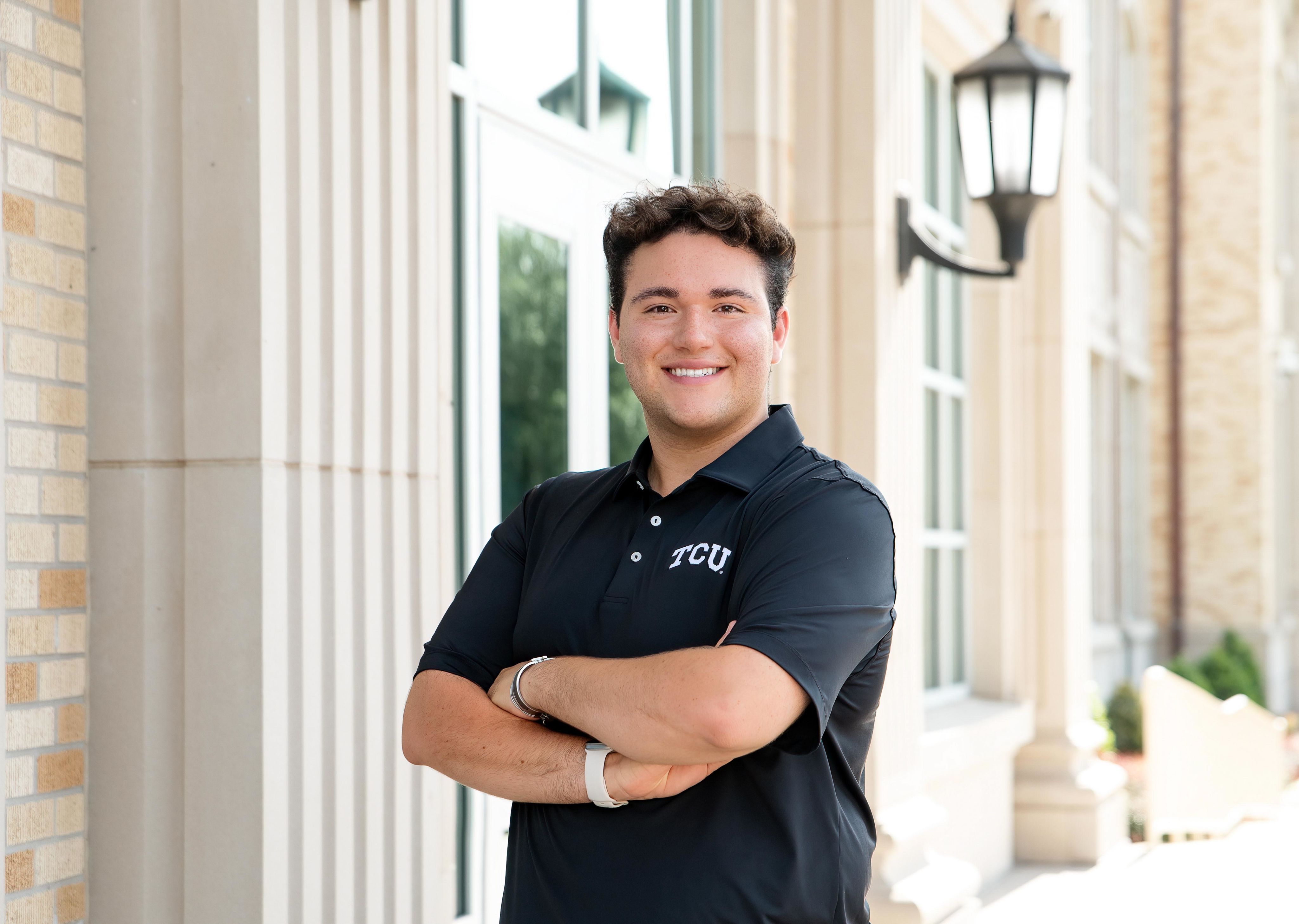
Corey Blake Townsend, a junior first-generation student. (Photo courtesy of Corey Blake Townend)
Corey Blake Townsend, a junior first-generation student. (Photo courtesy of Corey Blake Townend)
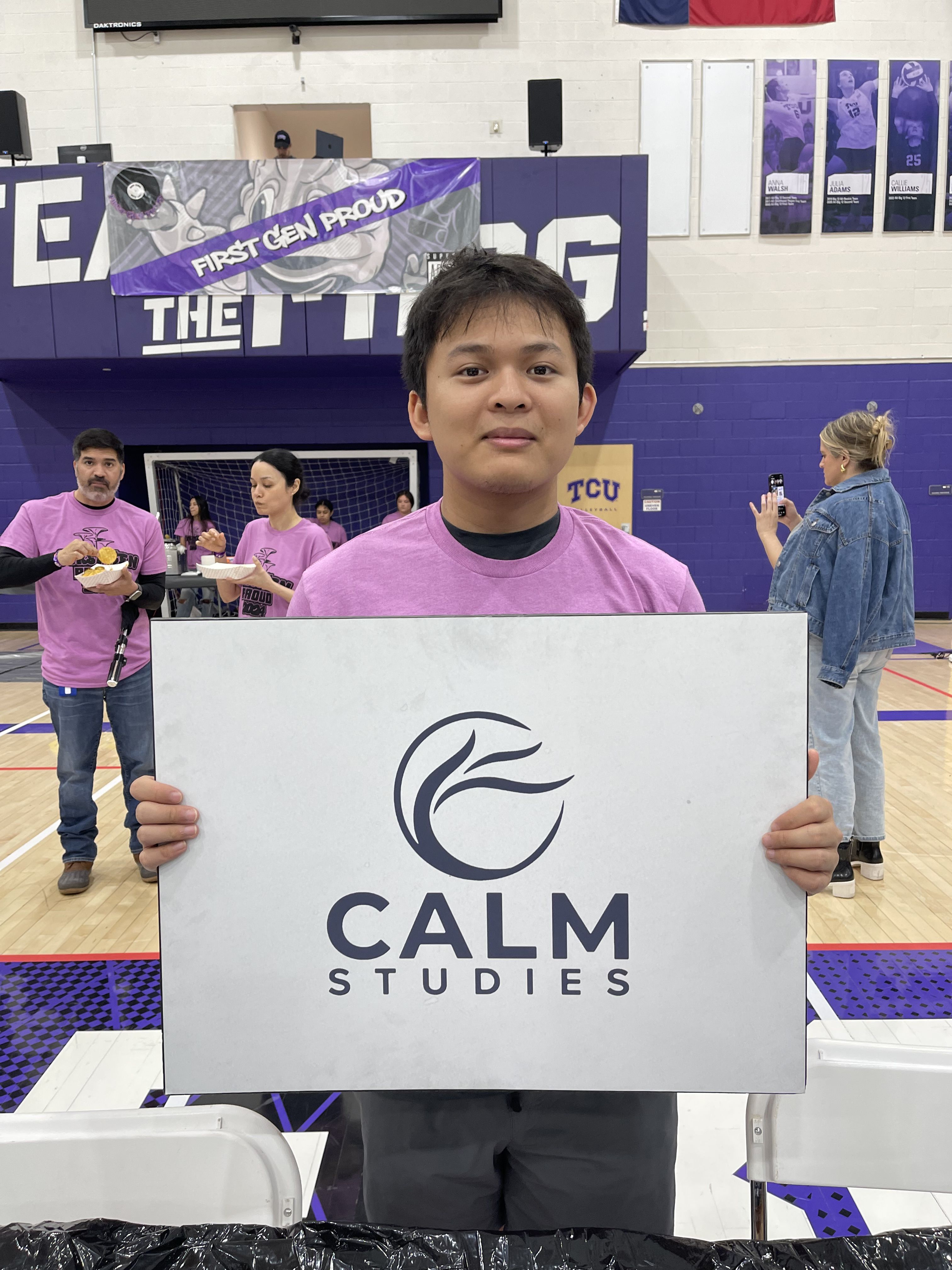
David Duong, a junior first-generation student. (Photo courtesy of David Duong)
David Duong, a junior first-generation student. (Photo courtesy of David Duong)

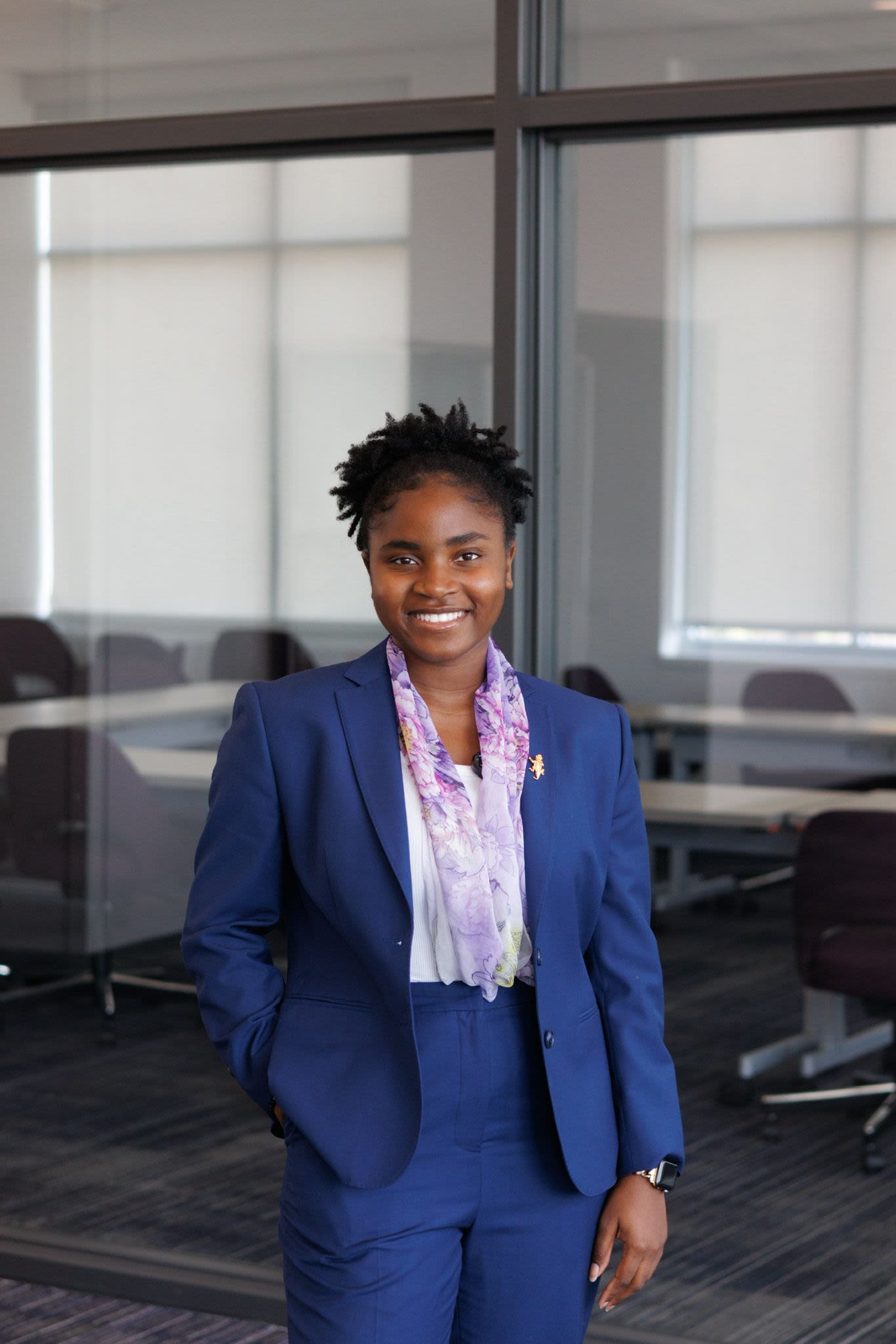
Cherity Ketu, a senior first-generation student. (Photo courtesy of Dillon Thomas)
Cherity Ketu, a senior first-generation student. (Photo courtesy of Dillon Thomas)
The future of support
Moving forward, Montes hopes to create an atmosphere at TCU that is not always dependent on federal dollars.
“For the last two years we've been growing…we have proven results…what we do works,” Montes said. “ I think that for TCU we have to start exploring a way that we can do what we do on a bigger scale.”
In doing so, this will create an environment where more students are able to receive guidance and help from the programs on campus, rather than a strict number. “I pray that the future is that we figure out how to sustain this and scale this at TCU to serve all the students that we're bringing in,” Montes said.
Gordon’s hopes align with Montes’ – the want to reach more students.
“I wanna see a first-generation center,” Gordon said. “And make it something that's important and visible.” Having first-generation support services in one space will create a place where students know to go and look for help, rather than the programs having to find them. Resulting in an easier to access, more close-knit community.
TCU’s multiple programs and efforts that go forth towards first-generation support help to broaden inclusion throughout campus and aid a large percentage of students through academic, personal and professional support.
Providing programs that guide first-generation students allows them to redefine what’s possible, no matter their upbringing. These efforts reveal the power and purpose behind support, community and confidence in oneself. The support programs hosted at TCU are made possible through federal, community and campus funding and efforts. All with the streamlined goal of providing support for students to make the best of their college experience and overflow that knowledge into the following generations.



 Built with Shorthand