From regional to national
How TCU admission was remade in a decade
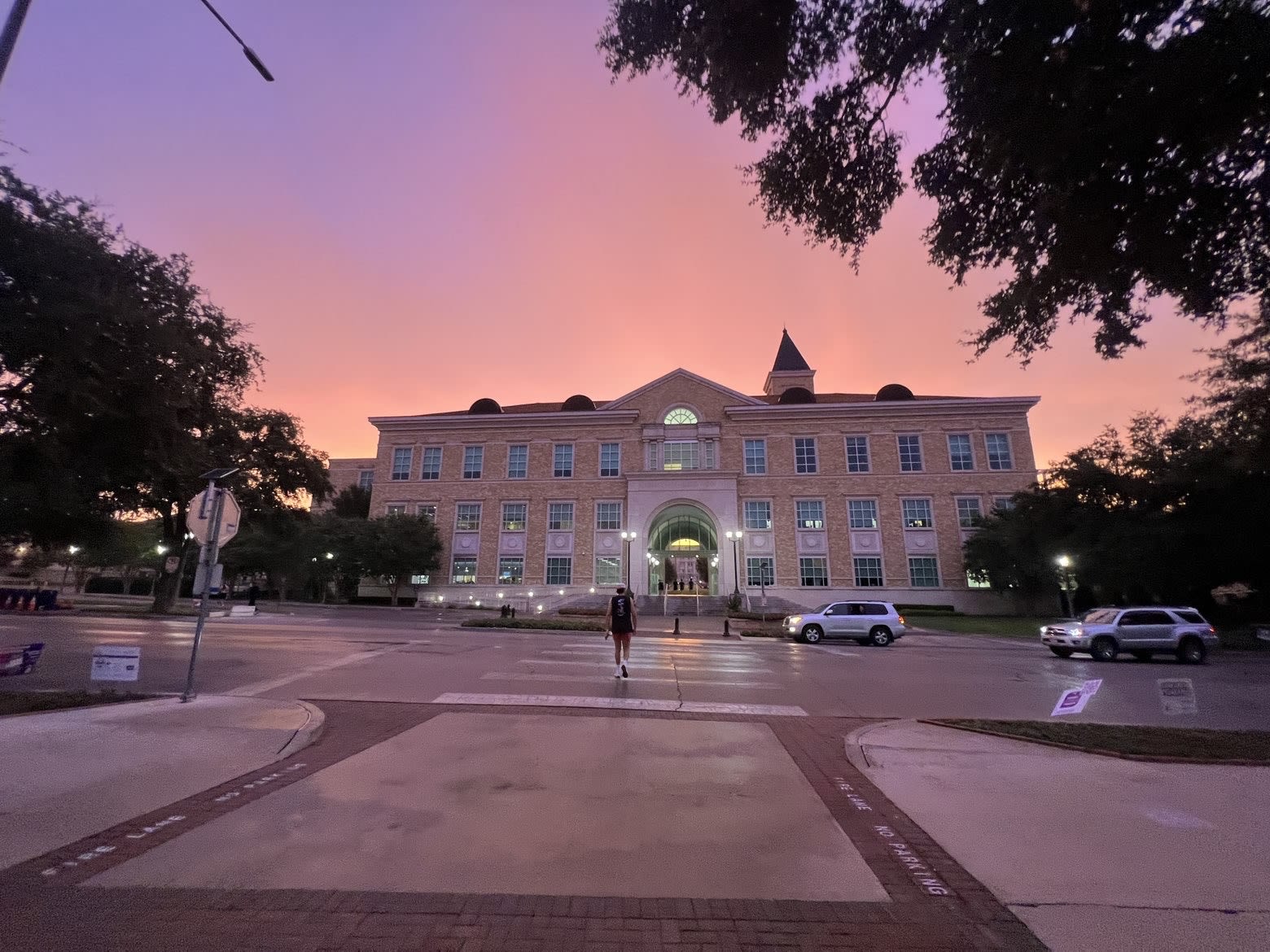

On a quiet stretch of South University Drive, just beyond the heart of Texas Christian University’s campus, change is measured in parking shortages, construction cranes, athletes on scooters and record-breaking application numbers.
A university that once drew most of its students from Texas now fields applications from every corner of the country. And inside the admissions office, where decisions ripple into nearly every classroom and residence hall, the transformation has been impossible to miss.
“I arrived at TCU in 2012, and we had an incoming class of about 1,850 students,” said Heath Einstein, the university’s former dean of admission and current vice provost for enrollment management. “Today, the first-year class is closer to 2,750. Undergraduate enrollment has grown from about 8,300 to over 11,000.”

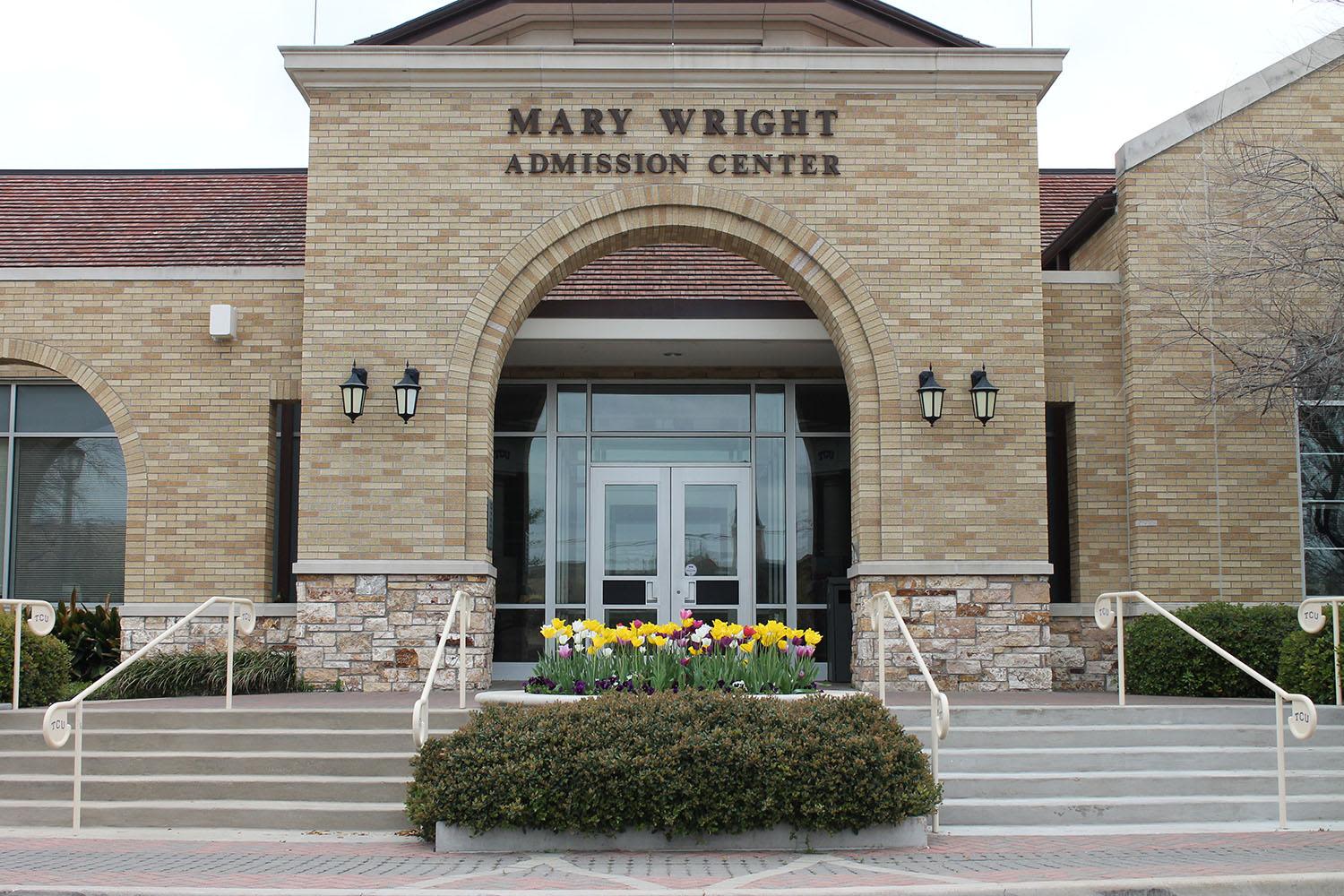
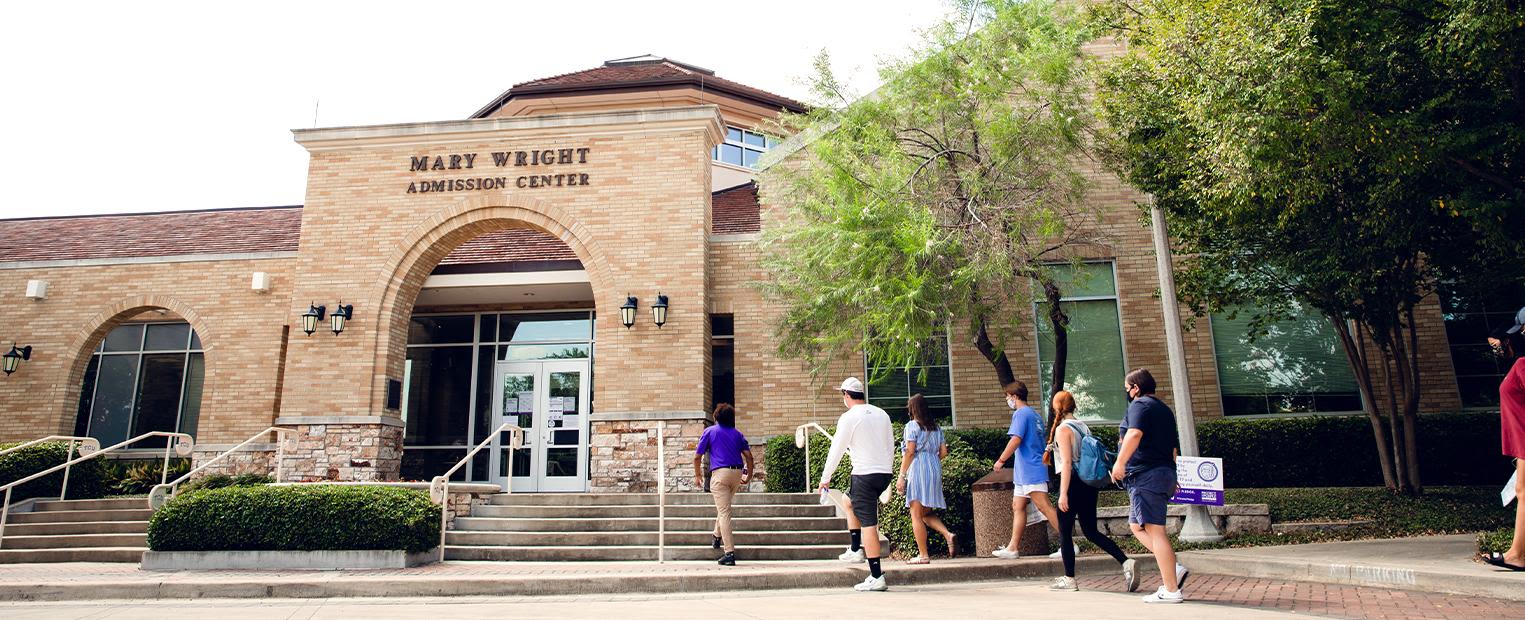
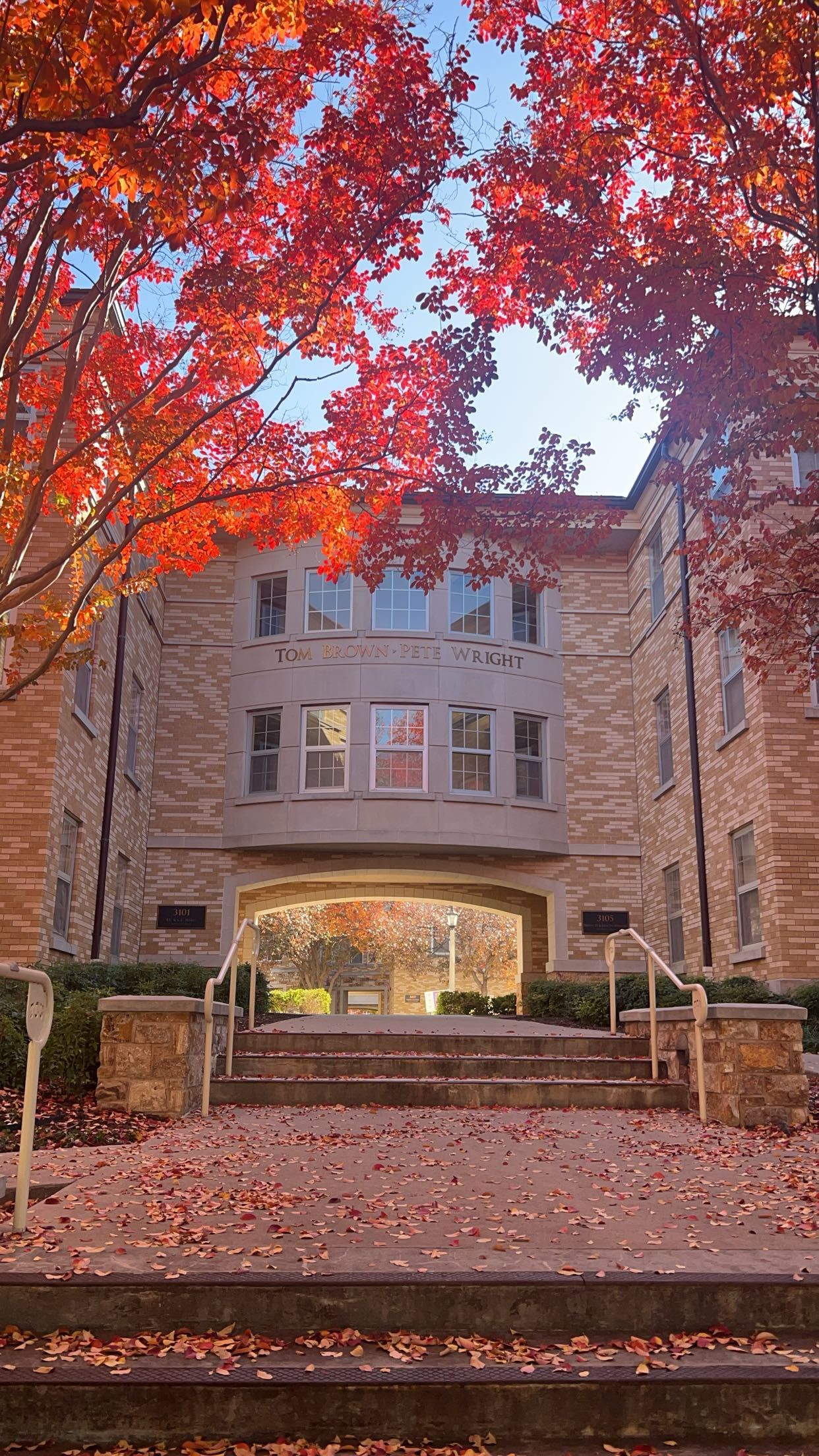
Mary Wright Admission Center (Photo: TCU 360)
Mary Wright Admission Center (Photo: TCU 360)
The numbers point to growth. But the real story lives behind them — where the students come from, what families can afford, how selective the process has become, all changing TCU’s identity along the way
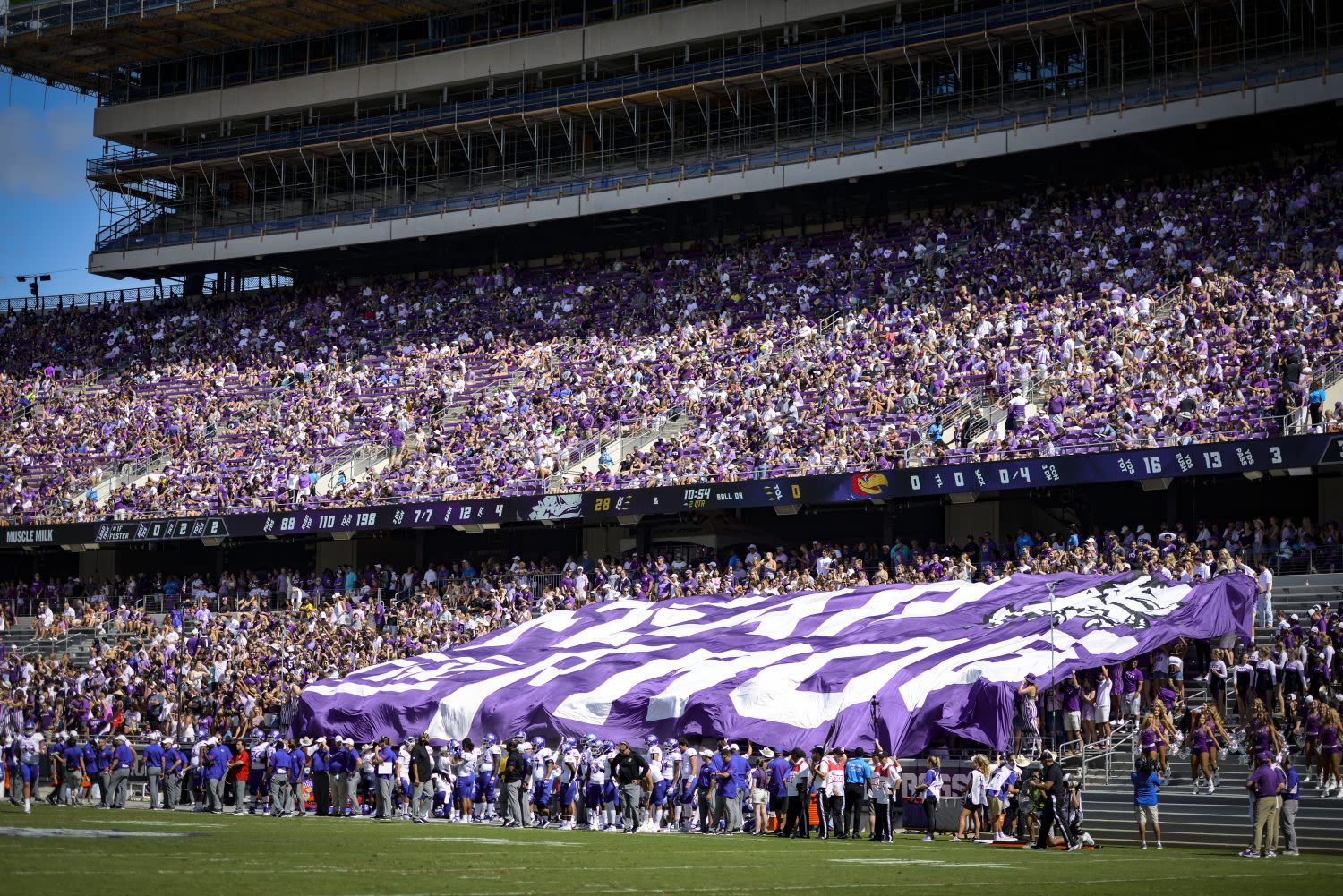
What began as steady expansion in the early 2010s accelerated after the football program’s Rose Bowl win in 2011 and surged again following its 2023 National Championship game appearance.
At the same time, the national college landscape grew more unstable: tuition climbed, public trust in higher education wavered, international enrollment faced new barriers, and demographic forecasts warned of the coming “enrollment cliff” — a long-term drop in U.S. high school graduates beginning in the mid-2020s.
Against that backdrop, Einstein said TCU made a bold choice.
“Most colleges right now are just trying to survive. We’re one of the few saying, ‘We’re going to grow.’”
Becoming a national player

For decades, TCU was shaped largely by regional rhythms — Texas high schools, nearby suburbs and well-worn recruiting pipelines. That geography has changed rapidly.
“Our biggest application overlaps now are with big public flagships,” Einstein said, naming schools such as Texas, Texas A&M, Oklahoma, Georgia and Auburn. “The South is the hotbed of enrollment right now.”
The shift mirrors broader migration into Texas, especially from California and the Northeast, and it has quietly reshaped the makeup of TCU’s student body. Students now arrive from across the country with different backgrounds, expectations and ideas of what college should look like.

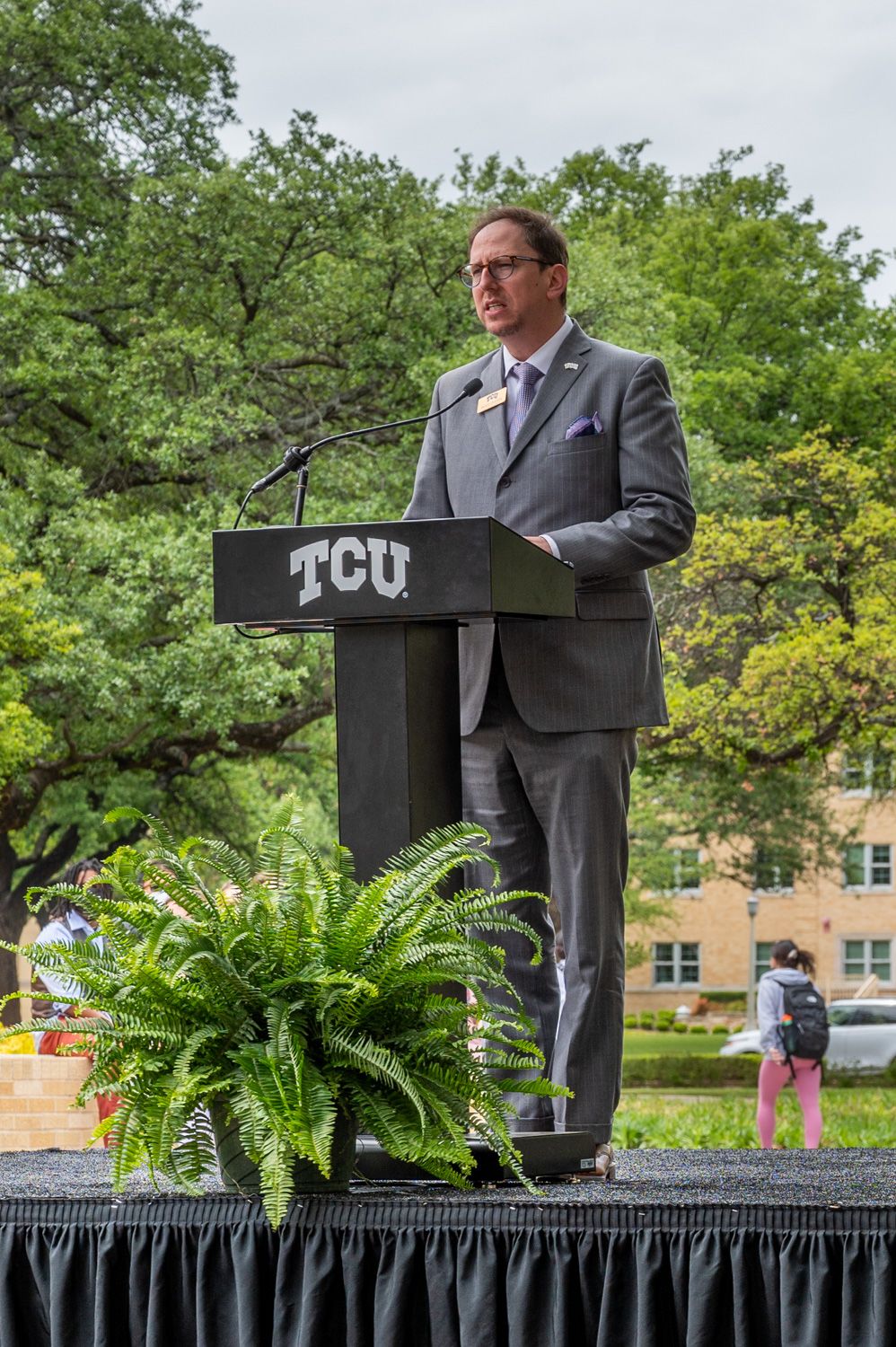
Heath Einstein speaks during the Race and Reconciliation event on Wednesday, April 21, 2021 behind the founder's statue. (Esau Rodriguez Olvera / Staff Photographer)
Heath Einstein speaks during the Race and Reconciliation event on Wednesday, April 21, 2021 behind the founder's statue. (Esau Rodriguez Olvera / Staff Photographer)
The pandemic pivot


No force accelerated that transformation more than COVID-19.
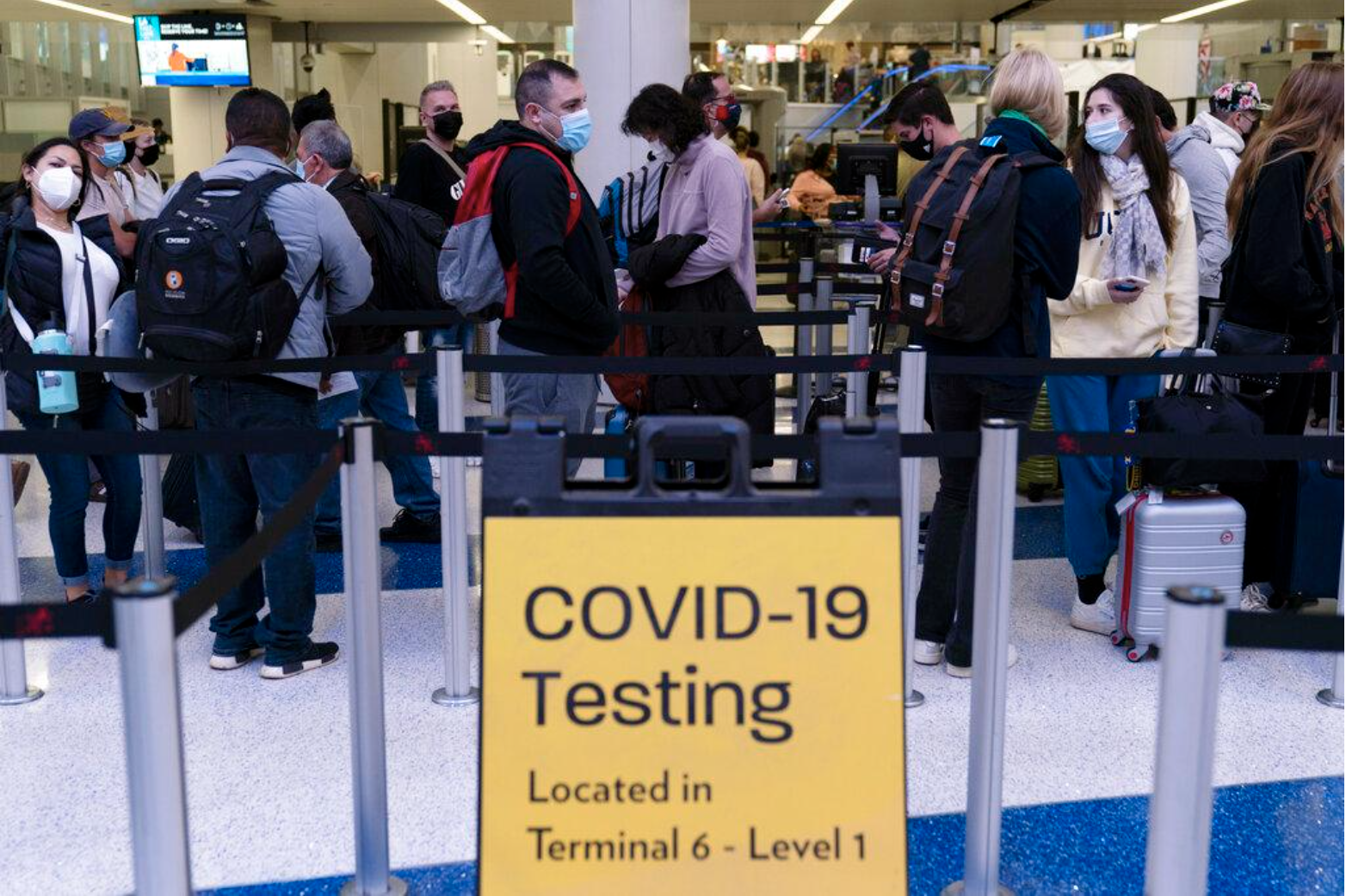
In 2020, as standardized testing centers shut down and campuses emptied, colleges across the country went test-optional almost overnight. Applications surged — especially to selective private universities. Families reached farther. Students applied wider. And no one knew which institutions would survive the uncertainty.
“We had to pivot everything, recruiting, communication, financial aid — almost instantly,” Einstein said. “And we had to do it while families were panicking about safety, finances and the value of college itself.”
TCU doubled down on virtual outreach and redirected budget resources into student aid. As May 1, approached — the national enrollment decision deadline — Einstein and his team realized the university might fall short.
What followed became legend inside the admissions office.
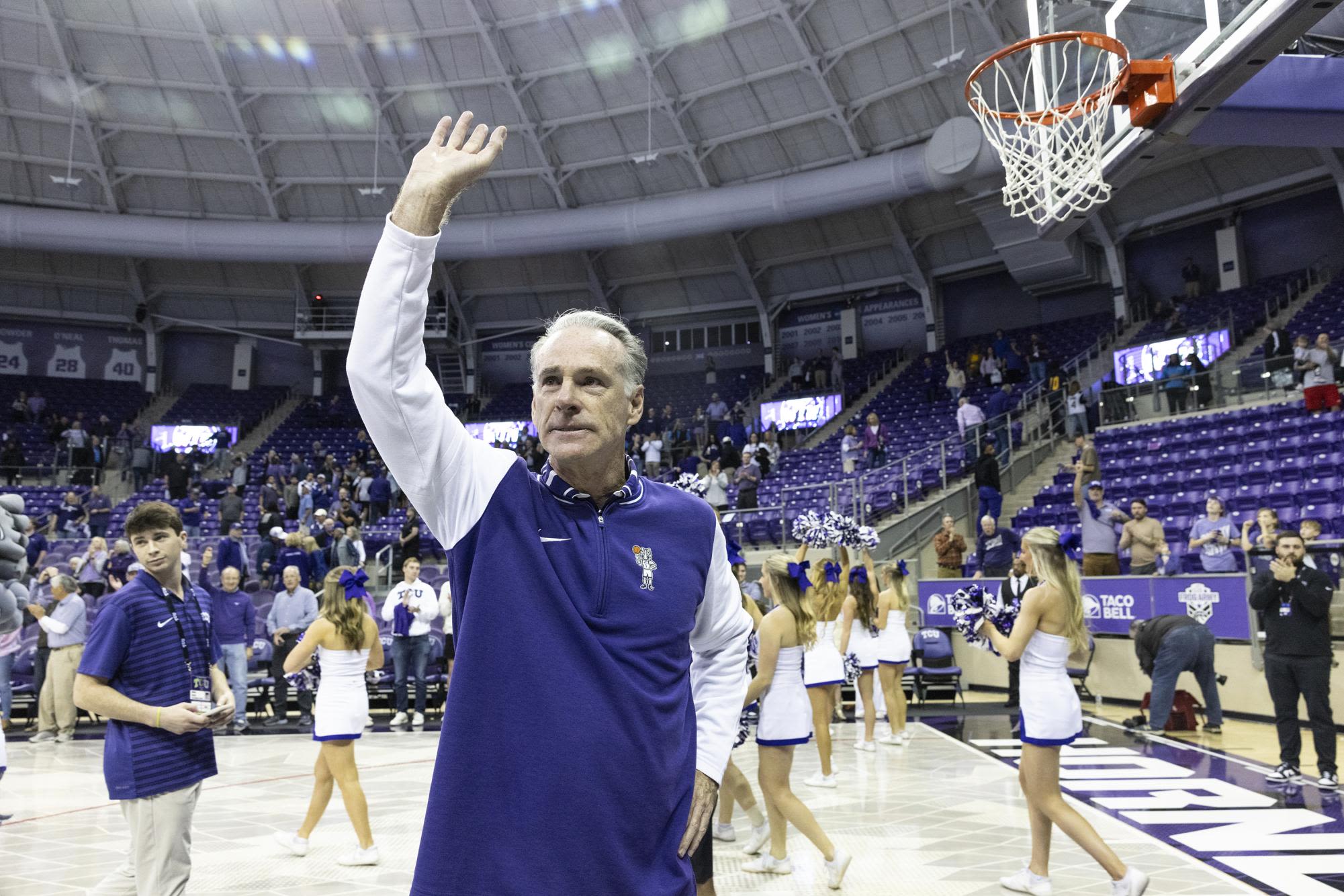
Einstein sent a campus wide call for help. Senior administrators volunteered to recruit admitted students one by one. Even men’s head basketball coach Jamie Dixon joined in, calling families directly. Then-chancellor Victor Boschini also picked up the phone. The all-hands push worked.
“That was the year I truly learned what it meant to be a Horned Frog."
The class was filled. And the admissions landscape was altered.
Selectivity, prestige and pressure

As applications climbed, acceptance rates tightened. And as selectivity rose, prestige followed.
For the 2024 cycle, TCU’s admitted-student profile reported a middle 50% SAT range of 1,280–1,430 and an ACT range of 29–33, with an average GPA of 3.78 according to the university.
But with heightened selectivity came heightened pressure.
Eileen Cunningham Feikens, a longtime college counselor at the Dwight-Englewood School in New Jersey, said the post-COVID admissions boom changed student behavior everywhere.
“Students apply to far more schools now than they ever used to,” Feikens said. “Test-optional made it feel safer to reach, but it also made everything less predictable.”
At elite private high schools, families increasingly equate selectivity with quality — even when affordability and academic fit suggest otherwise.
The pressure to choose a recognizable name over a practical option has become a defining tension in the modern admissions process.
“I see students turn down big merit scholarships at less selective schools just to chase a name,” Feikens said. “And then the financial reality hits later.”
A New Jersey high school senior, Leo Colosimo, described the pressure this way:
“Every adult tells you fit matters, but every ranking makes you feel like prestige matters more,” Colosimo said.

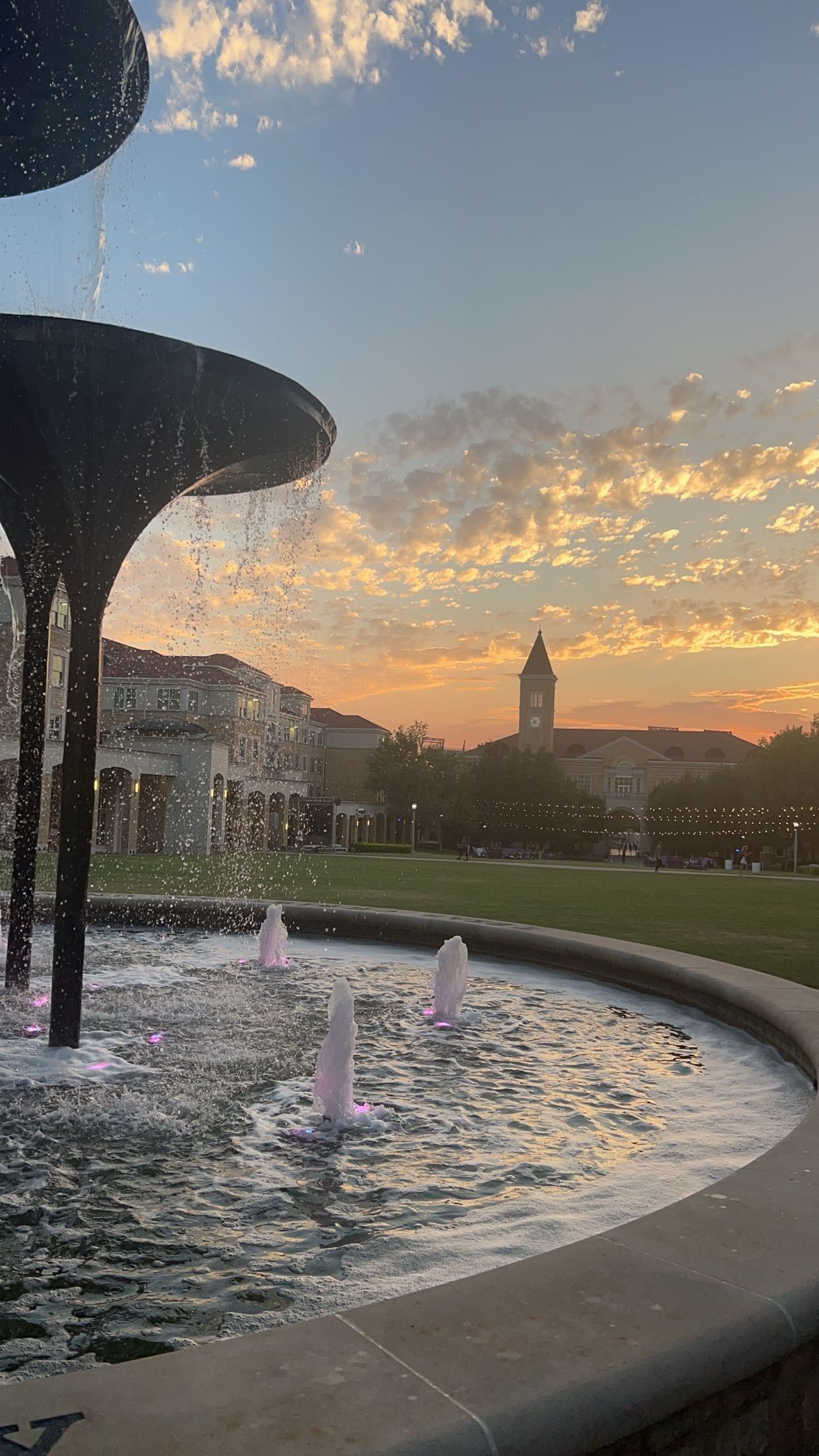
Frog Fountain at sunset. (Photo: Maverick Diaz/Staff Writer)
Frog Fountain at sunset. (Photo: Maverick Diaz/Staff Writer)

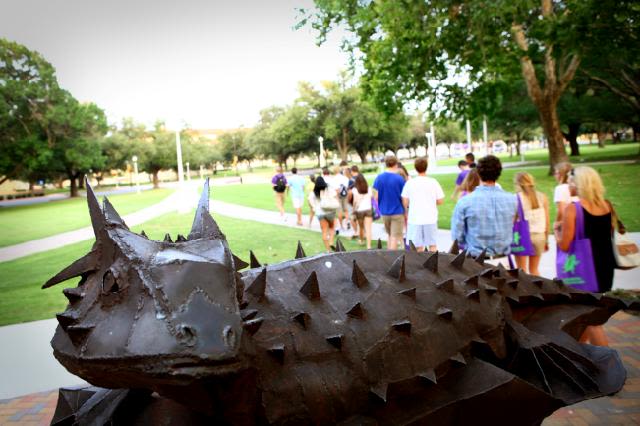
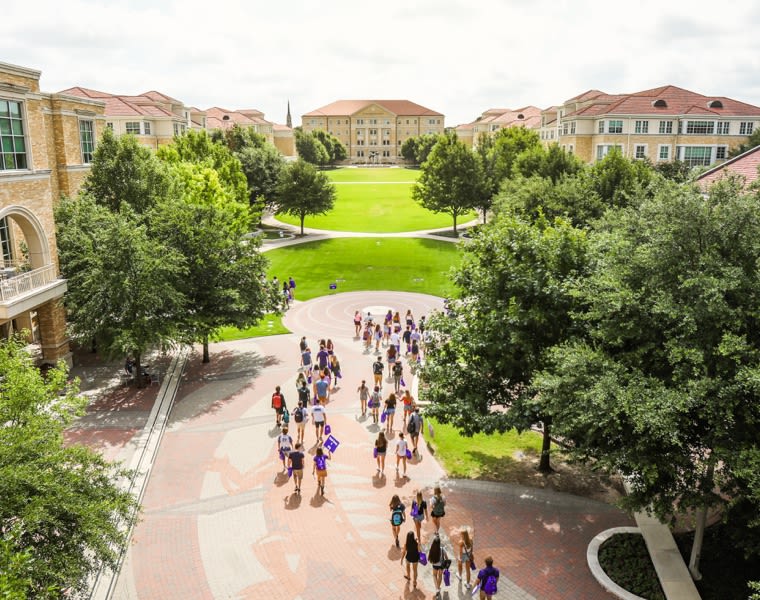
Incoming students walking through campus on a tour. (Photo: TCU Student Development Services)
Incoming students walking through campus on a tour. (Photo: TCU Student Development Services)
Managing growth without losing identity

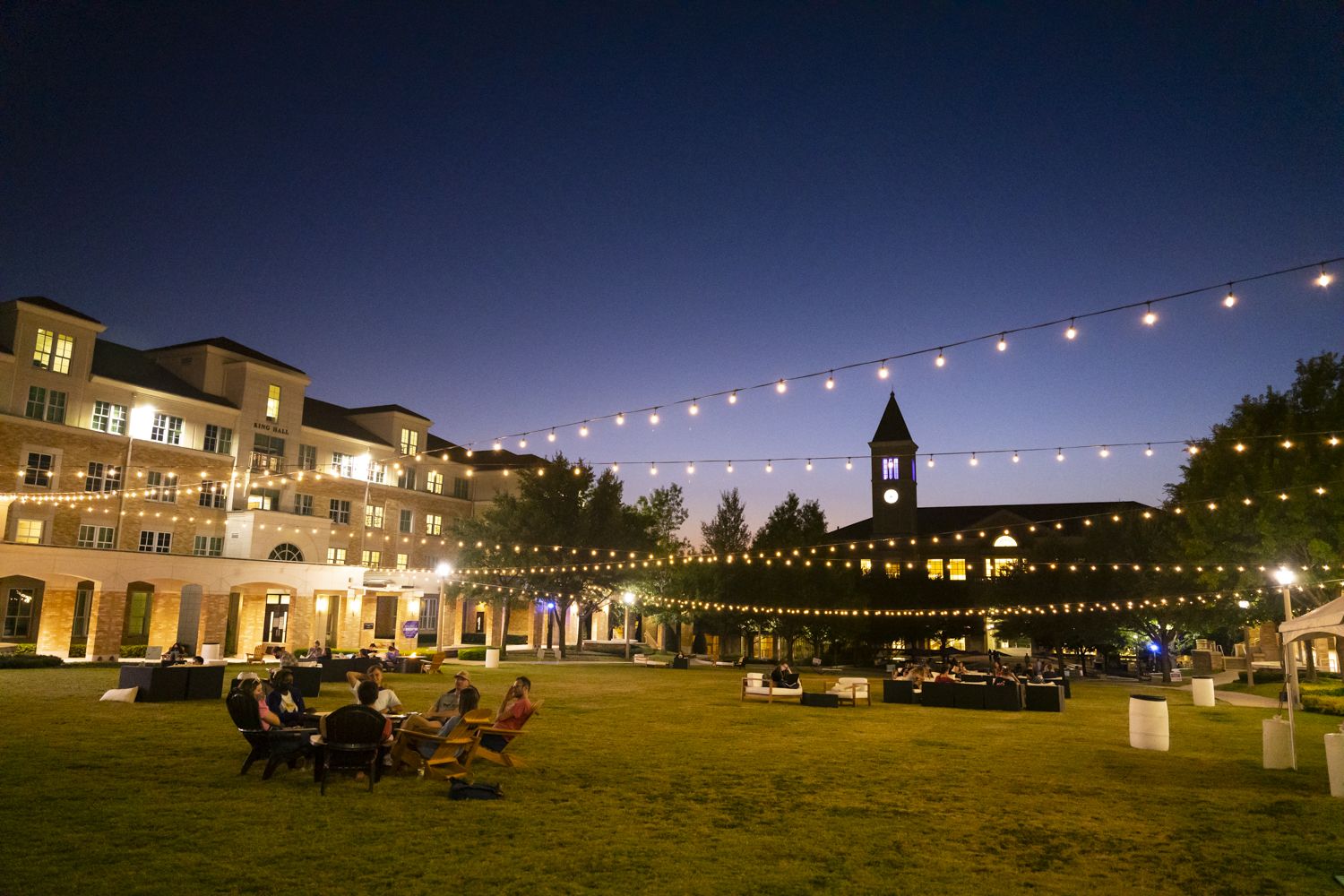
“We don’t think just year to year. We think in five- and 10-year increments.”
At TCU, growth has forced administrators to wrestle with a deeper question: how to expand without losing the personal atmosphere that drew students in the first place.
The university’s strategic plan calls for roughly 14,900 undergraduates by the mid-2030s. But TCU dean of admission Mandy Castro said expansion is not only about size — it is about balance.
“We don’t have quotas the way athletic recruiting does,” Castro said. “But we do have to make sure we’re building a real community — across majors, organizations, residential life, band and Greek life.”
As admissions tightens, questions of access grow sharper. Who still sees TCU as attainable as academic standards rise? And how do universities maintain diversity as competition increases?
The Supreme Court’s 2023 ruling ending race-conscious admissions forced colleges nationwide to rethink how diversity, access and belonging are defined. At TCU, those questions now sit at the center of enrollment strategy.
Feikens said students of color now wrestle with how openly to discuss identity in their applications. Families weigh whether private schools remain financially realistic.

TCU in a shrinking market

Even as TCU expands, much of higher education is contracting. The projected nationwide decline in high school graduates — sometimes called the “enrollment cliff” — threatens many colleges that lack TCU’s geographic and brand advantages.
TCU benefits from being in a rapidly growing state and region. As of fall 2025, the university reported 11,152 undergraduates and 1,828 graduate students, making total enrollment nearly 13,000.
Einstein said those headwinds make TCU’s position both privileged and precarious.
“We benefit from Texas being one of the few states with population growth,” he said. “But that doesn’t make us immune from national forces.”
Families are questioning return on investment more than ever.
Students arrive with mental health pressures shaped by pandemic adolescence.
And admissions officers face rising workloads, automation and the ethical strain of turning away more qualified applicants than they can admit.
“We are bringing in stronger students,” Einstein said. “But that also means denying stronger students.”

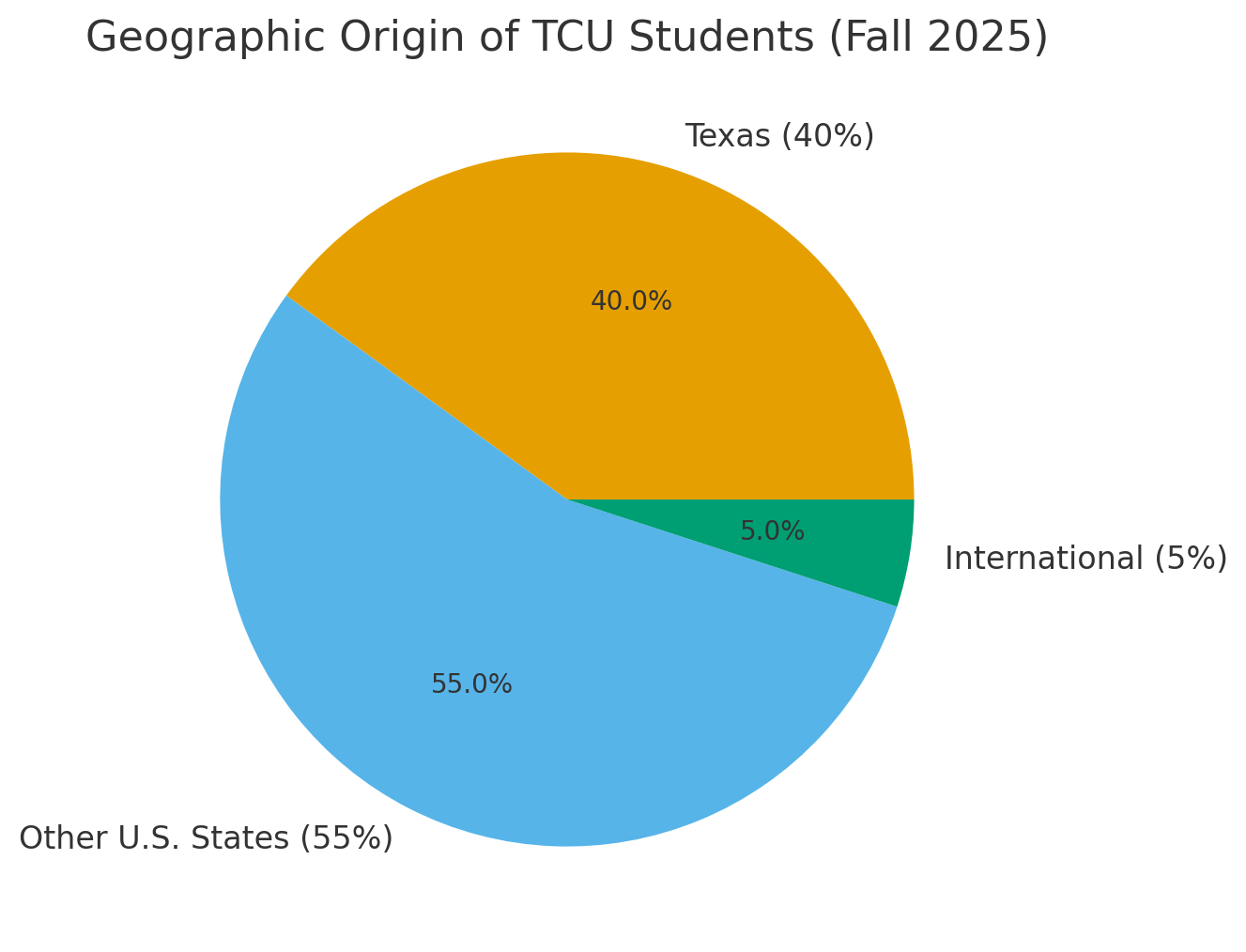
Pie Chart of where TCU students are from as of 2025. (Source: TCU Admission)
Pie Chart of where TCU students are from as of 2025. (Source: TCU Admission)

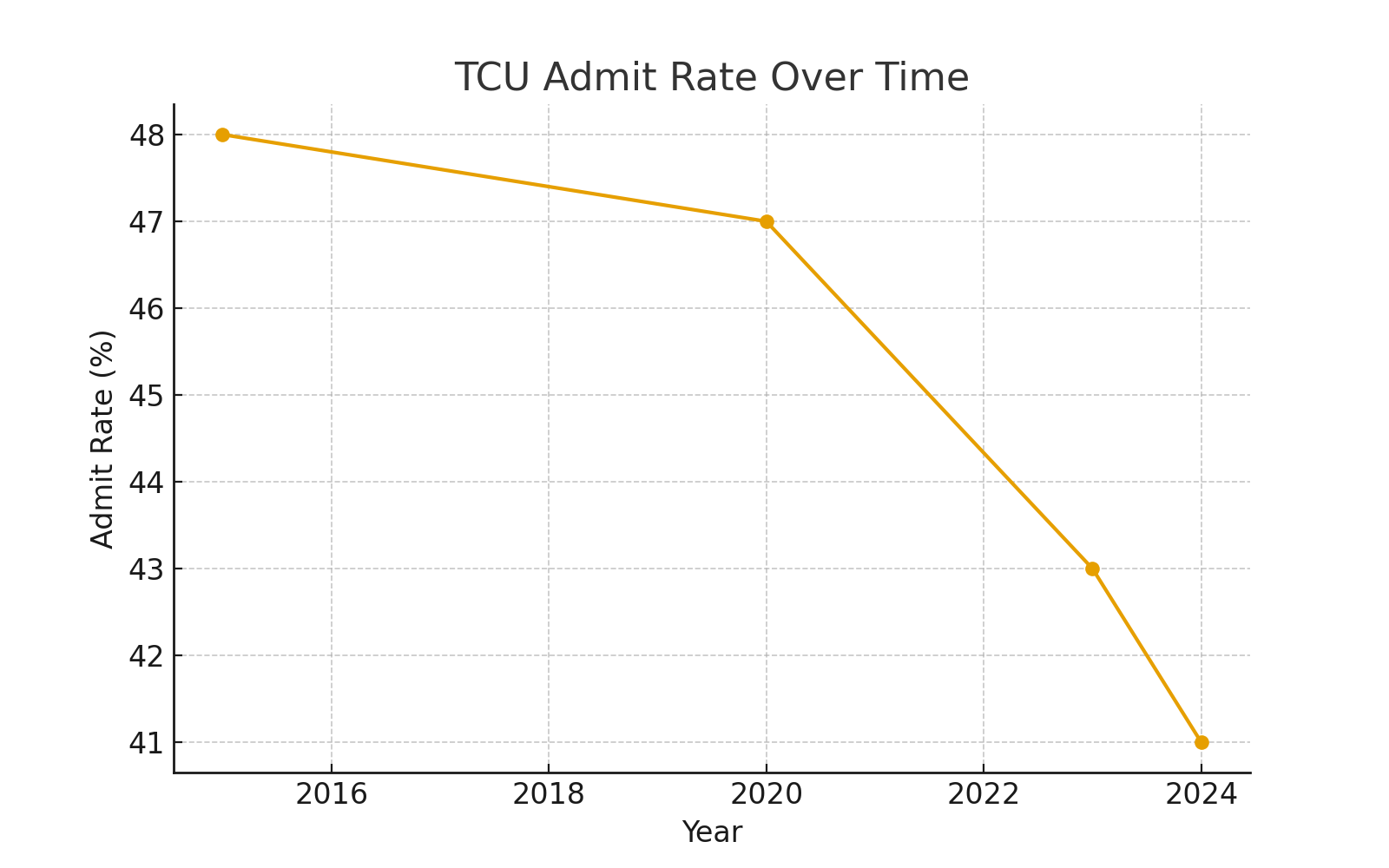
TCU Admission Rate Line Chart. (Source: TCU Institutional Research)
TCU Admission Rate Line Chart. (Source: TCU Institutional Research)
A new definition of "who gets in"

As TCU’s applicant pool grows deeper and more national, the definition of the “typical Horned Frog” is evolving.
Once a mostly regional university, TCU now draws students from both coasts. What was once moderately selective has grown far more competitive, and a campus once defined mainly by Texas culture is now shaped by national movement and a new generation of students.
For Castro, the mission has remained constant — even as the terrain shifts.
“Where you go to college impacts everything after that. It’s the first real life decision most students make on their own.”
That decision now unfolds in a world far more complex than the one TCU navigated just a decade ago.
Yet for all the pressure, data and prestige, Einstein said the heart of admissions remains unchanged.
“We’re still building a class,” he said. “One student at a time.”









2011: The Rose Bowl moment
TCU’s football program captured national attention with its Rose Bowl victory, marking a turning point in the university’s visibility and helping accelerate interest from students far beyond Texas.
2012: A smaller and regional TCU
When Heath Einstein arrived at TCU, the incoming first-year class numbered about 1,850 students and undergraduate enrollment stood near 8,300, with most students still drawn from Texas and nearby states.
2020: The Covid-19 pandemic
COVID-19 shut down testing centers nationwide and forced TCU, along with most universities, to go test-optional almost overnight, triggering a surge in applications and transforming the admissions process for years to come.
Late spring 2020:
As the May 1 decision deadline approached during the pandemic, senior administrators, coaches and the chancellor called admitted students to stabilize enrollment — a rare, campus wide recruiting effort that reshaped how admissions operated.
2023: The national stage returns
TCU’s appearance in the College Football Playoff national championship game renewed national exposure, further expanding the university’s applicant pool and accelerating selectivity.
2025: A national university by the numbers
By fall 2025, TCU’s first-year class reached 2,754 students and undergraduate enrollment surpassed 11,000, confirming a decade-long transformation from a regional institution into a nationally competitive university.
 Built with Shorthand