
Inside Silo Dallas
How a warehouse became a cultural equalizer
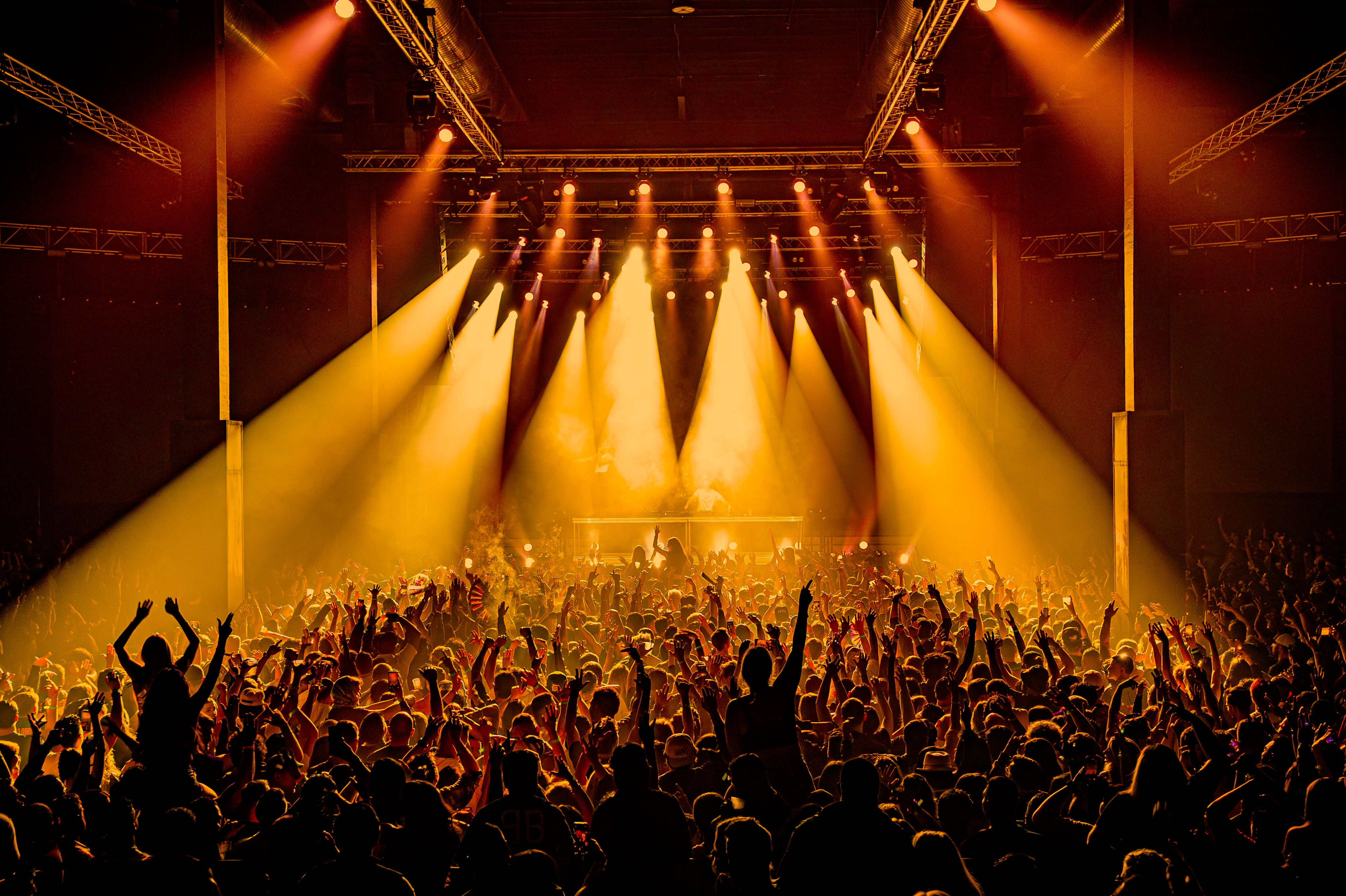


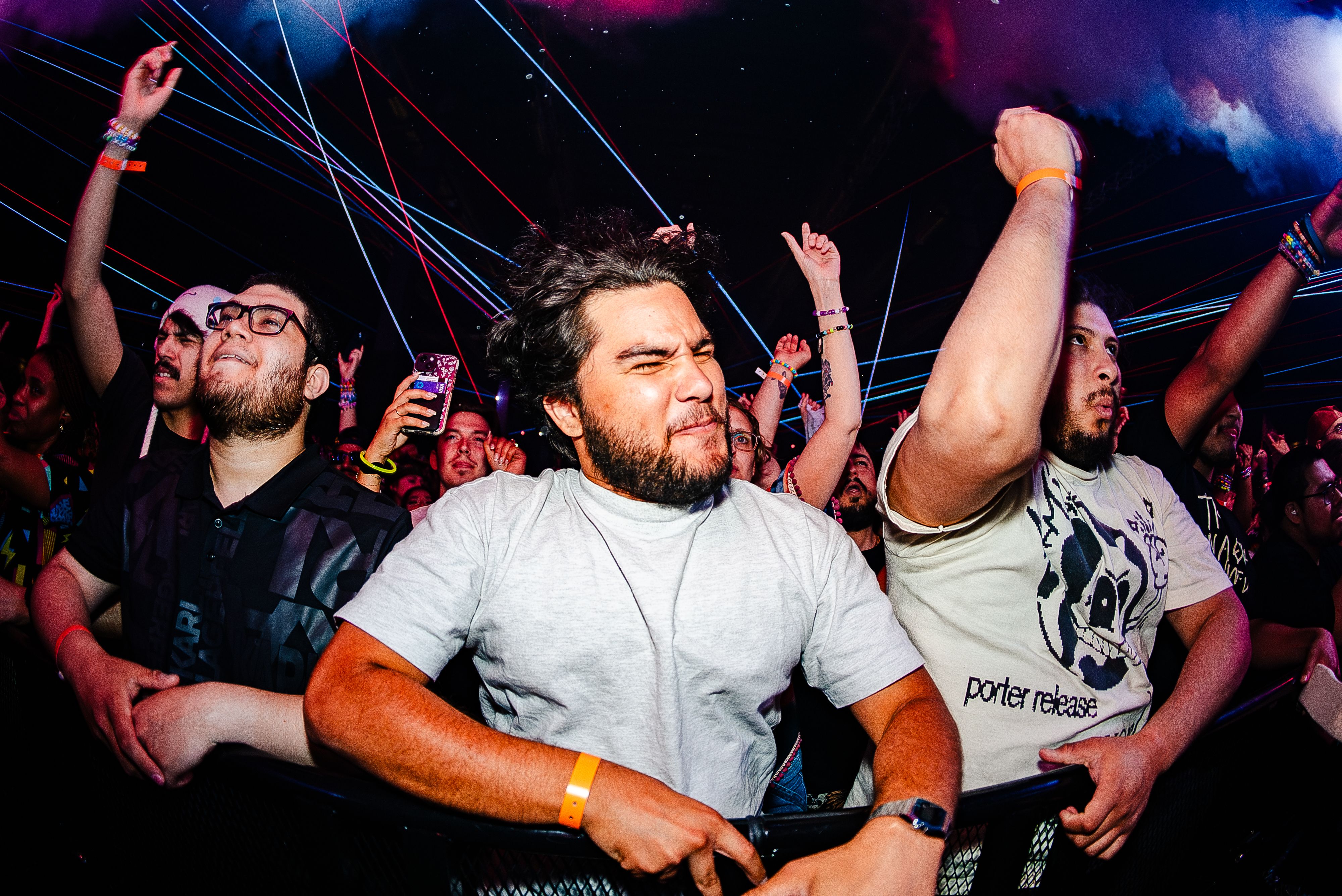

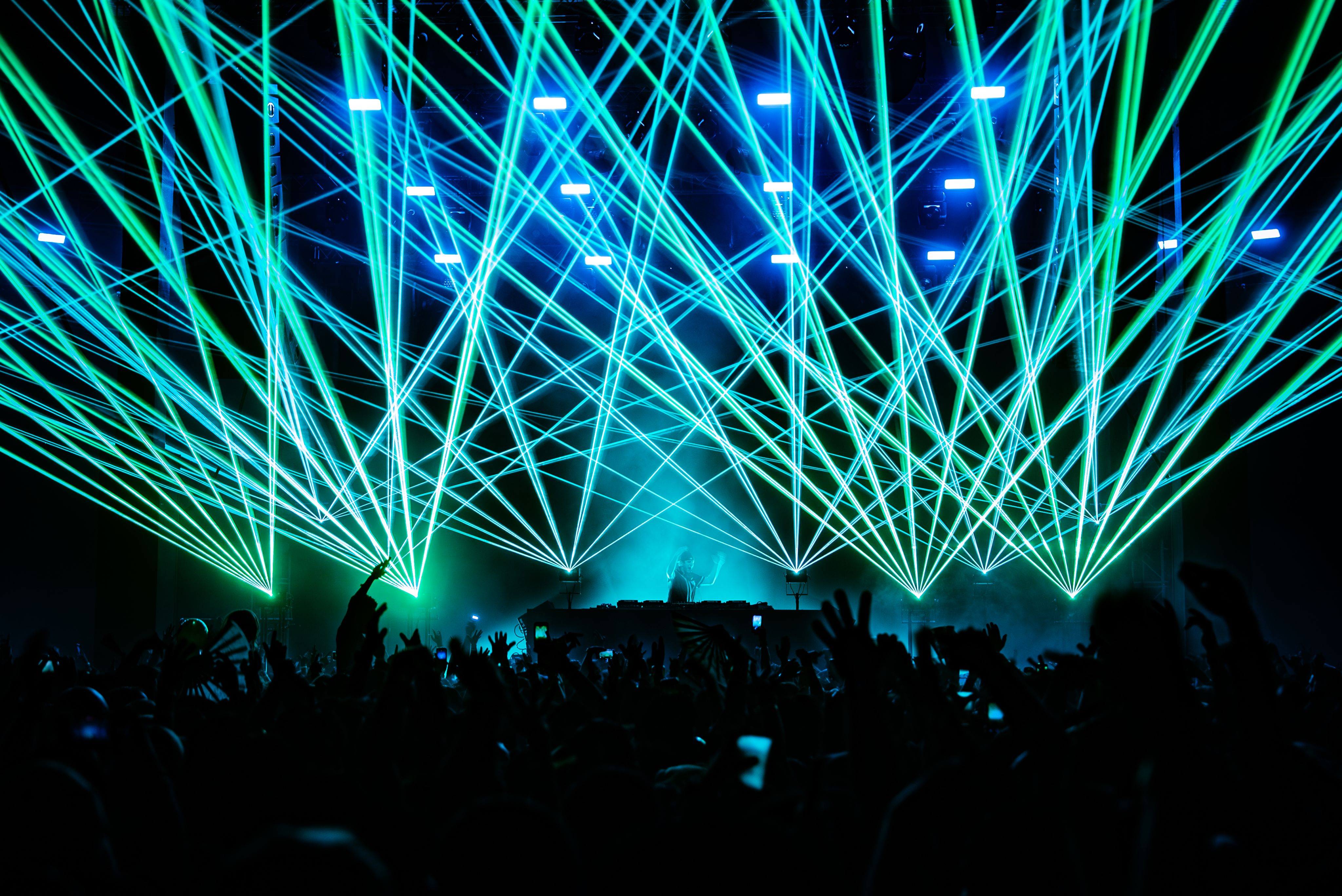

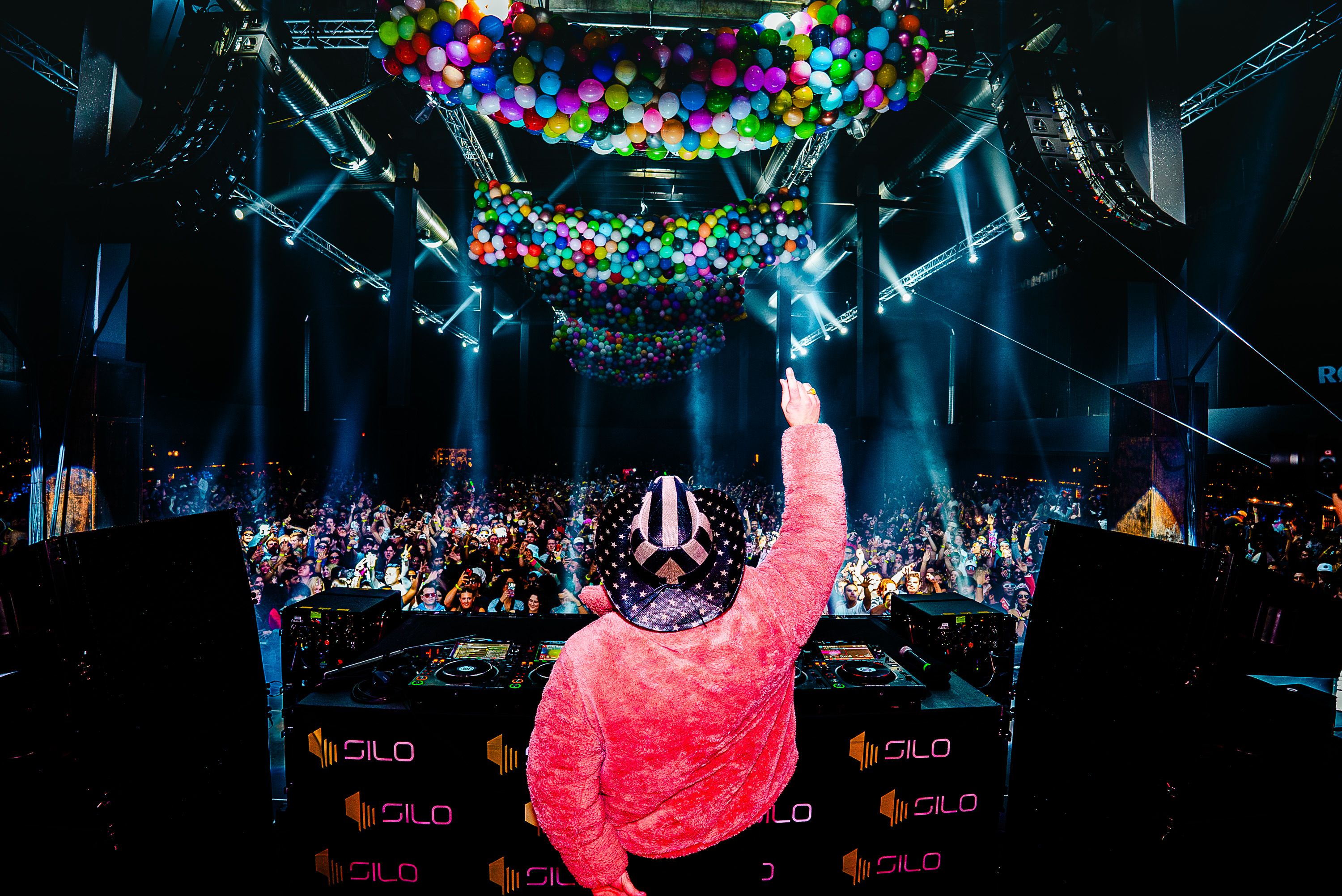

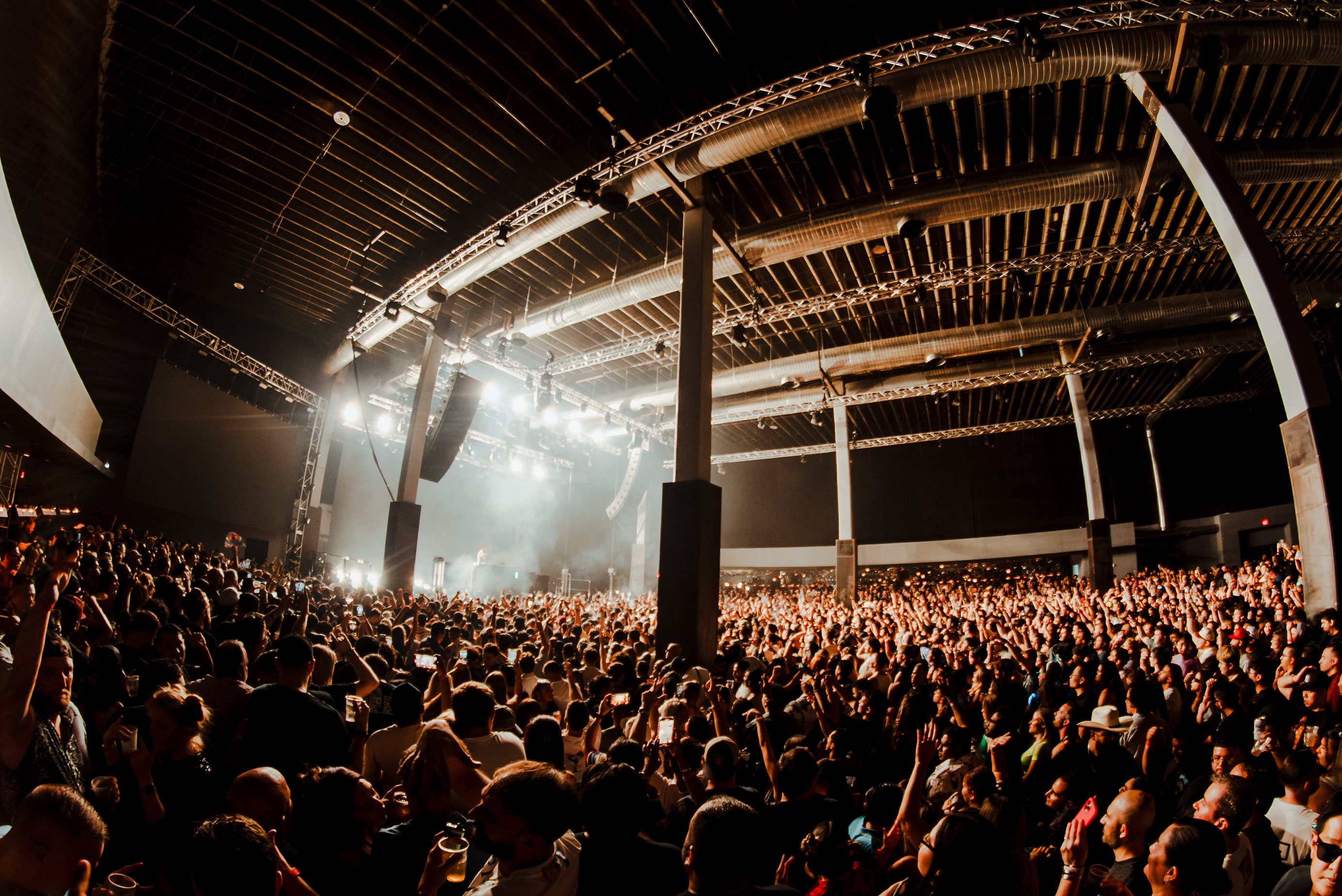
Lights cut through concrete and steel.
A warehouse becomes a heartbeat.
This is Silo Dallas.
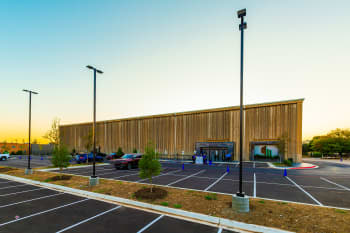
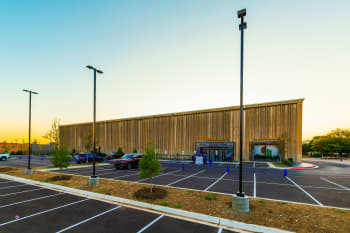
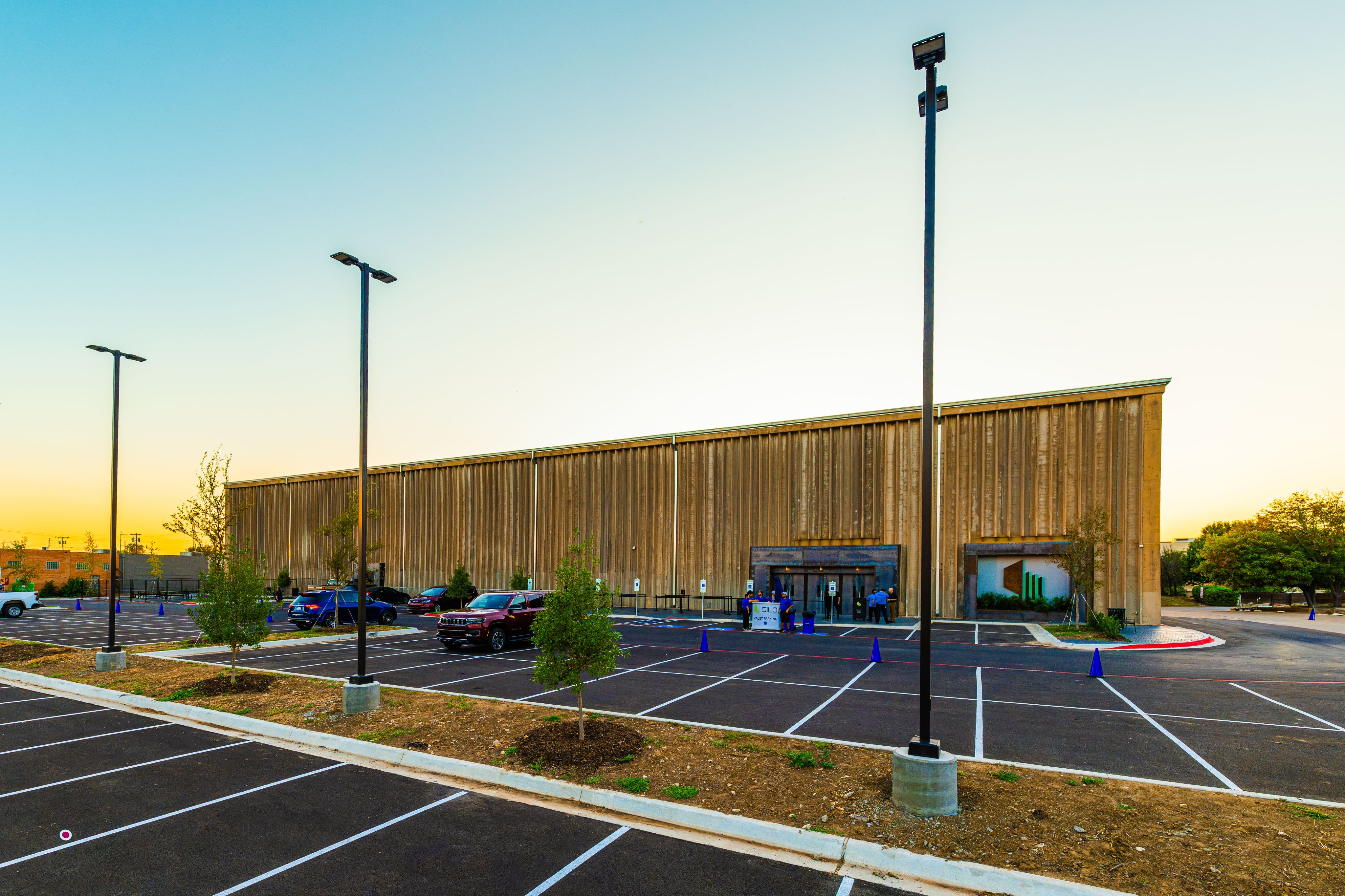
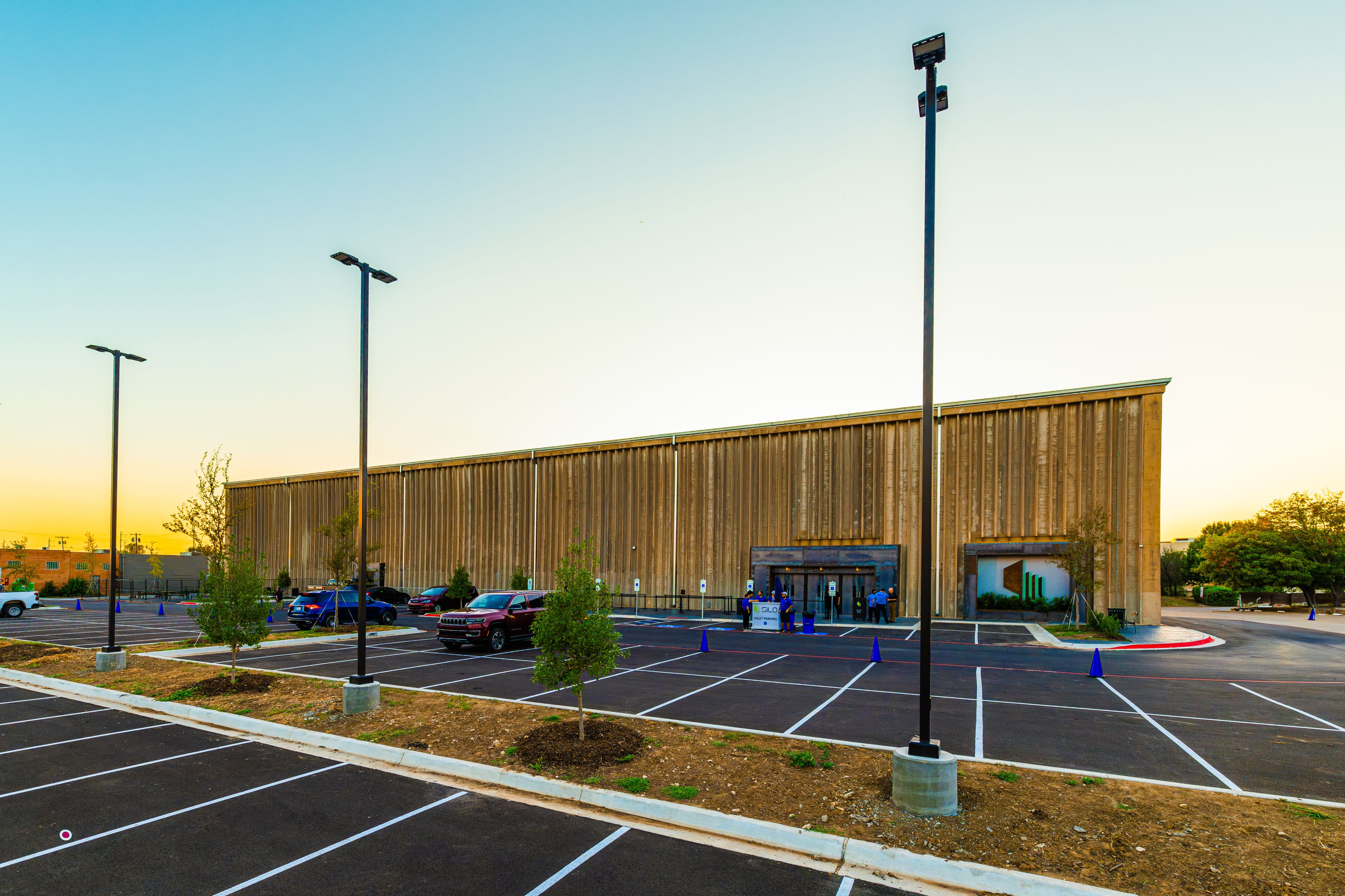
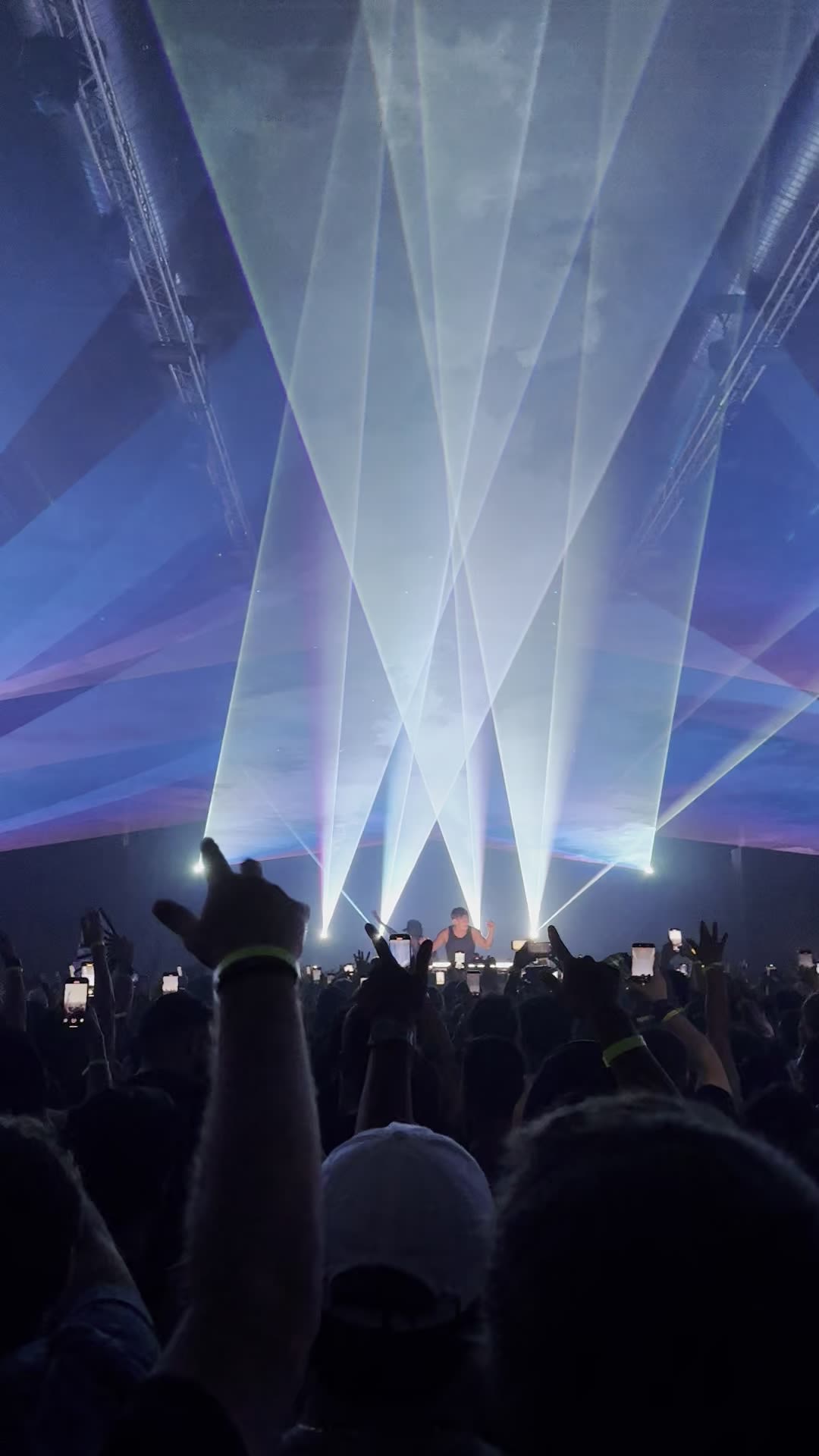
Music pulsed through the walls of a repurposed grain silo in Dallas’ design district, spilling bass into the surrounding streets before the doors of Dallas’ electric night club even open.
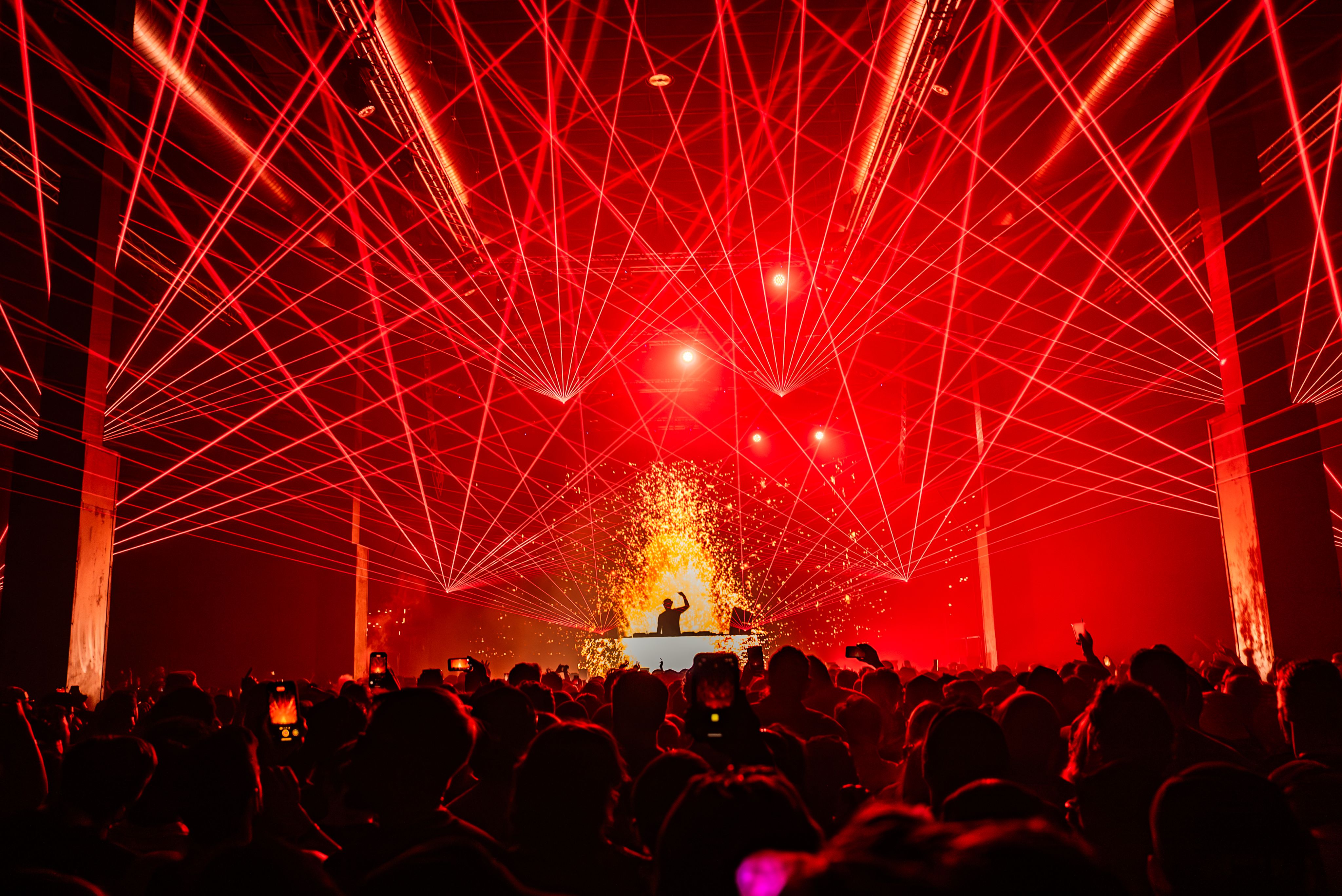
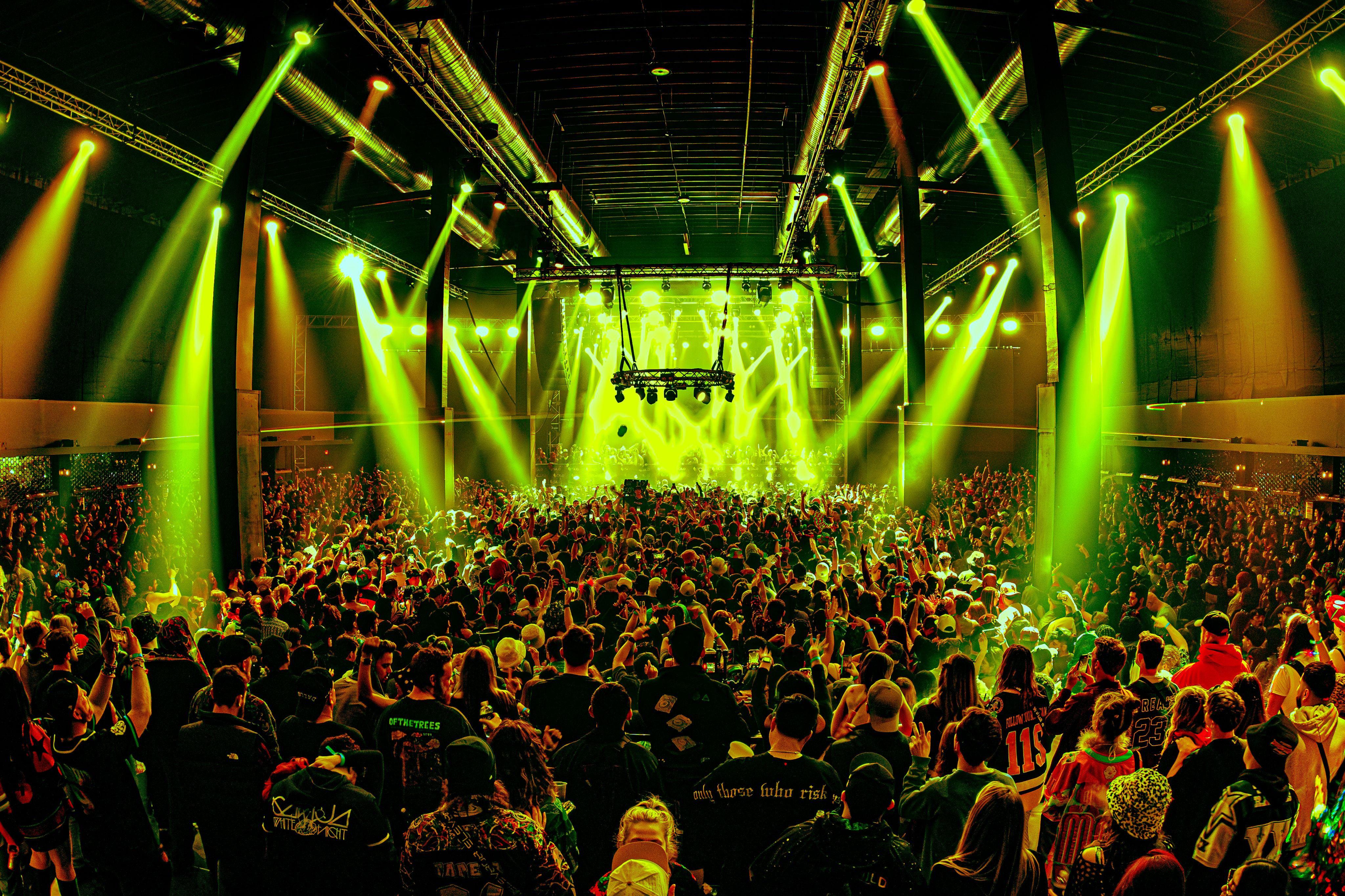
Inside Silo Dallas, shifting LED colors washed across rough concrete floors and towering industrial walls as electronic dance music, known as EDM, drove the room. The loud bass felt physical, vibrating through the chest and rattling the steel beams overhead.
House music blended seamlessly into harder techno drops, and the crowd moved in steady waves beneath the lights.
What was once an empty industrial structure has become one of the loudest gathering spaces in the metroplex.
Welcome to Silo
A central hub for EDM and house music in North Texas, Silo draws crowds from across Dallas-Fort Worth who come specifically for rave-style shows.
Founder Mike "Disco Donnie" Estopinal said the venue filled a long-standing void in the city's music scene.
"Dallas has a long history in dance music, more than any other city in the Southwest. They really just haven't had a proper venue."
Silo was built to be that missing space — a home for high-energy electronic music and the community that follows it.
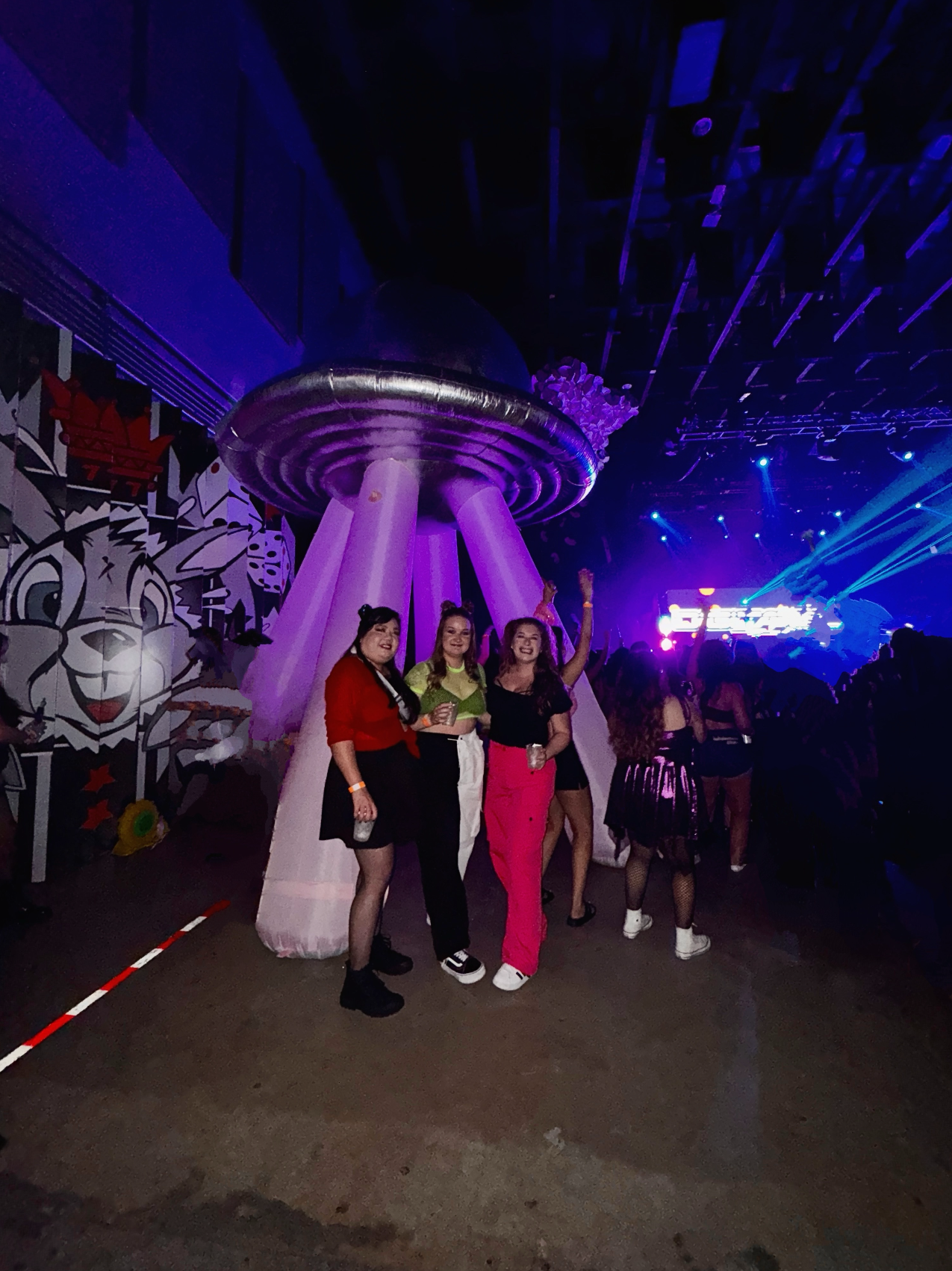
Unlike most of Dallas nightlife, Silo is stripped of hierarchy. There are no velvet ropes, no raised VIP decks, no rooms that separate people by money or influence. Everyone stands on the same bare floor.

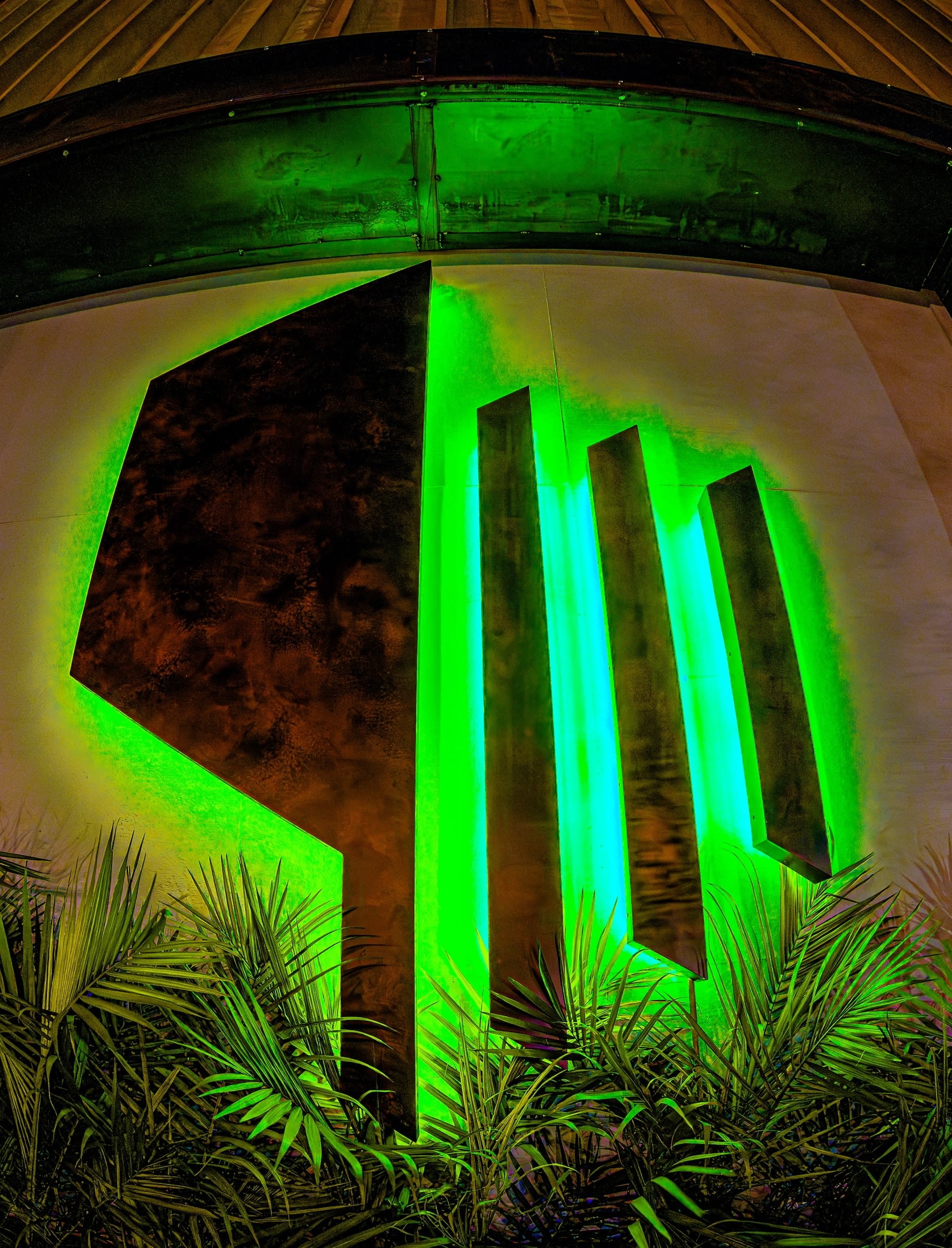
Coming together

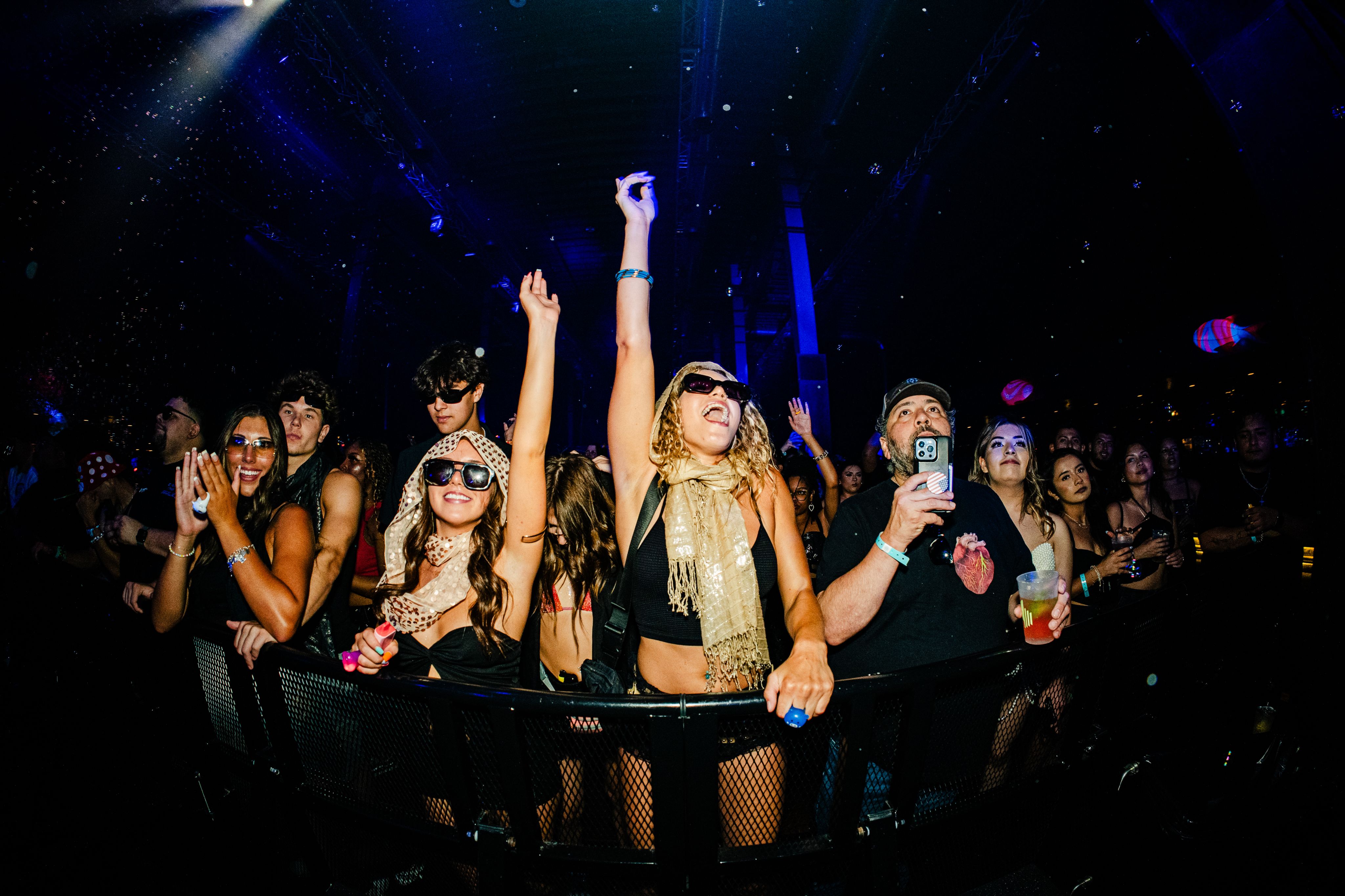
Sound and the people it brings together define Silo.
Jake Guilbault described how the energy inside the venue immediately sets it apart from typical Dallas nightlife.
“The overall livelihood of the crowd and venue tends to influence my experience there,” Guilbault said. “It’s a more lively group compared to typical Dallas nightlife at clubs or bars.”
At Silo, excitement isn’t created through exclusivity; it’s generated by a room full of people invested in the moment together.
Shared sound quickly becomes a shared language. While different artists bring slightly different vibes, Guilbault said the foundation remains the same.
“Certain artists draw certain crowds, but at the end of the day, everybody in that building is a fan of the same type of music, so you feel a sense of commonality,” he said.
That shared taste becomes the equalizer inside the warehouse.
Hamdan Zarate who frequents Silo said that unity becomes apparent when the music peaks.
“When the bass hits, it doesn’t matter who’s next to you; everyone’s locked into the same moment,” Zarate said.
Drawn to heavy techno and high-intensity sets, he said the crowd doesn’t feel like separate individuals anymore; it feels like one being.
Skylar Joseph, another Silo visitor, said that the feeling of collective focus is what changed how she experienced rave culture.
“For the first time in my life, I experienced a space where everyone looked out for each other simply because we were all sharing the same music and the same moment,” Joseph said.
A warehouse that feels like home

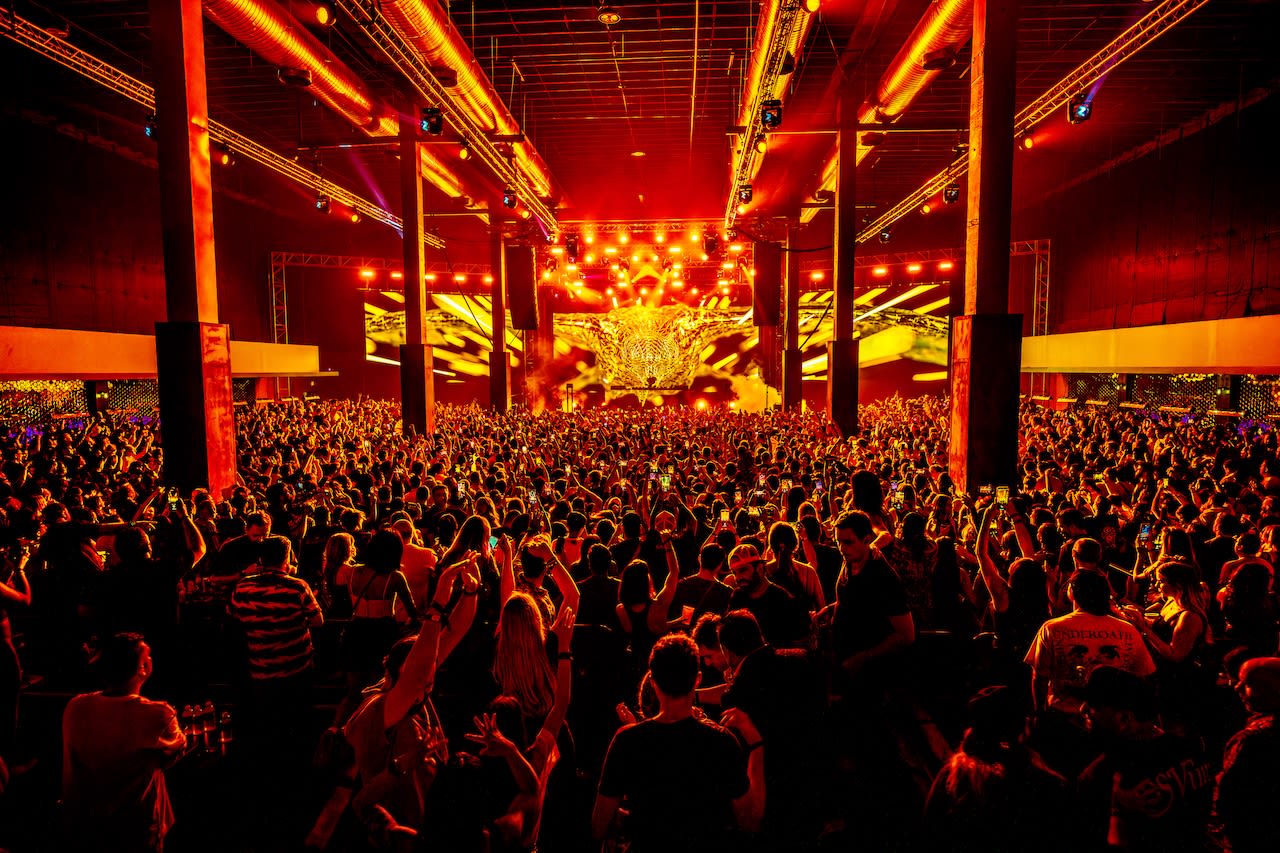
For many, the physical space deepens that connection. Joseph said that the warehouse setting changes how people relate to one another.
“Warehouse and underground venues feel like home," she said. "They carry the history, the rawness, the authenticity and the original ethos of raving."
To her, the concrete walls and open floor plan remove social pressure and replace it with presence.
Lea Spangenburg experienced the same through the emotion of the room.
“It feels intimate and natural and full of emotion,” she said.
With the crowd packed together on the same level, people begin to recognize familiar faces even without names, she said. That repeated closeness creates a sense of comfort in a city where people rarely feel connected outside their own circles.
Joseph said that the sense of home inside a warehouse extends beyond one night.
“To be part of the rave community means belonging to a global network built on compassion and creativity,” she said. “I have international friends I still talk to who I met in clubs at 3 a.m.”

A crowd without categories

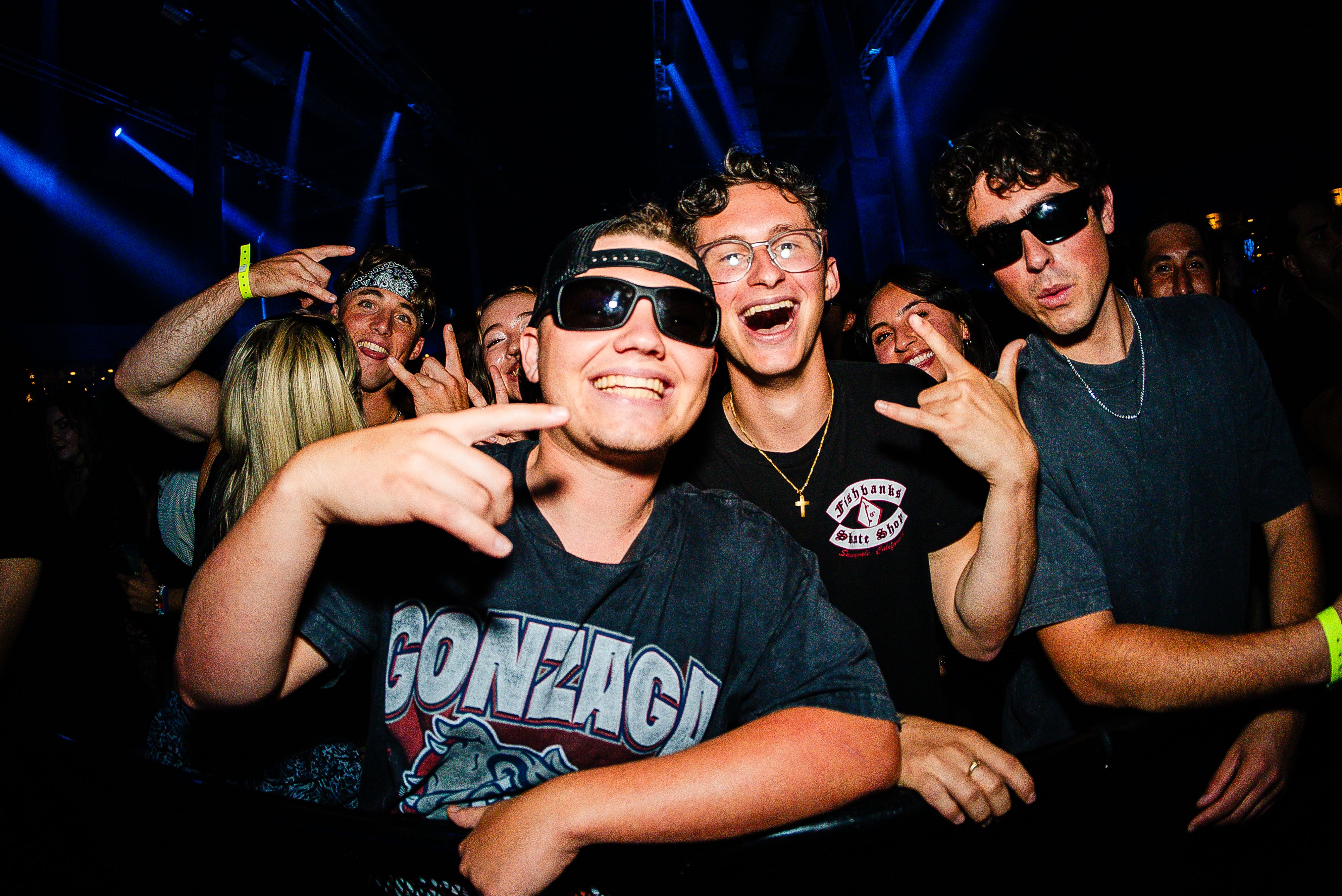
"I've seen so many races and ethnicities, body types, gender identities, sexual orientations and more in these crowds."
Being a place of comfort allows people from across Dallas’ social spectrum to exist in the same room without friction.
“Everyone is there to have a good time and listen to good music,” Spangenburg said. “It’s a giant crowd of friends.”
That blending of backgrounds is what first attracted Estopinal to rave culture decades ago. Growing up in New Orleans, he was struck by how mixed early rave crowds were.
“I had never seen drag queens and Black people and white people hang out together,” he said. “I went to a rave, and all these different people were hanging out together. It was interesting to me to see how nice everybody is.”
That early experience shaped how he envisioned Silo’s culture years later.

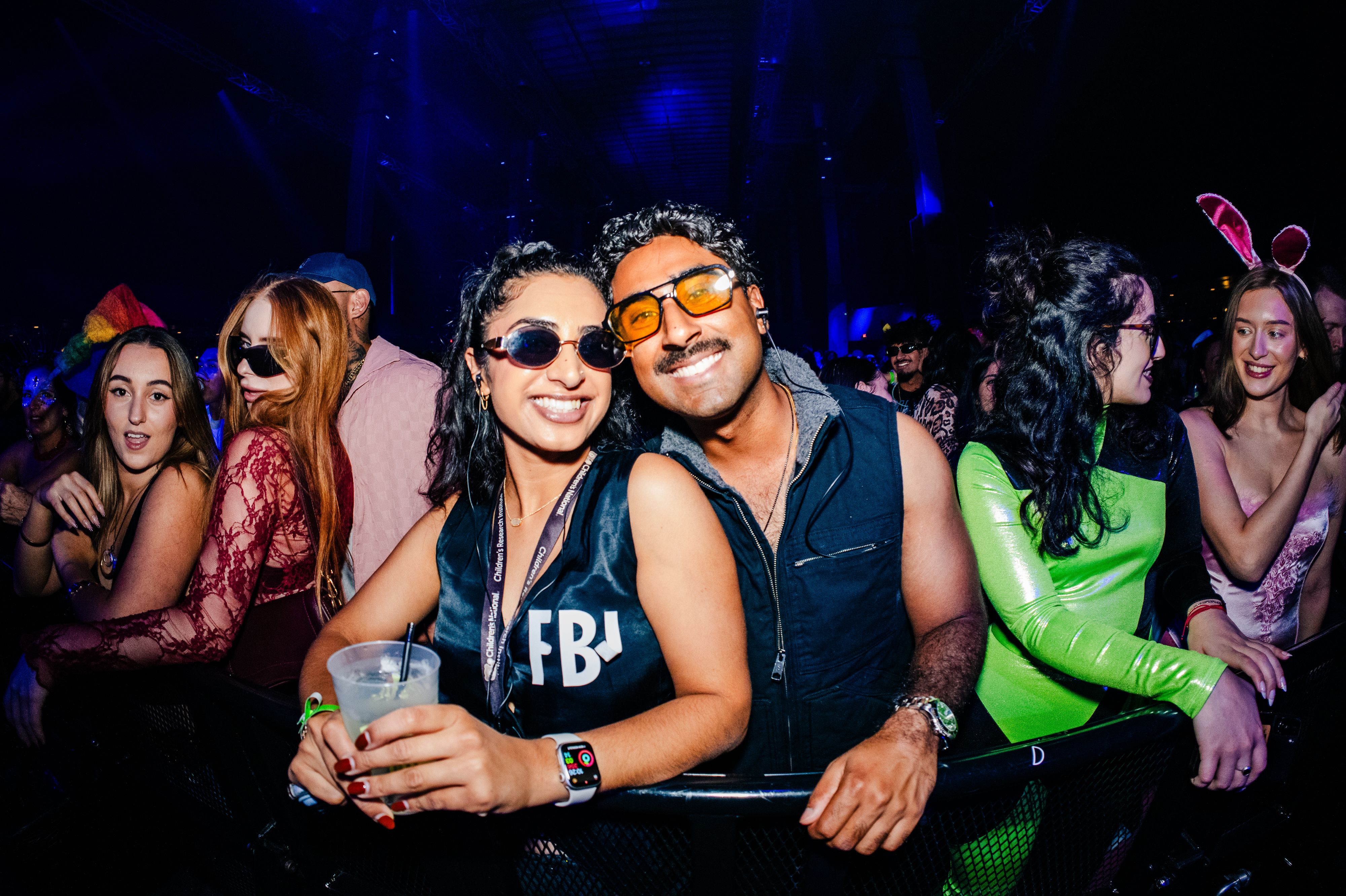
Halloween at Silo (Courtesy of Amanda Chapmen)
Halloween at Silo (Courtesy of Amanda Chapmen)
Looking out for each other

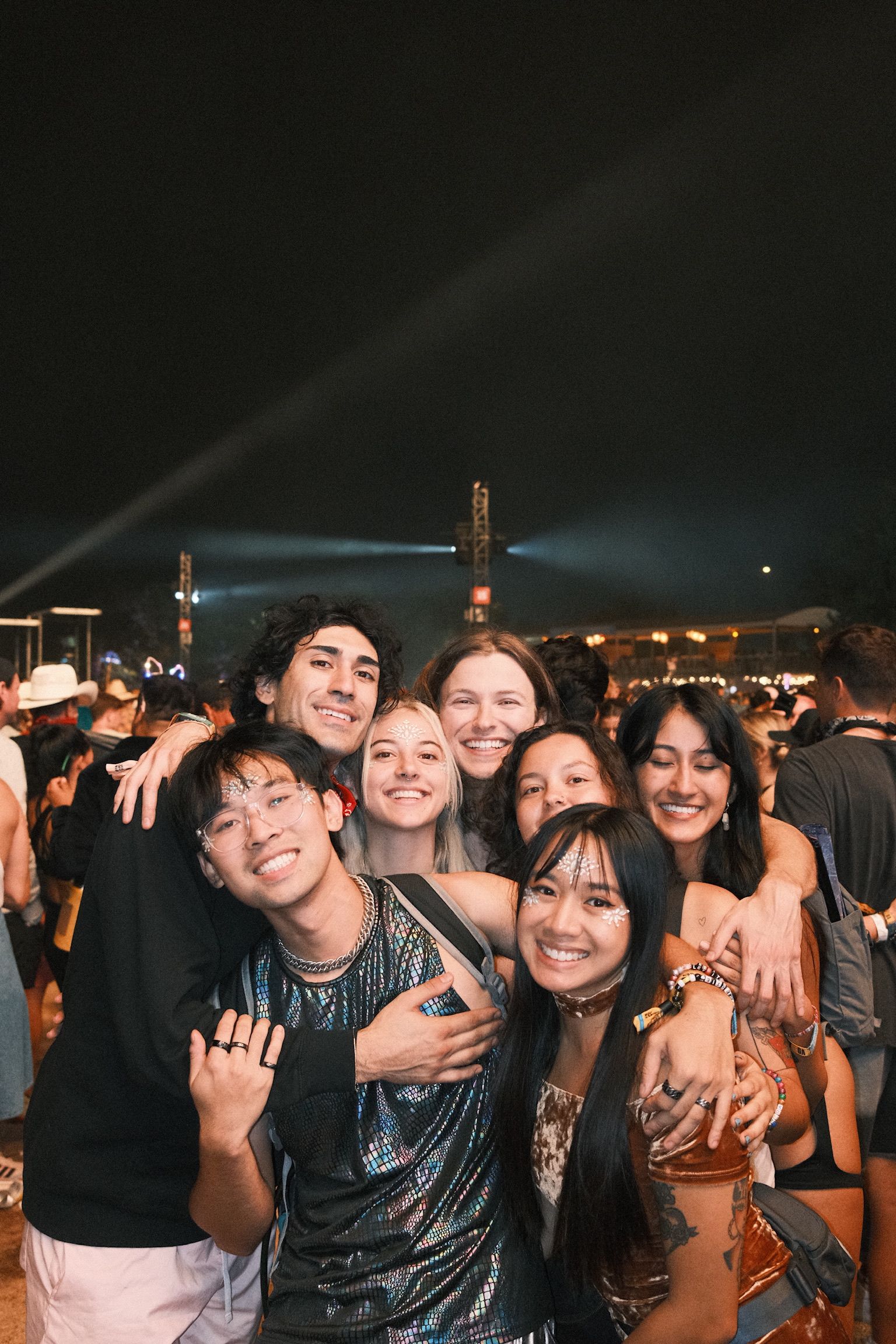
Skylar and friends (Courtesy of Skylar Joseph)
Skylar and friends (Courtesy of Skylar Joseph)
The unity inside the warehouse is not ceremonial; it’s behavioral.
People look after one another without being asked. Someone drops a phone and multiple flashlights appear. A stranger hands a raver who looks overheated a bottle of water. Space is made without arguments.
Estopinal sees it constantly.
“People look out for each other and just want to have a good time and not fight,” he said.
Even in the most aggressive moments of the music, that care remains.
“Even when it’s chaotic, people still check on each other; that’s what surprised me,” he said.
Joseph connects that behavior to the values that guide her both inside and outside the venue through PLUR, an acronym rooted in rave culture that stands for peace, love, unity and respect.
For her, those ideals shape how she treats both herself and others. She said those principles now guide nearly everything she does, and credits raving with making her more open, empathetic and grounded.

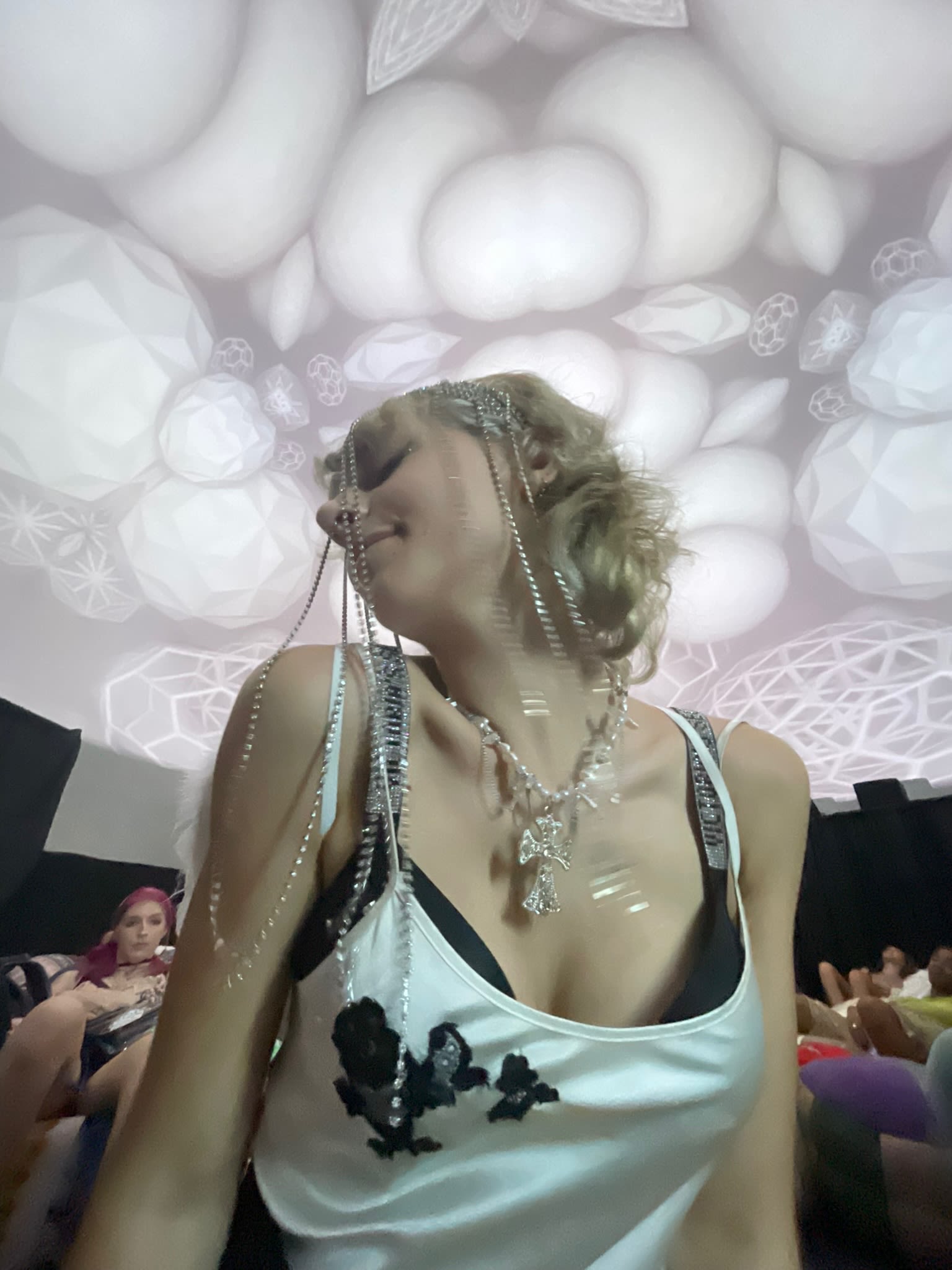

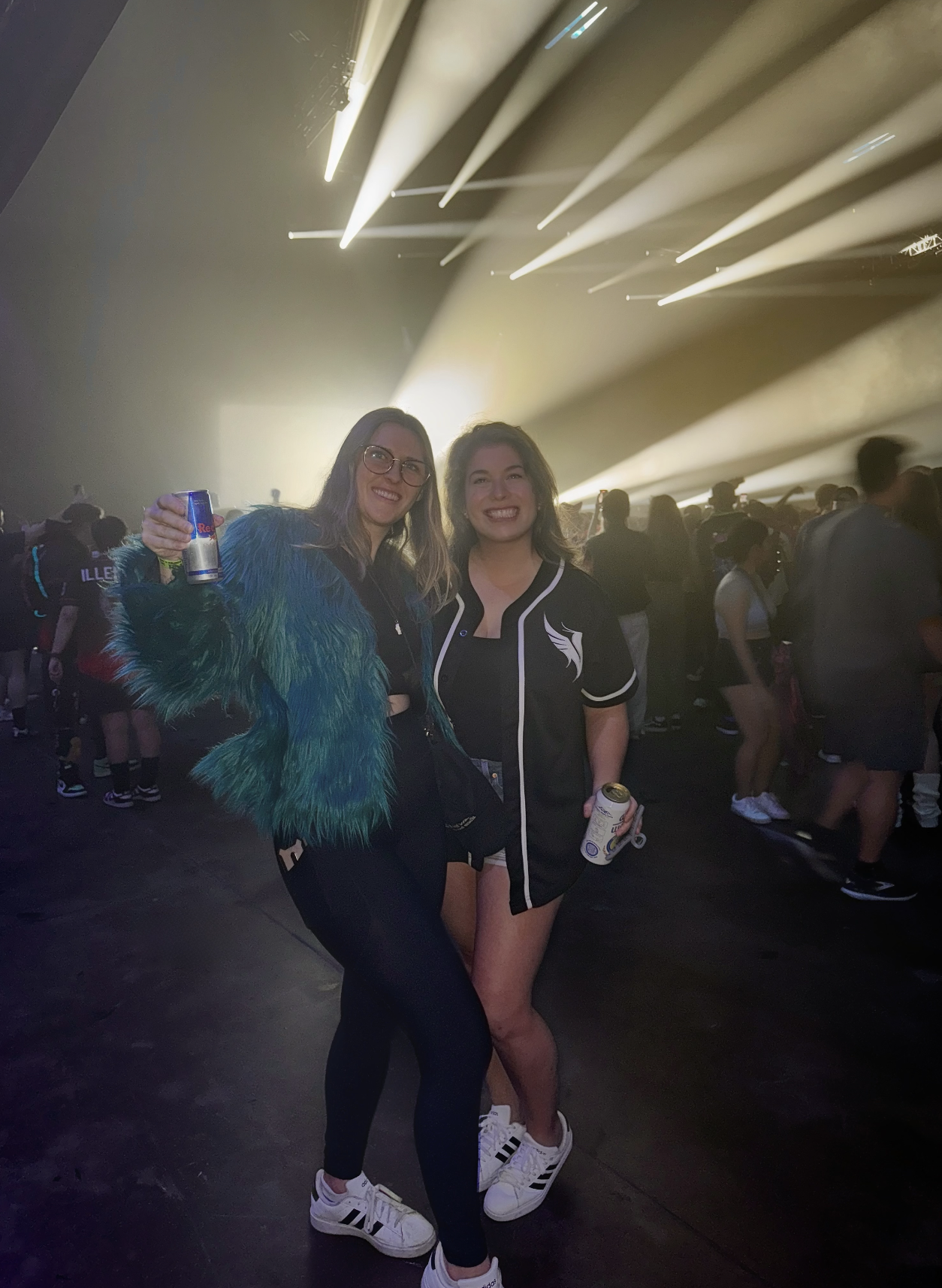

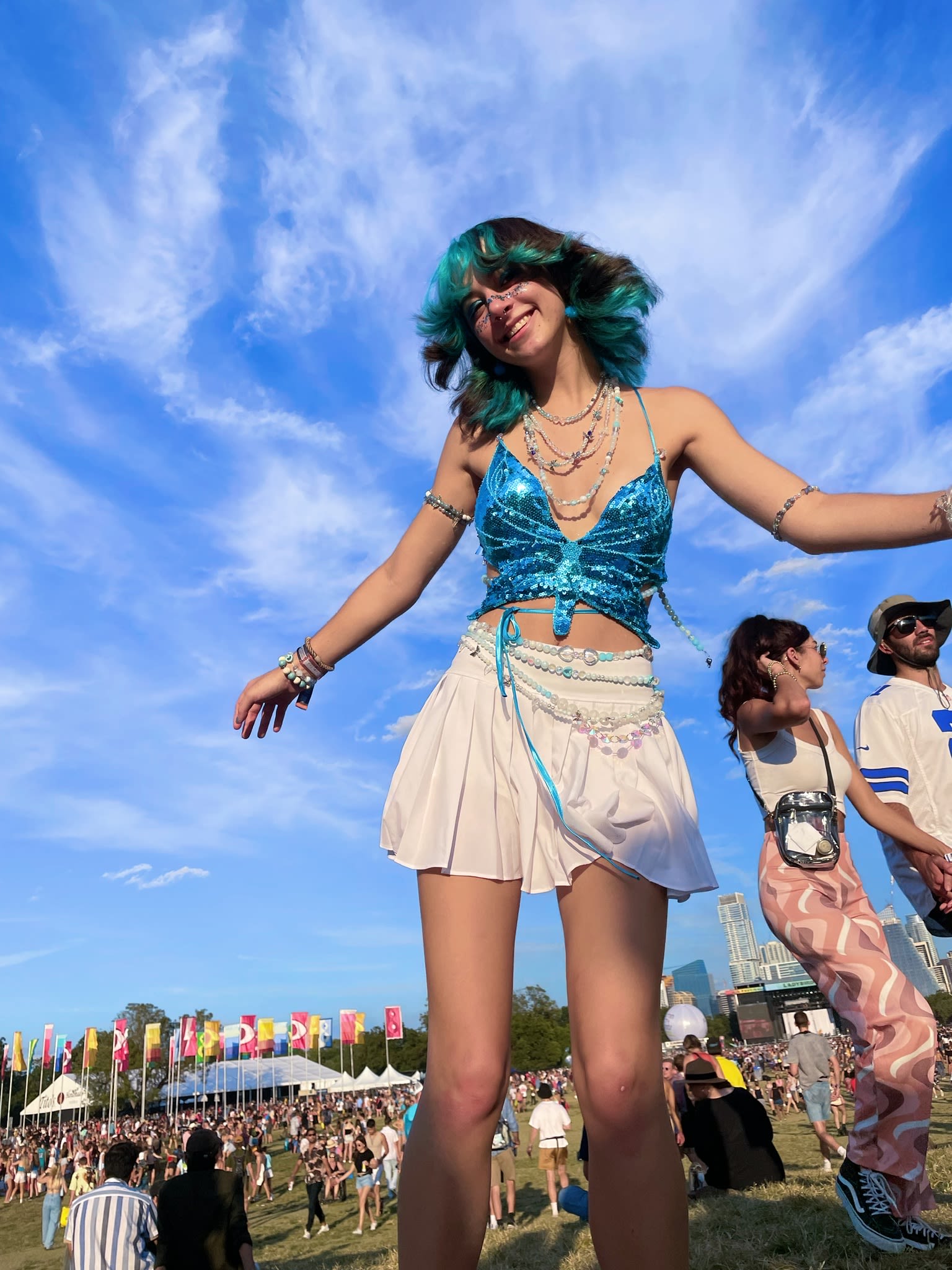

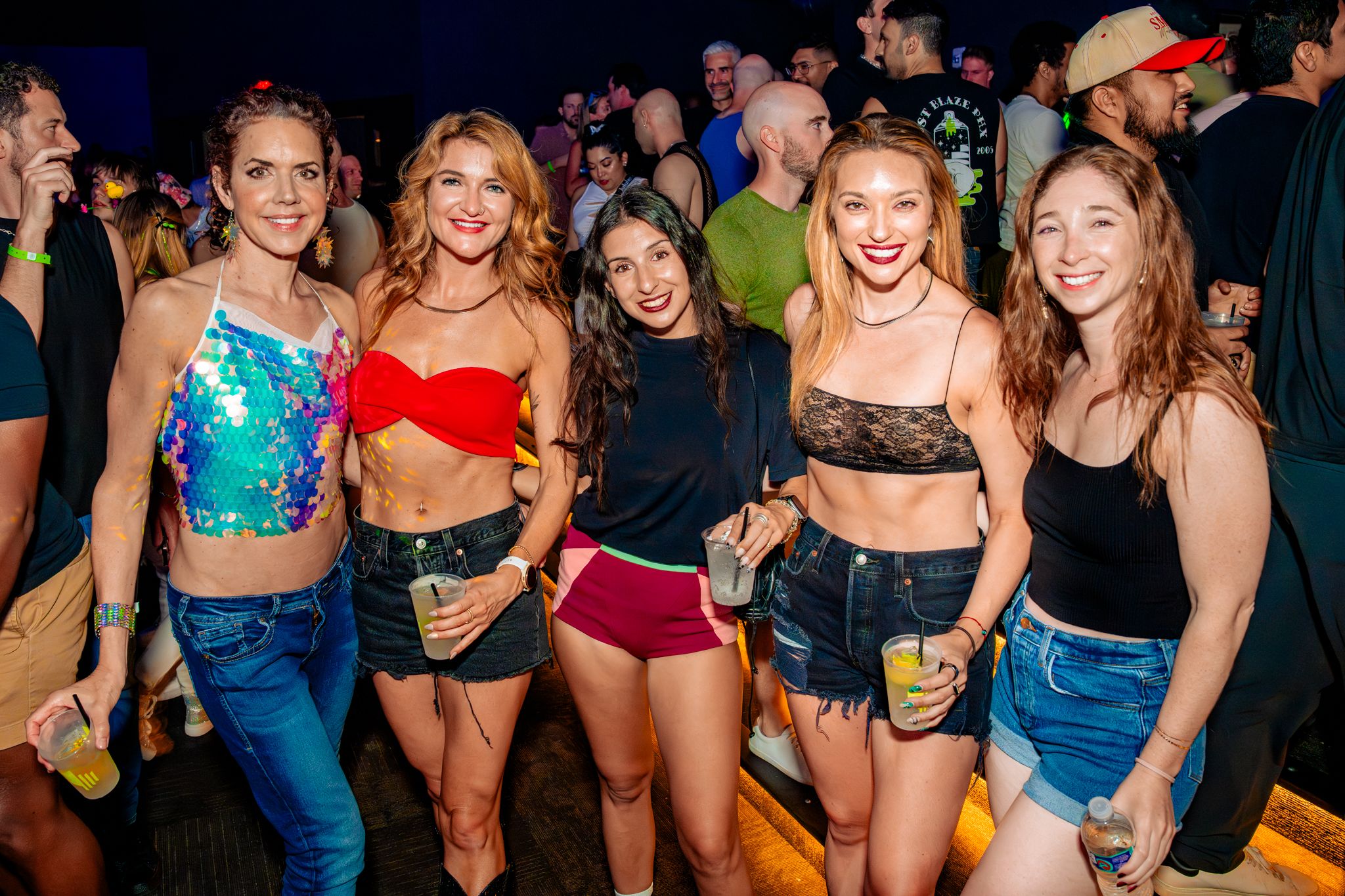

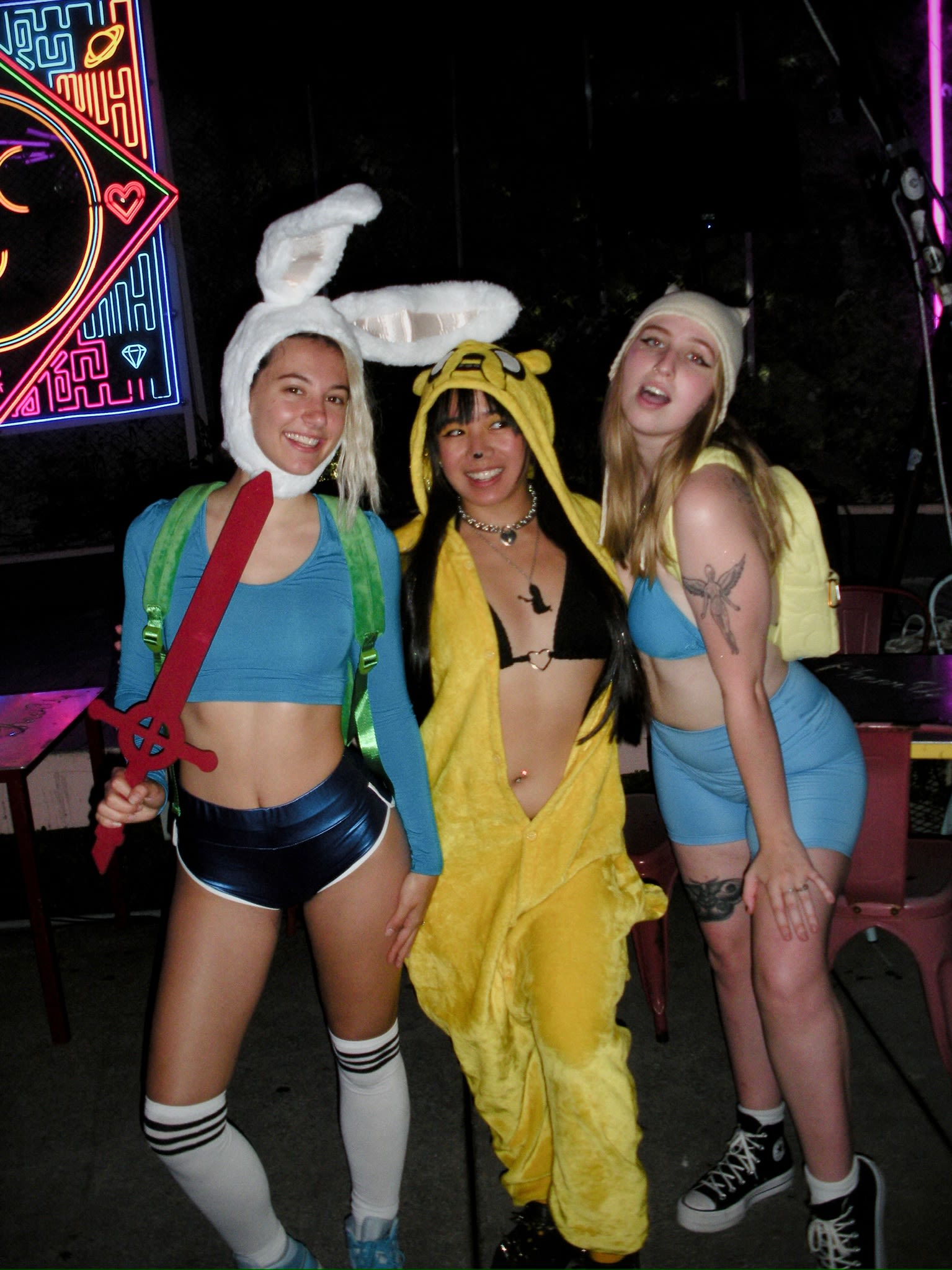


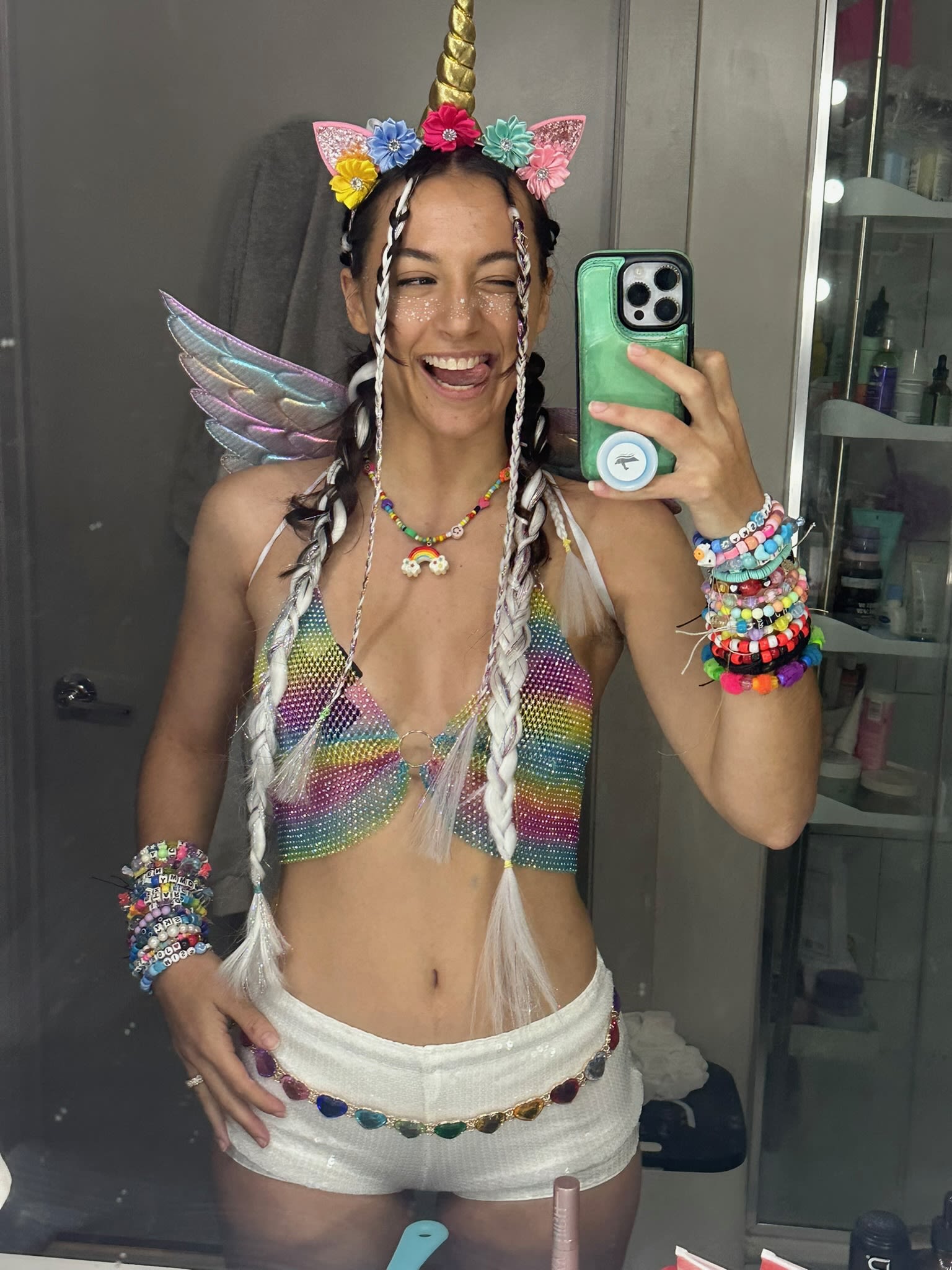

(Courtesy of Skylar Joseph)
(Courtesy of Skylar Joseph)

(Courtesy of Lea Spangenberg
(Courtesy of Lea Spangenberg
(Courtesy of Skylar Joseph)
(Courtesy of Skylar Joseph)
(Courtesy of Amanda Chapman)
(Courtesy of Amanda Chapman)

(Courtesy of Skylar Joseph)
(Courtesy of Skylar Joseph)

(Courtesy of Lea Spangenberg)
(Courtesy of Lea Spangenberg)
(Courtesy of Skylar Joseph)
(Courtesy of Skylar Joseph)
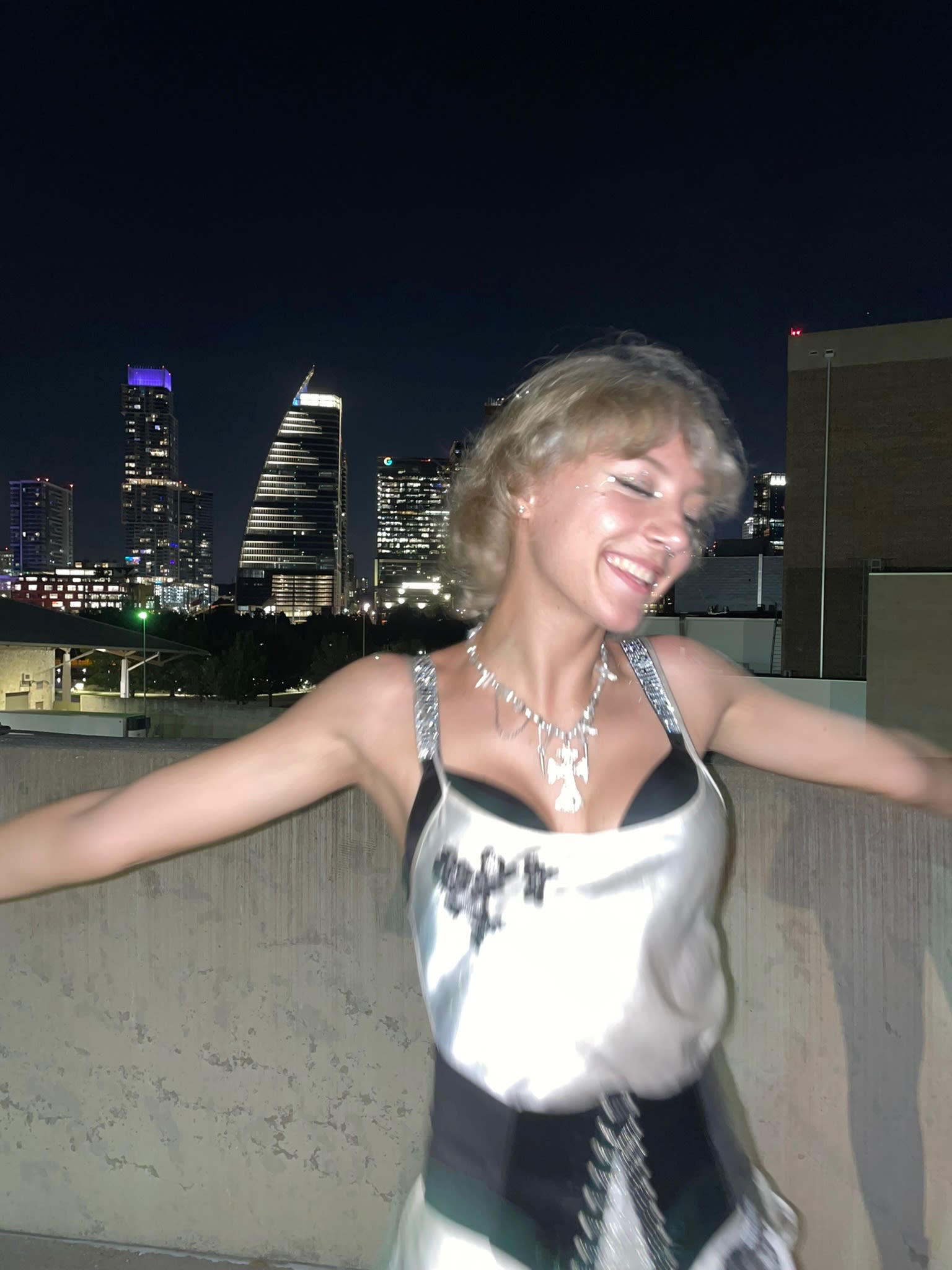
(Courtesy of Skylar Joseph)
(Courtesy of Skylar Joseph)

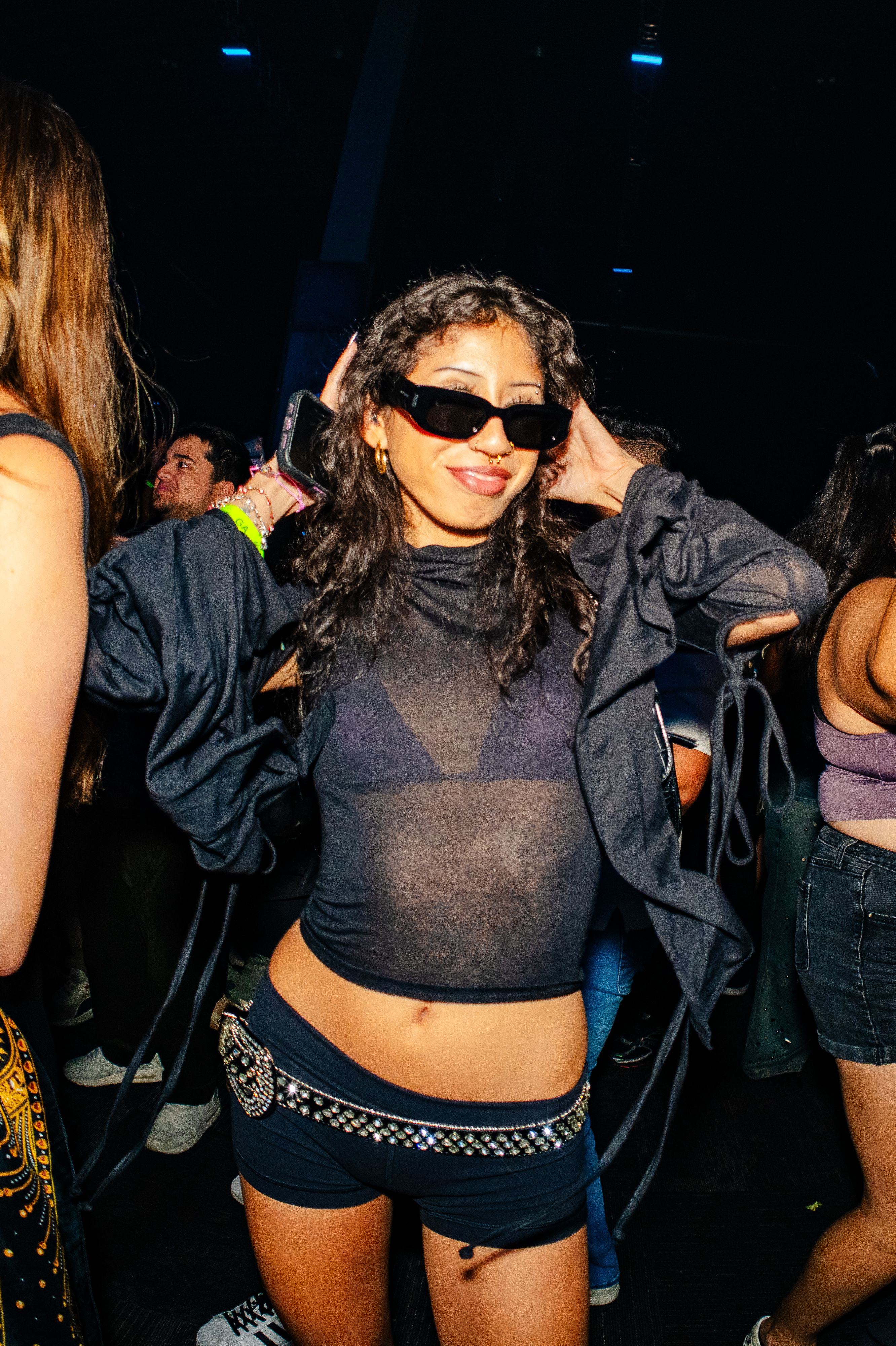
(Courtesy of Amanda Copeman)
(Courtesy of Amanda Copeman)

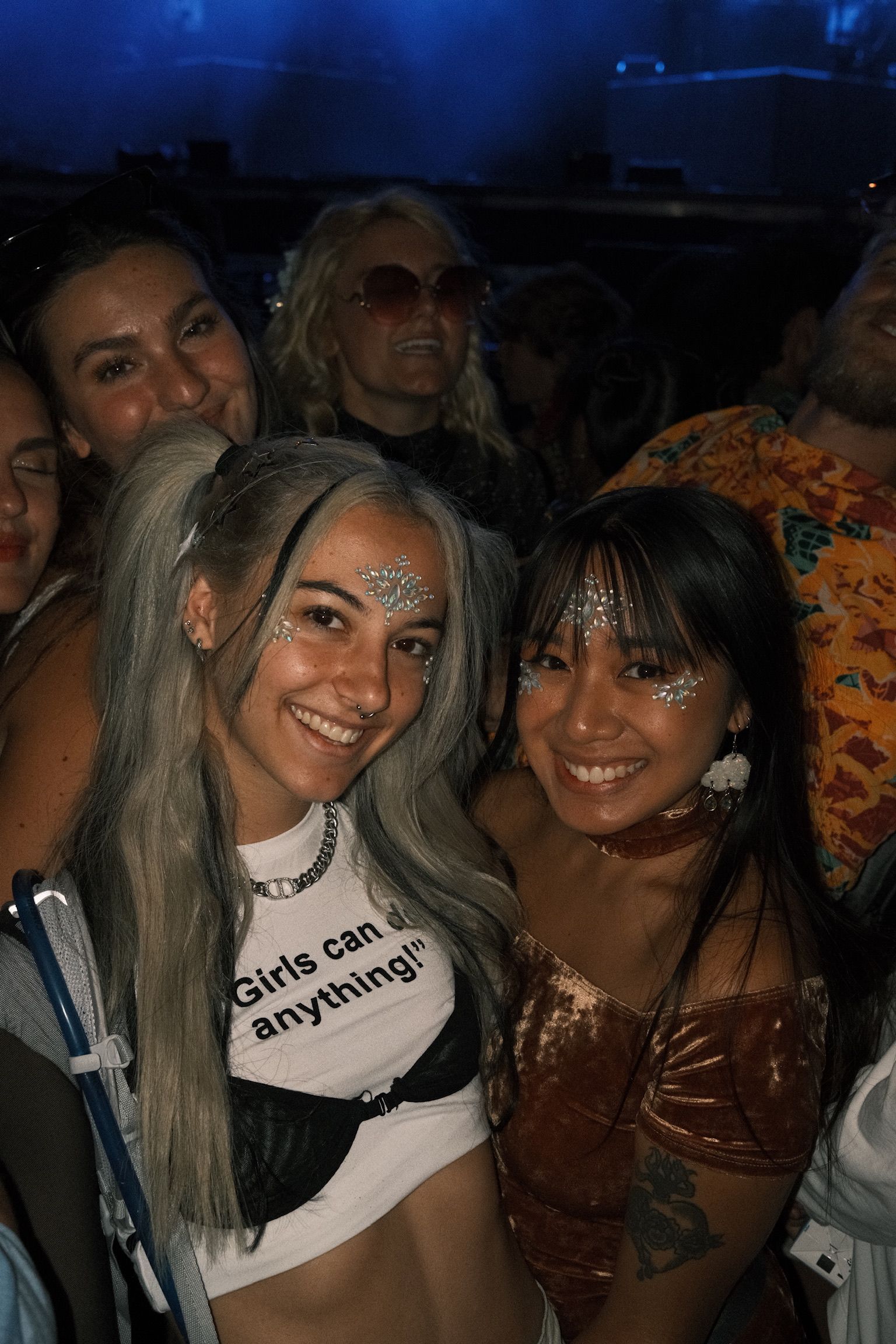
(Courtesy of Skylar Joseph)
(Courtesy of Skylar Joseph)
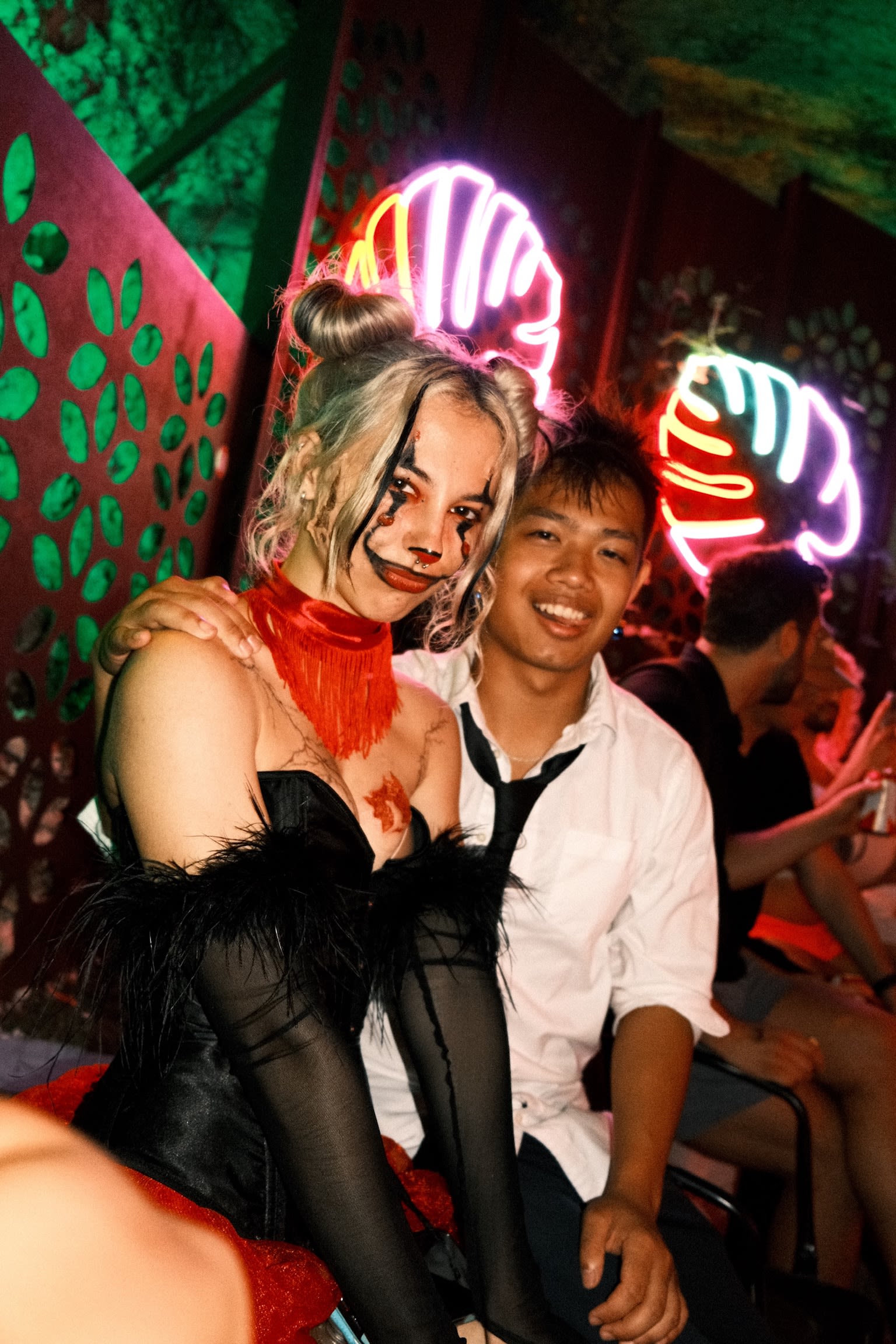
(Courtesy of Skylar Joseph)
(Courtesy of Skylar Joseph)
Appearance becomes secondary inside the warehouse. Dallas nightlife often sets expectations about how people should look, but Silo disrupts those expectations.
“When you go to a rave, there’s really one rule of appearance: everything goes,” Spangenburg said.
She described nights when she arrived dressed in full glitter and others when she showed up in shorts and a T-shirt.
“I used to think I had to fully dress up to fit in,” she said. “ I realized I can show up however my mood is that day and no one cares.”
Joseph sees that same freedom as deeply emotional.
“Raves give adults permission to be kids again,” she said. “To explore parts of yourself that everyday life suppresses.”
She said one of her favorite parts of the culture is helping new ravers find confidence.
“Helping someone create their first rave look is like helping them unlock a new version of themselves,” she said.
Guilbault added that the culture at Silo reflects the broader EDM and house community rather than being dictated by the venue.
“I think it’s an extension of the overall EDM, House, techno community when it comes to the outfits and the culture,” he said. “I wouldn’t say Silo itself influences that.”
What Silo provides is the physical space for those identities to gather without judgment.
Zarate states that freedom is what makes the venue feel personal. “It feels like a space built for our generation — not forced, not curated, just real,” he said.
As a 23-year-old drawn to heavy techno and underground sounds, he sees Silo as one of the few places in Dallas where his taste in music immediately connects him to the people around him.
Guilbault also pointed out that the genre Silo caters to is still niche within Dallas nightlife.
“Not everybody is a fan,” he said. “But for those who are, it’s a place where people can go with friends and enjoy the music they like.”
Joseph said raving became more than a hobby for her; it became formative.
“Raving helped me grow into myself socially, emotionally, creatively and spiritually,” she said.
"It feels like a space built for our generation."
As Silo has grown in popularity, Guilbault has noticed the physical effects of that growth in the form of tighter crowds and reduced standing room compared to earlier shows.
The shrinking space doesn’t weaken the unity; it intensifies it. With less room to spread out, people are forced into closer proximity that continues to produce connection.
Despite that growth, "Silo never felt 'underground' to me," Guilbault said. "Even at their first shows, they had bigger, more listened-to artists in the space."
Flashing Lights Warning: This content contains flashing lights and/or rapidly changing visuals that may trigger seizures for those with photosensitive epilepsy. Viewer discretion is advised. To skip section, click here.

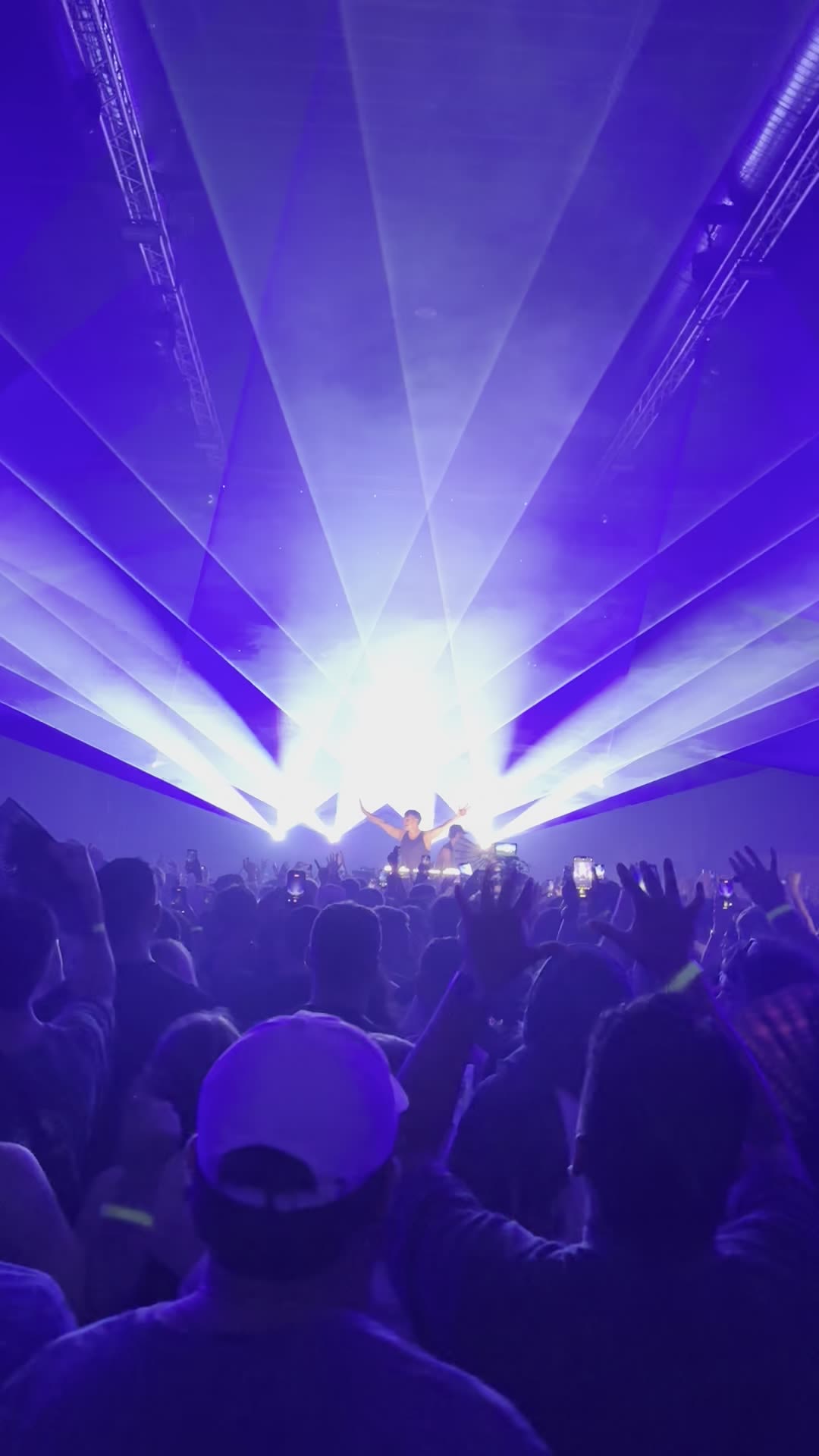

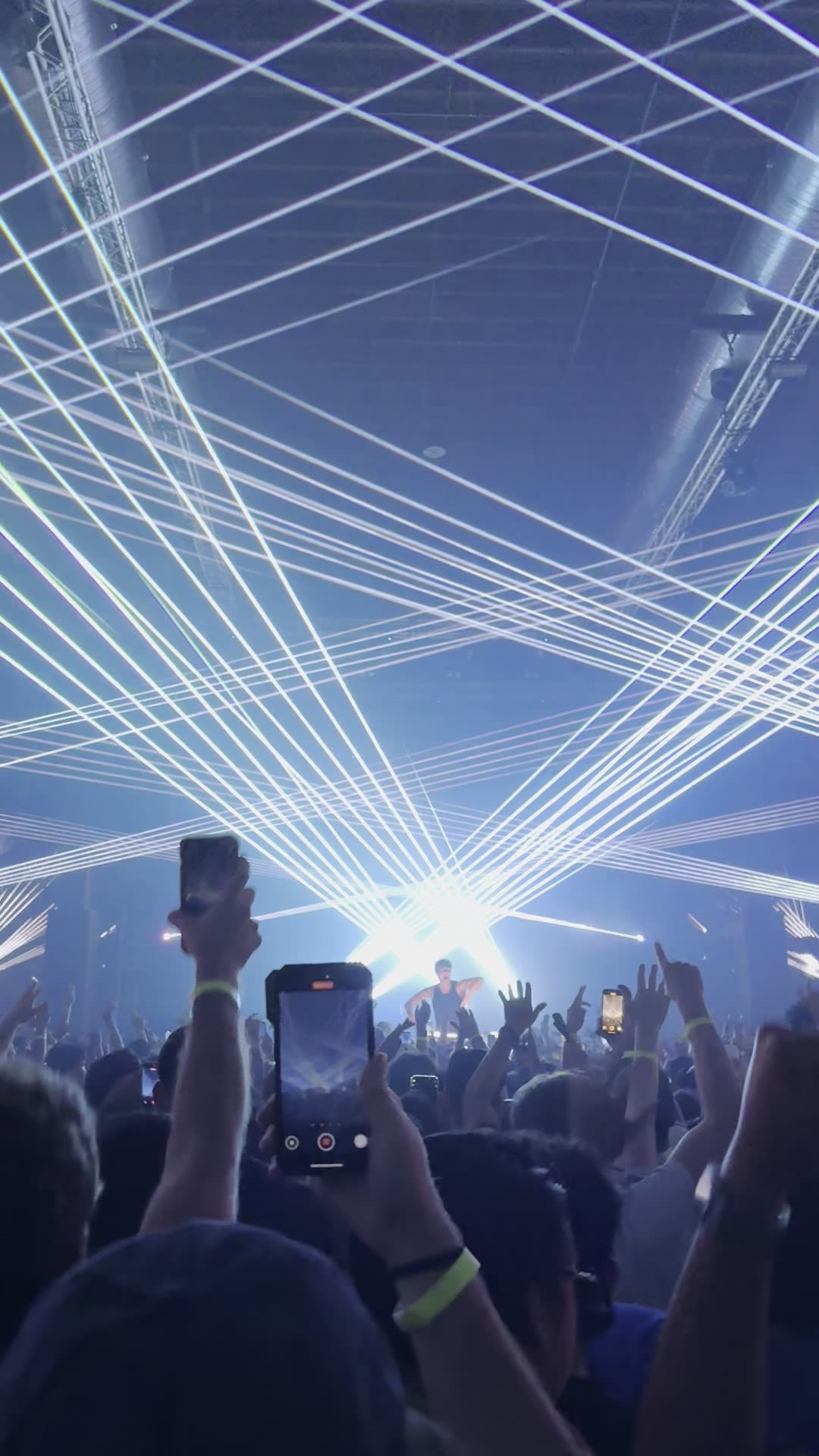

Instead, Guilbault sees it as part of Dallas’ established nightlife ecosystem.
“It’s another venue like Stereo Live and It’ll Do where fans of this genre can see the artists they enjoy,” he said.
What makes Silo different is not its visibility; it’s the culture that forms once people step inside.
Why they come back

When the music finally fades and the lights rise, the unity doesn’t vanish instantly. Groups formed inside linger in the parking lot. Strangers exchange social handles. Friends regroup after being separated in the crowd.
For Zarate, the effect is almost meditative.
“It’s the only place where I shut my brain off and just exist with everyone else,” he said.
In a city defined by geographic distance, social segmentation and lifestyle divides, Silo represents something unusual: a place where people gather without needing to justify who they are.
The shared rhythm replaces hierarchy. The music replaces small talk. And for a few hours at a time, Dallas becomes less fragmented and more collective.
Inside that warehouse, the differences that usually organize the city fall quiet, and what remains is the sound of everyone moving together.

 Built with Shorthand