
How TCU students treat university staff in 2025
Respect, recognition and the realities of campus culture
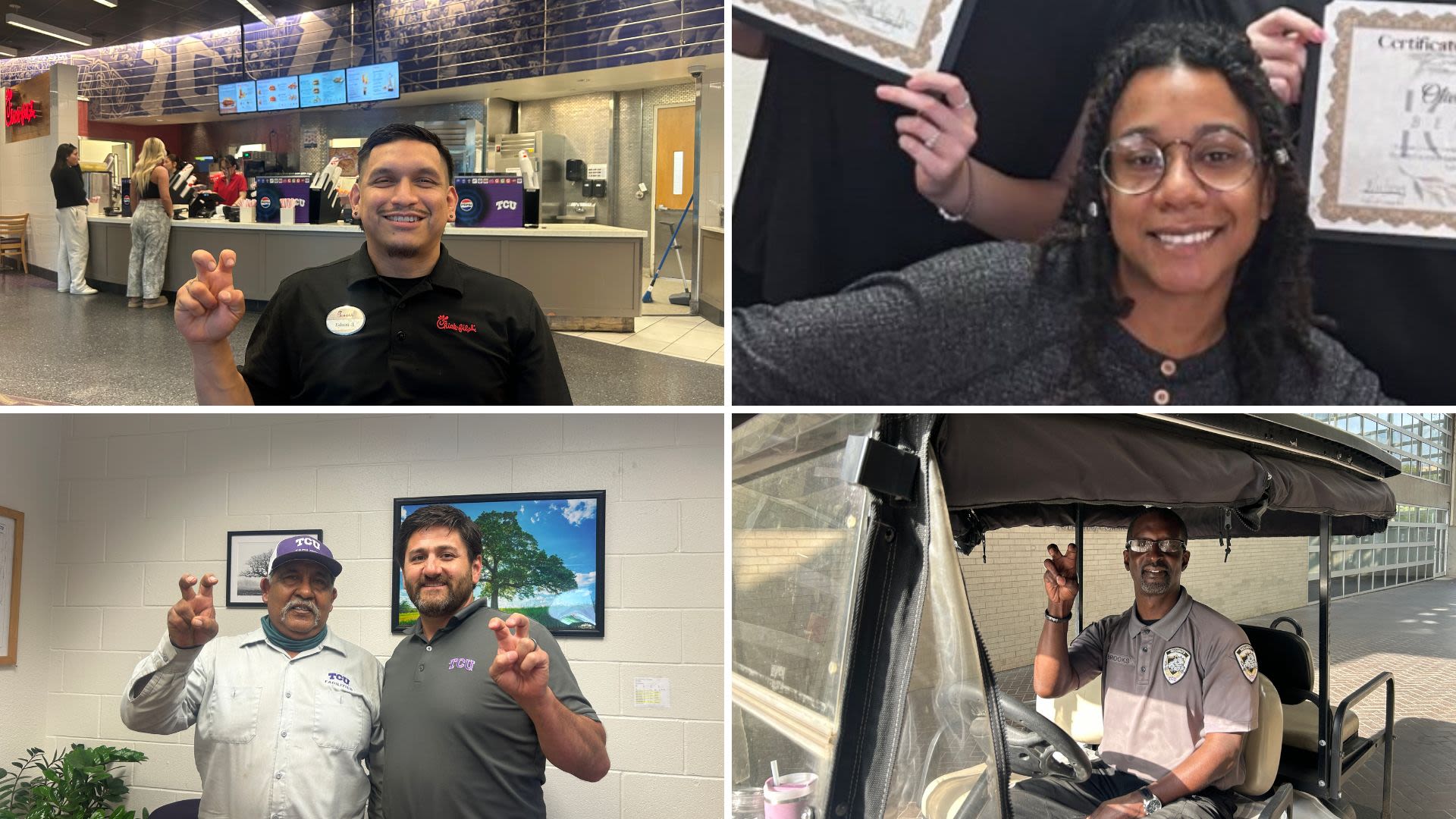

On the surface, TCU’s campus culture appears vibrant and inclusive, with students and staff sharing spaces and traditions.
However, beneath this collegiate atmosphere, a persistent question lingers:
Do students genuinely demonstrate respect and appreciation for university staff, or is there a culture of disregard?

The “Invisible Workforce” in Higher Education
At TCU, these issues resonate deeply as the university strives to promote inclusivity and foster a sense of community.
However, as my research reveals, there is still a significant gap between the university’s institutional ideals and its everyday practices.
My project aimed to explore this question through a multi-faceted approach, including:
1. Literature review.
2. Campus observations.
3. Survey with over 50 student responses.
4. In-depth Interviews with five staff members from various departments.

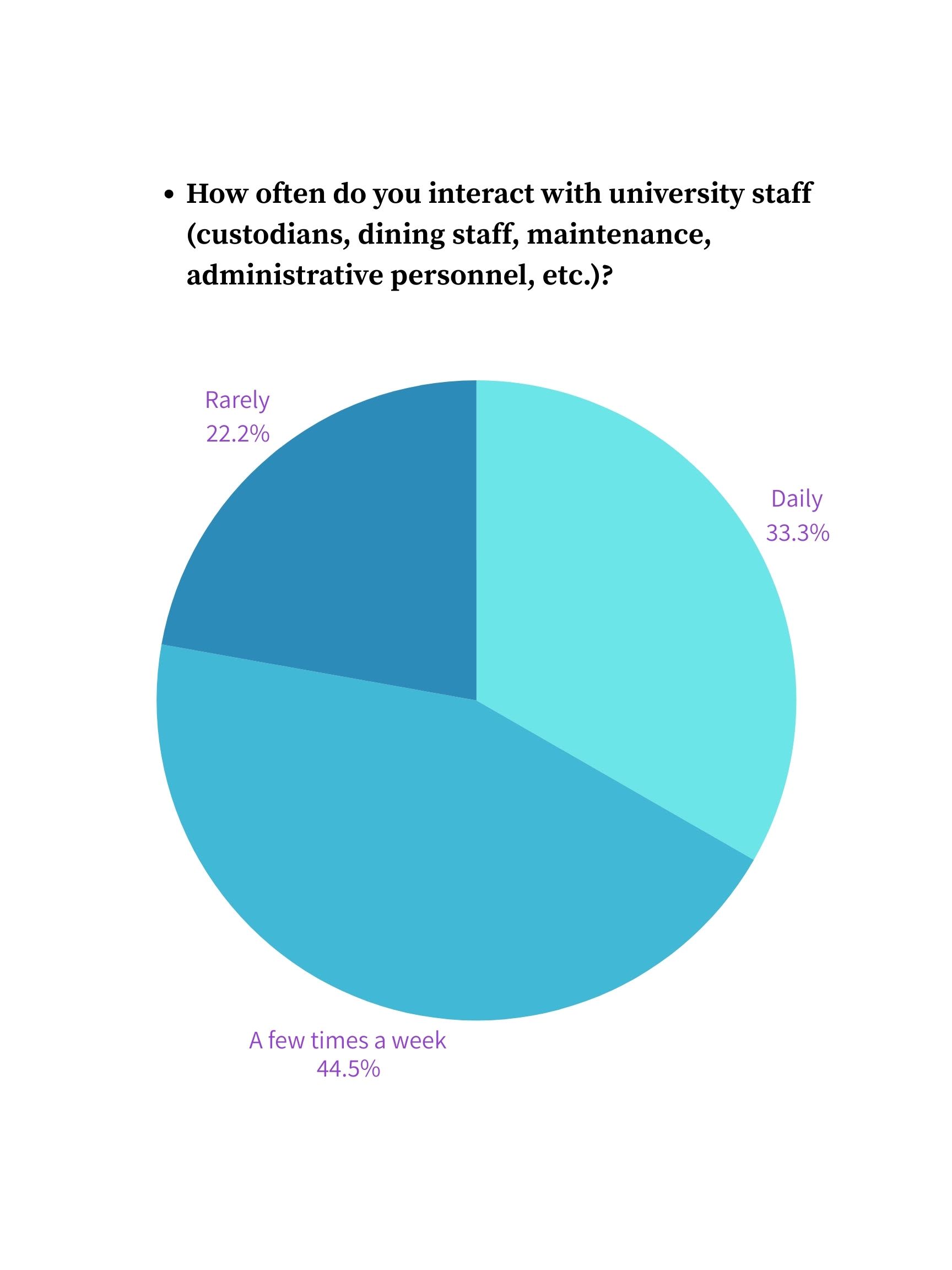
I conducted a survey to better understand how often students interact with staff members, including custodians, dining staff, maintenance personnel, and administrative staff. I also sought to understand students’ observations of respectful or disrespectful behavior in these interactions. I received responses from over 50 students.
Most students, 44.5%, see them a few times a week, and 33.3% see them every day. Only 22.2% rarely see them. This means most students often interact with university staff, which can lead to good or bad experiences.
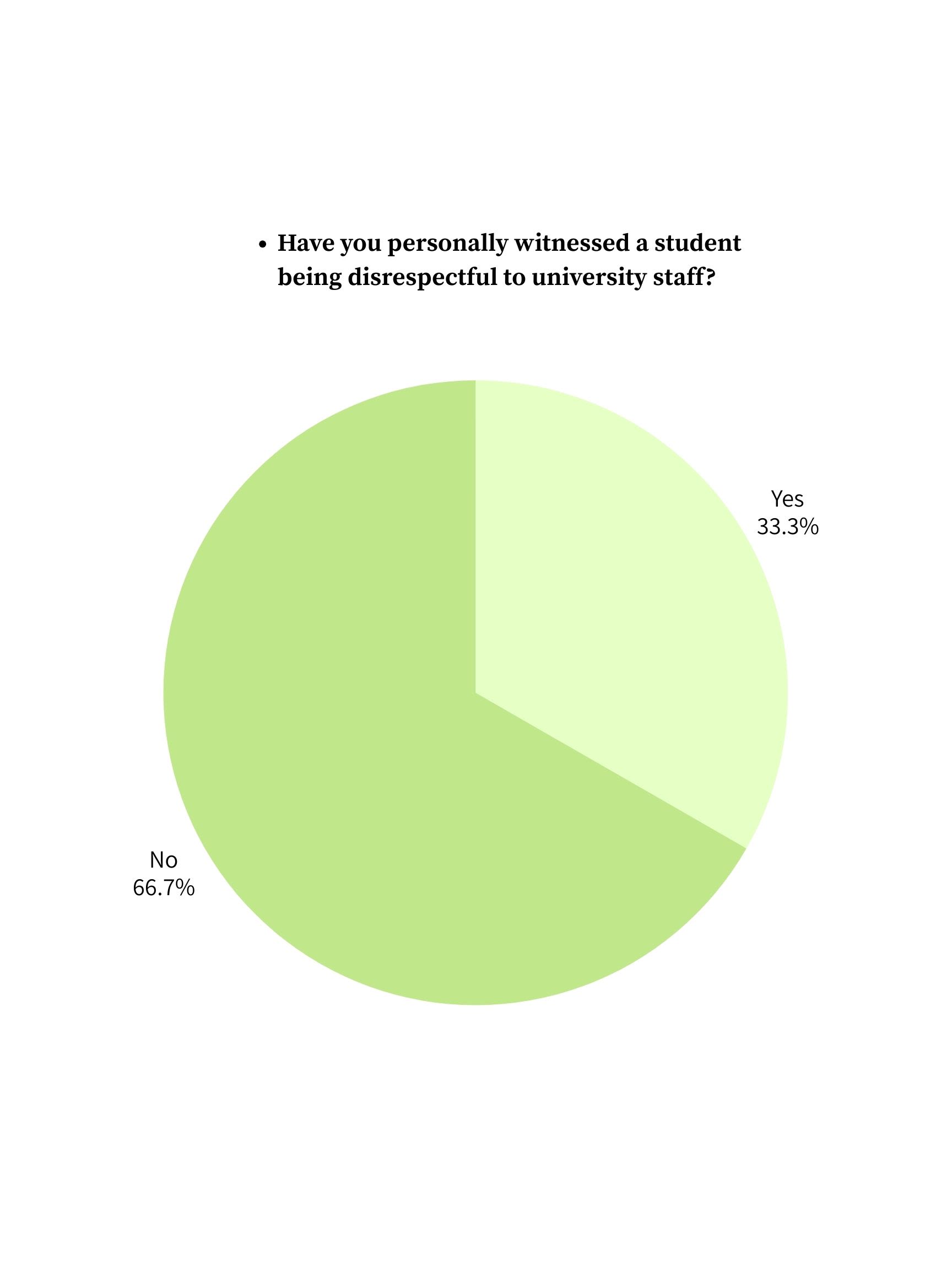
About 67% of students have not seen a peer being disrespectful to university staff, but 33.3% have. This means that while most students haven’t witnessed such behavior, a notable number have, indicating that disrespect toward staff is an issue some students are aware of on campus.
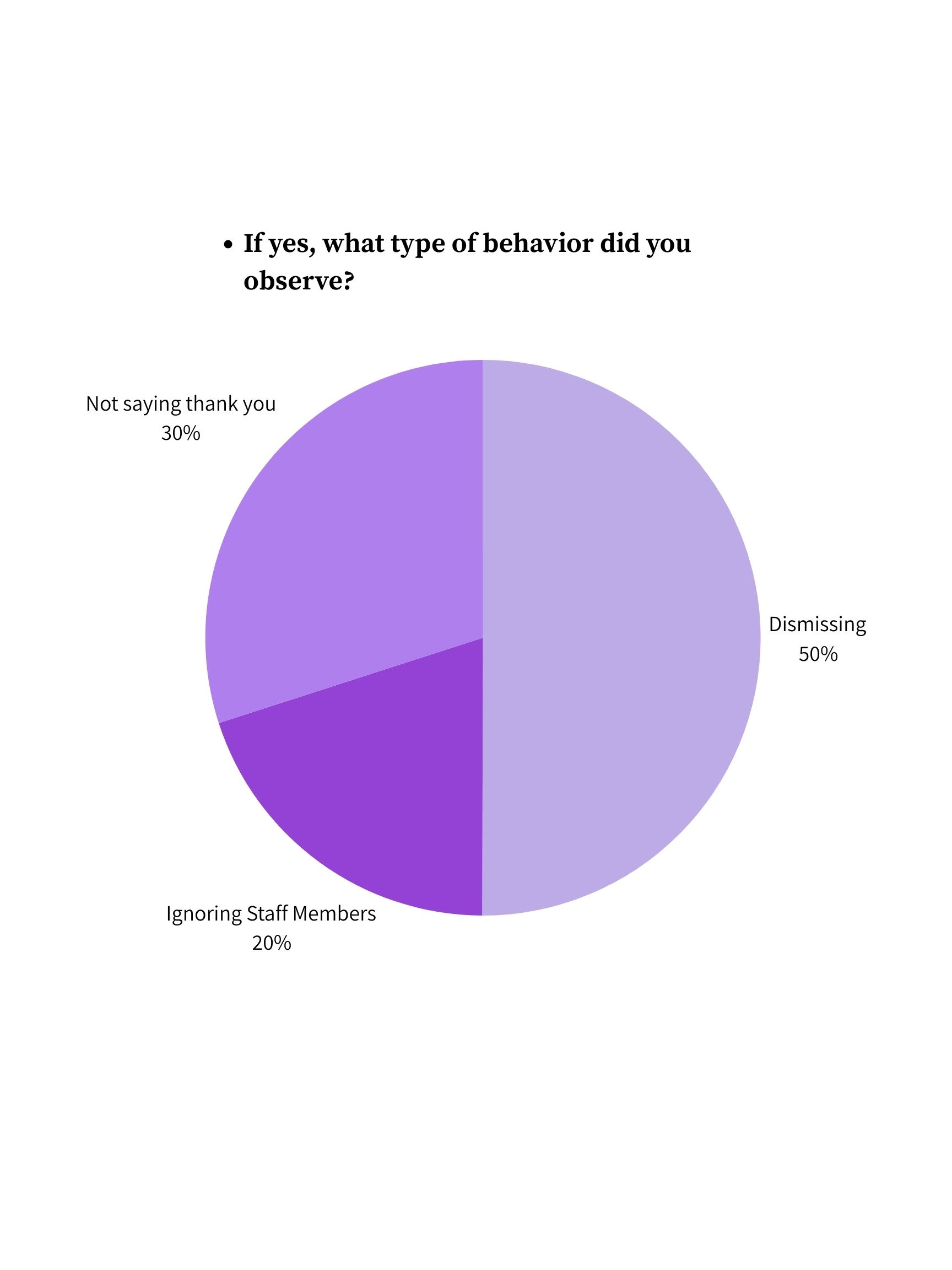
Out of these respondents, 50% saw students dismissing staff, 30% noticed students not saying thank you, and 20% observed students ignoring staff. This means that dismissing staff is the most common disrespectful behavior, but not acknowledging or thanking staff is also common.

Voices On Campus
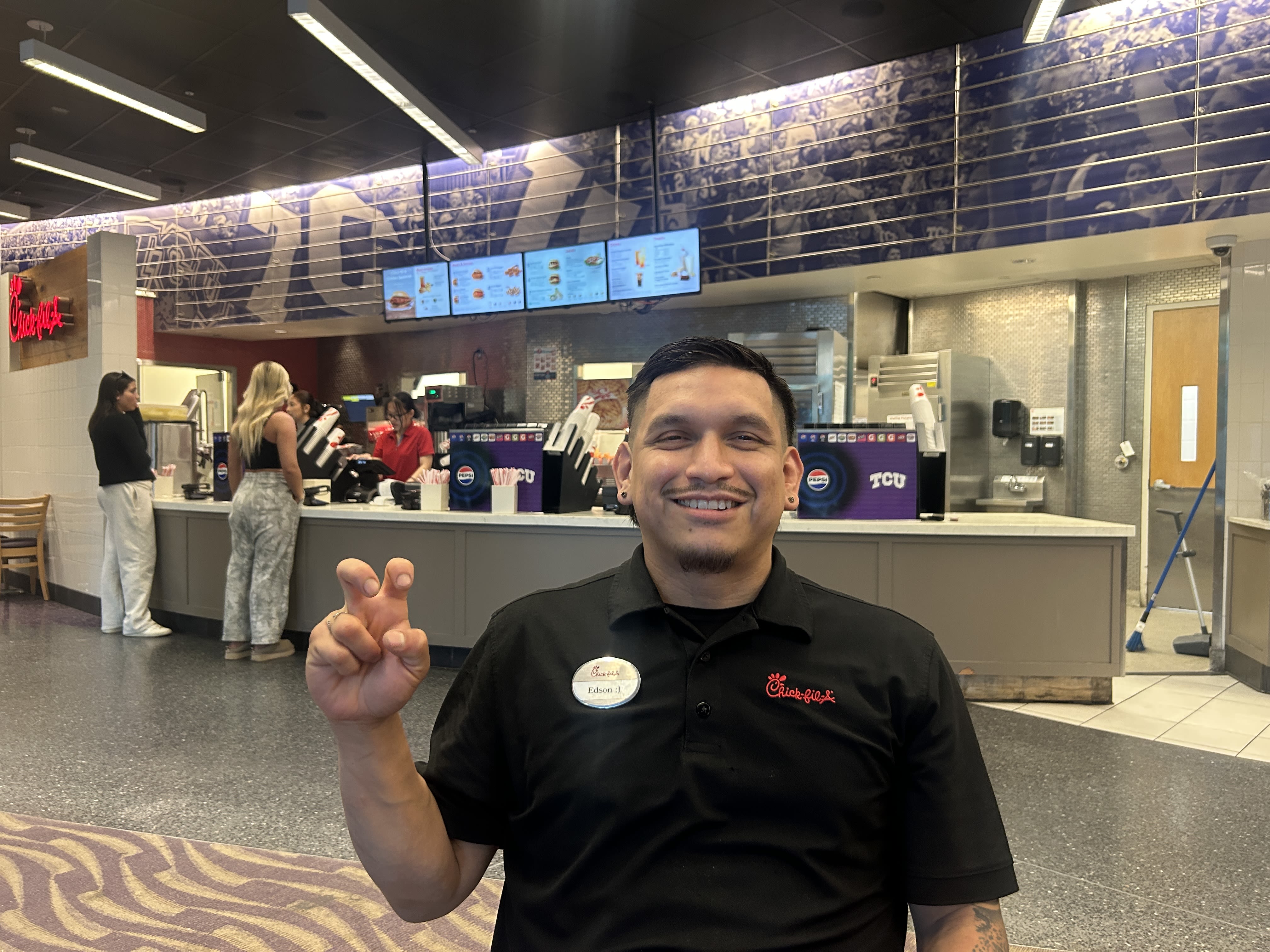
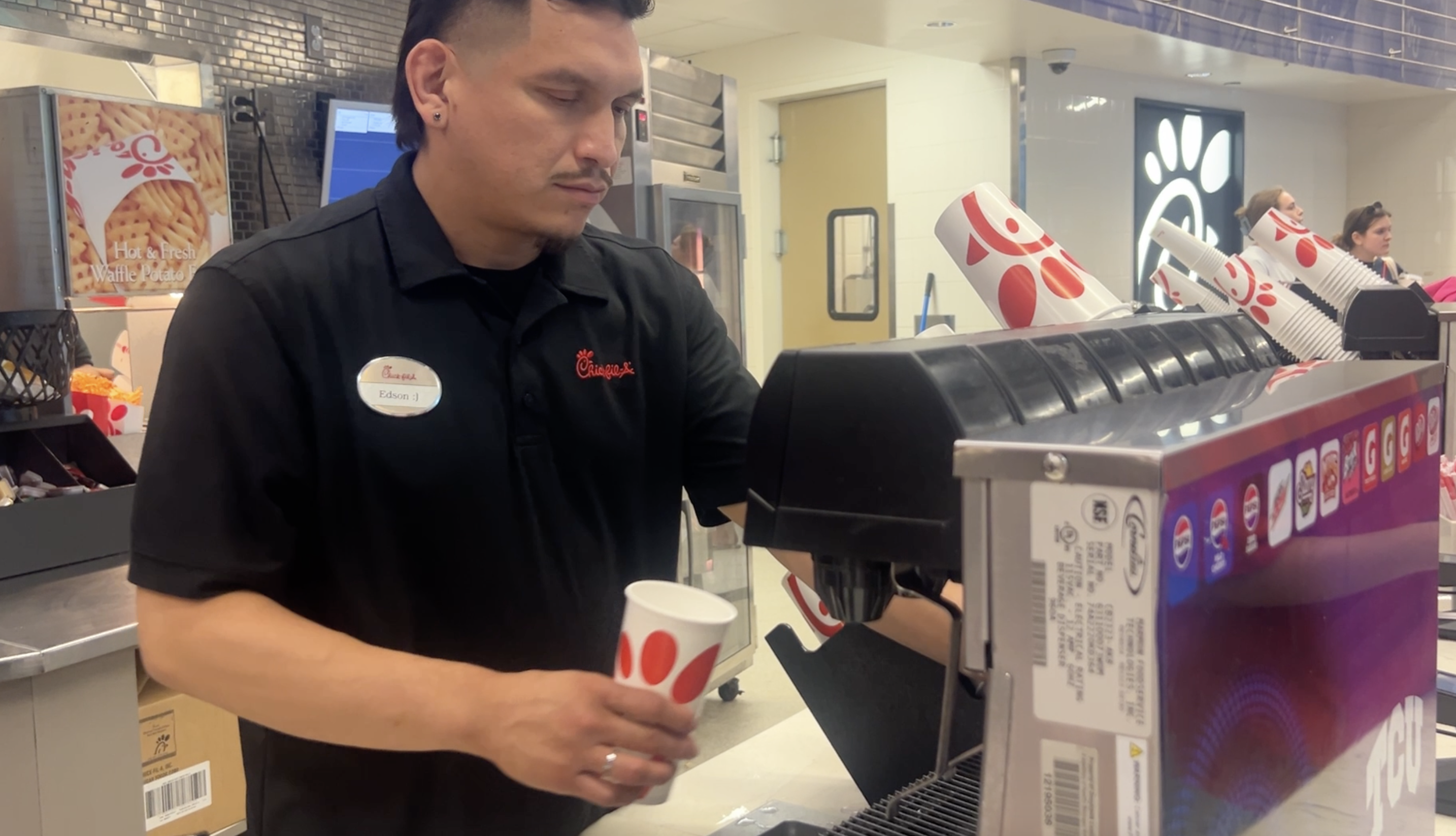
Edson Rodriguez. (Crystal Polglase/Staff Photographer)
Edson Rodriguez. (Crystal Polglase/Staff Photographer)
Edson Rodriguez
TCU Chick-Fil-A Employee
“Most of the people I work with at Chick-fil-A are still in high school, and you wouldn’t believe how mad some students get when we shut the milkshake machine off at night...like it's a personal attack or something.”
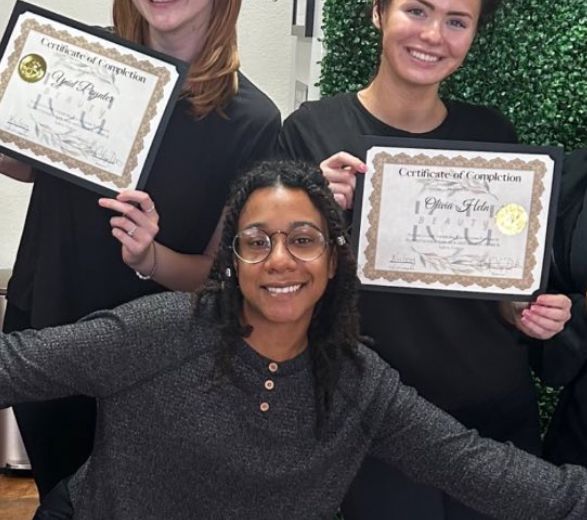
Chapa Perkins. (Crystal Polglase/Staff Photographer)
Chapa Perkins. (Crystal Polglase/Staff Photographer)
Chapa Perkins
Former BLUU pizza chef
“I did see/experience some of the students acting ugly towards certain workers that they just considered “the help” or some not showing respect or regard for how they behaved or cleaned up after themselves in the BLUU.”
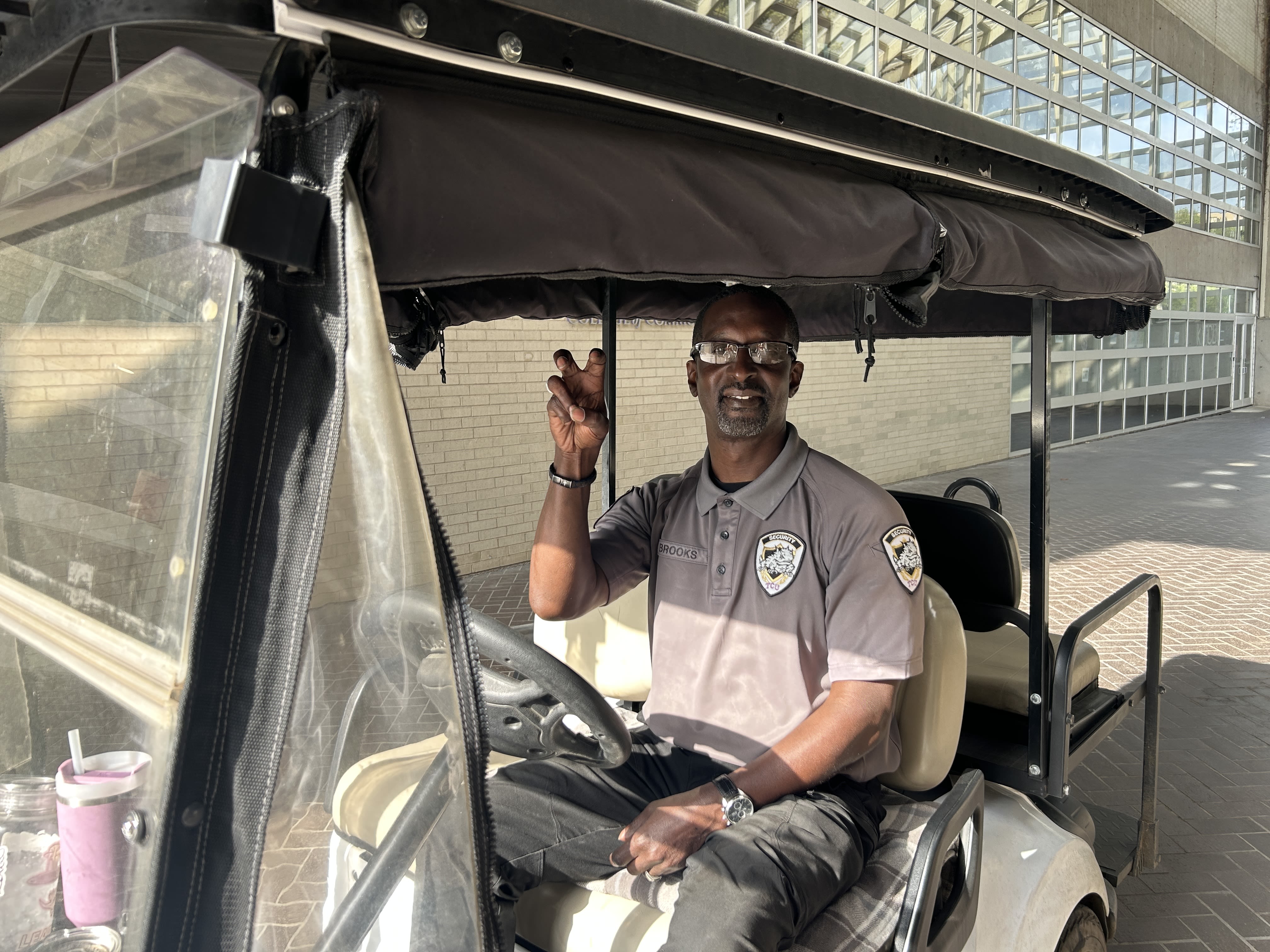
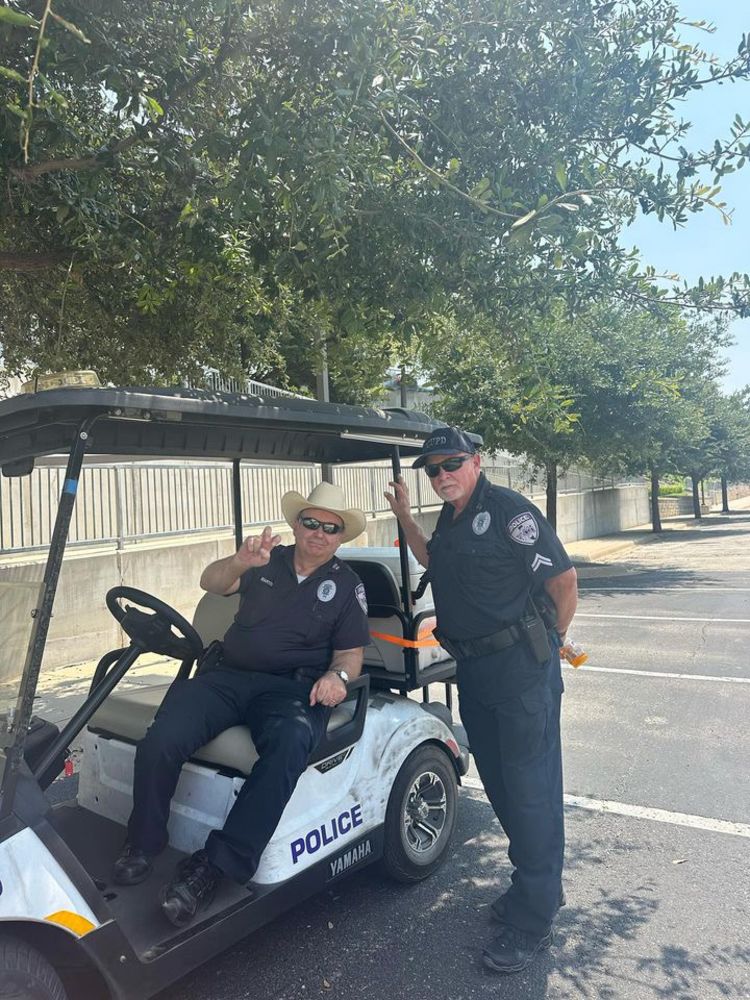
Arthur Brooks. (Crystal Polglase/Staff Photographer)
Arthur Brooks. (Crystal Polglase/Staff Photographer)
Arthur Brooks
TCU Police Security Officer
“I like it when students will stop to chat, ask how I’m doing, or just share a laugh. And even when someone’s having a rough day or there’s a negative moment, I see it as a chance to uplift them.”
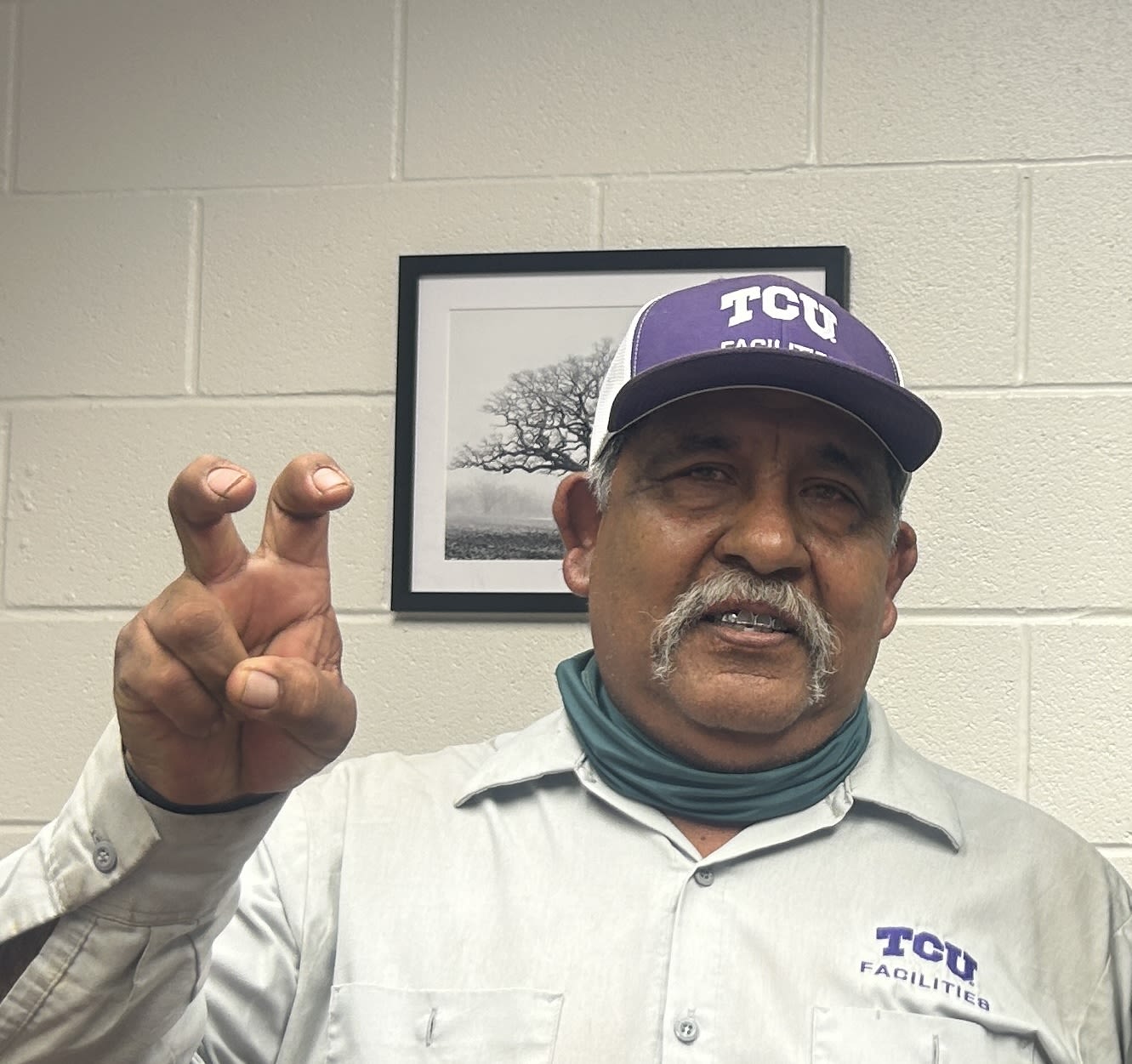
Benjamin Casarez. (Crystal Polglase/Staff Photographer)
Benjamin Casarez. (Crystal Polglase/Staff Photographer)
Benjamin Casarez
TCU Groundskeeper
“When I do a nice job on the flowers some students say thank you for the job I did.”
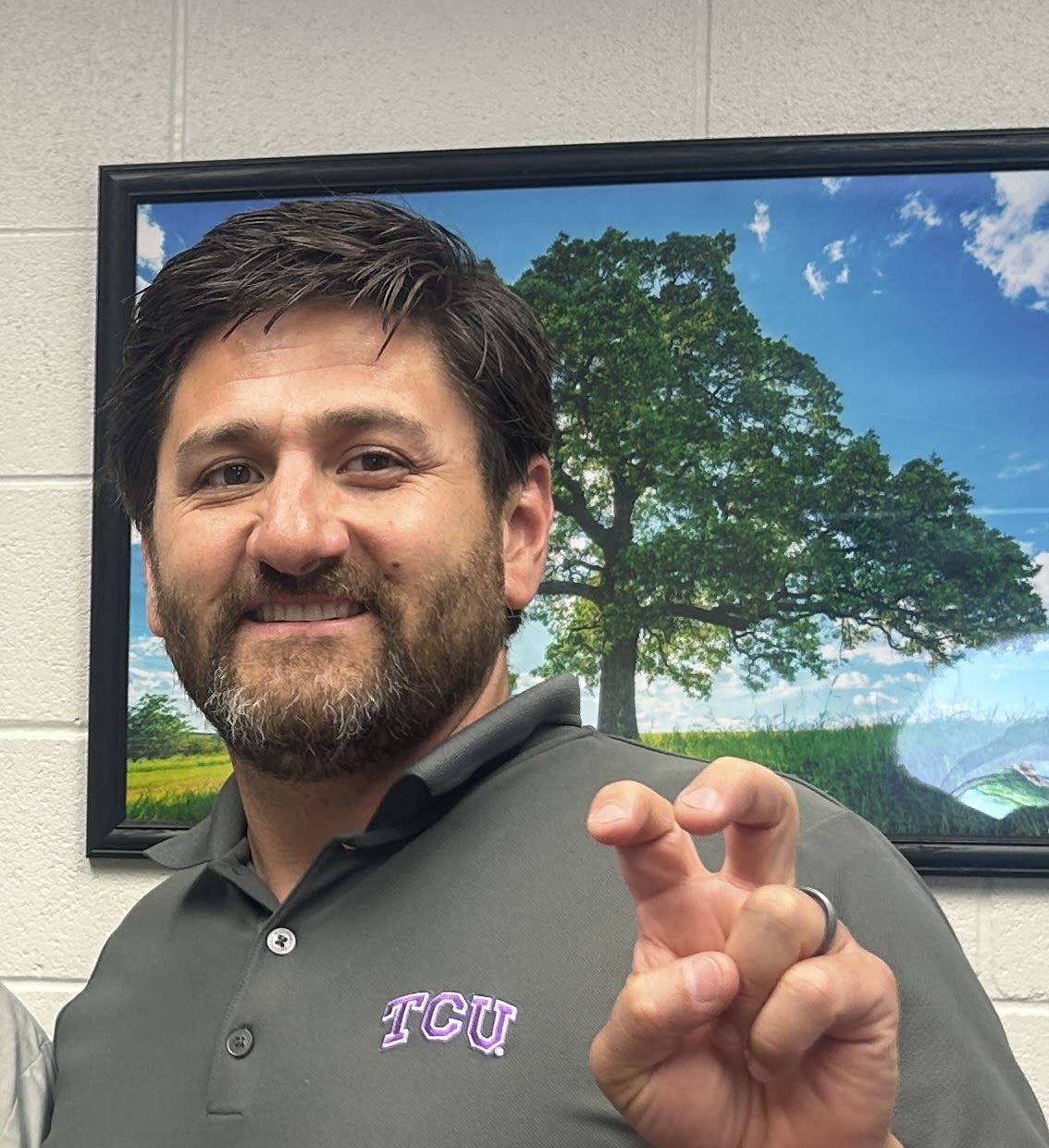
Erik Trevino. (Crystal Polglase/Staff Photographer)
Erik Trevino. (Crystal Polglase/Staff Photographer)
Erik Trevino
TCU Director of Landscape
"I hope that other students will be engaged and pay attention to just say hi whenever they see groundskeepers or ask them what kind of flower that is.... The smallest interactions can be the most meaningful.”
Theoretical Framework
Drawing from Social Dominance Theory (SDT), this project delves into how campus hierarchies influence interactions between students and staff. SDT suggests that group-based hierarchies shape behavior, with students, who are perceived as higher status, sometimes unconsciously viewing staff as less deserving of recognition.
Literature on workplace dignity in higher education corroborates this notion, highlighting that custodians, dining workers, and administrative employees often feel invisible. Moreover, positive student-staff interactions are pivotal for staff morale and job satisfaction. However, at institutions where respect is not actively promoted, students may default to indifferent or dismissive behaviors, inadvertently reinforcing these hierarchies.
Scholarly research on campus hierarchies consistently reveals that staff members, particularly those in custodial, dining, and groundskeeping roles, are frequently marginalized from the broader campus narrative. A 2023 study published in the Journal of Higher Education Workplace Dignity underscores the significance of acknowledgment by students in fostering higher job satisfaction and reducing turnover rates among staff. However, the study also highlights the detrimental impact of sporadic or absent recognition on staff morale, exacerbating divisions within the campus community. This resonates with my observations at TCU, where the visibility of staff and student engagement are closely interconnected.

The Next Step
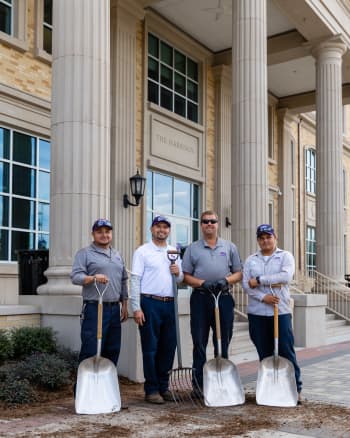
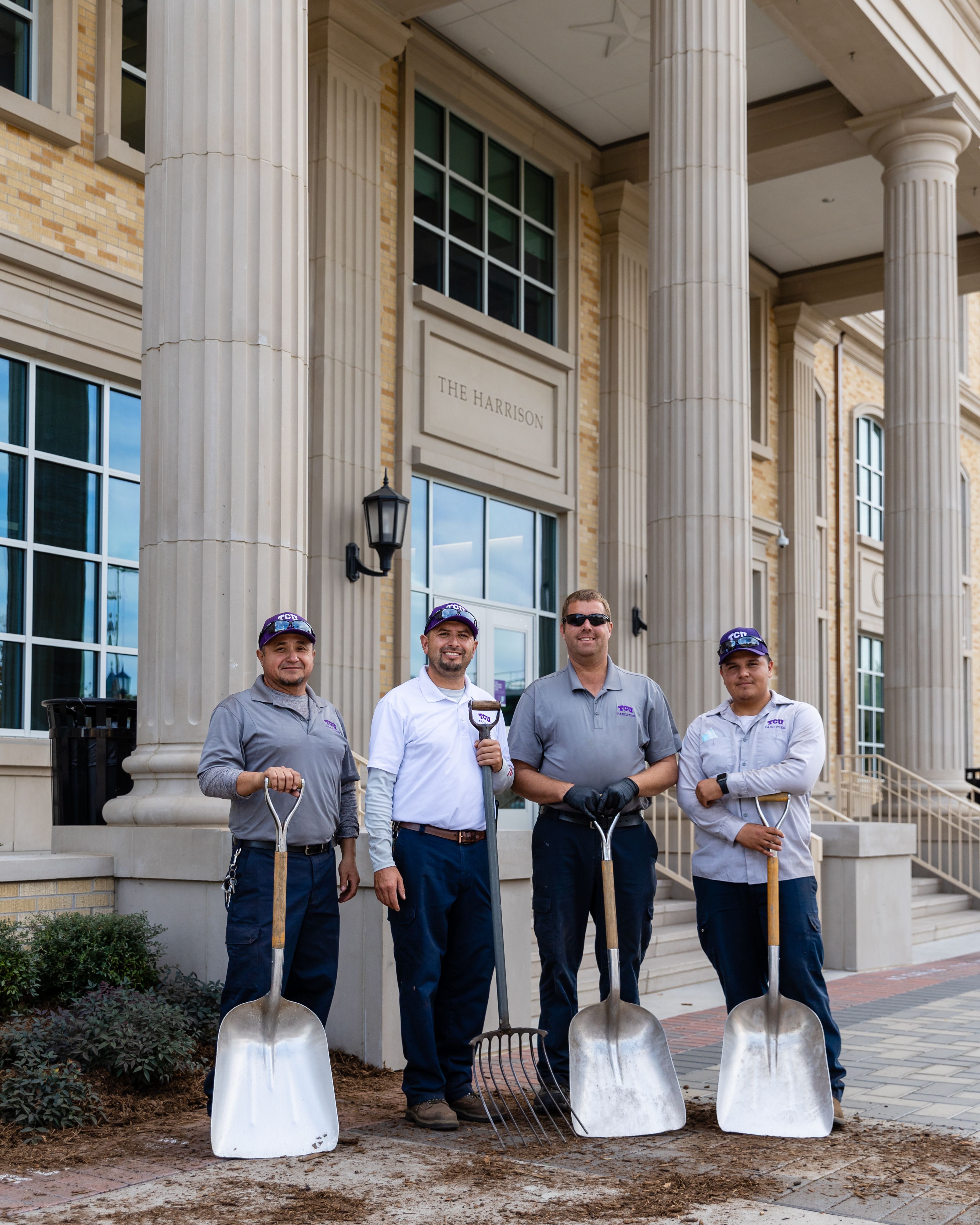
The data supports the hypothesis that while many students generally appreciate staff, there’s a substantial gap between their intentions and their daily behavior. Social Dominance Theory explains how campus hierarchies can lead to unconscious disregard for staff, particularly those in less visible roles. Literature on workplace dignity emphasizes the positive impact of interactions like greeting staff by name or expressing gratitude, which can significantly boost staff morale and a sense of belonging.
Observations and interviews confirm that staff in public-facing roles, such as dining or security, receive more frequent recognition, while those working behind the scenes, like groundskeeping or custodial, are often overlooked. This dynamic perpetuates a culture where respect is contingent on visibility rather than being a universal campus value.
Social Media Strategy: Amplifying Staff Voices
In reviewing TCU’s recent approach to staff recognition on social media, it’s clear there are opportunities for greater consistency and visibility. On March 1, 2024, TCU Dining shared a heartfelt Employee Appreciation Day post, celebrating the hard work and dedication of their team

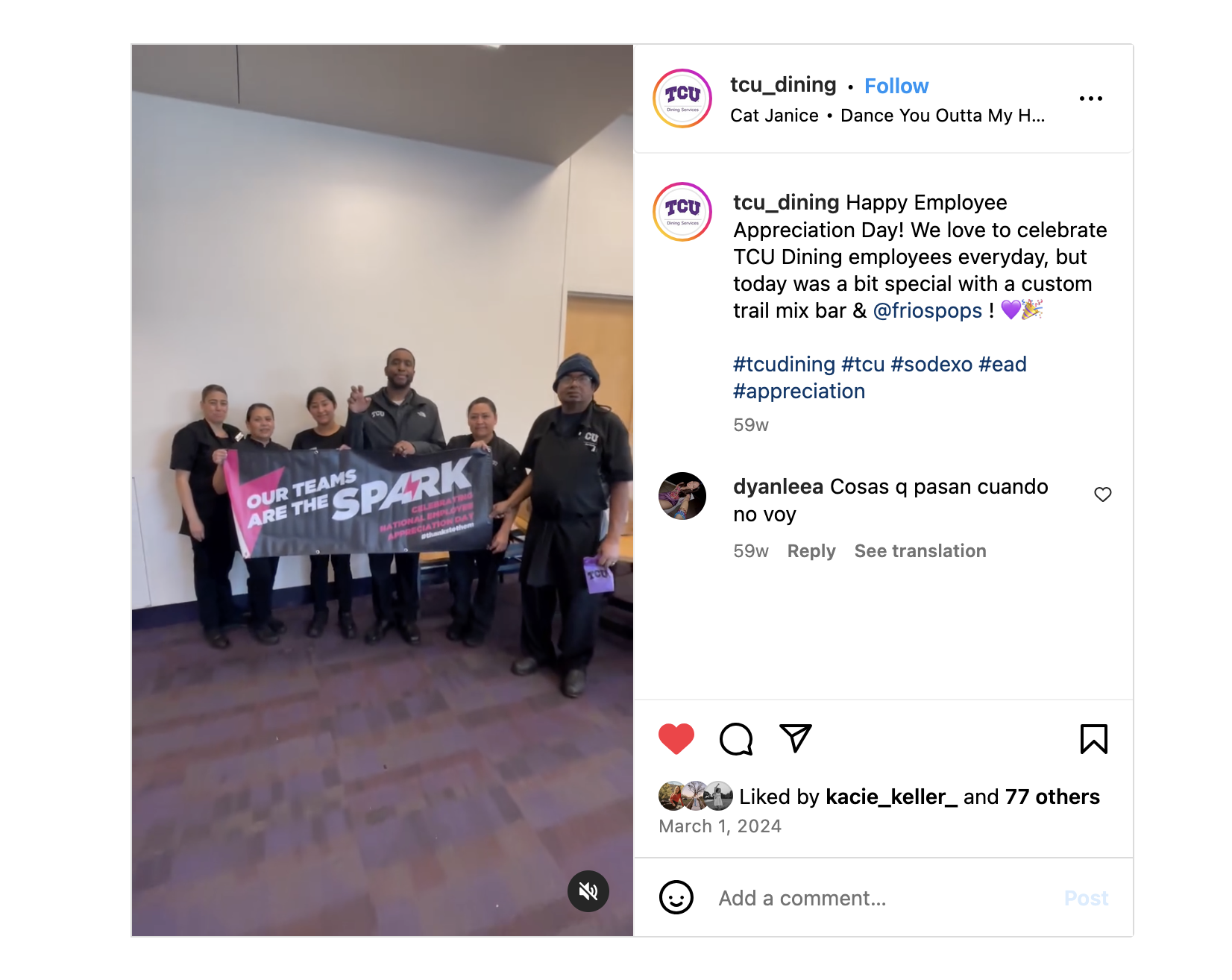
TCU Dining workers being recognized. (TCU Dining Instagram)
TCU Dining workers being recognized. (TCU Dining Instagram)
However, since that day, neither the @tcu_dining Instagram account nor the main @texaschristianuniversity account has featured additional appreciation posts specifically highlighting TCU staff contributions. This gap indicates that while annual events like Employee Appreciation Day receive attention, ongoing recognition of staff through social media is lacking. Sustained appreciation is crucial for reinforcing a culture of respect and inclusivity. Regularly spotlighting staff through social media campaigns not only boosts morale but also fosters a stronger sense of community.
To address this, I propose a dedicated campaign using the hashtag #TCUStaffStories
“Meet Benjamin, who’s planted over a million tulips on campus. Next time you see him, say hi! 🌷 #TCUStaffStories”
Other ideas include sharing short video interviews with staff, posting behind-the-scenes photos of their daily work, and encouraging students to submit their own stories of positive staff interactions. Regular features, such as “Staff Member of the Week,” milestone celebrations, or staff-led Instagram takeovers, would ensure that recognition is integrated into TCU’s campus culture, not just reserved for special occasions. By making staff appreciation a recurring theme on official university channels, TCU can establish a standard for valuing every member of its community throughout the year.

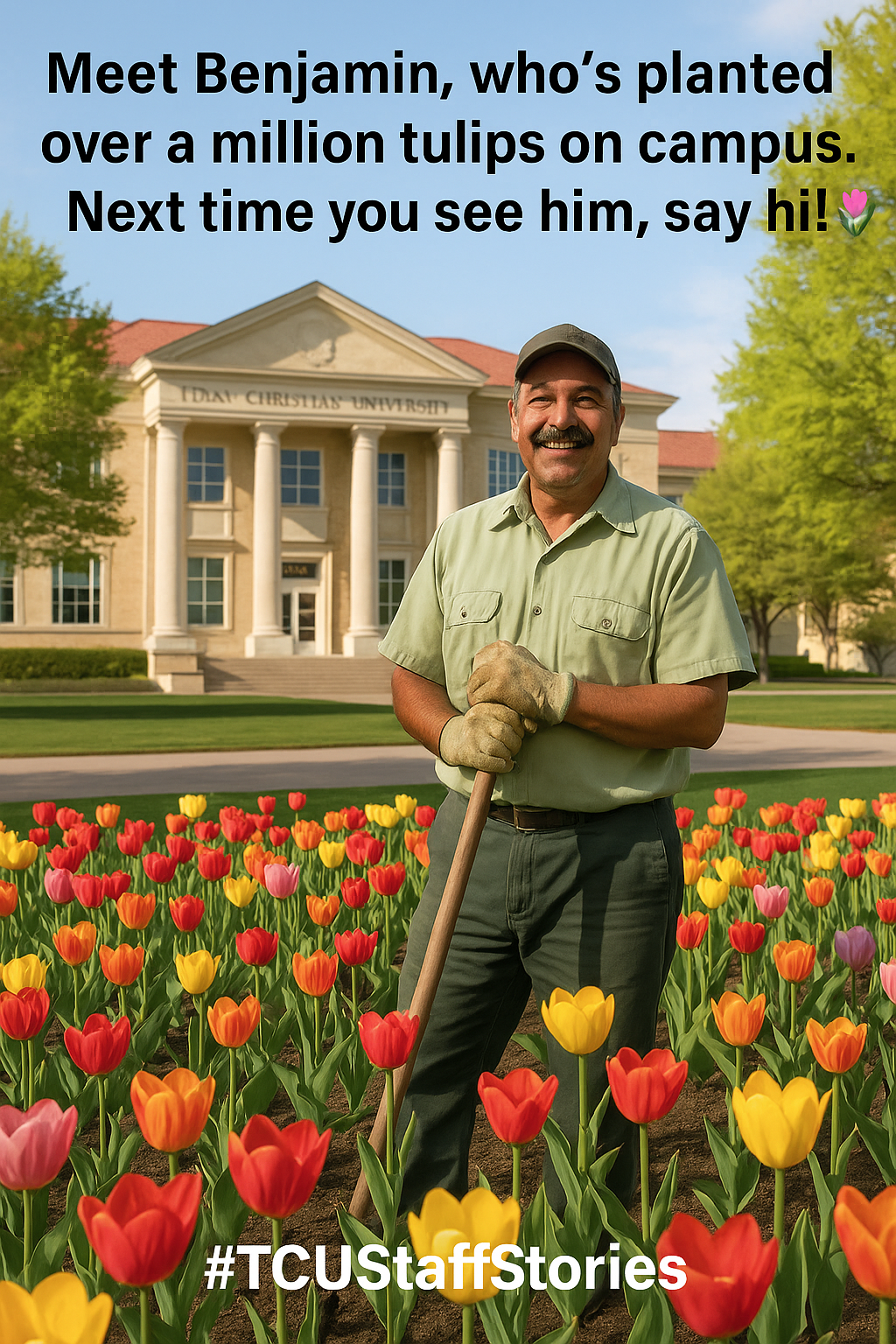
Illustration generated by ChatGPT using DALL·E. (OpenAI)
Illustration generated by ChatGPT using DALL·E. (OpenAI)
The story of TCU’s campus culture is still unfolding.
By recognizing the contributions of university staff and challenging the invisible hierarchies that influence our interactions, we can progress toward a more inclusive and compassionate community.
As Benjamin Casarez said, “Even the smallest interactions can hold significant meaning.”

 Built with Shorthand