
Faith and Spirituality at TCU:
Exploring the Impact of TCU’s Environment on Students' Faith and Spirituality
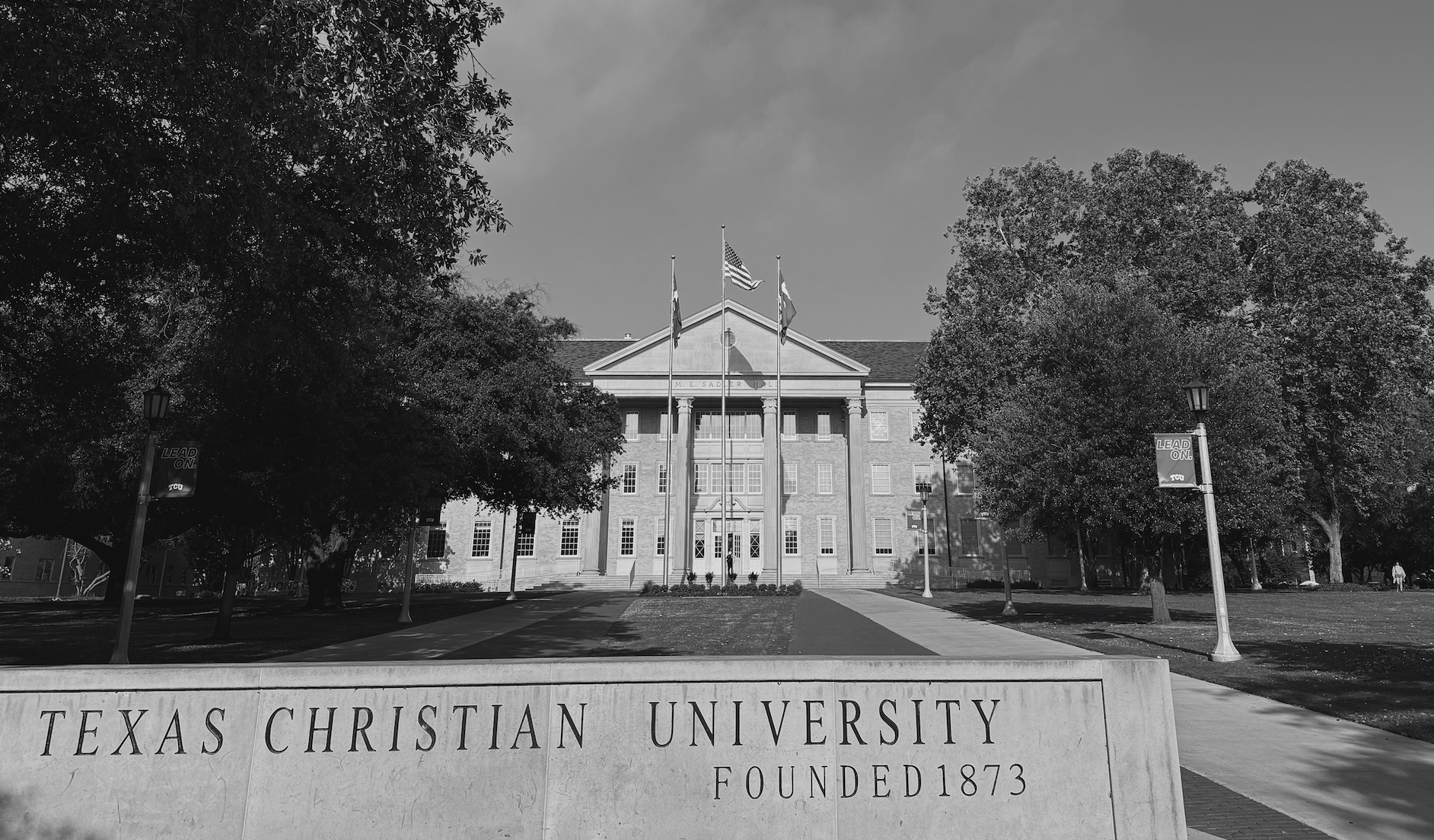

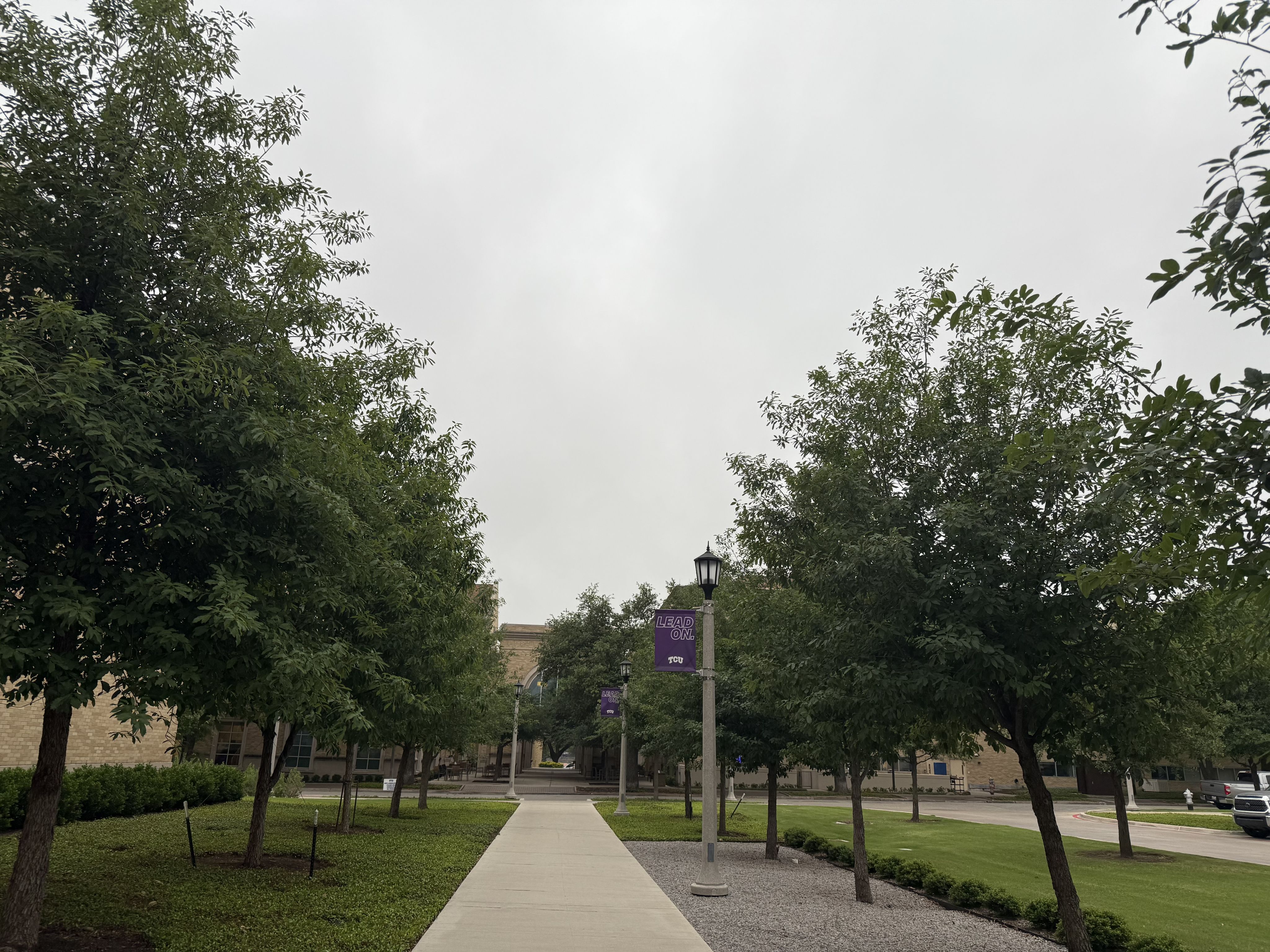
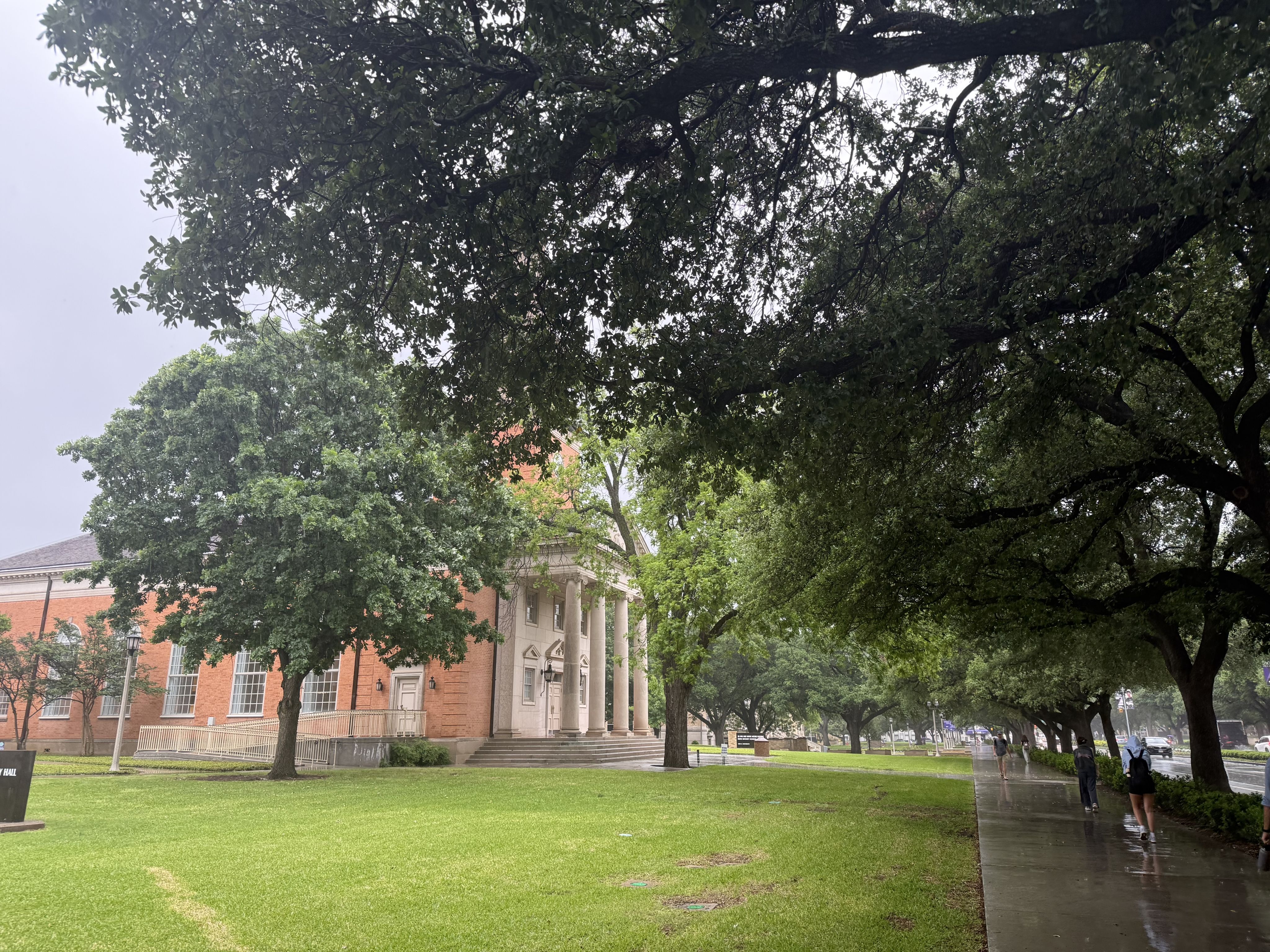
Walking through TCU’s campus, there are no crosses, religious paintings, or overt Christian signs.
Potential students touring hear the same things:
The "C" in TCU can be as big or as small as you make it.

Historical Context & Institutional Identity:
The ‘C’ in TCU stands for the Christian Church (Disciples of Christ), which emphasizes interfaith engagement and inclusion. Founded in 1873 and chartered by the Disciples of Christ in 1889, TCU retains its Christian affiliation in name but operates as a diverse space.
It’s approach is distinctly opt-in, promoting an environment for students of all faiths (or none).
Upon entering TCU, students fill out a survey stating their religious affiliation. According to the TCU Student Fact Book, Christian denominations represent 18.6% of students who declared a religious preference, with Roman Catholics alone making up half of this group. Non-Christian religions (Muslim, Jewish, Buddhist, Hindu) together comprise just 0.6%.
Notably, 74% of students did not specify any religion.
That means for every four students encountered at TCU, three of them are religiously unclassified.
Todd Boling, TCU’s University Chaplain, said “Some applicants avoid answering TCU’s Christian-affiliated questions because, as non-Christians, they don’t feel safe being honest.” This is important to note, as the data provided may be skewed.

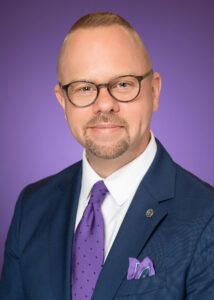
Rev. Todd Boling. (Photo courtesy of TCU).
Rev. Todd Boling. (Photo courtesy of TCU).
Boling explained that TCU’s Disciples of Christ heritage prioritizes inclusivity by welcoming all faith traditions, supporting every Christian denomination, and ensuring everyone, regardless of belief, has a seat at the table.
This approach resonates with non-Christian students like Kyra Kepner, a Jewish student who says, “I appreciate that TCU wants to show they’re open to everybody from different faiths. As someone not in the Christian faith, it’s about making sure those groups aren’t just there—but seen, heard, and supported."
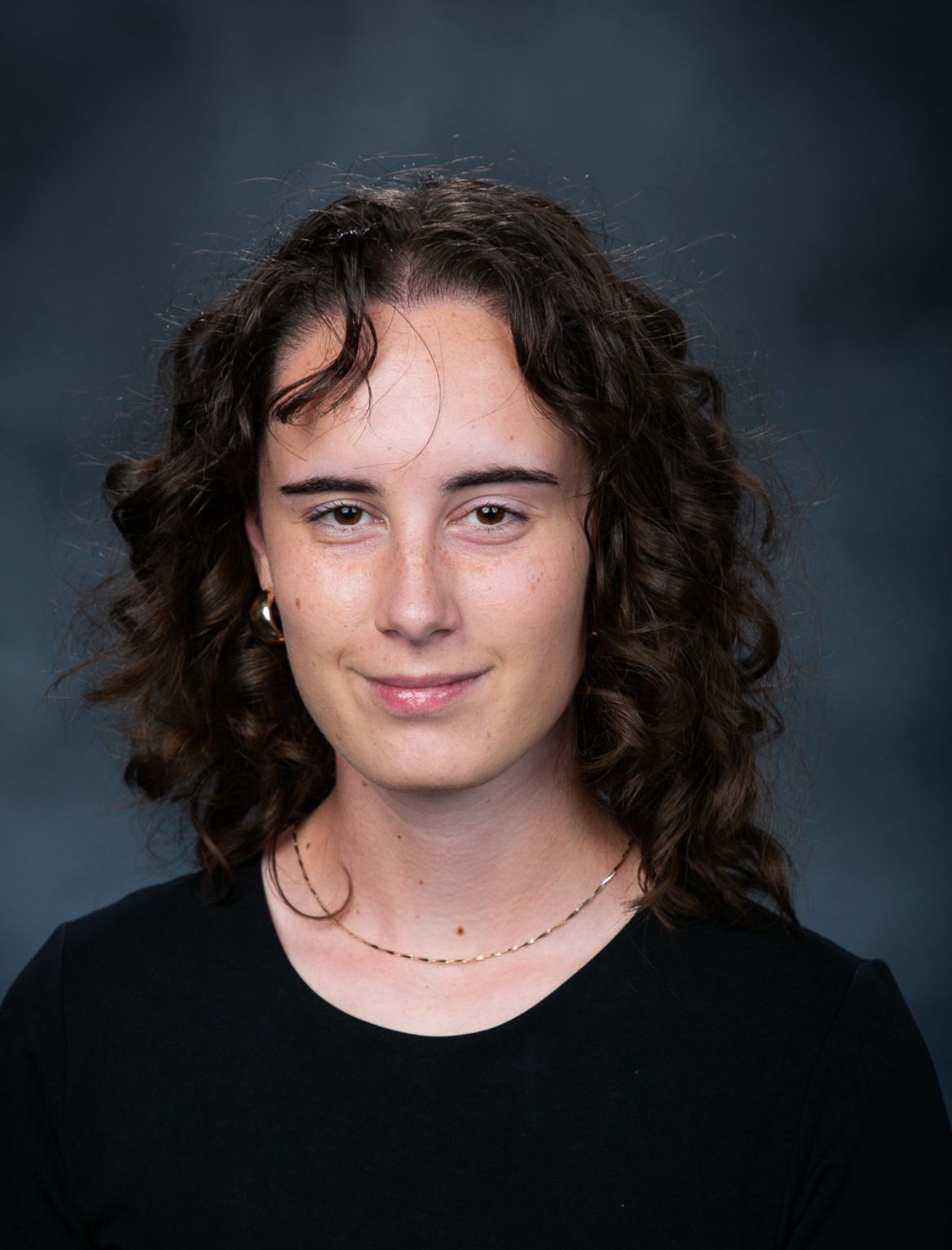
Meet Kyra:
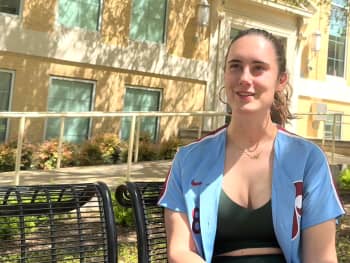
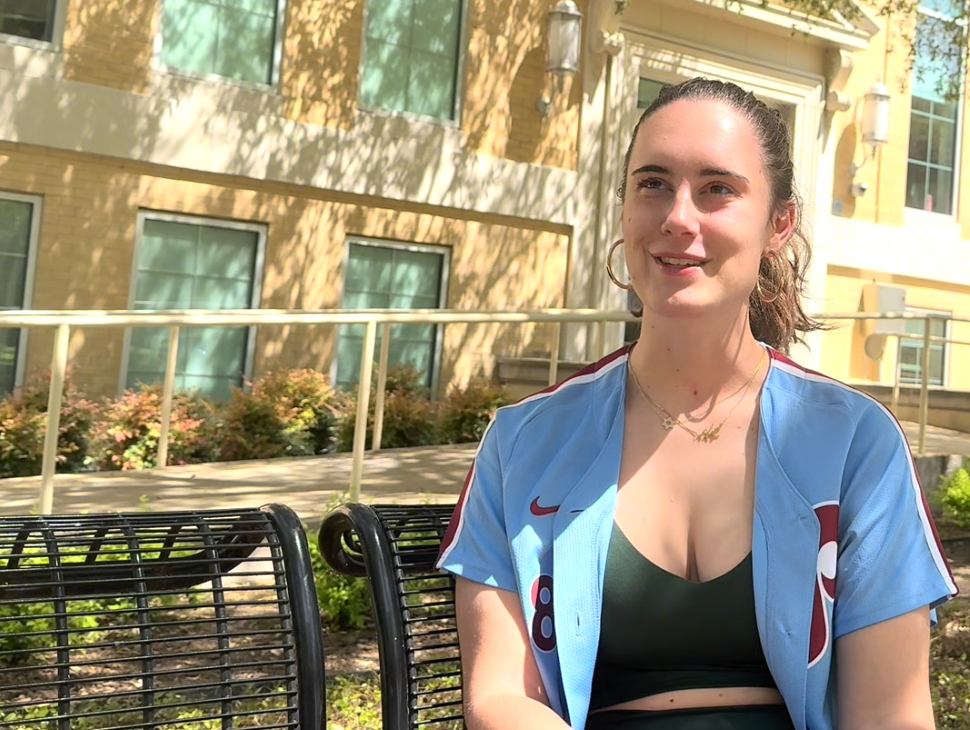
Kyra Kepner grew up in a mixed-faith family where religion wasn’t forced. "It was sort of on the side," she says with a shrug. Judaism had always been a part of her life, but not something she was involved with deeply—until she arrived at TCU and realized she was, for many classmates, the first Jewish person they’d ever met.
She didn’t plan to dive into her faith in college. However, when she found TCU Hillel’s Instagram, she found the community she was desiring. "I was worried it’d be super traditional," she admits. "But they were so accepting and welcomed any questions I had.”
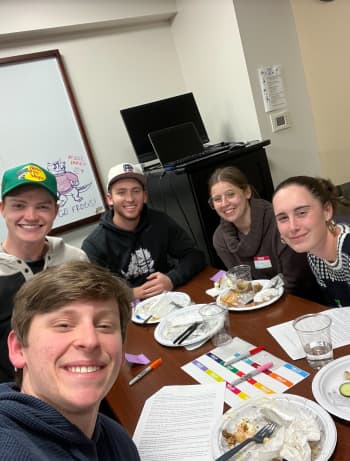
Choosing to dive more into Judaism, Kepner took a Judaism class, explored old religious texts in the library, and joined TCU’s Religious Advisory Council (REC), where she now represents Jewish students along with peers from Islam, Christianity, Hinduism, Buddhism, and more.
"TCU says it’s open to all faiths, and I believe that’s the intention," she says. "But if I hadn’t gone looking for Hillel myself, I might never have found it." She laughs, remembering how the group was tucked away in a corner at the org fair. "It’s a Christian school, so I get it—but I would love for minority religion groups to have more visibility.”
Still, she’s quick to credit professors and staff who’ve supported her, like Ariel Feldman, who taught her Judaism class. "He was so helpful—not just with the academic side, but in talking about what faith means in real life."
Kepner said she has become much more religious since coming to TCU. She now observes Shabbat, not out of obligation, but because it grounds her. "Hillel gave me the space to explore without pressure. I’m still figuring it out, but I feel like that’s the point."
When asked about how TCU could improve, Kepner said she would love to see more interfaith events, and greater awareness of minority religious groups.
" It’s about making sure everyone knows they have a seat at the table,” Kyra said.



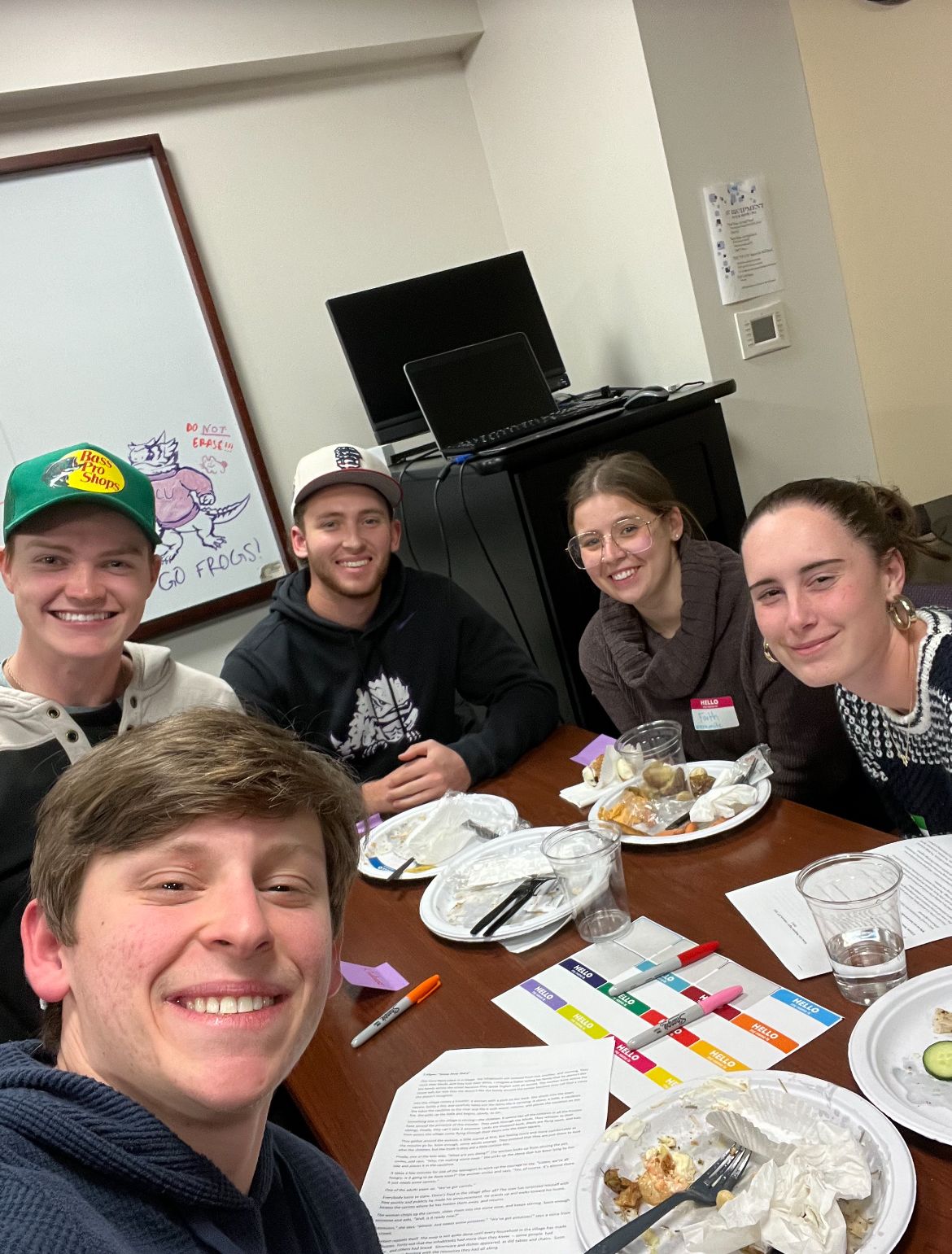
Student Voices:
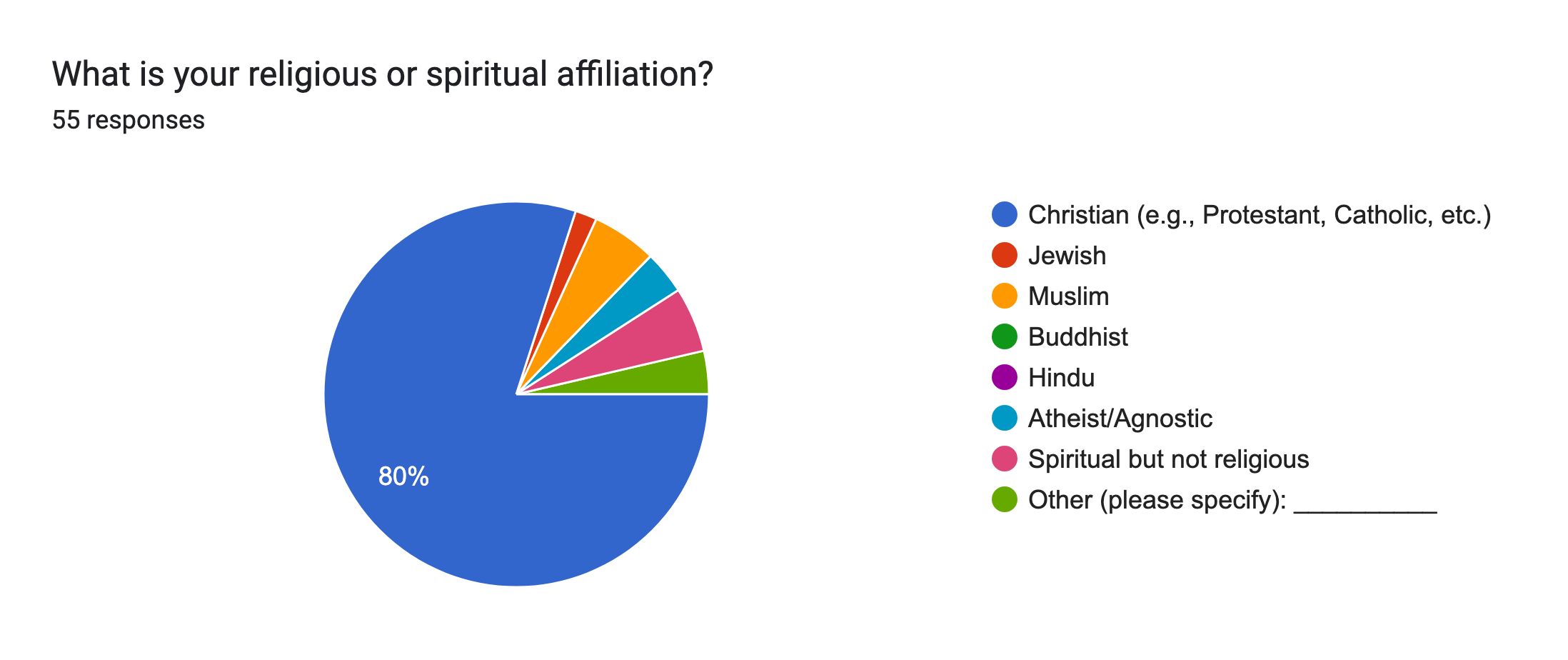
In a student survey conducted across campus, 80% identified as Christian, 9% as atheist/agnostic, 4% as Muslim, 4% as spiritual-but-not-religious, and 2% as Jewish.
Additionally, 61% describe TCU’s faith environment as “optional”—resources exist but aren’t pushed. Drake Williams, a Catholic student, said, “If you look for it, it is there. However, I do not feel that any system of belief is overtly advertised.”

Three Key Student Experiences:
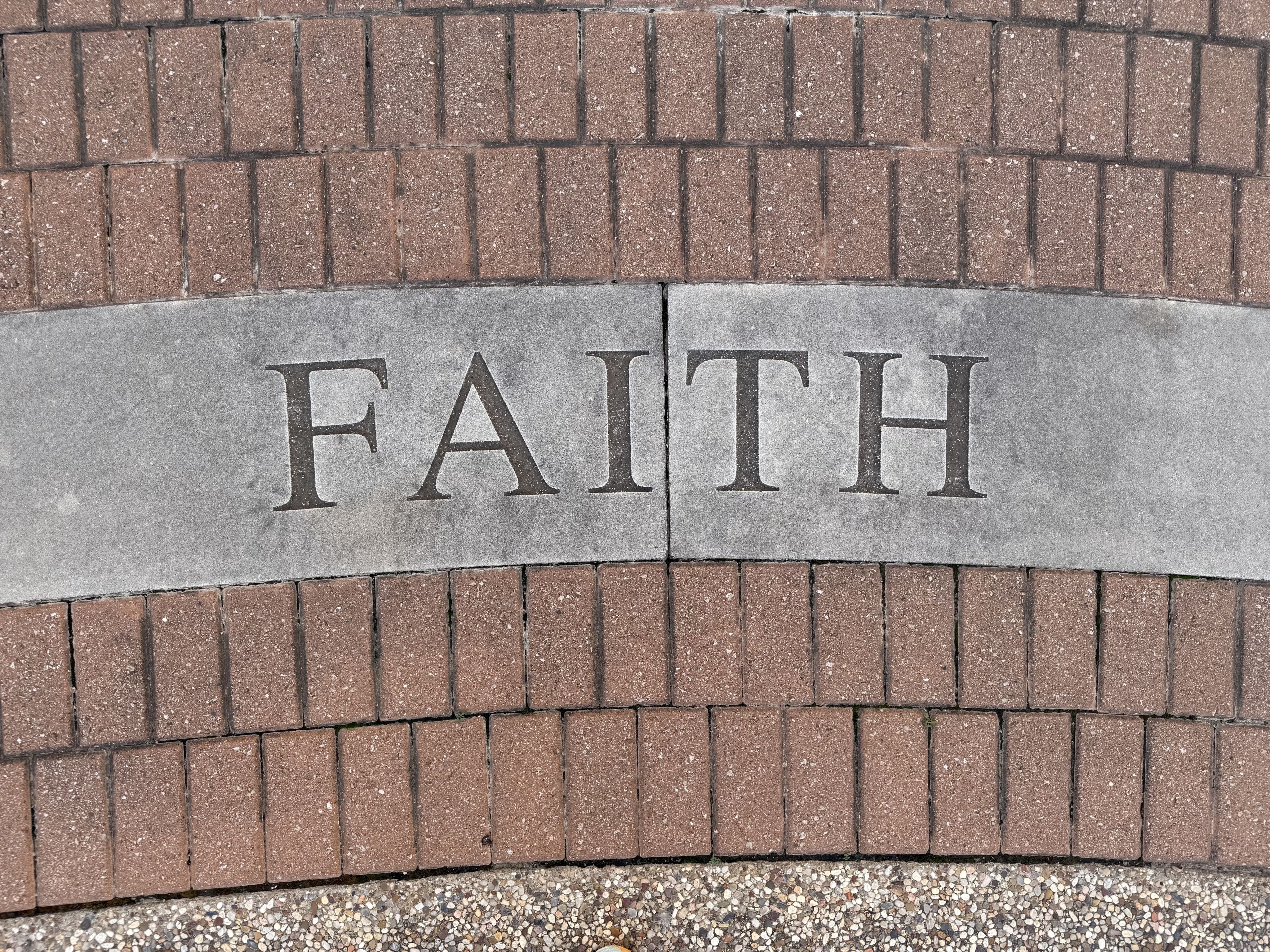
TCU embraces faith, service, and reason as core values, integrating them into campus life. (Cate Stewart.)
TCU embraces faith, service, and reason as core values, integrating them into campus life. (Cate Stewart.)
Engaged Christians:
Students who opt into ministries or Bible study report deeper faith, saying it finally felt like their own decision as opposed to an obligation.
Mariana Ramos, a Christian student, said, “Having the freedom to choose when I want to go to church, what denomination I am a part of, has been really confidence boosting and has made my life better.”
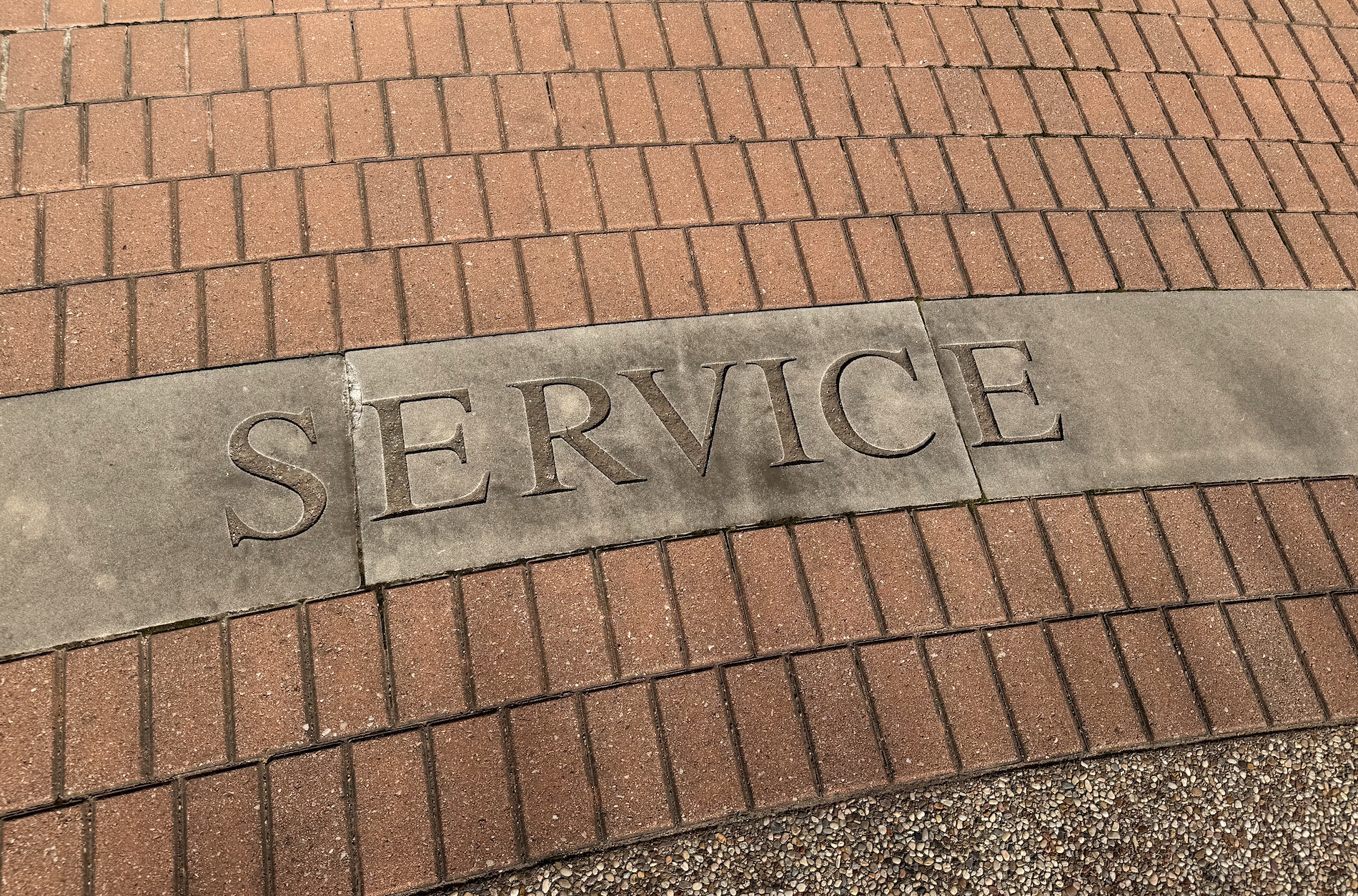
TCU embraces faith, service, and reason as core values, integrating them into campus life. (Cate Stewart.)
TCU embraces faith, service, and reason as core values, integrating them into campus life. (Cate Stewart.)
Disconnected Christians:
19% say peers’ hypocrisy or academic exposure to other beliefs challenged their faith.
MeKayla Cook, an Agnostic student, said, “TCU is Christian-centric but not necessarily Christ-centered in values, particularly when it comes to love and inclusivity. Anyone that doesn't cleanly fit the norm is marginalized directly and/or subconsciously.”
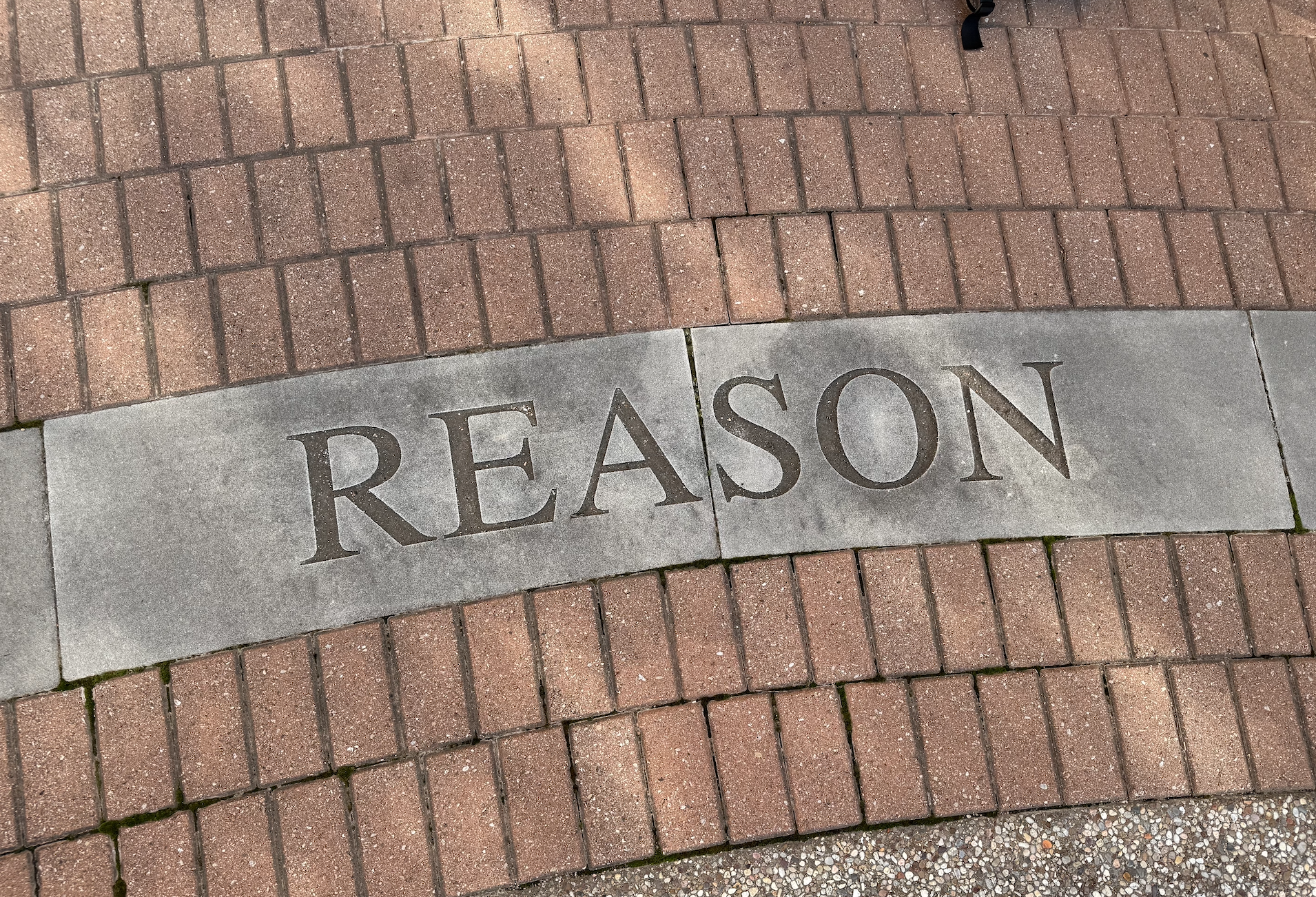
TCU embraces faith, service, and reason as core values, integrating them into campus life. (Cate Stewart.)
TCU embraces faith, service, and reason as core values, integrating them into campus life. (Cate Stewart.)
Non-Christian Students:
75% of the non-Christian students feel welcomed at TCU but desire visibility.
Gaps & Opportunities:
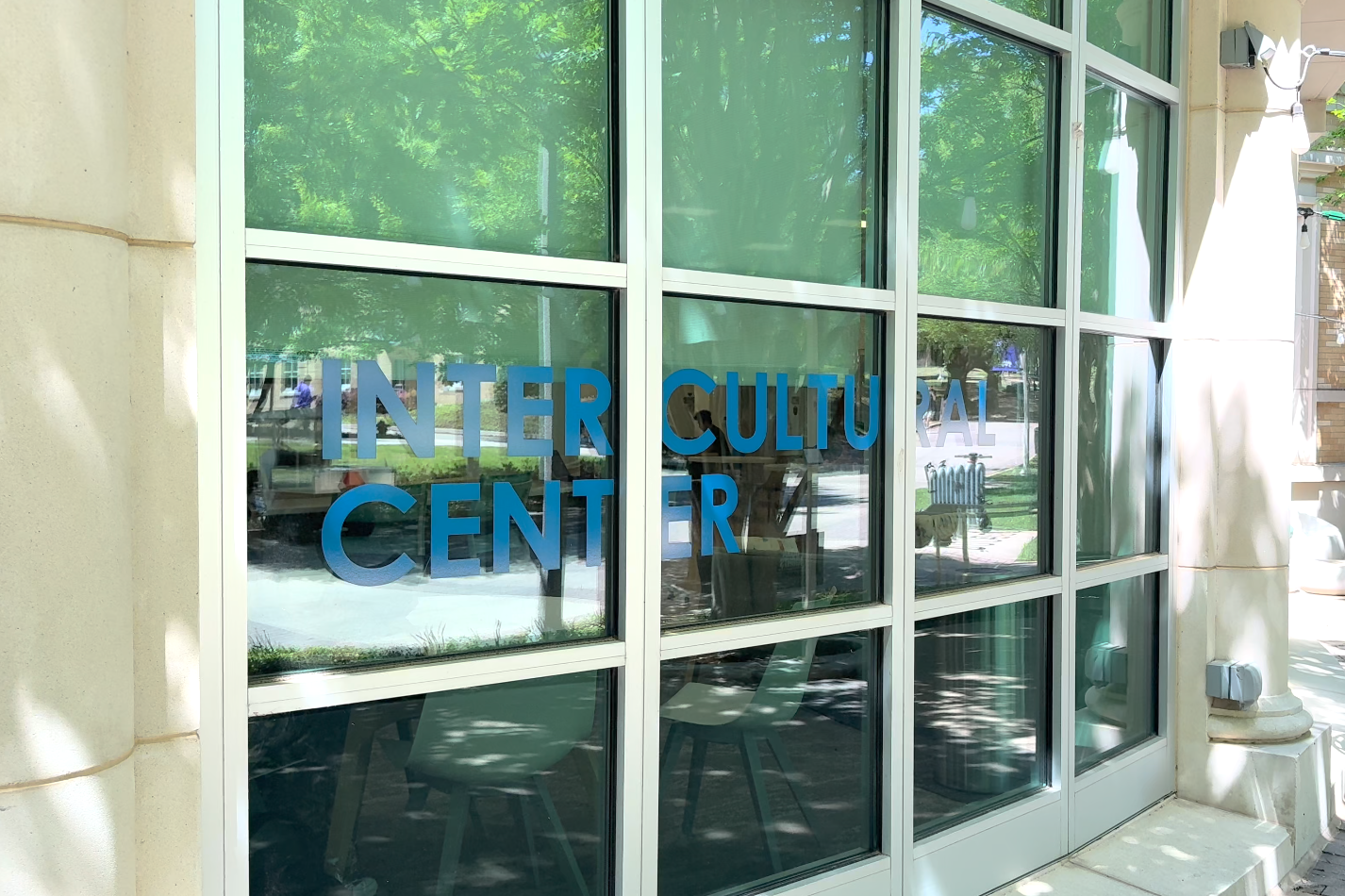
While TCU succeeds in offering freedom, some students are asking for more proactive interfaith efforts. This could look like promoting its faith resources, creating more inclusive spaces for non-Christian and LGBTQ+ students, and aligning its branding with actual student experiences.
The data reveals a tension found between the opt-in and passive approaches. The opt-in model avoids pressure, allowing authentic exploration, but it may also result in a passive approach which leaves minority faiths sidelined and some Christians adrift.


Literature Recap & Research Gap:
Prior studies like Burtt et al. (2022) which analyzed overtly Christian universities, and Uecker et al. (2007) which analyzed secular schools both overlook opt-in models like TCU. This research bridges this gap by asking: How does spiritual development unfold when faith is optional and not an obligation?
TCU’s opt-in approach reveals that while the student body is predominantly Christian, the university takes a largely hands-off approach to spirituality, allowing students to engage—or not—as they choose.
Christian students at TCU generally report strong faith engagement. Many participate in campus ministries, and over two-thirds rate religion as "very important" in their lives. While most say TCU has strengthened their faith, some did make note of challenges from feeling peers acted hypocritically or from exposure to different beliefs in class.
Spiritual-but-not-religious and atheist students at TCU reported wishing for more neutral gathering spaces and less presumption of faith in classroom discussions. This data emphasizes how even Christian environments can passively marginalize non-believers.
Similarly, non-Christian students said while they felt welcomed, their religious needs can be overlooked due to implicit Christian norms at TCU, such as certain holidays being celebrated or not celebrated. However, the university's Religious Observances Policy, which was advocated by students and approved unanimously by the SGA and factuality senate, proves effective in accommodating absences for faith-based observances when students let their professors know ahead of time. Some report discomfort when Christianity is assumed as the default.
There seems to be a gap in interfaith inclusion, or at least a highlighting of the efforts. Promoting interfaith opportunities and ensuring different faiths receive equal recognition are a few suggestions students provided.
Overall, TCU's faith environment is defined more by individual choice than institutional influence, creating a mix of deep spiritual engagement for some and feelings of marginalization for others.

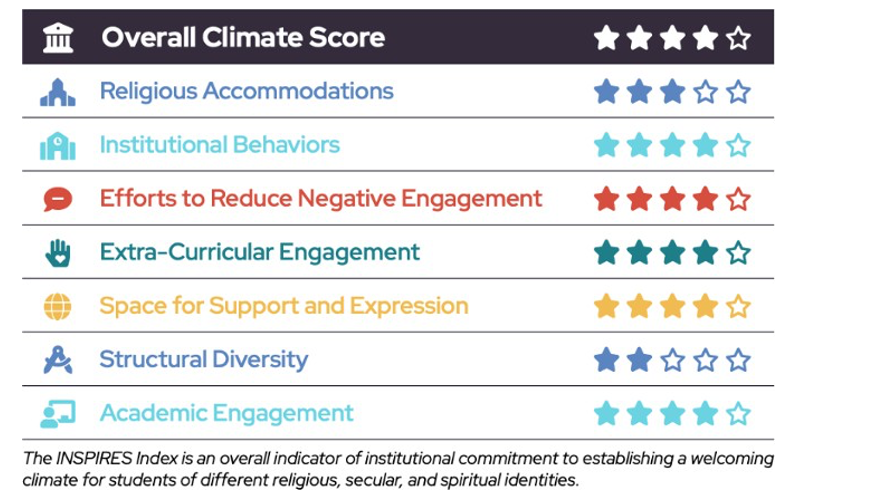
Image of TCU’s 2022 INSPIRES scorecard. (Photo courtesy of TCU.)
Image of TCU’s 2022 INSPIRES scorecard. (Photo courtesy of TCU.)
TCU participates in INSPIRES (Interfaith, Spiritual, Religious, and Secular Campus Climate Survey), an assessment tool that measures how well the university fosters a welcoming environment for students of all religious and non-religious identities.
Basically, it gauges how a school supports people of all faith traditions. TCU scored a four out of five in the latest edition, 2022.
This ranking outperforms peer intuitions, Boling explained. "Students of all faiths—Christian, Buddhist, Jewish, Muslim, Hindu, atheist, or agnostic—report feeling supported at rates 20–30% higher here than elsewhere."
Conclusion
TCU’s spiritual life mirrors its students—diverse, evolving, and sometimes clashing. The opt-in approach to faith creates a campus where spirituality is personal, not prescribed. TCU strives for inclusivity, and by many accounts they achieve it, however, students feel they could benefit from highlighting organizations more.
Ultimately, TCU’s 'C' remains what students make of it.

 Built with Shorthand