How Does an Athlete Conquer the NCAA NIL Era
By Emil Asaf

The collegiate athletics dynamic has changed dramatically since 2021 with the introduction of NIL. For the first time in NCAA history, college athletes were permitted to profit off their name, image, and likeness, regardless of the school's location. This new policy was a drastic advancement and an opportunity for college athletes, but it also created endless complications. A variety of antitrust lawsuits against the NCAA emerged, claiming the association had improperly enriched itself by utilizing athletes’ NIL without allowing them to also benefit prior to 2021. Controversy also rose with the lack of regulation regarding athletes’ utilization of the transfer portal and engagement in holdouts across all collegiate sports since the rule changes. And finally, the new complex negotiation dynamic between athletes, collegiate programs, and third-party brands.
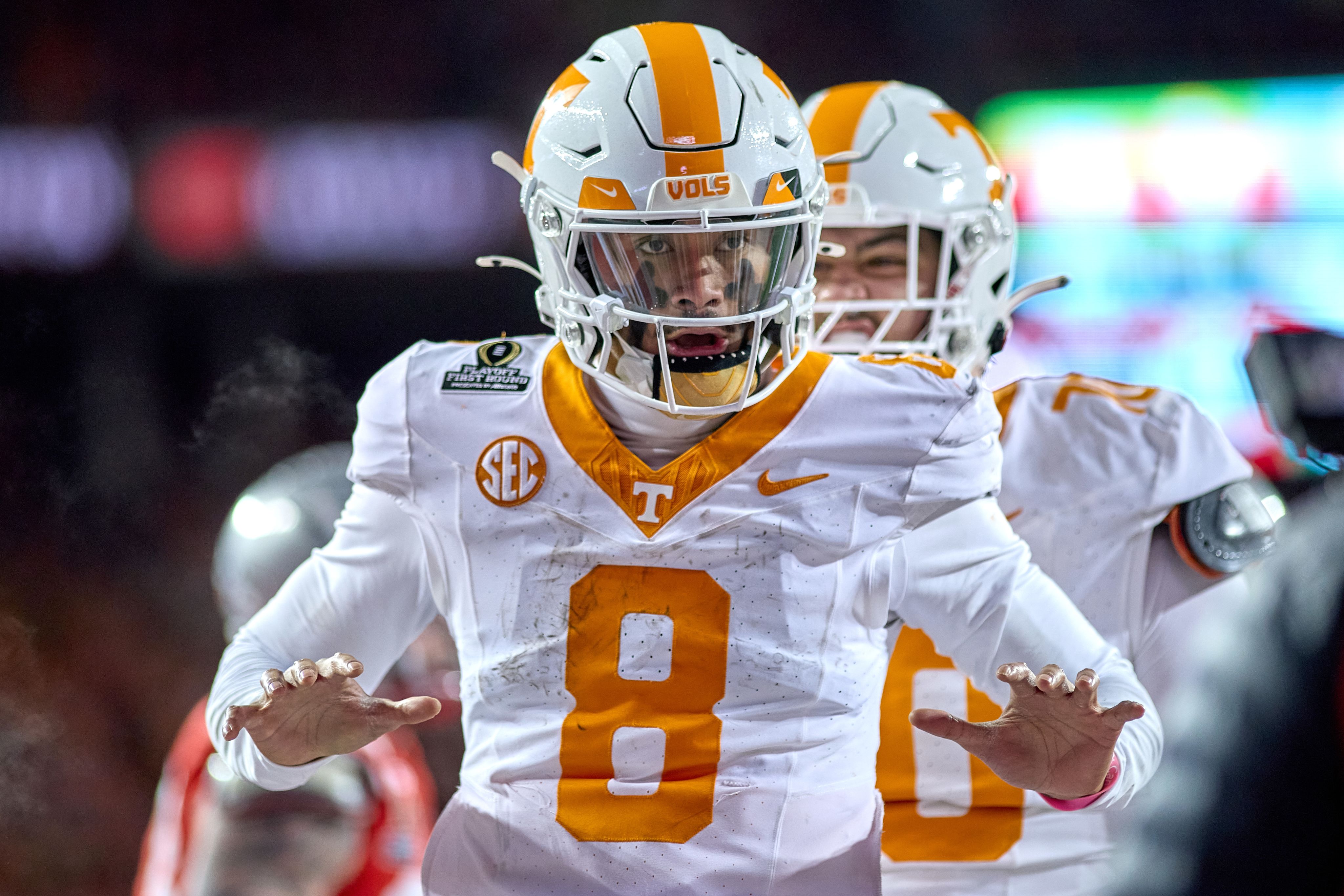
Nico Iamaleava:
The latest star player to enter the transfer portal for higher NIL compensation. (photo: Yahoo Sports)

Power to the players:
Despite these issues and many others that are yet to be resolved, the birth of NIL is the first shift in the power dynamic between athletes, programs, and the NCAA. Ultimately, it creates the question of how current and former athletes can use their new position of power to exploit this new business landscape, maximize NIL valuation, and achieve the ideal balance between sport-related and business-related opportunities.
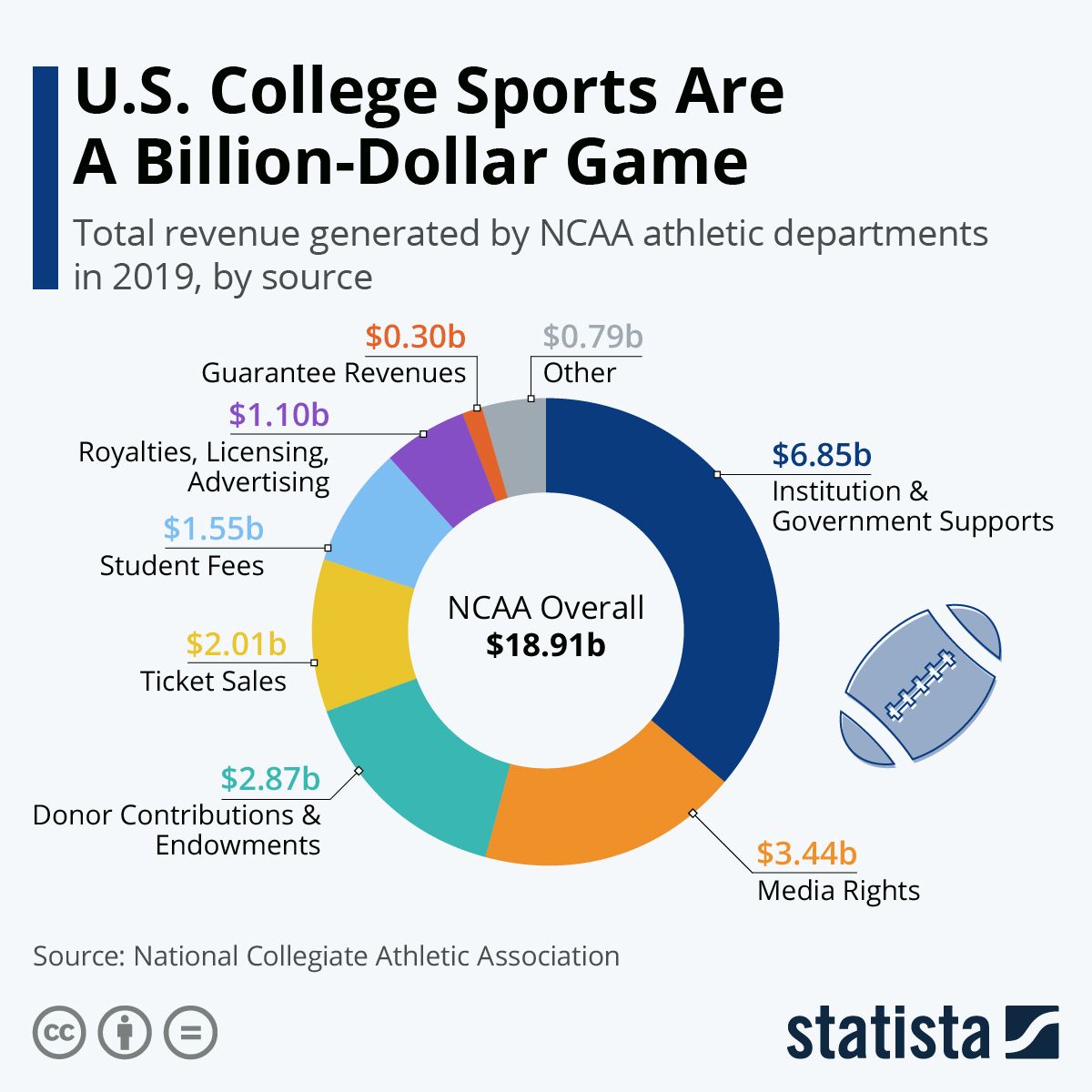
In 2019, the NCAA overall generated nearly $19 billion in revenue.
Collegiate sports in the U.S. have been profitable for decades. In 2019, the NCAA overall generated nearly $19 billion in revenue. Media rights and ticket sales specifically combined for $5.45 billion in revenue, both of which would be impossible without the athletes’ on-field performances. These figures were a large driving force for athletes to successfully pursue the rights to profit off their NIL, as mentioned. Ultimately, an individual athlete’s contribution to their program's earnings goes hand-in-hand with the publicity they may gain from the program or sport they are involved in. Both parties can now reap the benefits of this business relationship, rather than just the organizers.
The opportunity extends beyond the reputation, visibility, and profitability associated with the NCAA and collegiate programs, however. It is also largely associated with a growing creator economy and the relevance of social media in the U.S.
Athletes can grow their brand and boost their NIL valuation by utilizing social media and creating content. According to a study done by Forbes, the creator economy has grown to a $150+ billion economy since COVID, with Goldman Sachs estimating it to be worth more than half a trillion dollars by 2027.
The growth of digital media, especially since COVID-19, has come with the high usage of the internet and mobile devices by younger generations. According to a 2023 Pew Research Center survey, 46% of US teens ages 13-17 said they are "almost constantly" online and 47% of parents said they spend too much time on their phones. The combination of this market size with college athletes being in a unique position to create content, the new NCAA policy, and the demand for digital media is how an athlete can build their image on social media and increase NIL valuation.

Professor Bill Carter:
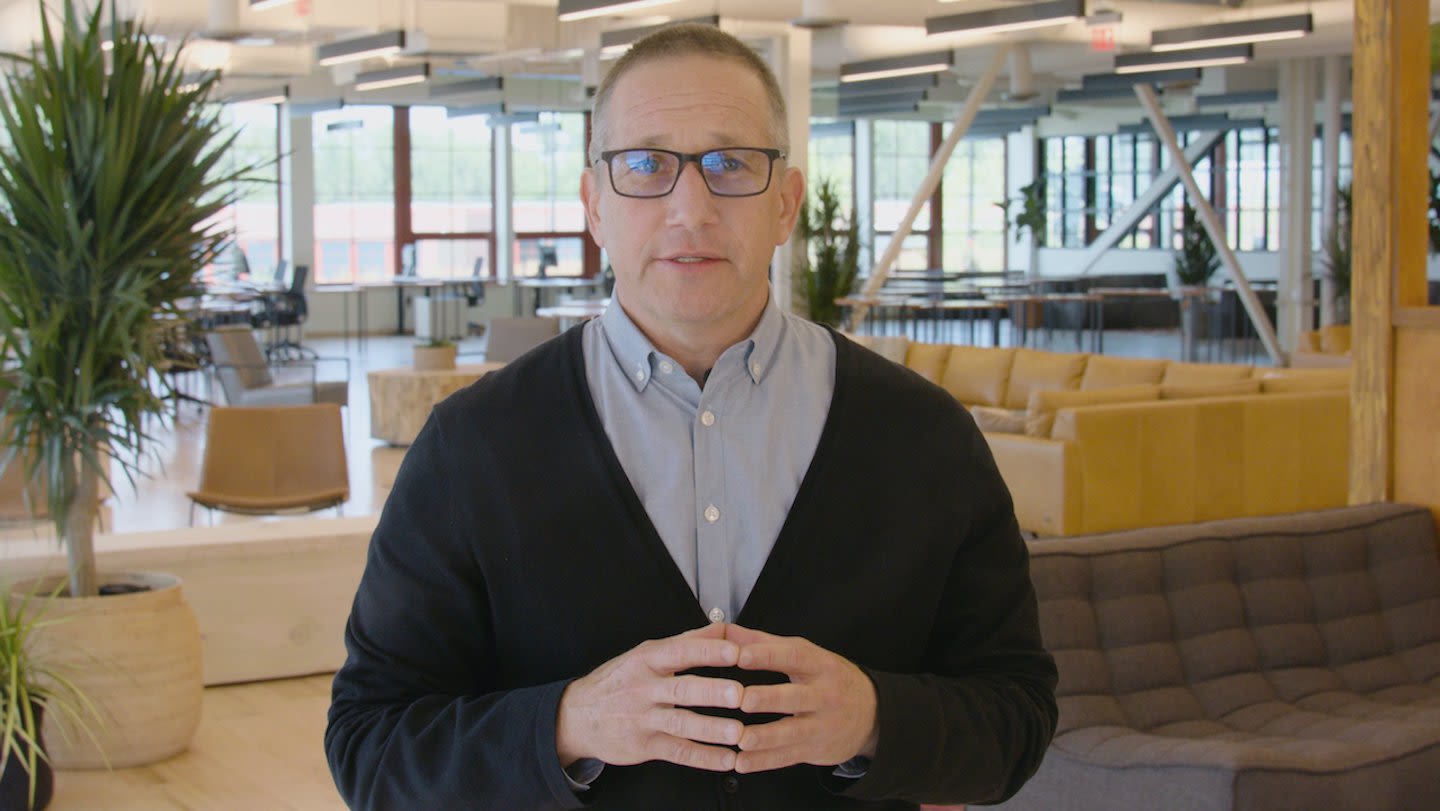
Expert in NIL and conducted an exhaustive survey on commercial activity by college athletes. (photo: Student Athlete Insights)


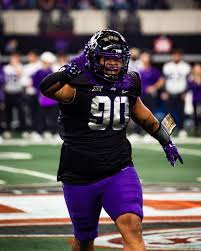
TCU football player Caleb Fox (CSTY: Instagram)
TCU football player Caleb Fox (CSTY: Instagram)
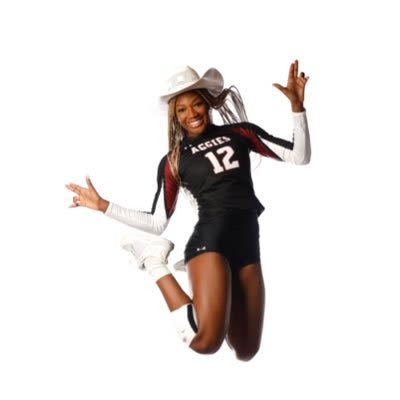
New Mexico State volleball player Aleka Darko (CTSY: X)
New Mexico State volleball player Aleka Darko (CTSY: X)
Alongside increasing NIL valuation with a social media presence, an online platform can provide direct promotional opportunities with third parties. According to an exhaustive survey of 1,100 Division I athletes by Professor Bill Carter at the University of Vermont, the social media category—influencers, content creation, brand promotion—accounted for 72% of commercial activity by college athletes. “Outside of the team NIL collectives, brands and companies reached out to me and we collaborated through social media,” said TCU football player Caleb Fox.
Negotiating and seeking commercial opportunities with third parties is essential for college athletes. “Anything around campus I went in and talked about a potential deal myself, or my agent would call around the Fort Worth Dallas area to find NIL deals,” Fox said. Actively seeking deals outside of Flying T Club, TCU’s NIL collective, helped Fox continue to grow in this landscape. Reaching third parties is especially true for athletes at mid-major schools or playing smaller-scale sports, to profit from their NIL.
“Obviously companies want the players in the big stages, the bigger the stage the more money there is to be made,”
Despite not receiving money from the school’s NIL fund and having less leverage in comparison to athletes at more popular schools or playing a sport with higher profit margins, Darko was able to capitalize on multiple deals. “One of my partner companies was NIL Elite, which made t-shirts for me to sell, alongside Elixir, which is a recovery clinic,” Darko said. The deal with Elixir began as a social media advertising agreement, but was re-negotiated to a referral-based model for Darko to profit.
It was a similar case for Houston soccer player Alexis Fowlkes, as she navigated transferring to Houston directly for the fit with the program from a player development standpoint. Despite not receiving any share of the athletic department’s NIL fund, she also eventually collaborated with outside companies from a promotional standpoint.
Zoom interview with Houston soccer player Alexis Fowlkes.
Zoom interview with Houston soccer player Alexis Fowlkes.
Upcoming NCAA settlement:

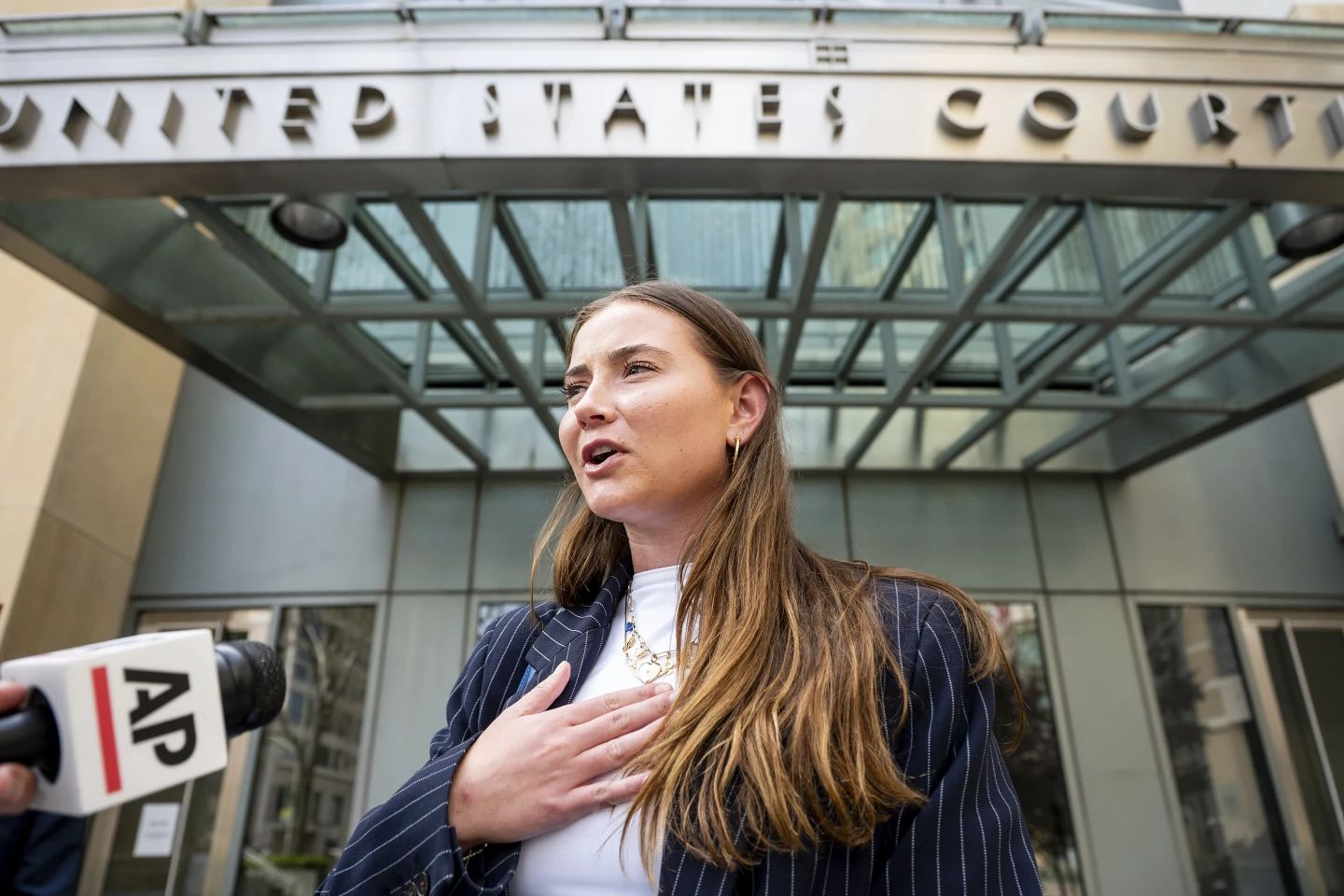
The processes involving NIL, however, have been considered unfair to former athletes who missed out on immense profit as a result of NCAA regulations prior to 2021. As a result, the NCAA settled for $2.8 billion to address three antitrust lawsuits filed against the organization, resolving claims about restrictions on athletes’ NIL. The case is now before a federal judge for a final decision and will ultimately distribute monetary compensation to cure the damages the NCAA has caused among 102,000 former college athletes starting in 2016.
The settlement simultaneously cleared the way for schools to begin sharing millions in revenue with their athletes, where many concerns regarding the justice of the policy toward athletes on a sport-to-sport basis have also emerged. “To me, it is about what the law under Title IX says, not about revenue,” Said Lexi Drumm, a soccer player at Charleston who was present and involved in the case hearing. “If a school is directly giving an athlete any money, it has to be handed out proportionally,” Drumm said. Ultimately, the distribution of funds directly from collegiate programs to athletes based on revenue rather than reflecting the student body is a concern for the growth and opportunity for female athletes and sports with less capital. “It is going to erase the progress female athletes have made and just overall seep into society's perspective of how valuable we are,” said Drumm.

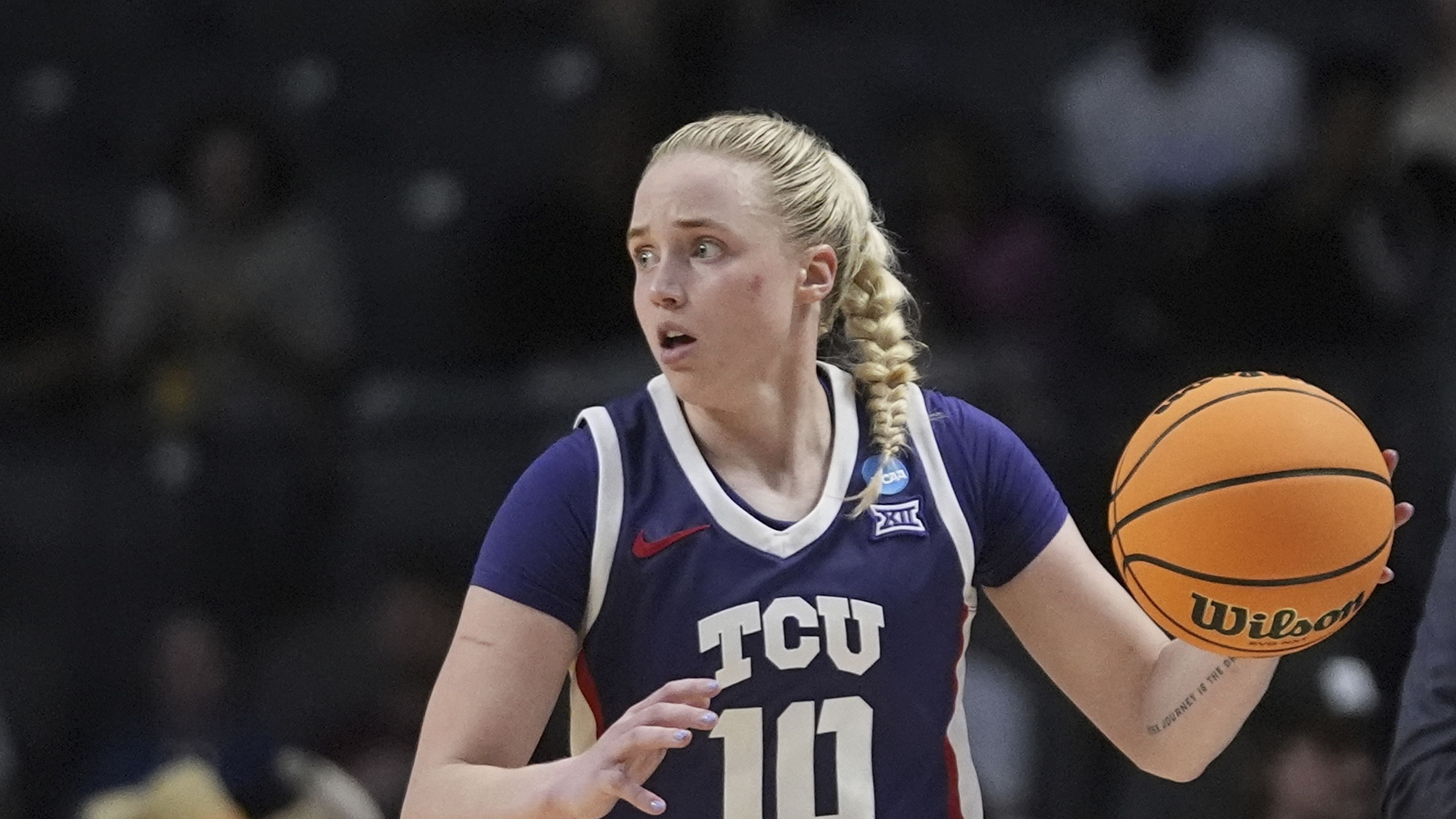
TCU guard Hailey Van Lith (10) moves the ball down court during the first half against Texas in the Elite Eight of the NCAA college basketball tournament, Monday, March 31, 2025. in Birmingham, Ala. (AP Photo/Gerald Herbert)
TCU guard Hailey Van Lith (10) moves the ball down court during the first half against Texas in the Elite Eight of the NCAA college basketball tournament, Monday, March 31, 2025. in Birmingham, Ala. (AP Photo/Gerald Herbert)
“It is going to erase the progress female athletes have made and just overall seep into society's perspective of how valuable we are,”
The benefits and opportunities, along with some of the issues attached to NIL, will likely be a part of the collegiate sports landscape for a while.
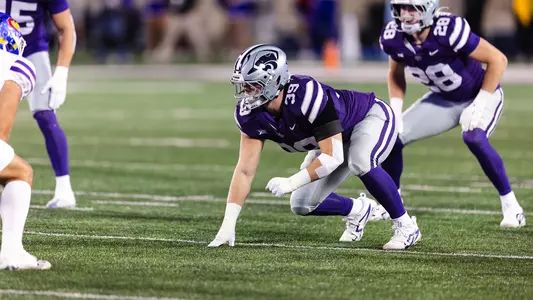
For a lot of athletes, however, their main purpose is still associated with their love for sports and aims to maximize on-field performance over anything else. “When I got in the portal, I had no idea and wasn’t even thinking about NIL,” said Kansas State football player Travis Bates. “When I got to Kansas State I wasn’t making any money, and that makes you prove yourself, overall I’m also not the type of guy to ask for that and put my needs ahead of the team,” Bates said. It was a similar case for Fox during his time in the transfer portal. “Transferring to TCU was already something that was pretty much decided when I entered the portal; it was just the right fit,” said Fox.

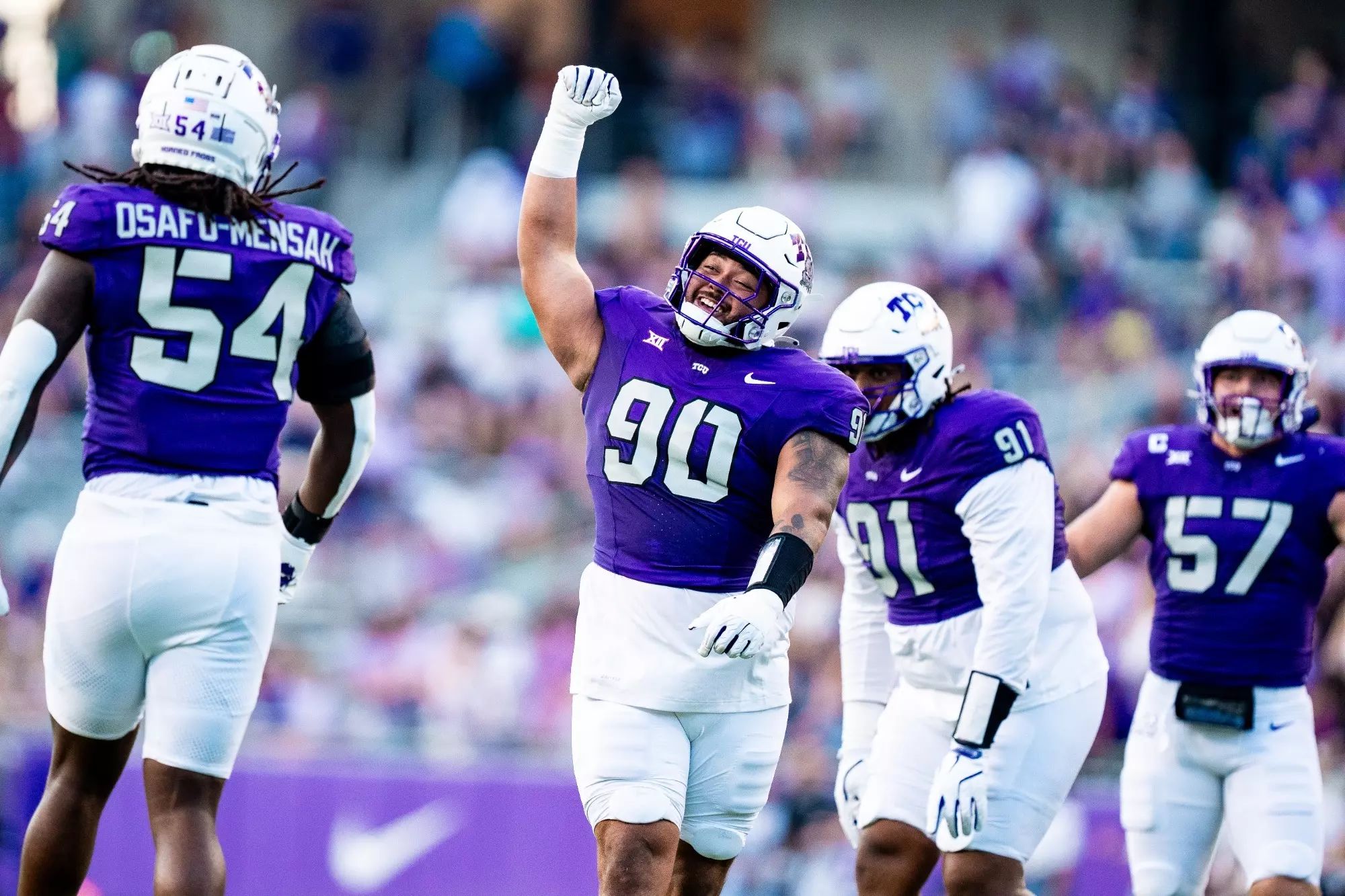
Caleb Fox #90 (CTSY: TCU Athletics)
Caleb Fox #90 (CTSY: TCU Athletics)
Travis Bates: Pure love for football.


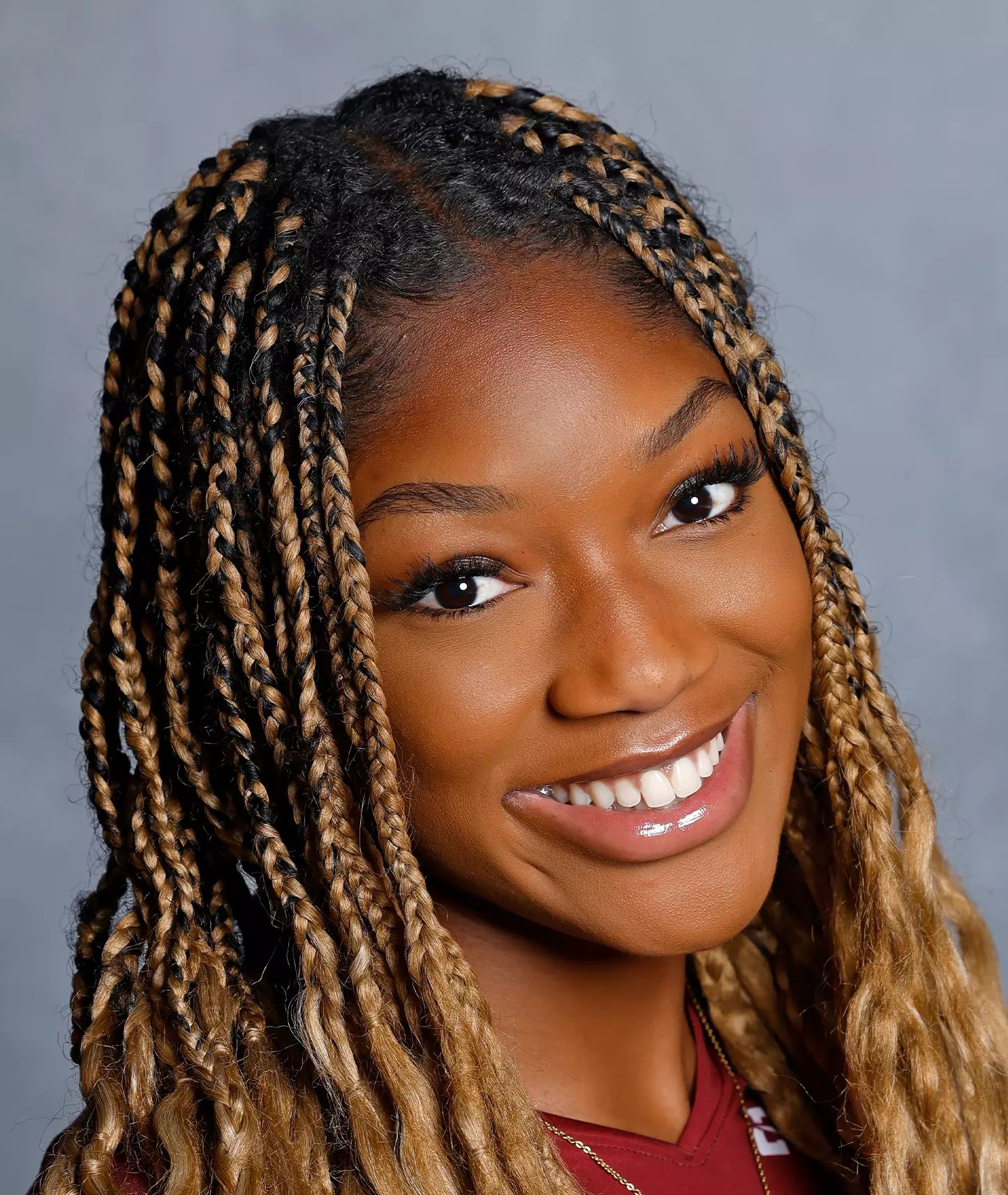
Aleka Darko headshot before the 2024 season (CTSY: NM State Athletics)
Aleka Darko headshot before the 2024 season (CTSY: NM State Athletics)
The proper balance between exploiting business opportunities but also setting up for athletic success exists.
“I will definitely advise you to grow your platform on social media along with becoming a better player,” Darko said. “You also have to know your value as an athlete,” she continued. Most importantly, the balance in an athlete’s decision-making must consider overall life success as well. “A lot of people think with NIL the player wants to buy a car or buy clothes, but for me it was about helping my family and playing ball,” said Fox.
In conclusion, the introduction of NIL in 2021 marked a historic turning point in collegiate athletics, fundamentally shifting the balance of power between athletes, institutions, and the NCAA. While it opened unprecedented opportunities for athletes to benefit from their NIL, it also sparked legal challenges, regulatory confusion, and complex new dynamics in athlete mobility and sponsorship negotiations. Despite ongoing challenges, NIL has empowered college athletes in ways never seen before, and only through trial and error will they conquer this new era in college sports.

 Built with Shorthand