
From the FYP to the Ballot Box

TikTok and the Political Landscape
As the 2024 presidential election unfolded, TikTok feeds across college campuses became political battlegrounds; not with campaign ads or official news, but with viral videos, trending sounds, and influencers posing as credible sources. For many Gen Z voters, social media isn’t just a source of entertainment; it’s where they learn about the world, form political opinions, and decide who to vote for. But with this shift comes a dangerous tradeoff: speed over accuracy. As misinformation circulates faster than ever, college students face an increasingly difficult challenge, how to stay informed in a media ecosystem that often prioritizes engagement over truth.

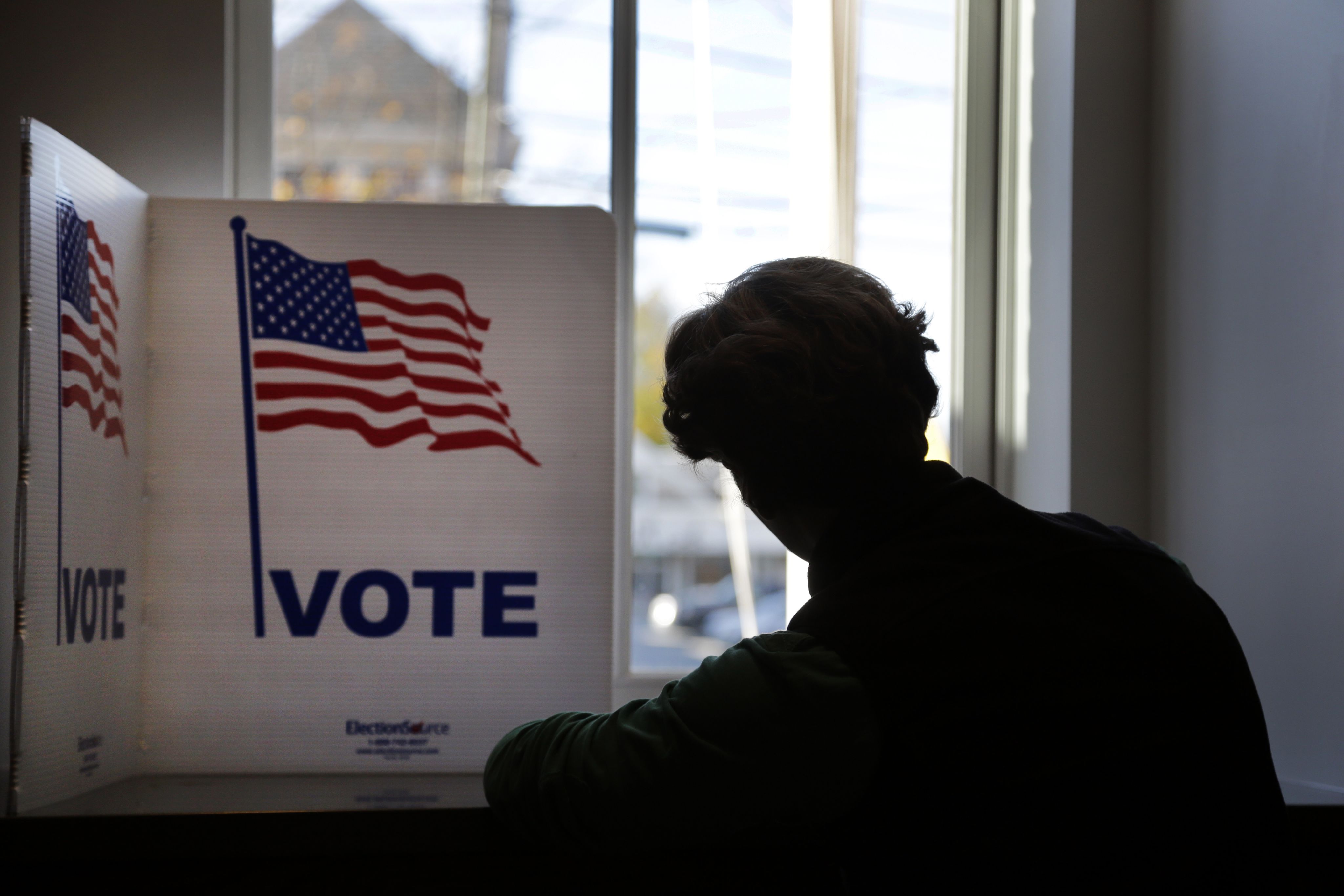

Photo by Heesoo Yang
Photo by Heesoo Yang


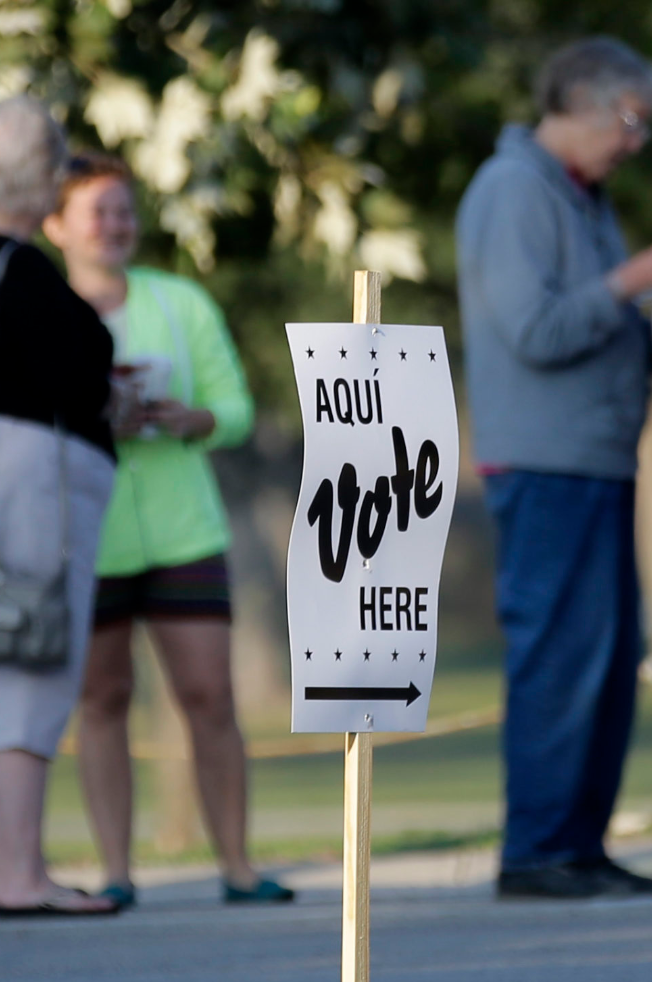
TCU'S Engagement and Responsibility
This national trend also plays out on a local level. In 2022, Texas Christian University was named one of ALL IN Campus Democracy Challenge’s most engaged campuses for college student voting, placing it in the top 10% of colleges and universities nationwide. While the recognition is an honor, it also places pressure on the university to ensure students are equipped to be informed voters. Jonathan Benjamin-Alvarado, Ph.D., TCU’s senior advisor to the chancellor and chief inclusion officer, said he feels a deep responsibility to help students recognize misinformation online. “There are certainly legitimate elements on TikTok,” Benjamin-Alvarado said, “but unfortunately, it’s the clickbait that really drives views, not verifiable, high-quality information.” This raises an important question: While it’s clear that TCU students are active participants in the democratic process, how politically informed are they?
"We are deluged with information, but starved for knowledge."
TikTok’s personalized algorithm has had a profound impact on the spread of political disinformation, particularly among young voters. Unlike traditional news outlets, TikTok’s algorithm prioritizes content based on user engagement rather than factual accuracy, leading to a rapid spread of misinformation. A survey of 200 TCU students from various majors revealed that 148 of them voted. Moreover, out of the 200 students, 133 said they were not confident in their ability to identify false information on the platform. One survey respondent aptly described the effect of TikTok’s algorithm: “Once you watch a long video of misinformation, you get pulled in to continue to digest identical content.” The platform's algorithm creates an echo chamber, continually feeding users content aligned with their previous interactions, making it more difficult for them to encounter and engage with fact-checked, reliable sources.
Survey Results
|
QUESTION ASKED |
YES |
NO |
|---|---|---|
|
Did you vote in the 2024 presidential election? |
148 |
52 |
|
Do you feel confident in your ability to identify false information on TikTok? |
67 |
133 |
|
Do you get most of your political information on TikTok? |
97 |
103 |

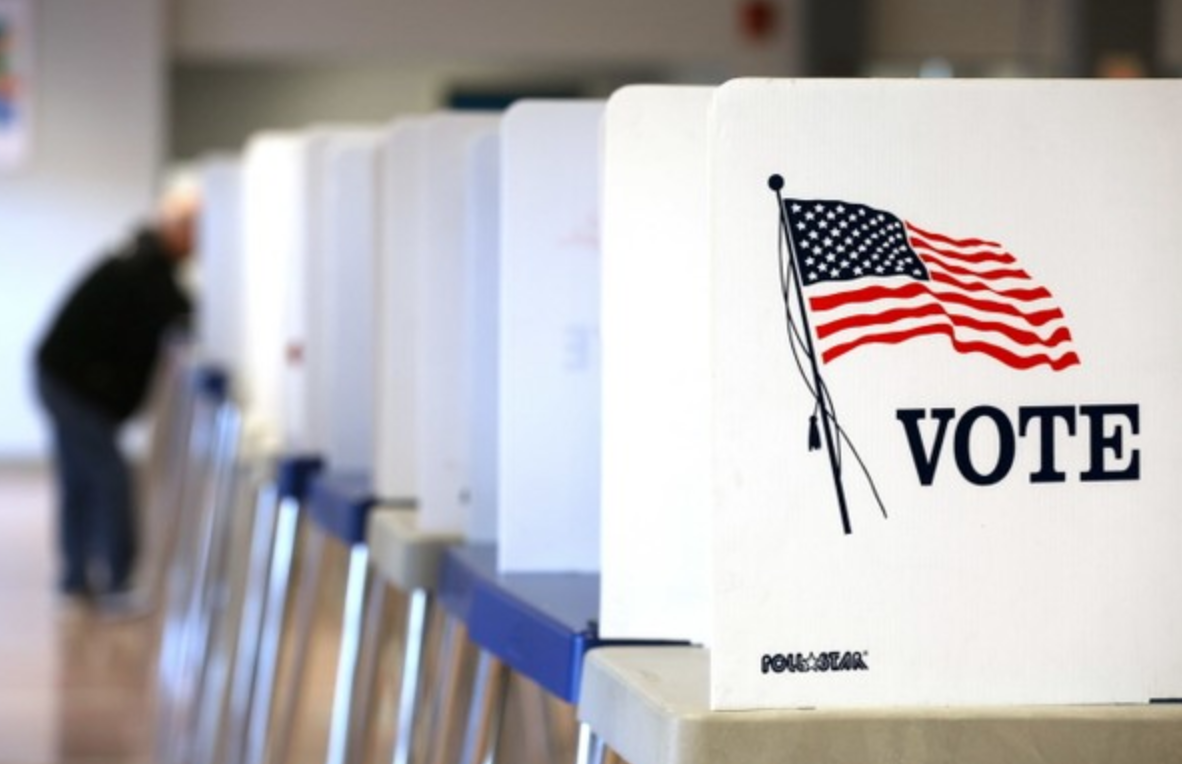
The Broader Impact on Democracy
This phenomenon is further explained by agenda-setting theory, which suggests that media shapes public perception by prioritizing issues most likely to generate engagement. Dr. Adam Schiffer, a political science professor at TCU who studies media bias and political communication, said, "I wouldn't necessarily say that the economics of social media encourage misinformation — but, unfortunately, they do appear to be agnostic to it. That is, your ability to rise to the top of the algorithm may not be negatively correlated with your reliability — but it's not a positive correlation either.”
The consequences of this shift extend far beyond college campuses. When political knowledge is shaped by platforms built for entertainment rather than accuracy, the foundation of democratic participation weakens. As misinformation becomes more normalized, voters may not just be misinformed, they may grow increasingly cynical or disengaged altogether. This erosion of trust in credible news sources and democratic institutions poses a serious threat. “It’s frustrating because even when I try to stay informed, the content that gets pushed to the top isn’t always reliable,” said Mason Gallarneau, a junior political science major at TCU. “It creates a culture where opinions feel more curated by algorithms than shaped by evidence or discussion.” If an entire generation forms its political beliefs based on algorithms designed to maximize watch time instead of truth, the long-term effects could include increased polarization, lower civic literacy, and a weakened ability to hold leaders accountable. In this sense, the issue is not just about student media habits, it’s about the integrity of democracy itself.


TCU’s Efforts Toward Media Literacy
While the challenge is daunting, TCU has recognized the importance of equipping students with the tools to navigate this evolving landscape. In response to the growing influence of social media, the university has taken several steps to promote media literacy and critical thinking among students. Through workshops, discussions, and partnerships with faculty, TCU aims to encourage students to question the sources of information they consume and to develop skills in distinguishing credible news from misinformation. “We’re not just focused on increasing voter turnout; we also want students to engage in thoughtful, informed decision-making,” Dr. Benjamin-Alvarado explained. By fostering an environment where media literacy is prioritized, TCU is working to ensure that its students not only participate in elections but do so with the knowledge and understanding necessary for a healthy democracy.
One of TCU's key initiatives is the integration of media literacy into its curriculum. Courses like Media Literacy, taught by Associate Professor Melita Garza, are foundational in helping students understand the mechanics behind news production, distribution, and consumption. This course not only teaches students to identify credible sources but also encourages them to critically examine the media they consume. Through assignments such as media consumption logs and "blackout" periods, students are urged to reflect on their media habits and recognize how biases can shape their perceptions. As Alvarado points out, “In the digital age, where information is so easily accessible, the ability to distinguish fact from fiction is essential to becoming an informed and active participant in society.” These academic opportunities are crucial in fostering critical thinking skills that go beyond the classroom, preparing students to confront misinformation in their everyday lives.
While faculty and experts play an important role, TCU also recognizes the power of peer influence in shaping student behavior and attitudes. Through student-led initiatives and organizations, TCU fosters a culture of media literacy that extends beyond the classroom. Student organizations, such as the TCU chapter of the Public Relations Student Society of America (PRSSA), regularly host workshops, seminars, and social media campaigns focused on promoting media literacy and debunking myths. These initiatives encourage students to share knowledge with their peers and create an environment where critical thinking becomes second nature. Sophie Stanton, a senior TCU Strategic Communication major involved in these efforts explained, “When we teach each other how to be smarter consumers of media, we’re not just protecting ourselves from misinformation, we’re building a more informed and empowered community.”
The need for media literacy education at TCU is more urgent than ever, as disinformation continues to spread across social media platforms at unprecedented rates. As Dr. Schiffer aptly put it, "Thus, the best strategy for avoiding misinformation is to fill your feed with sources who have established a reputation as being trustworthy." By combining TCU’s educational initiatives with increased media literacy efforts, students can better navigate the digital landscape and engage in the democratic process with confidence.

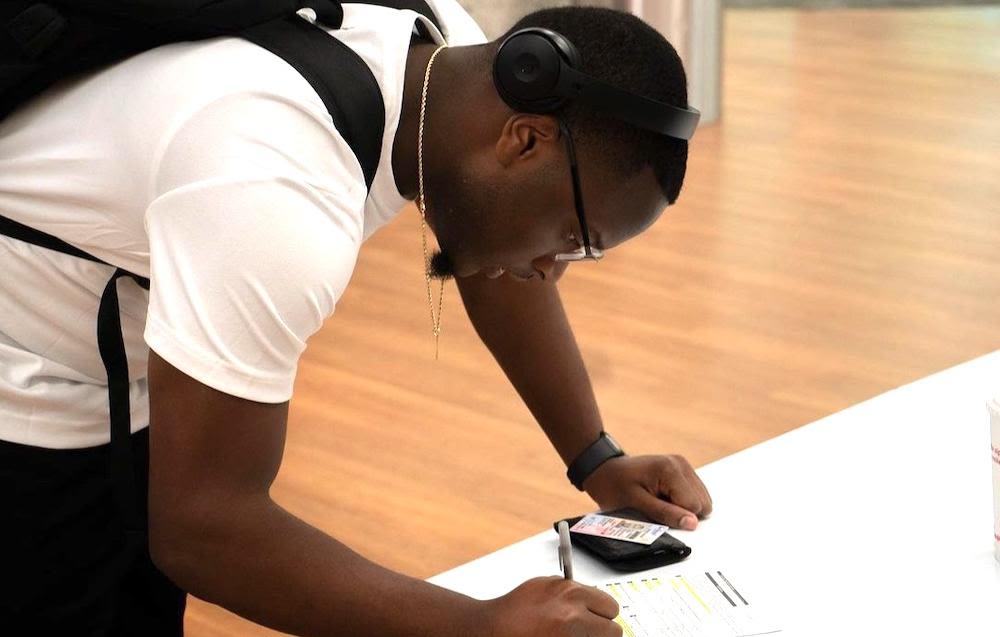

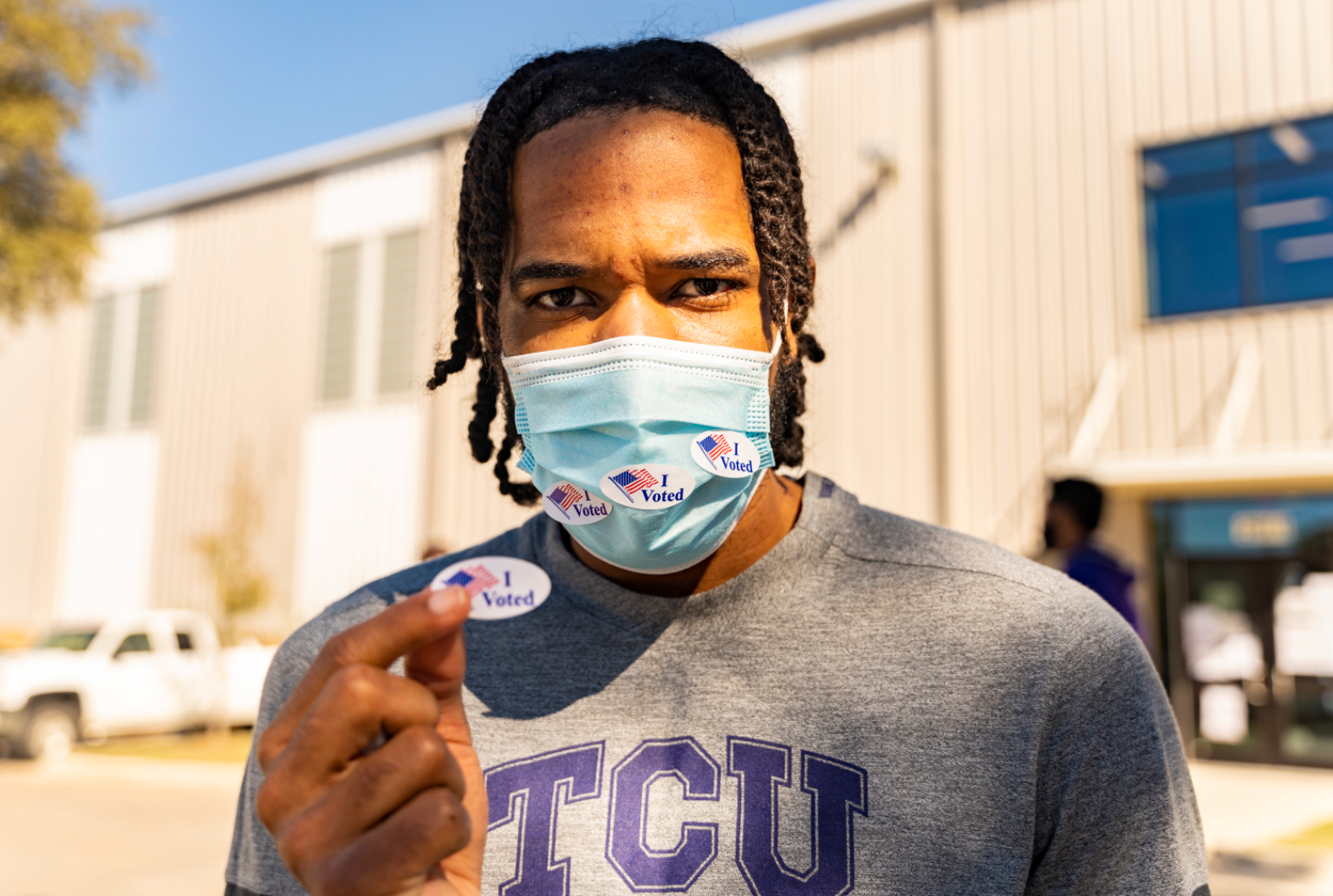
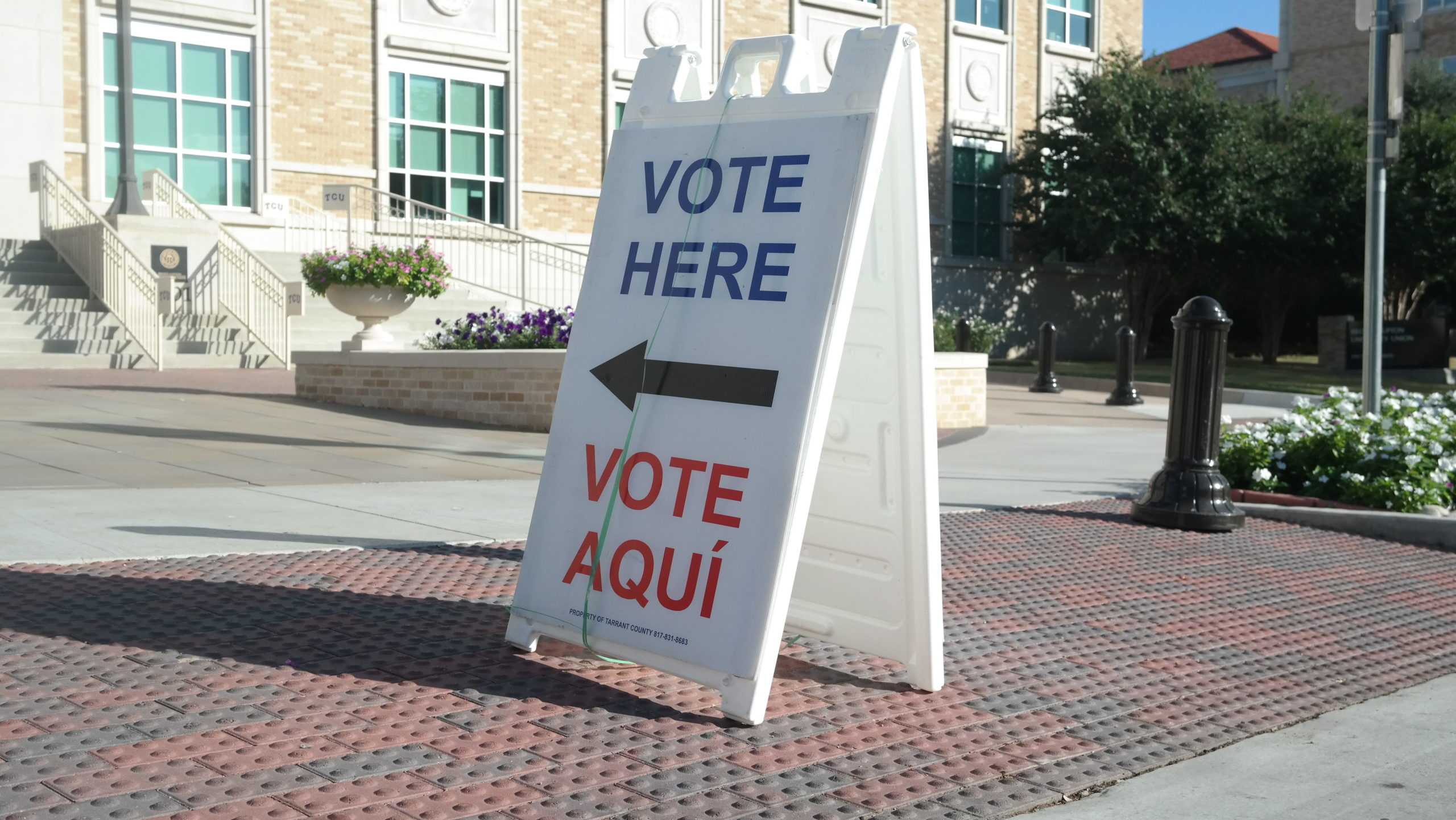
Photo by Heesoo Yang
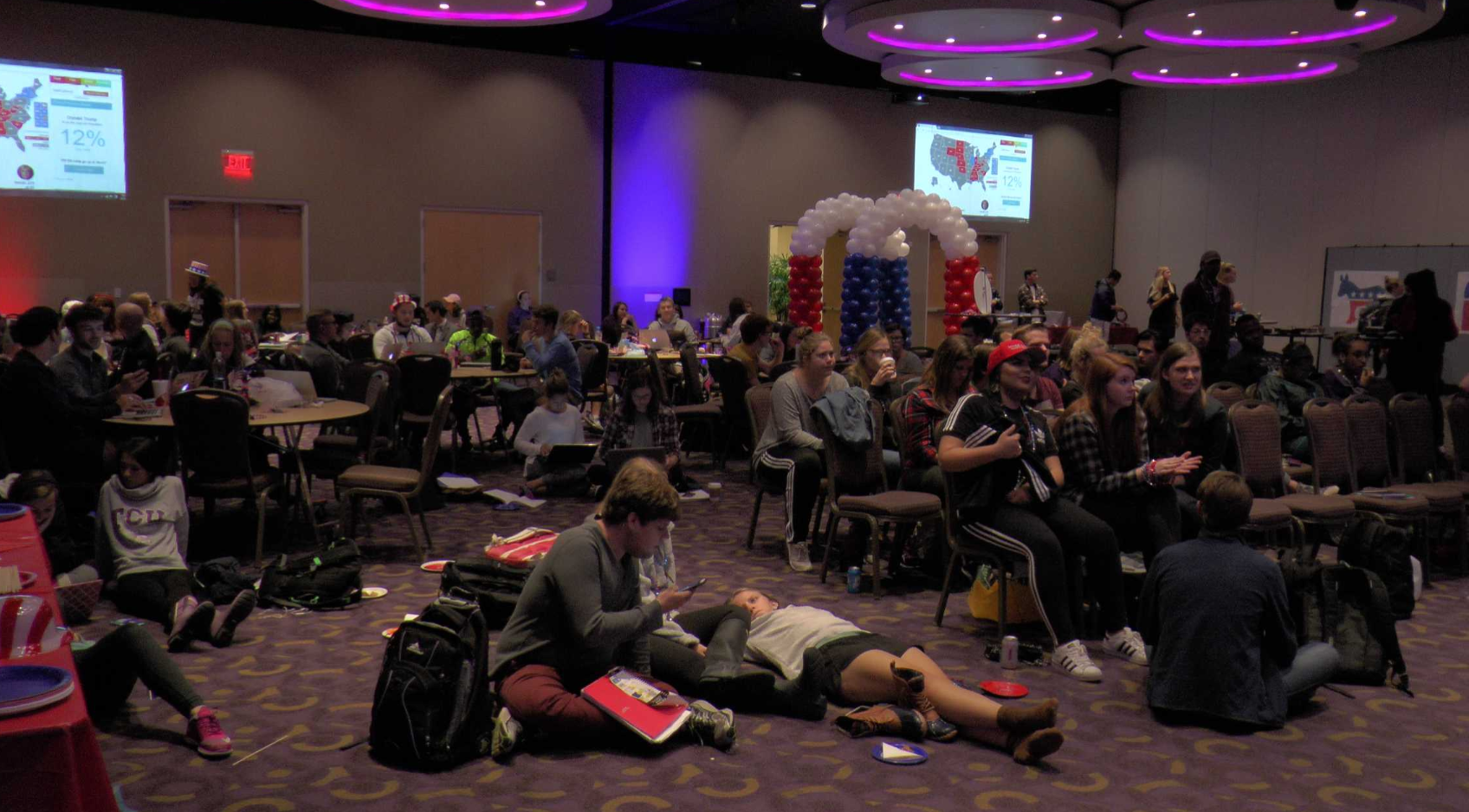
Photo by Heesoo Yang


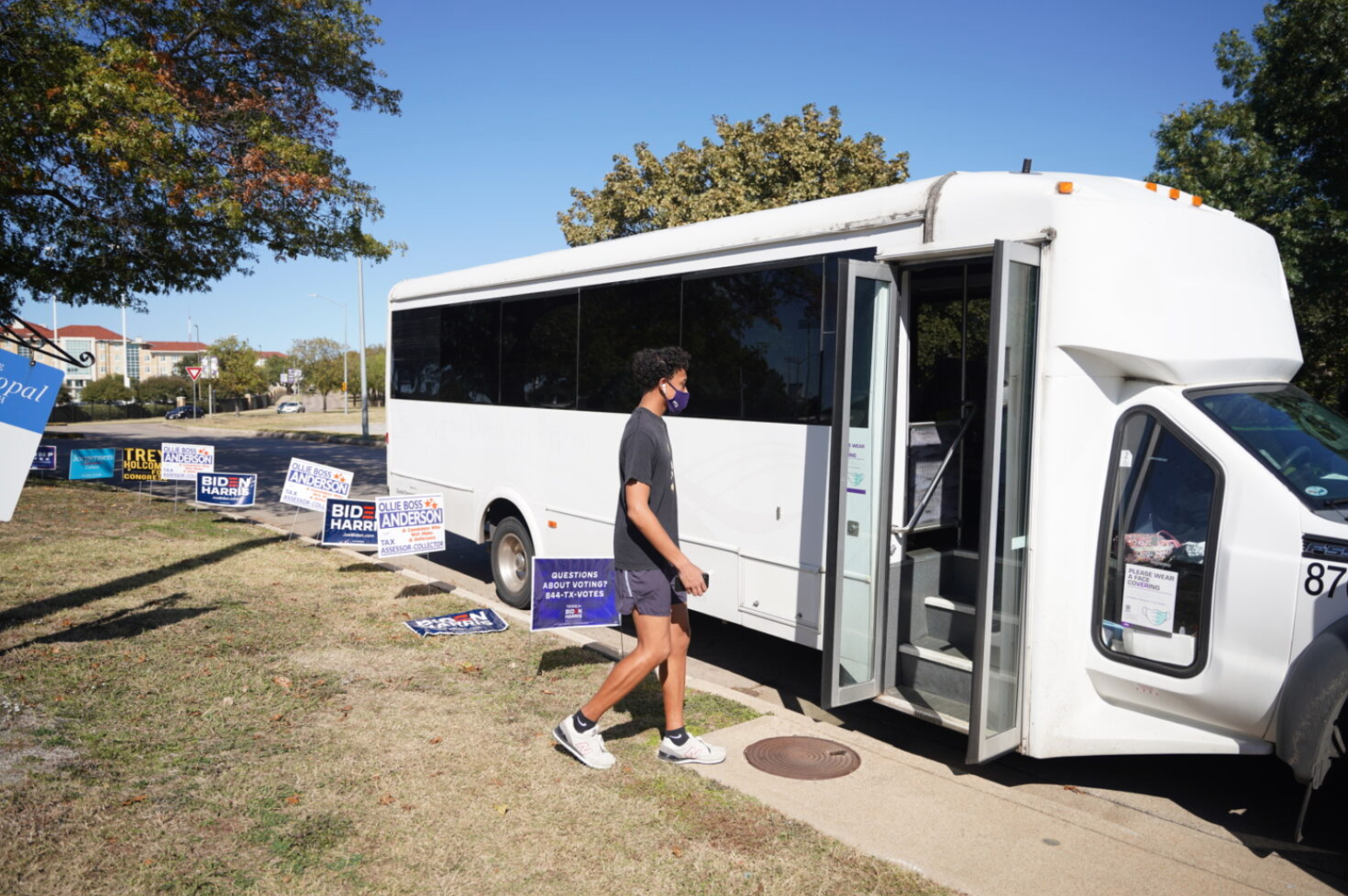
TCU provided transportation to the Trinity Episcopal Church voting site on Tuesday, Nov. 3, 2020. Polls across Tarrant County seemed empty on Election Day. (Heesoo Yang/Staff Photographer)
TCU provided transportation to the Trinity Episcopal Church voting site on Tuesday, Nov. 3, 2020. Polls across Tarrant County seemed empty on Election Day. (Heesoo Yang/Staff Photographer)
 Built with Shorthand