
How Big 12 Sports Shape Campus Culture and Fan Engagement in College
An emphasis story on fan engagement in college sports
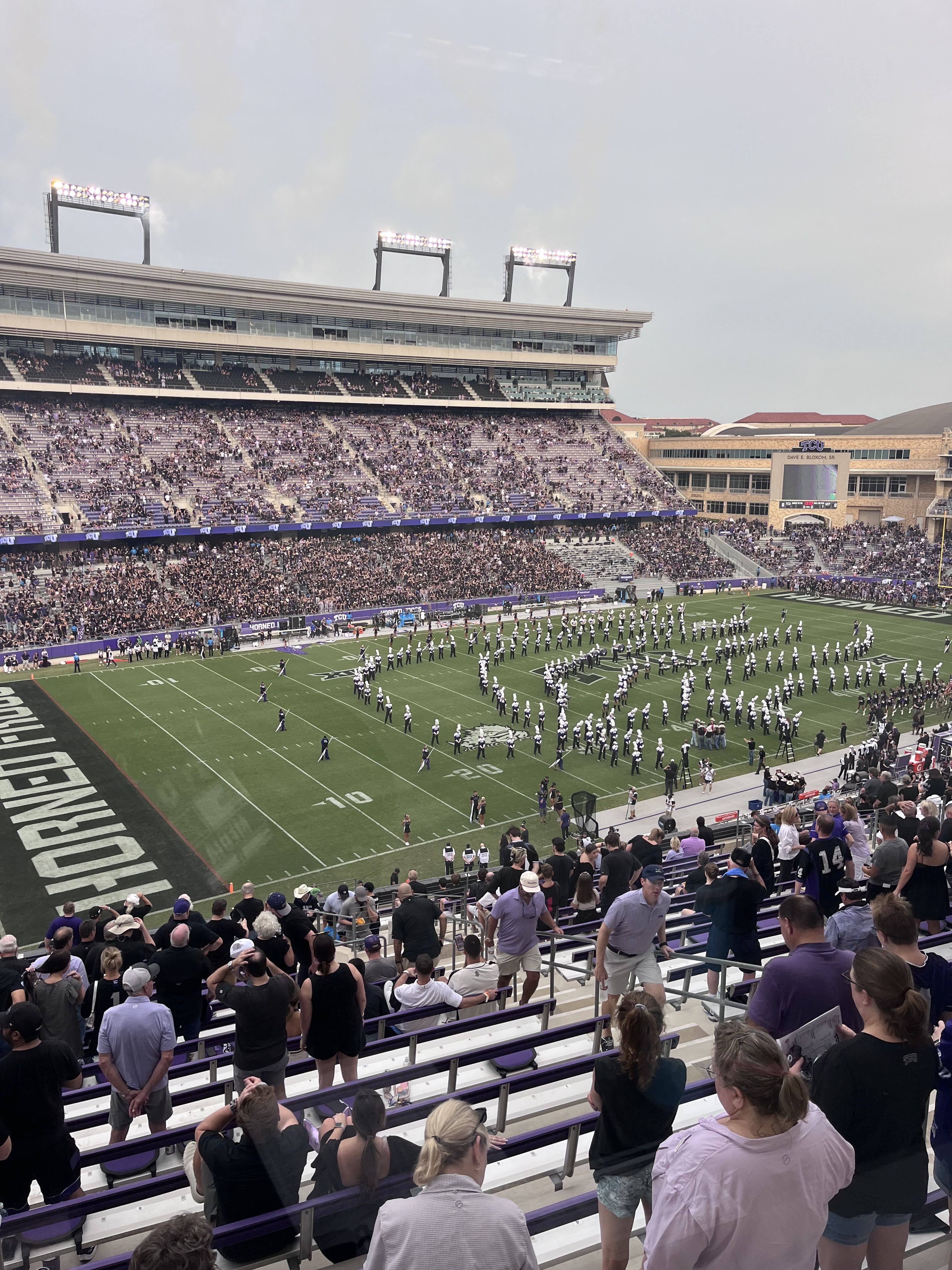


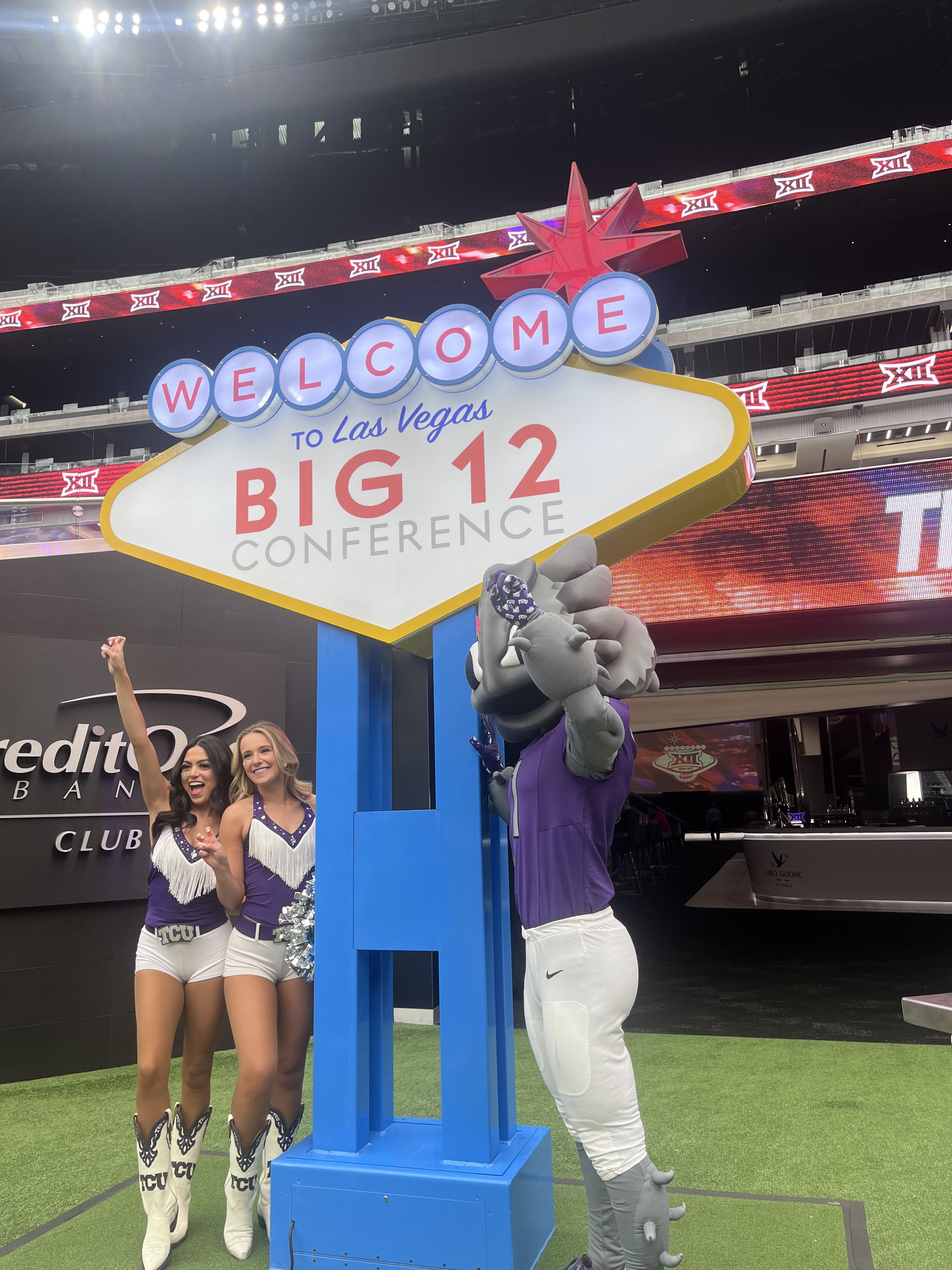
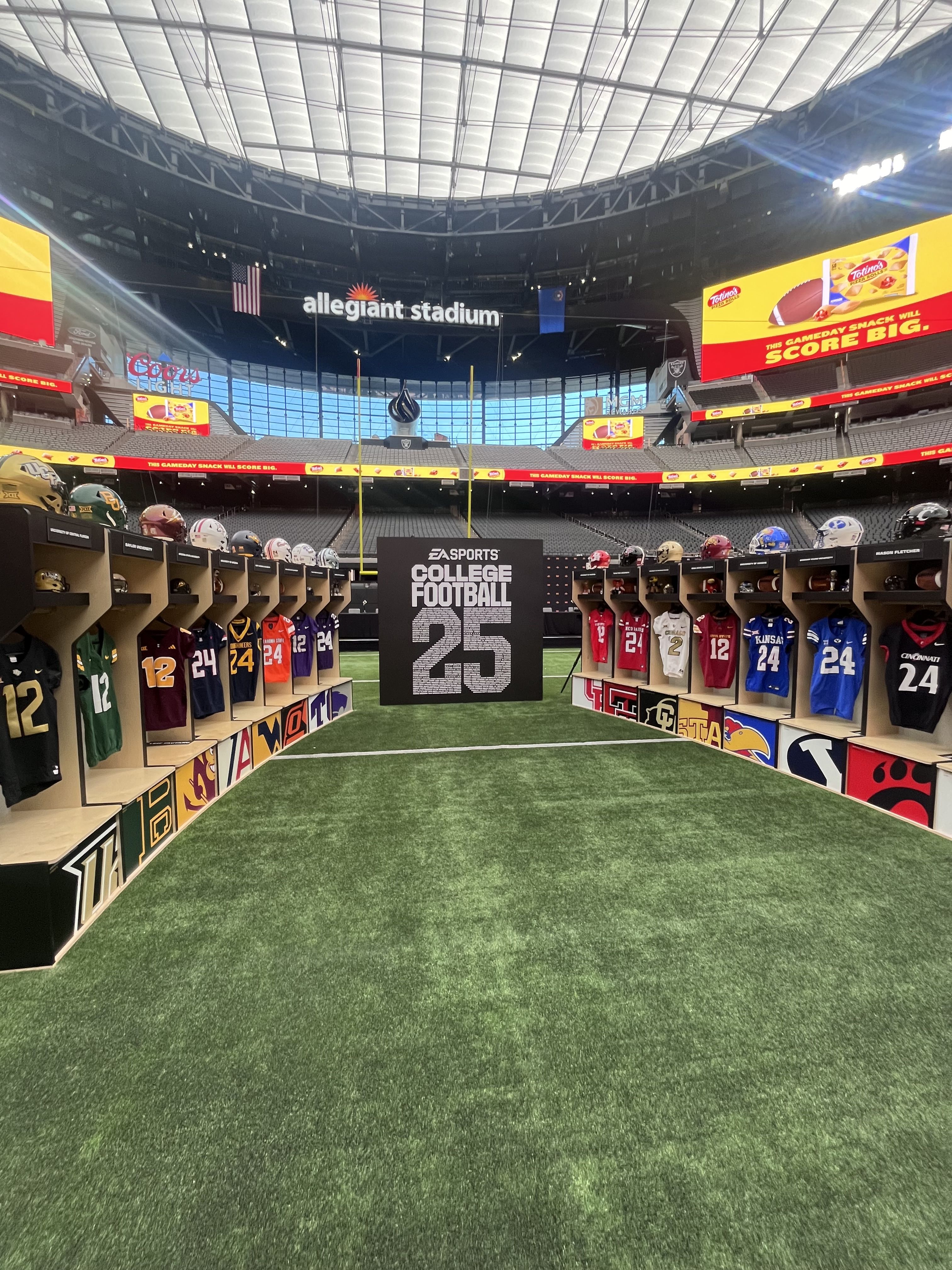
College athletics, particularly within the Big 12 Conference, play a pivotal role in shaping campus culture and enhancing fan engagement. The Big 12's athletic environment fosters a sense of belonging among students, alumni and fans, creating traditions and experiences that extend beyond the playing field.
A recent study by SSRS highlights the profound impact of fan belonging on team loyalty and engagement. Fans who feel a strong connection to their teams are more likely to attend games, follow team news and remain loyal during challenging seasons. This sense of belonging is particularly strong among college sports fans, many of whom have a direct affiliation with their institutions. The Big 12 Conference, with its rich history and passionate fan base, exemplifies this phenomenon, where traditions and shared experiences deepen the bond between fans and their teams.
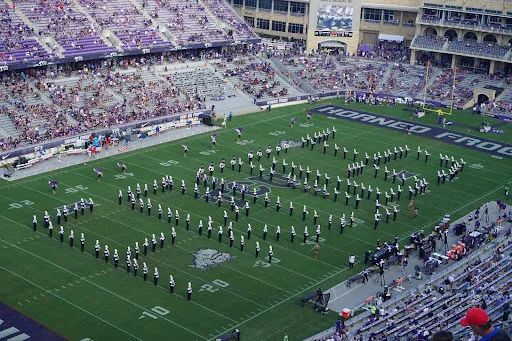
Amon G. Carter Stadium
Photo Credit: Katie Mitchell

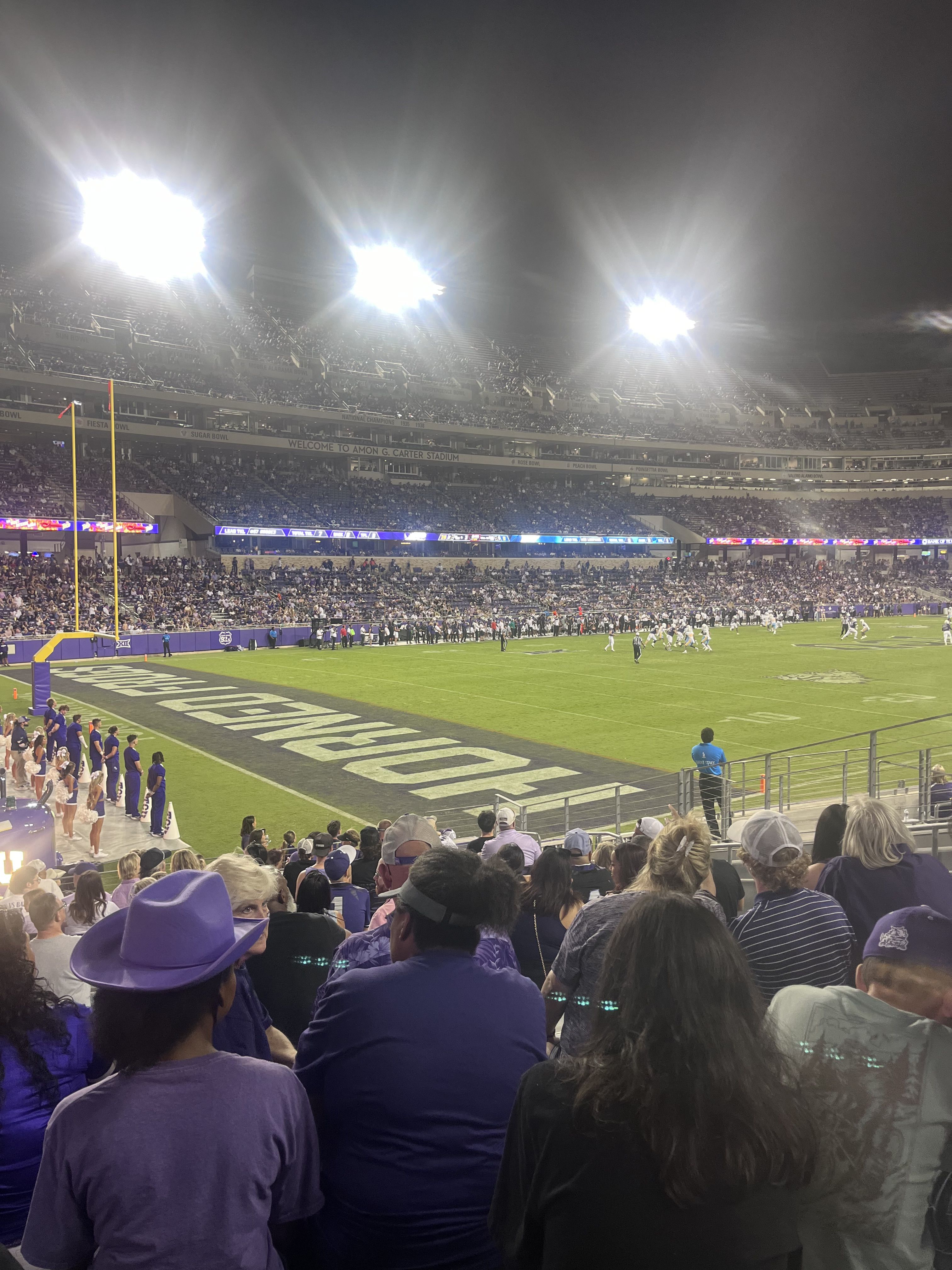

Traditions are the heartbeat of campus culture in the Big 12. At Texas A&M University, the "Elephant Walk" sees seniors walking through campus, symbolizing their transition and the passing of the torch to underclassmen. Baylor University's "Baylor Line" allows first years students to run onto the field right before kickoff. These rituals not only enhance the game-day experience but also instill a sense of identity and continuity among students and alumni.
At TCU, the traditions are a large part of the fan experience. The Hypnotoad, for example, is one of the most beloved of the traditions.
Embracing technology, the Big 12 Conference has partnered with WSC Sports to enhance its digital presence. This collaboration leverages AI-powered content creation, producing customized video highlights for distribution across social media platforms. Such initiatives not only cater to the digital consumption habits of modern fans but also expand the conference's reach, engaging a broader audience and strengthening fan loyalty. Singing fight songs, wearing school colors and engaging in rituals like storming the field after major victories all contribute to a shared narrative that binds the community. This culture of involvement encourages pride, loyalty, and social cohesion, which extends well beyond graduation.
Fan Engagement

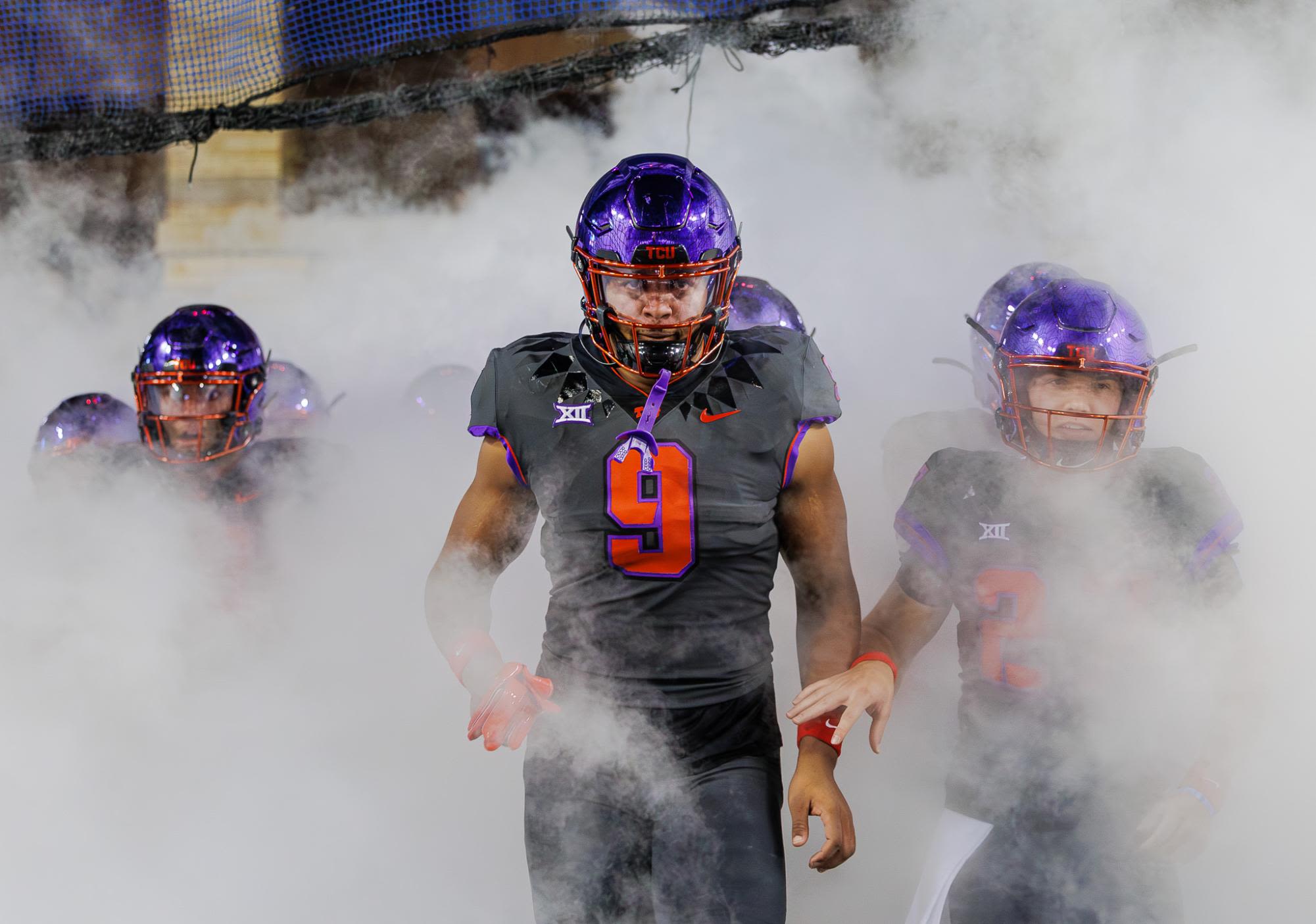
Athletics, especially football, can also have significant effects on a university's broader appeal. An article from The Wire by Signing Day Sports explores how football success influences university admissions, branding and the overall campus atmosphere. This phenomenon, often referred to as the “Flutie Effect,” shows how sports achievements can lead to increased visibility and desirability among prospective students.
The correlation between athletic success and institutional prestige is not purely anecdotal. Universities often invest heavily in sports facilities and coaching staff precisely because they understand the multifaceted return on investment—higher application rates, stronger alumni engagement and a more unified student body. In the Big 12, where football culture is deeply embedded, these effects are particularly pronounced and long-lasting.
Digital Engagement


While tradition plays a key role in fan engagement, the Big 12 is also embracing modern tools to expand its reach. In a strategic partnership with WSC Sports, the Big 12 Conference now uses artificial intelligence to generate real-time highlights for distribution across social media platforms. This initiative reflects a recognition that younger audiences, including Gen Z students, consume sports content differently than previous generations.
These digital strategies not only make Big 12 sports more accessible but also help maintain loyalty in an increasingly crowded entertainment landscape. By meeting fans where they are on platforms like TikTok, Instagram and YouTube Big 12 schools ensure that their teams remain culturally relevant. Personalized highlight reels, behind-the-scenes content and interactive media foster a more intimate connection between fans and athletes.
The conference has also made significant investments in visual branding. A recent redesign of the Big 12 basketball tournament court, featuring a bold, stylized “XII” logo, stirred controversy but also highlighted the importance of strong visual identity in college sports. While reactions were mixed, the move demonstrated the conference’s intent to stay distinctive and appealing to new generations of fans.
For more research, I conducted a survey asking different questions about TCU sports and the long-lasting impact they could have.
Results: Part 1
What year are you?
Game Attendance
Team Efforts
Results: Part 2
Fan Engagement and Pride
Home Game Attendance
Fan Energy
One of the most powerful aspects of sports engagement is its longevity. Students may only spend four years on campus, but their connection to the university and its athletic program can last a lifetime. This long-term engagement is built, not just on wins and championships, but on the emotional resonance of shared experiences.
According to the SSRS report, sports fandom based on emotional connection leads to more sustained behaviors. Alumni continue to follow games, donate to athletic departments and return for homecoming events even decades after graduation. These patterns of involvement are critical for building strong alumni networks and sustaining institutional development efforts.
Big 12 schools capitalize on this emotional momentum through targeted alumni outreach and gameday experiences that cater to all age groups. From children attending their first football game to elderly alumni reliving their college days, the fan experience is crafted to reinforce a lifelong relationship with the university.


Conclusion


In conclusion, the impact of Big 12 athletics, particularly at institutions like TCU, extends far beyond the playing field, shaping campus culture and deepening fan engagement in measurable and meaningful ways.
As supported by SSRS’s findings on the power of emotional connection, students and alumni who feel a strong sense of belonging to their team are more likely to remain engaged, loyal and proud supporters. The data echoes these insights: the majority of respondents (primarily seniors) indicated strong fan engagement, a deep appreciation for unique traditions like the Hypnotoad and Electric Slide and an emotional connection to home games that is enhanced by their identity as TCU students.
Notably, football remains the most popular sport, with most students attending between 5 and 10 home games annually and agreeing that game-day experiences boost school spirit. These results also align with The Wire's observations on how athletic success fuels student pride and enhances the overall university experience, making college sports a crucial driver of institutional culture and appeal. Win or lose, students at TCU clearly celebrate the team’s efforts, reinforcing a campus environment where athletic participation fosters unity, pride and a lifelong connection to their school community.
An interview with TCU quarterback Josh Hoover. He talks about how the Horned Frog community impacts his game and support.
An interview with TCU quarterback Josh Hoover. He talks about how the Horned Frog community impacts his game and support.
 Built with Shorthand